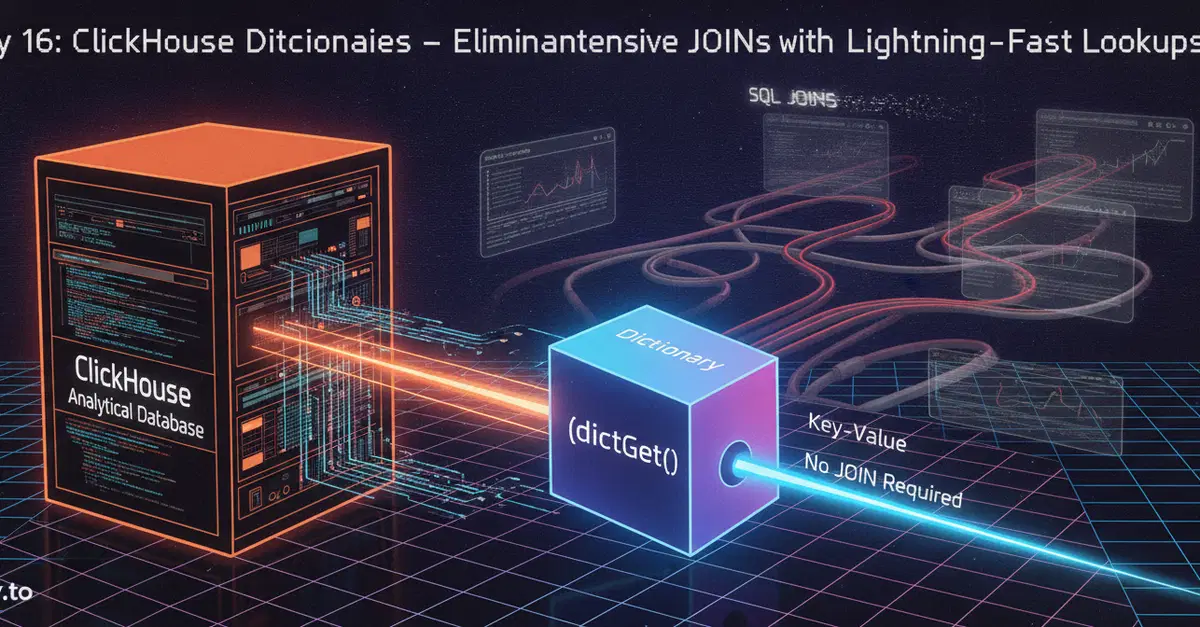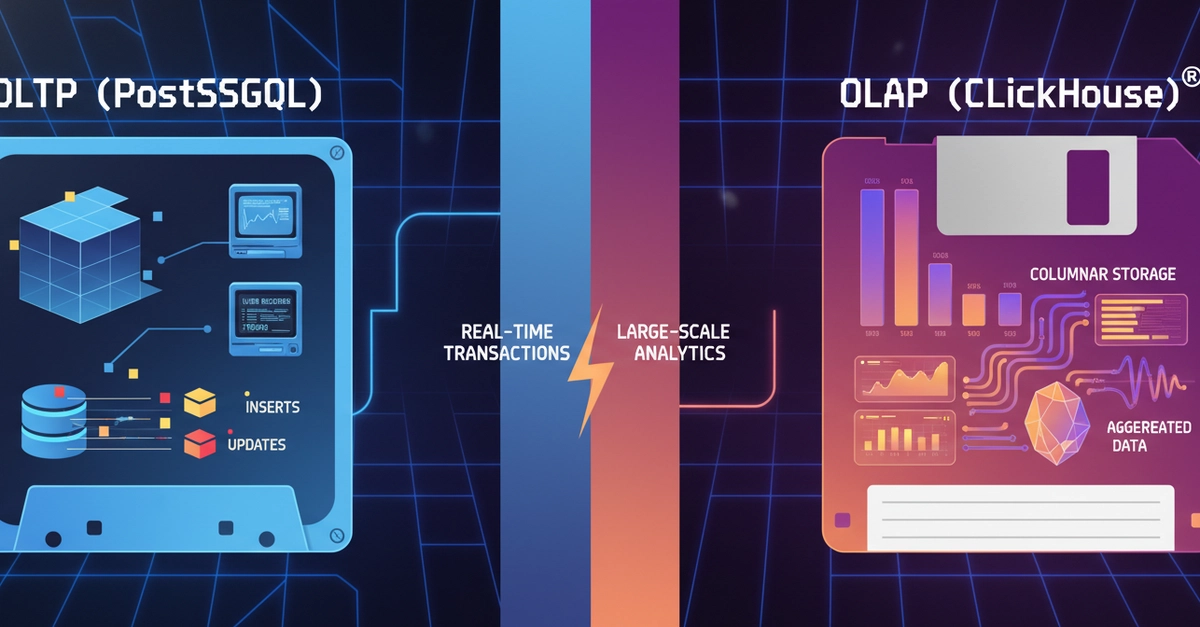
Modern OLAP databases like ClickHouse now handle star schemas and complex cross-table joins at massive scale. That gives data engineering teams a real choice: flatten data into one big table when the workload calls for it, or keep a normalized fact and dimension model when flexibility, storage efficiency, or update patterns matter more. Both are valid, and the right answer depends on your use case.
This guide gives you a practical framework for evaluating modern join capabilities, performance limits, and operational tradeoffs.
The old rule that real-time analytics requires aggressive denormalization? It's obsolete in 2026. Vectorized query execution, memory-efficient join algorithms, and automatic query optimization have eliminated this constraint. You don't have to sacrifice schema flexibility for query speed anymore.
TL;DR
Modern real-time OLAP databases can run star schemas with fast cross-table joins in 2026. You don't always need "one big table."