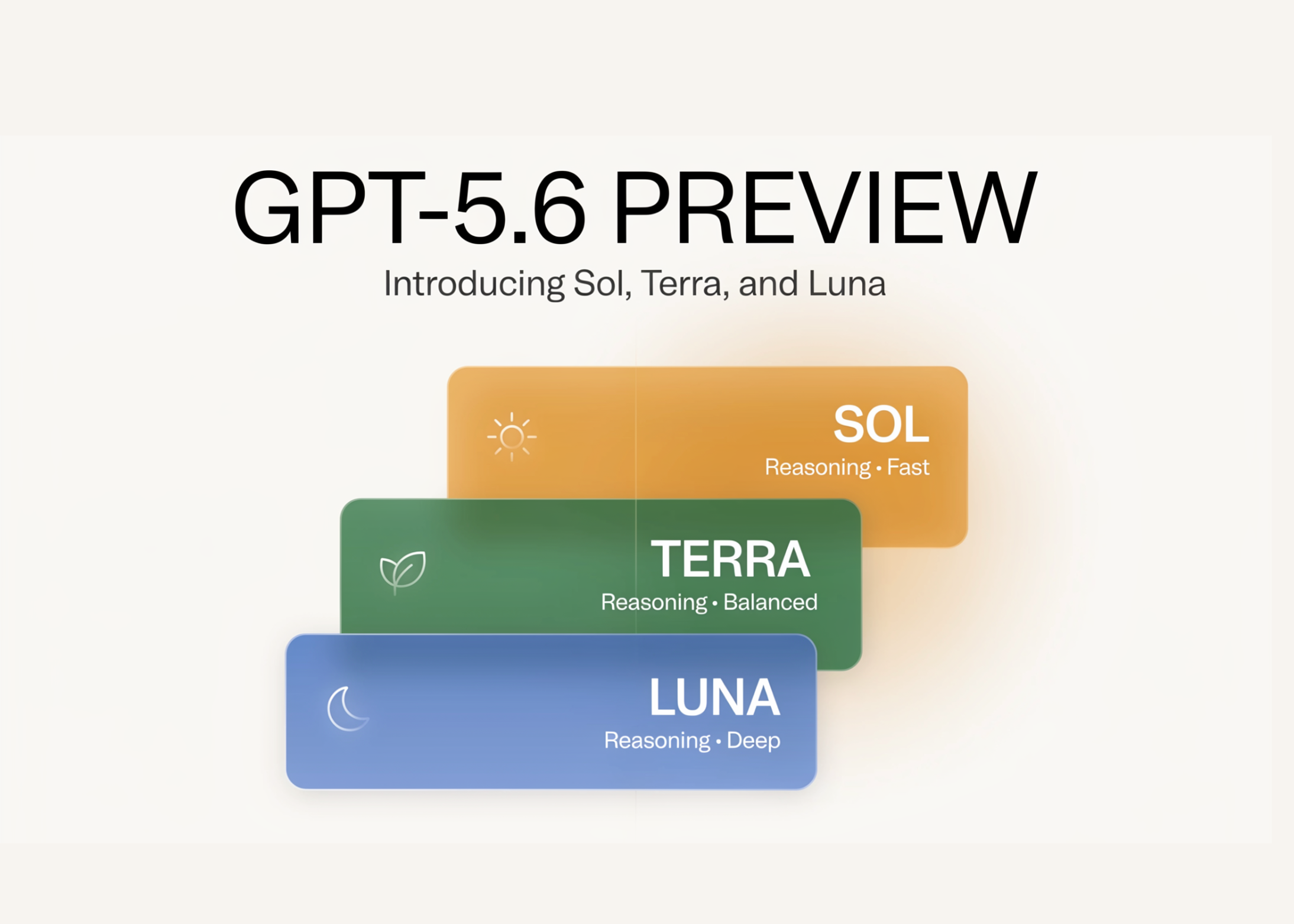
OpenAI has overhauled how it names its AI models, swapping out a messy system of suffixes and sub-variants for something that actually makes sense at a glance. The new convention debuted on June 26, 2026, with the preview of GPT-5.6 Sol, and it signals a deliberate attempt to make model selection feel less like reading a pharmaceutical ingredient list.
The core idea is straightforward: generation number first, capability tier second. GPT-5.6 Sol tells you the model generation (5.6) and its performance profile (Sol) in one clean sequence.
What the new tiers actually mean
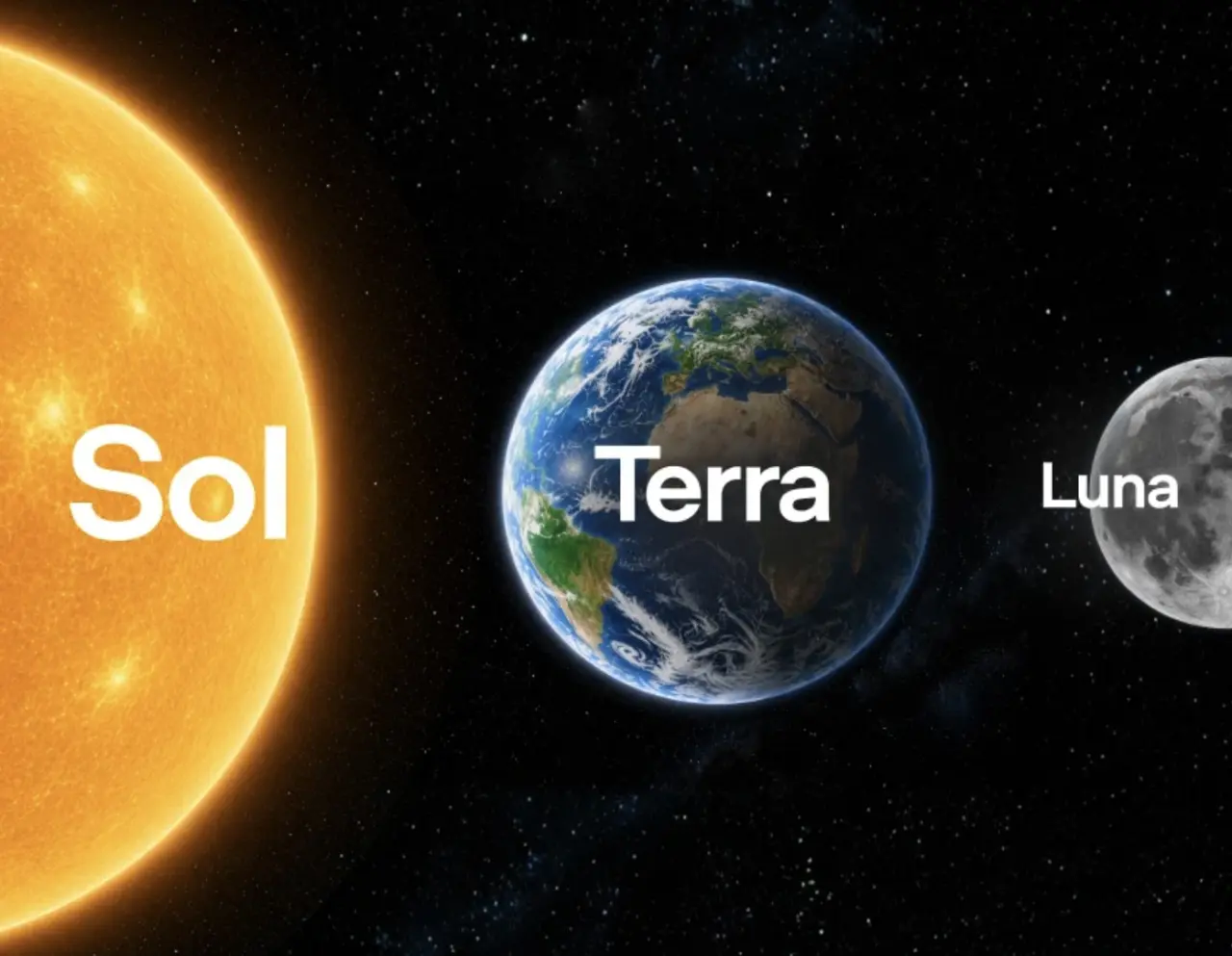
The tier names, Sol, Terra, and Luna, are not arbitrary branding. Each label corresponds to a distinct profile of intelligence, processing speed, and cost that can evolve independently from the underlying generation number. In English: you could have a future GPT-5.8 Sol that is smarter than today’s GPT-5.6 Sol, while the Sol tier itself still represents the high-capability end of the spectrum regardless of what the generation number says.
Terra and Luna presumably occupy the middle and lower ends of the performance and cost spectrum, respectively, though the specifics of each tier’s benchmarks were not disclosed in the announcement.