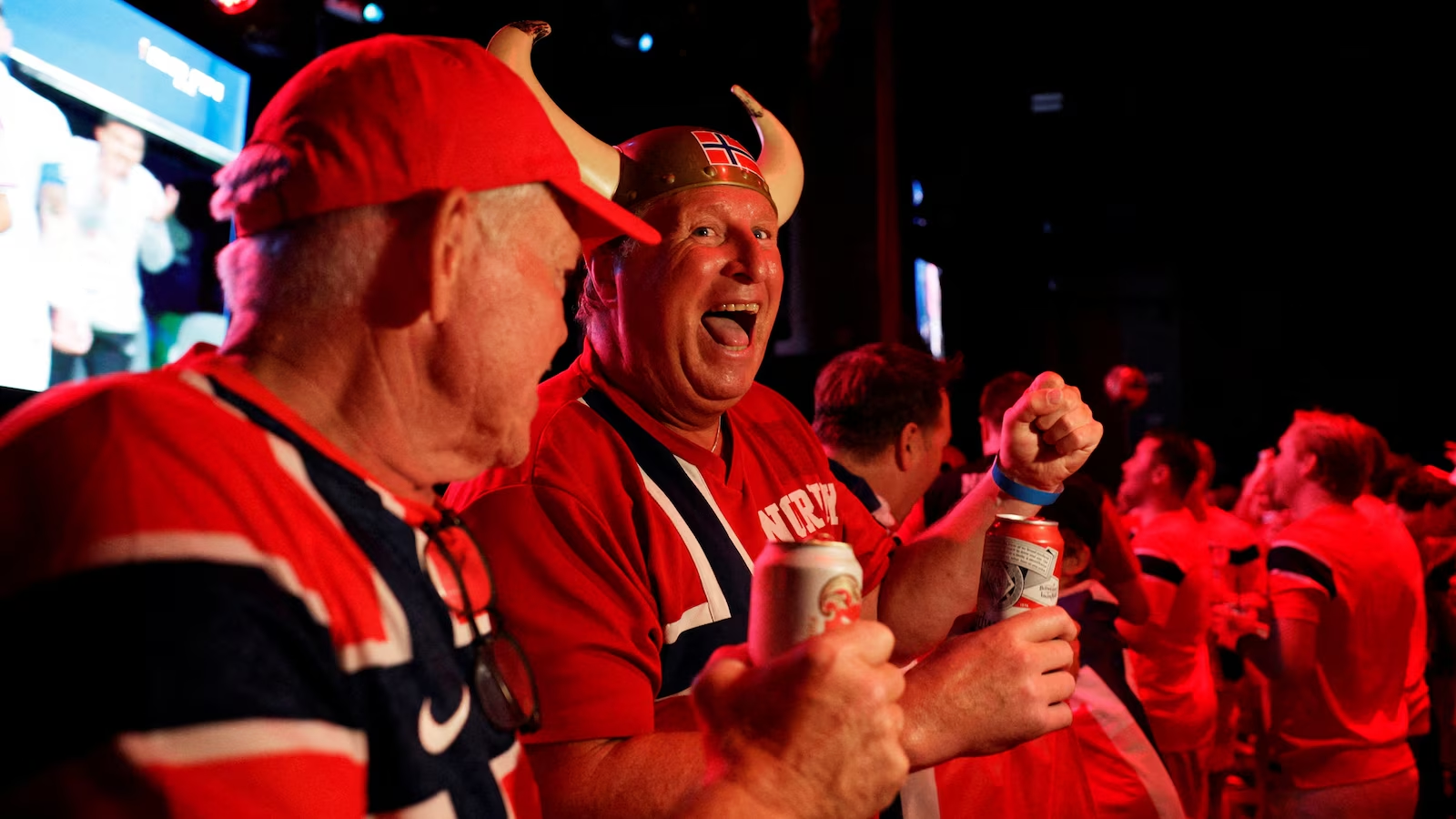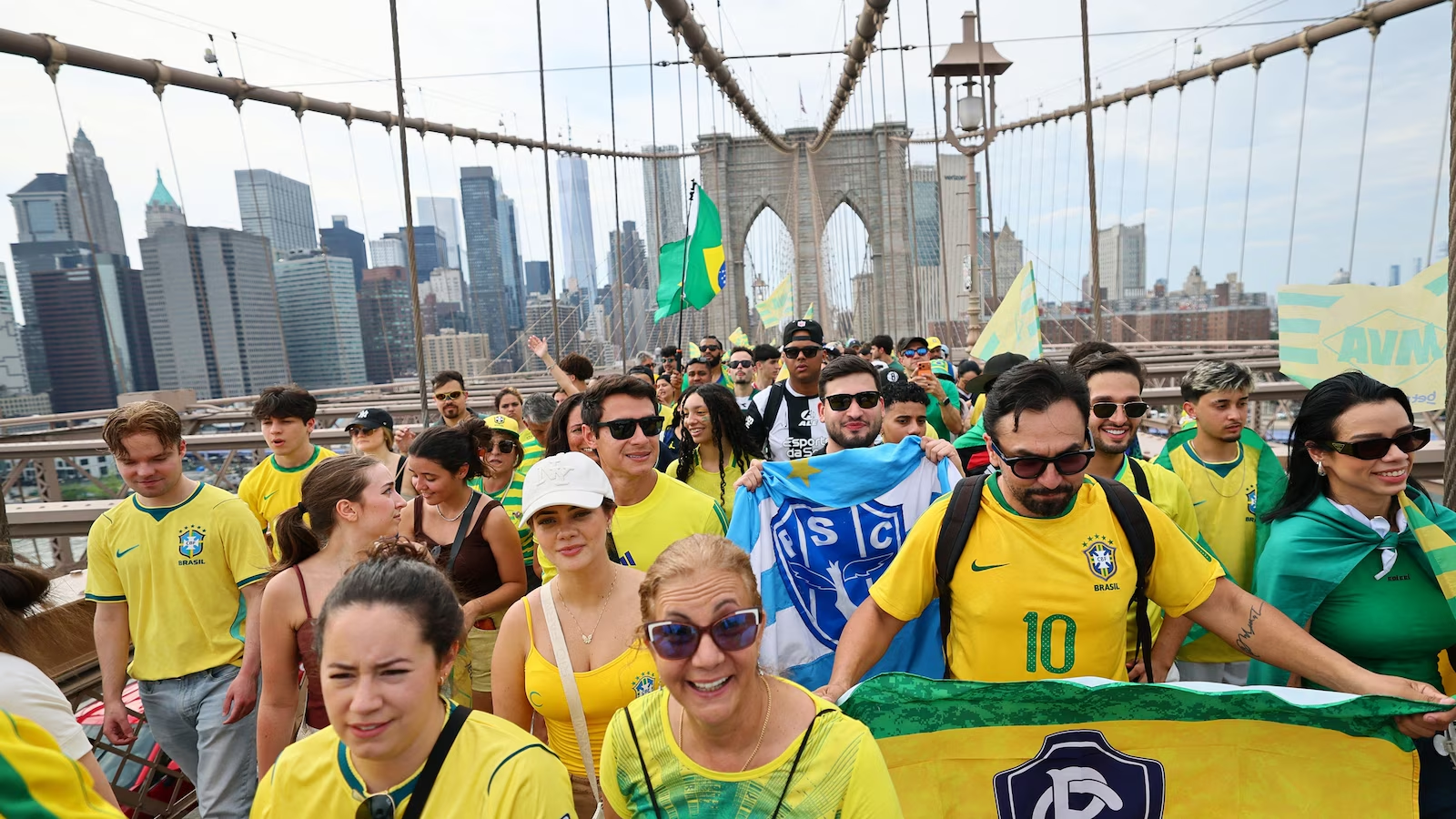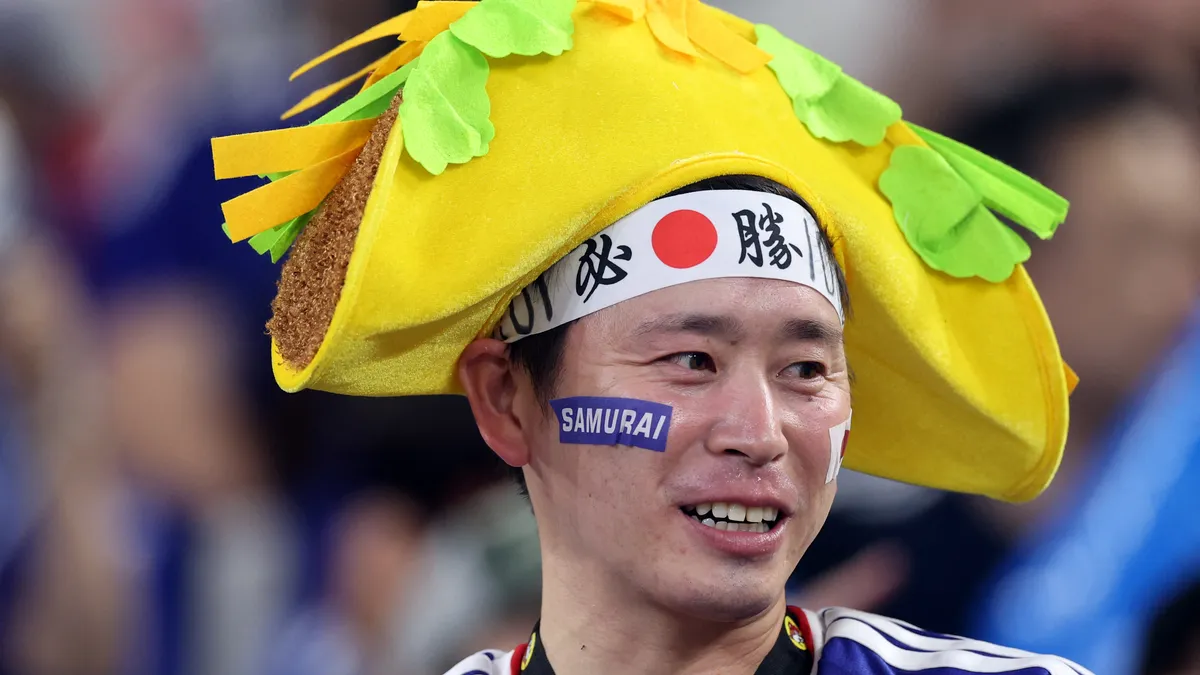
Visitors from abroad are posting about Target and Taco Bell — reminding a divided nation of the little things that make it greatShow Caption
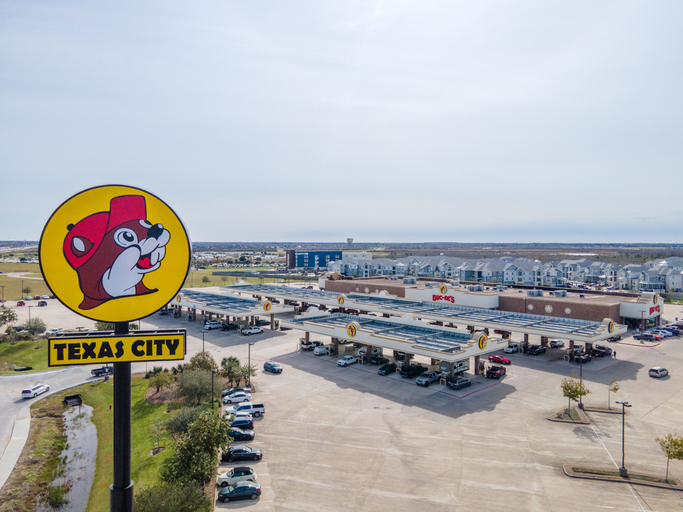
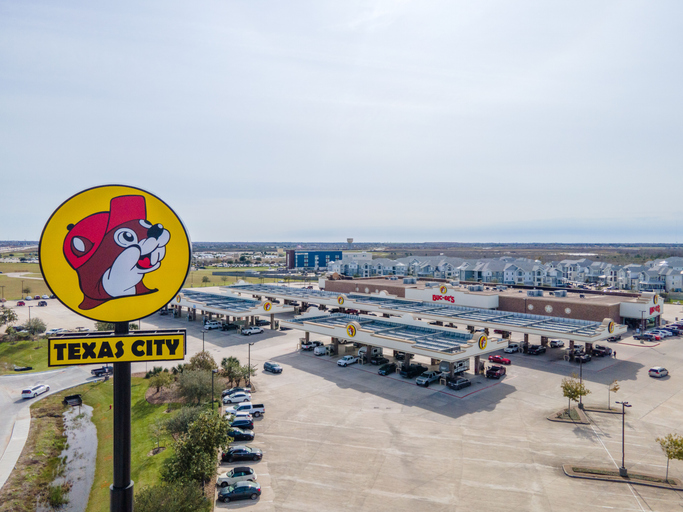
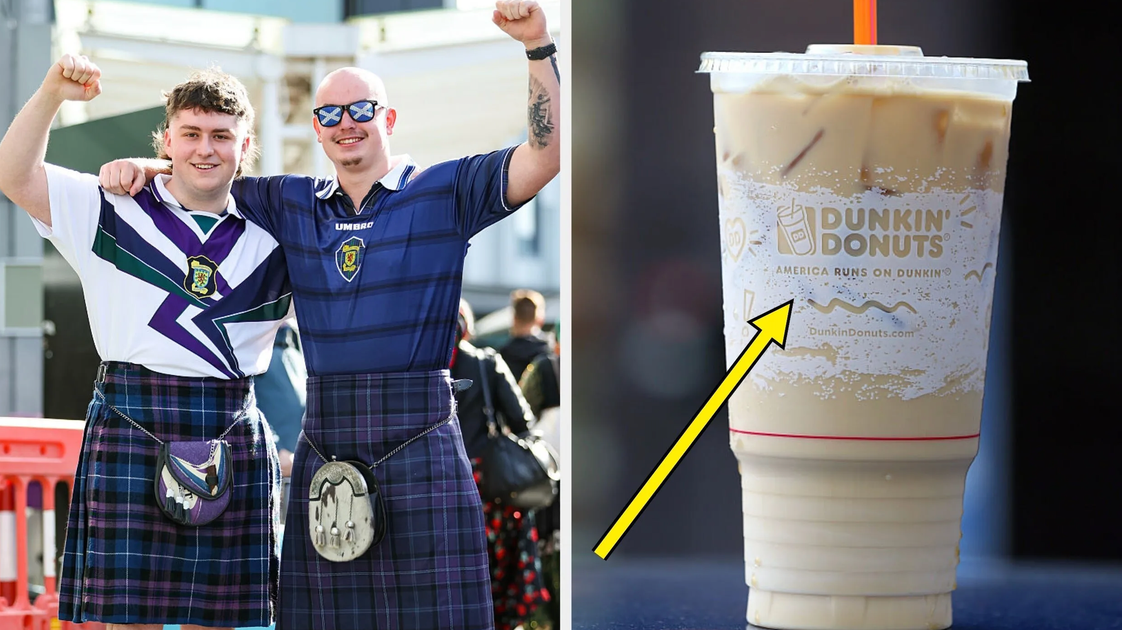
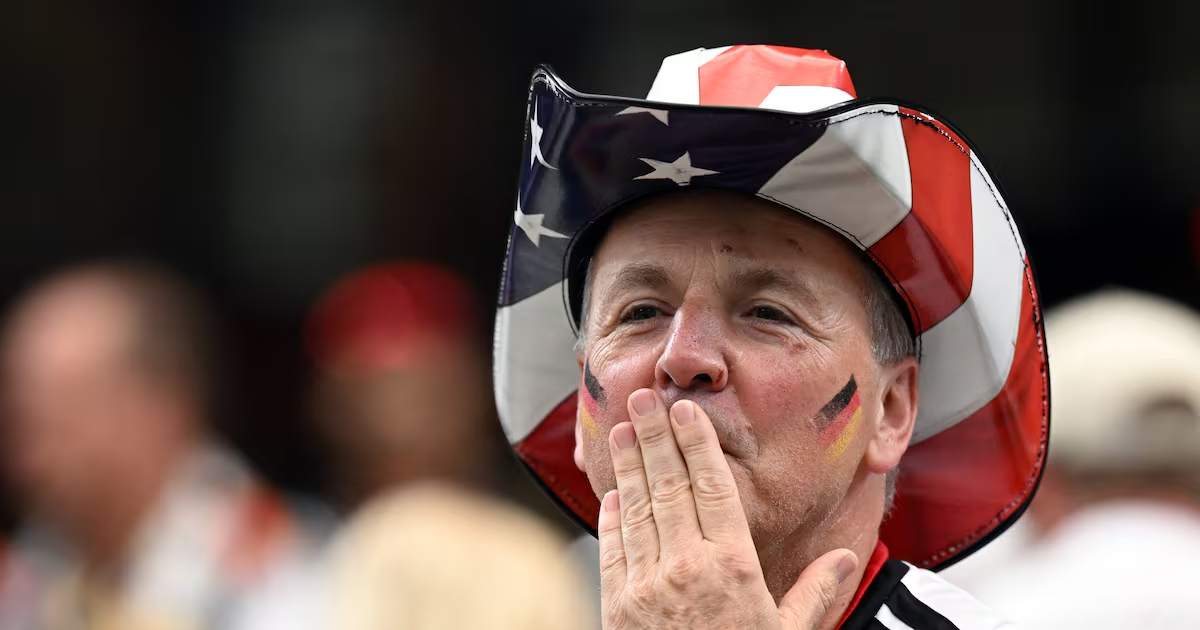
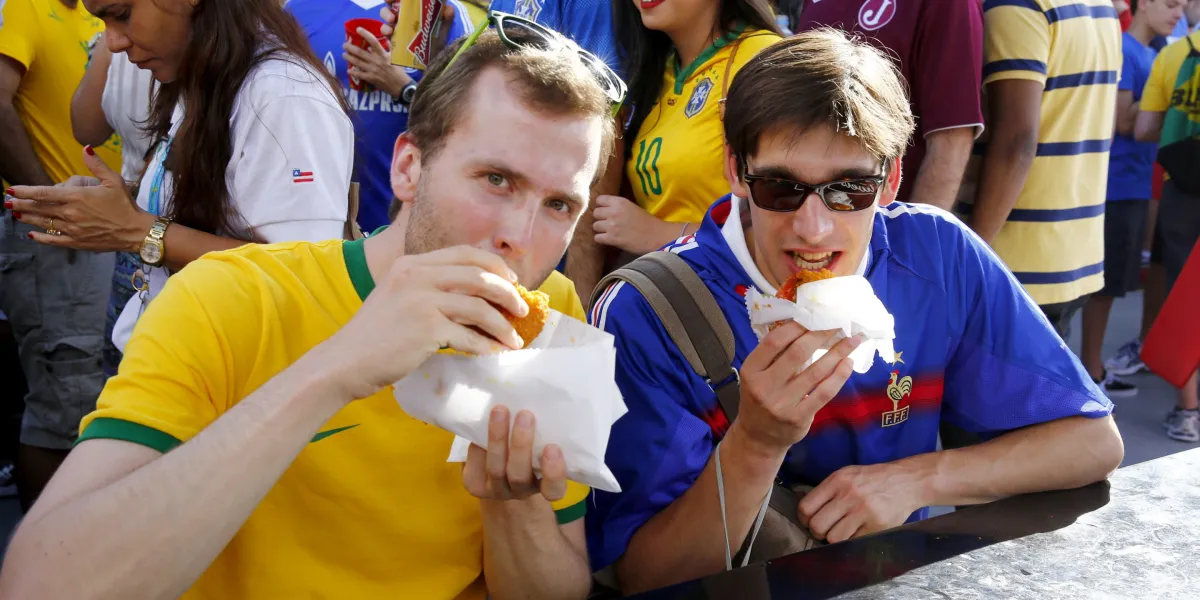
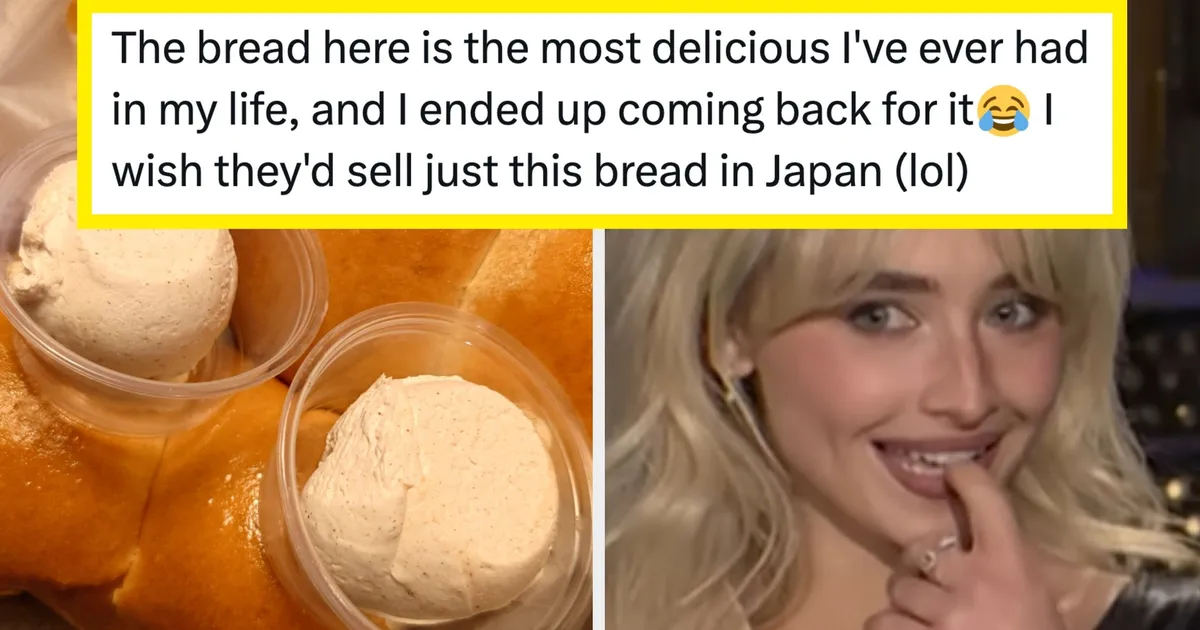
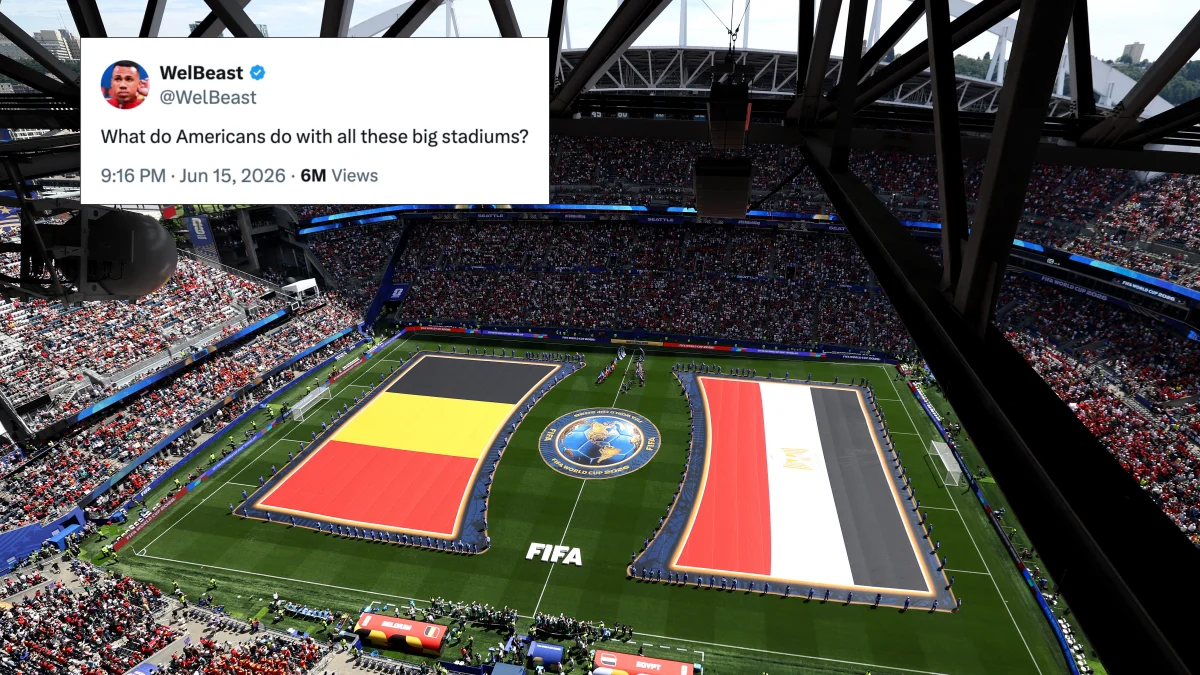
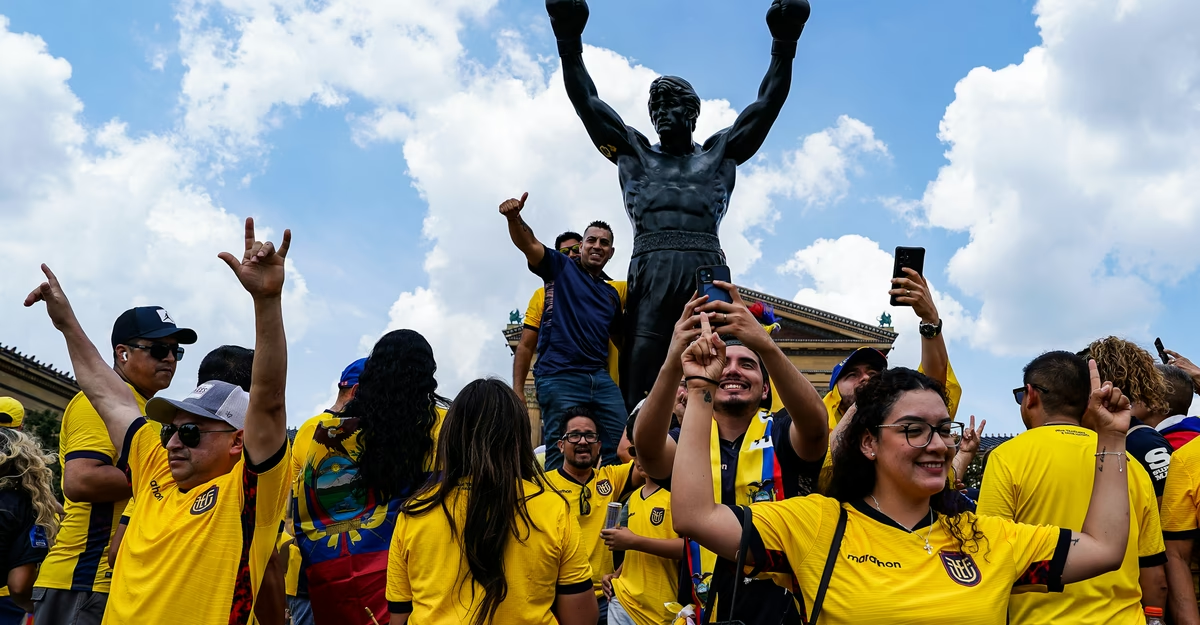
When’s the last time you were awestruck by a Crunchwrap Supreme?As Americans, there are many things we likely take for granted: Taco Bell, Target runs, air conditioning, yellow school buses. But with the U.S. co-hosting the FIFA World Cup, international tourists have been posting videos of themselves marveling at everyday minutiae, whether it’s Texas barbecue or no-fuss hospitality.The endearingly wholesome (and frequently funny) phenomenon is a welcome balm in divisive times. U.S. tourism has plummeted in recent years, with some foreigners expressing fears over gun violence, LGBTQ discrimination, or detention by immigration officers. But with the World Cup, global soccer fans are discovering a side of America that typically doesn’t make the headlines.“International media often focuses on political conflict and controversy,” says Dr. Rachel J.C. Fu, chair and professor of the department of tourism, hospitality and event management at the University of Florida.Instead, "visitors are encountering something different when they arrive,” Fu adds. “They are meeting ordinary Americans: restaurant servers, hotel employees, retail workers and complete strangers who hold doors open, offer directions or initiate conversations. Those daily interactions often leave a stronger impression than political narratives."How the World Cup is making people feel 'better about America'Leading up to the games’ June 11 kickoff, much ink was spilled about whether Americans’ excitement had dimmed around the World Cup. President Donald Trump’s approval rating hit an all-time low as issues like inflation and the Iran War have repelled many on both sides of the aisle.But no matter where you stand, these viral videos have given folks a chance to step back and take pride in homegrown American pleasures like Waffle House and McDonald’s.“Those are not high-end places – they’re accessible to lots of Americans, so in a sense, that feels unified,” says Douglas Hartmann, a professor of sociology at the University of Minnesota. Right now, for those opposed to the administration, “there’s a kind of ambivalence or sadness about not being able to celebrate the country, especially with the 4th of July and the 250th anniversary. But seeing how people from other parts of the world are celebrating American culture, it’s giving a lot of Americans permission to be patriotic.”The World Cup puts a microscope on any host nation during the month-long event. In 2014, Brazil made global headlines for mass protests over the government pouring billions of dollars into building stadiums while seemingly pulling back on essential public services. The 2018 games in Russia similarly came under fire for accusations of bribery and exploiting workers.This summer’s World Cup has so far ruffled feathers stateside over extreme ticket prices and visa concerns. And yet, the endless stream of upbeat posts from foreigners has gone a long way in reframing the bigger picture.“They’re making people feel a bit better about America,” says Joel Penney, an associate professor at Montclair State University with a focus in cultural studies and political communication. “But it’s also quite apolitical: It really isn’t about, ‘Oh, look at the United States! It’s being run well or it’s not being run well!’ It’s really just about these iconic things from American consumer culture.”The vibe may shift if President Trump gets involvedFu suspects that all this free publicity could actually be a boon for American tourism in months and years to come."Tourism is influenced by perception, and perception is increasingly shaped by peer-to-peer content rather than traditional advertising campaigns," Fu says. "When travelers see authentic videos from fellow visitors expressing surprise and admiration, those messages often carry greater credibility than official tourism marketing. The World Cup provides something valuable: millions of authentic ambassadors."Trump is set to attend the World Cup final July 19 and present the trophy to the winners. But Hartmann cautions that could tarnish the feel-good vibes on social media, should his administration try to leverage all the goodwill to push a particular narrative.Right now, “this is something to celebrate about American culture that’s separate from Trump,” Hartmann says. “But if politics were to get involved, it would likely make it less fun. If Trump weighs in and wants to take credit for it, or starts thumping his chest about why we’re really the greatest nation in the world and ‘screw the rest of you’ – that could happen, and it would undercut any international sympathy and support that we've been building with these initial few weeks of fun and joy around the games.“It’s a weird dynamic,” Hartmann continues. “Americans have been very divided, and we almost need other people – especially Europeans – to tell us that we’re not so bad. It reminds me of Sally Field’s Oscar speech when she said, ‘You like me!’ That’s how Americans are acting: ‘Oh, you really like us?’ ”