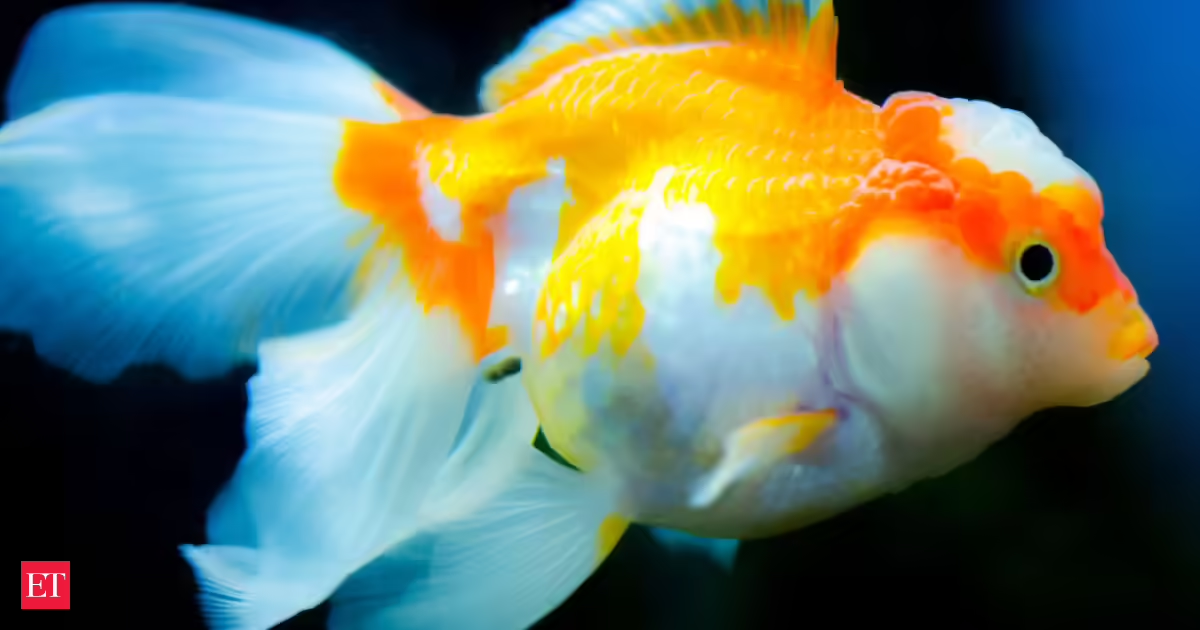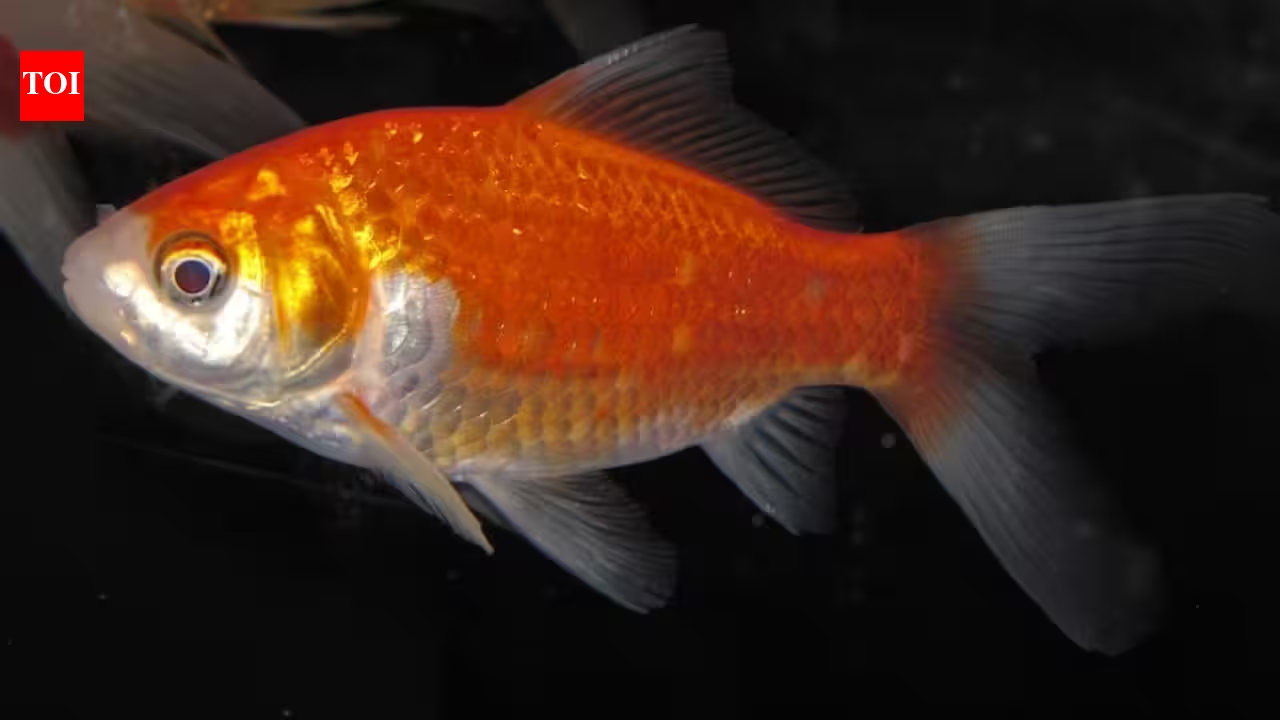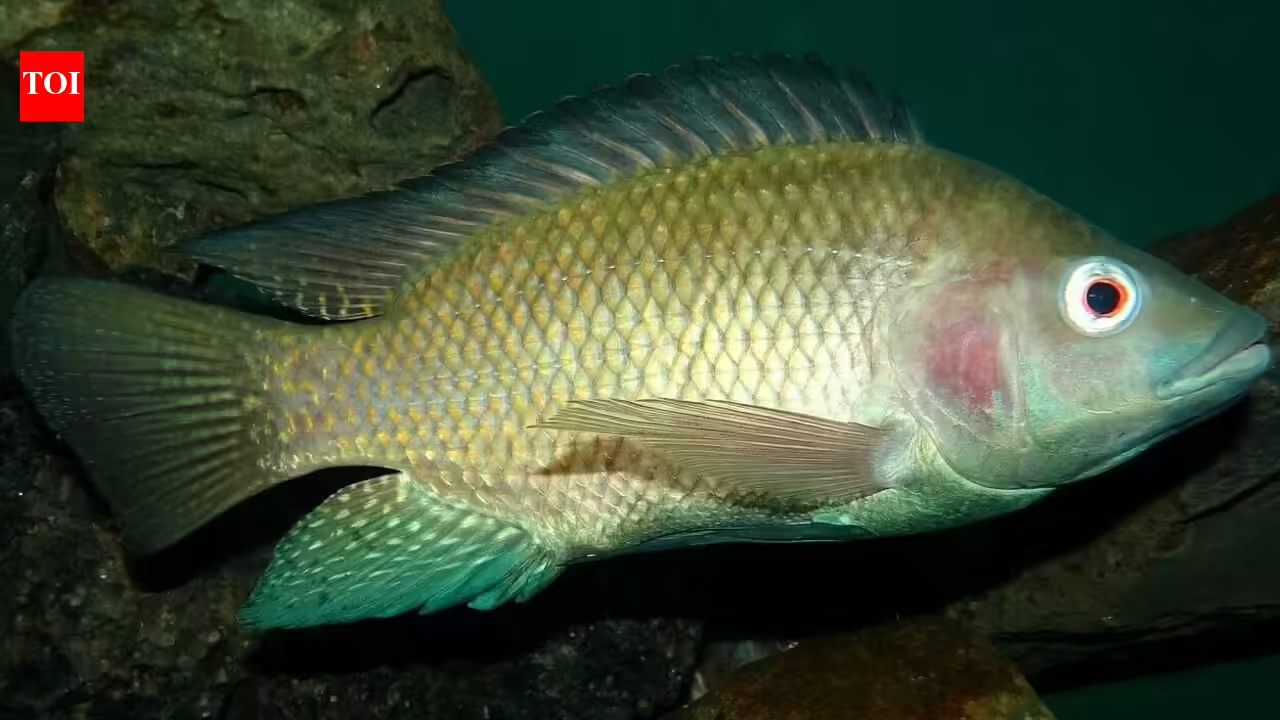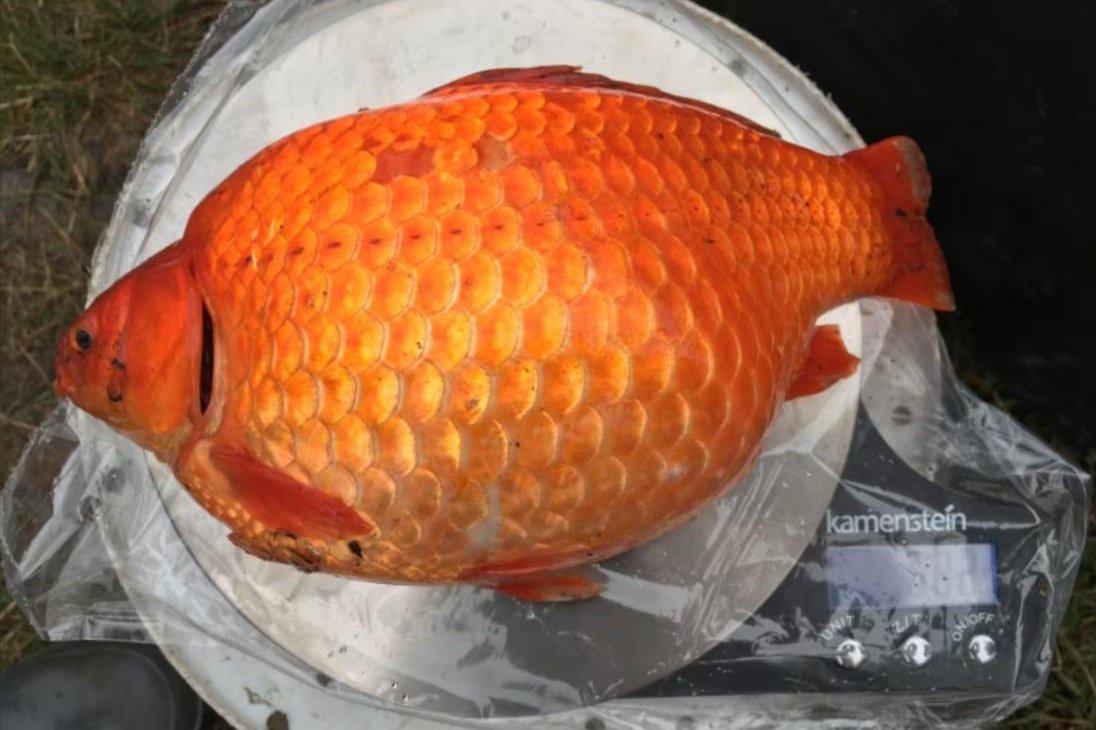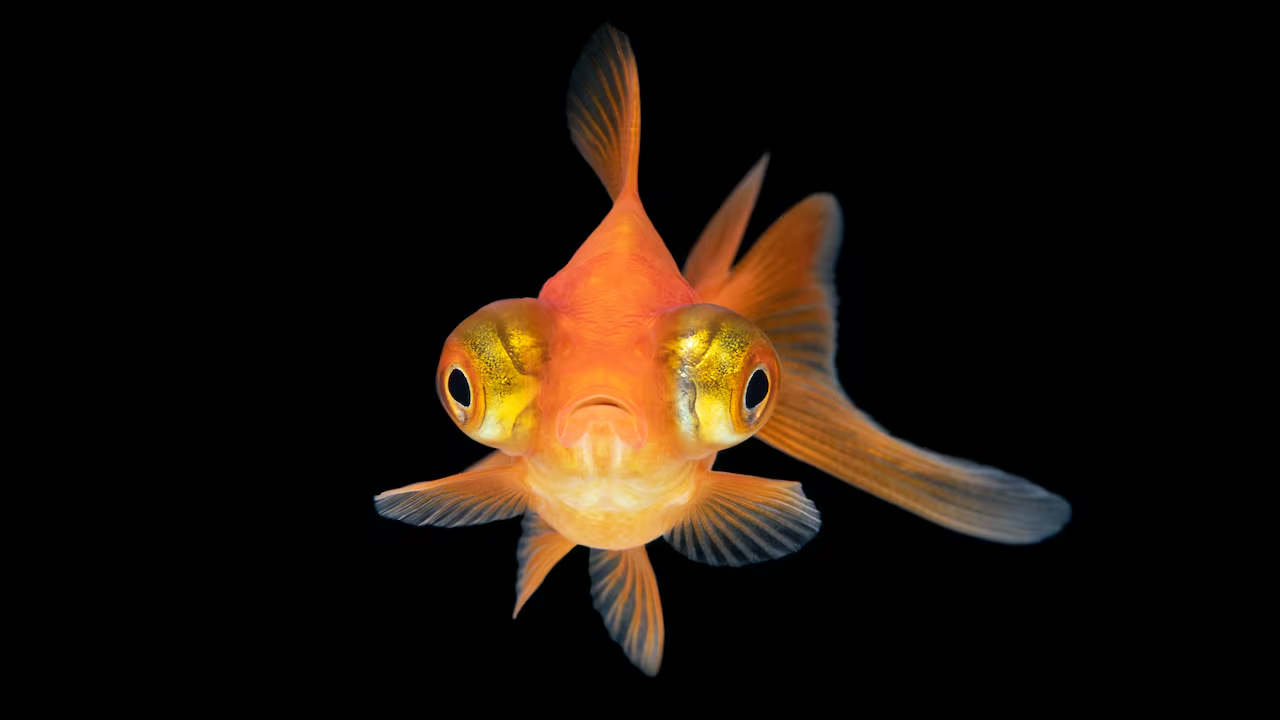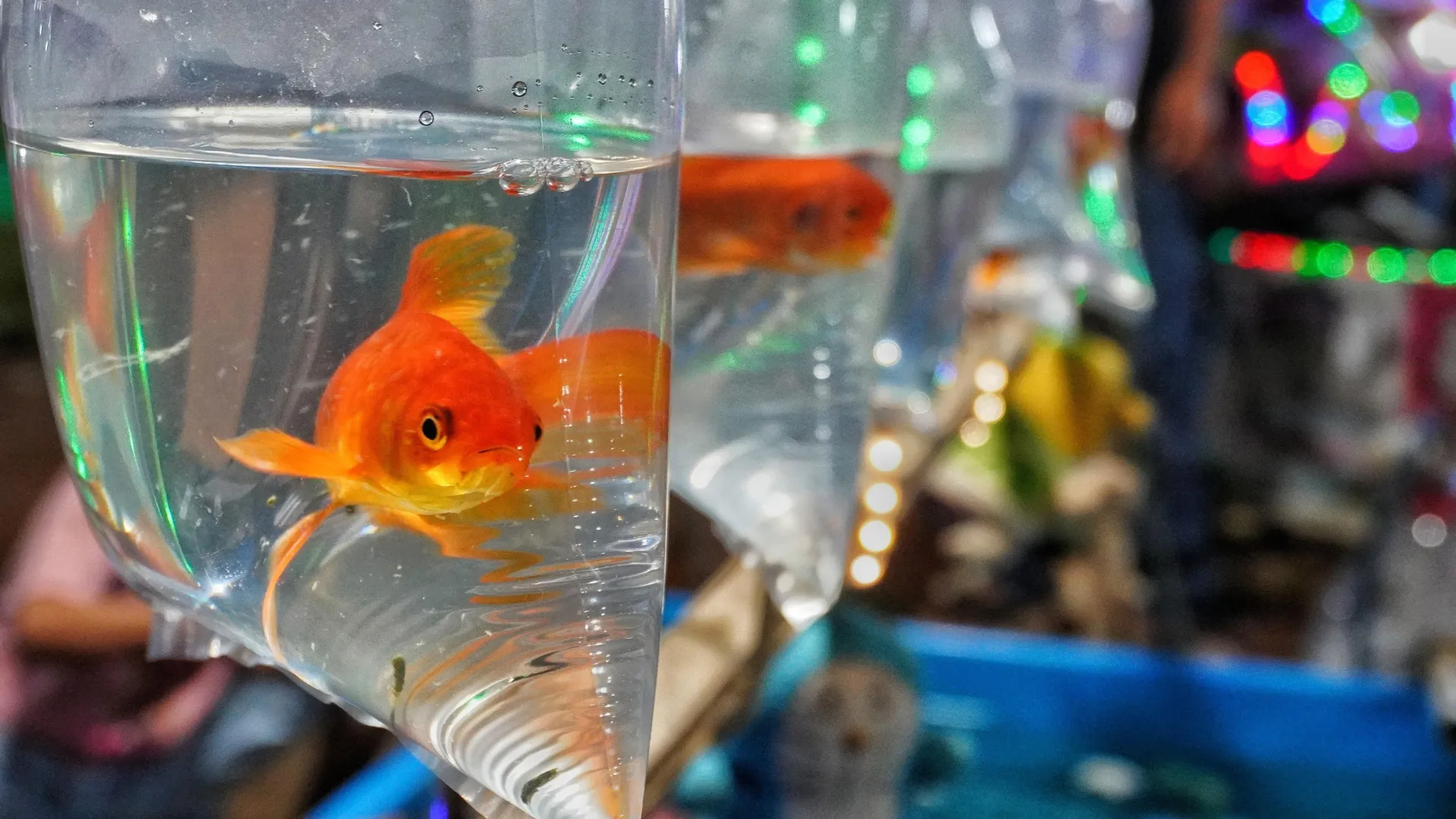
A new peer reviewed study from researchers at The University of Toledo and the University of Missouri has found that goldfish can have major impacts on freshwater ecosystems when they are released or escape into the wild.
Published in the Journal of Animal Ecology, the research provides some of the strongest experimental evidence to date that invasive goldfish can dramatically alter lake environments. The findings carry an important warning for pet owners, natural resource managers, and policymakers: while goldfish are common household pets, they can become a significant ecological threat outside the aquarium.
"It is critically important to inform the public that their pets can become pests that will harm freshwater ecosystems. The evidence is now clear -- releasing a goldfish into the wild might be seen as an act of kindness, but it can turn into a major ecological threat," said the study's lead investigator, Dr. William Hintz, associate professor in UToledo's Department of Environmental Sciences and Lake Erie Center.
Goldfish Trigger Major Changes in Lake Ecosystems
The study, titled "Invasive goldfish trigger a regime shift in experimental lake ecosystems of varying trophic state," used large outdoor freshwater mesocosms designed to mimic real world lake conditions. Researchers introduced goldfish (Carassius auratus) into experimental ecosystems and monitored how they affected different types of lakes over time.