AFP, IBADAN, Nigeria
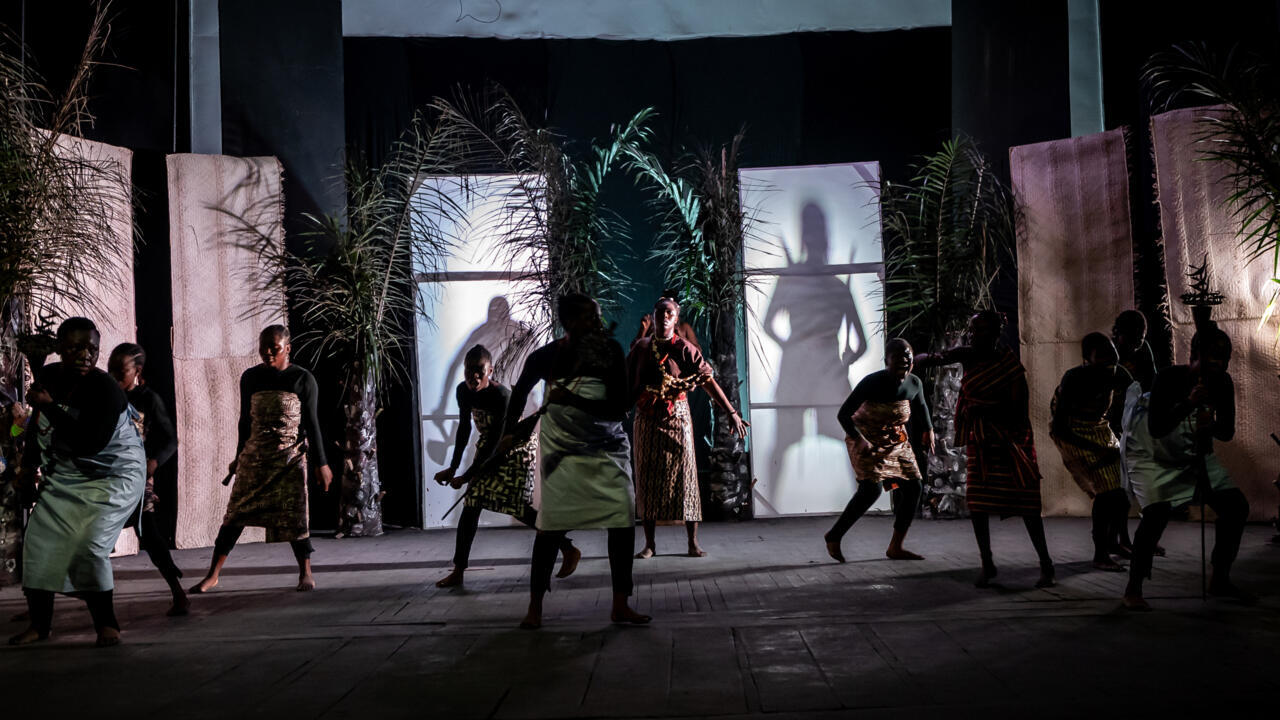
The actors, seasoned veterans as well as young amateurs, go through their lines and movements one last time before the curtain rises at the Wole Soyinka Theatre at the University of Ibadan, in southwest Nigeria.Adebayo Israel was always passionate about theater, “but this is where I gained my confidence on stage,” the 21-year-old student said, warming up his voice ahead of that night’s production of **Medaaye**.Israel is the latest in a long line of actors to make their way through the theater, which has become something of a proving ground for talent in the west African country.
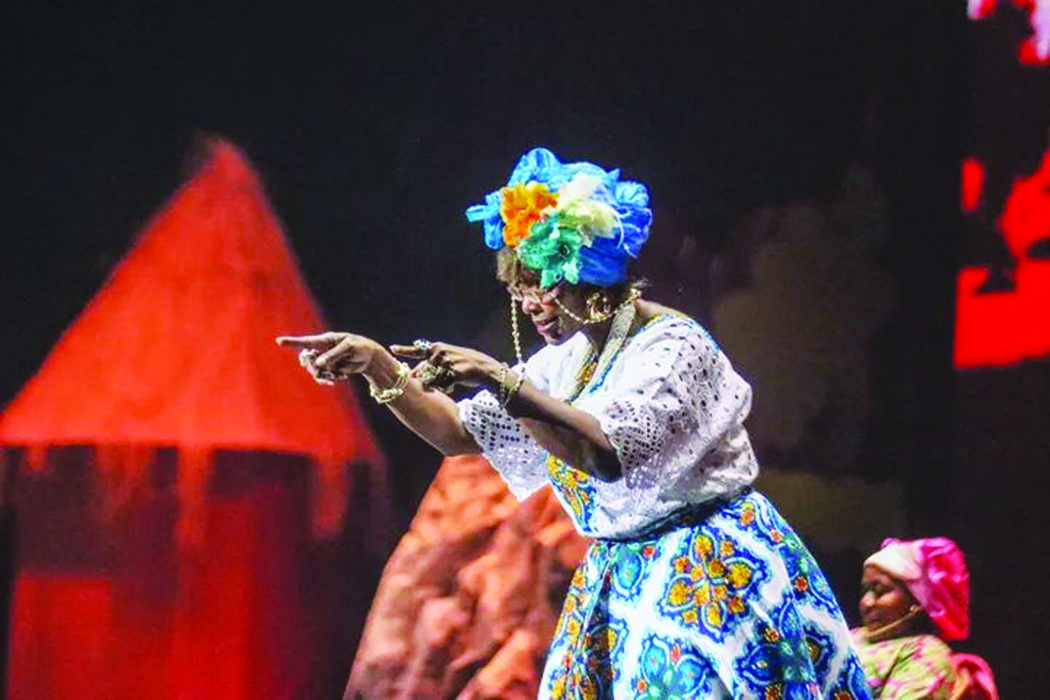
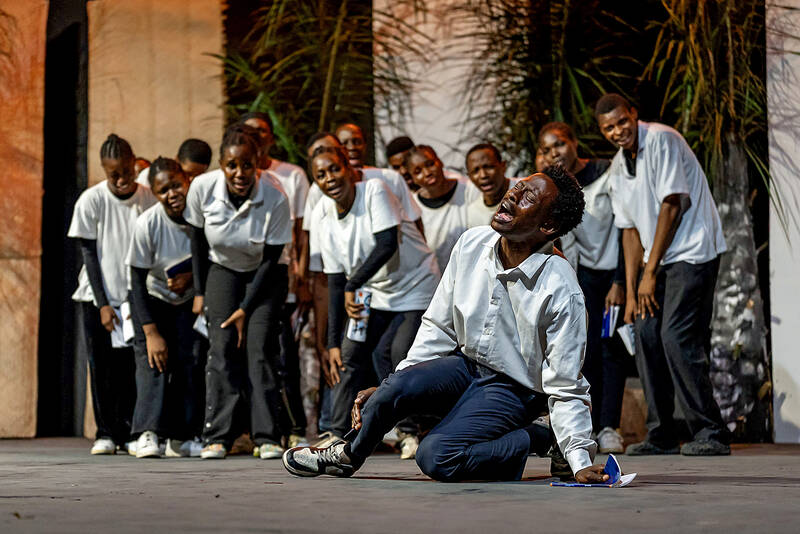
Actors perform the play Medaaye at the Wole Soyinka Theatre at the University of Ibadan in Nigeria on Friday last week.
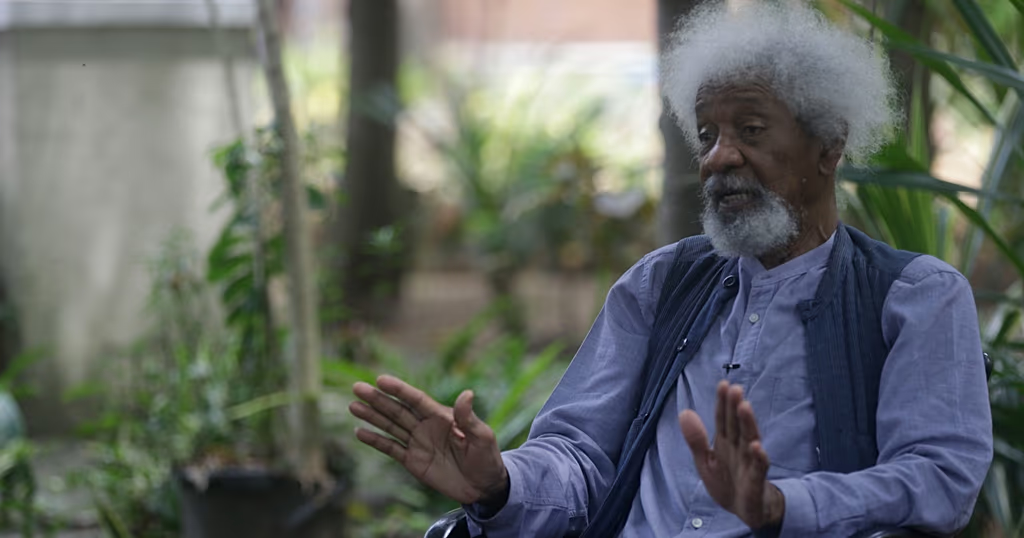
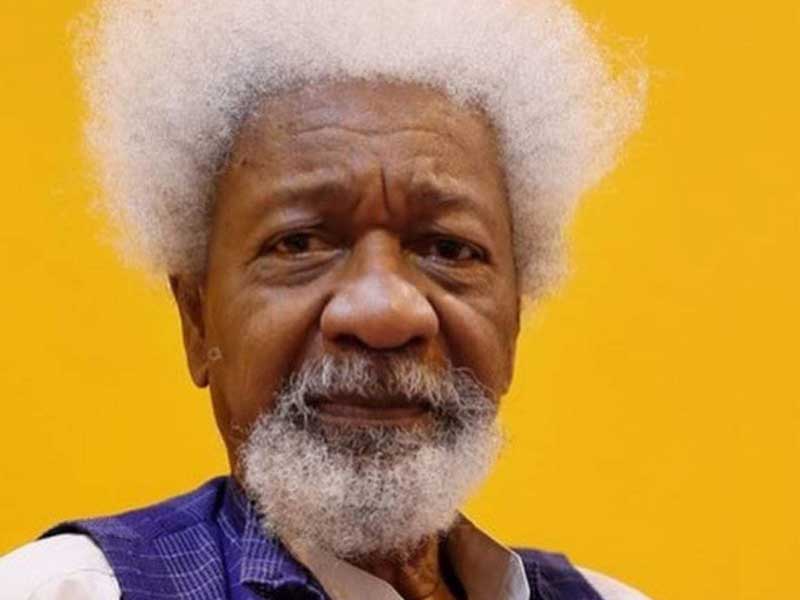
Named after former university student Wole Soyinka, the first African to be awarded the Nobel Prize in Literature, the theater continues to pump out talent seven decades after its 1955 founding.“This particular department, this university, has produced actors and academics to develop the departments of theater in every university in Nigeria,” instructor Tunde Awosanmi said.
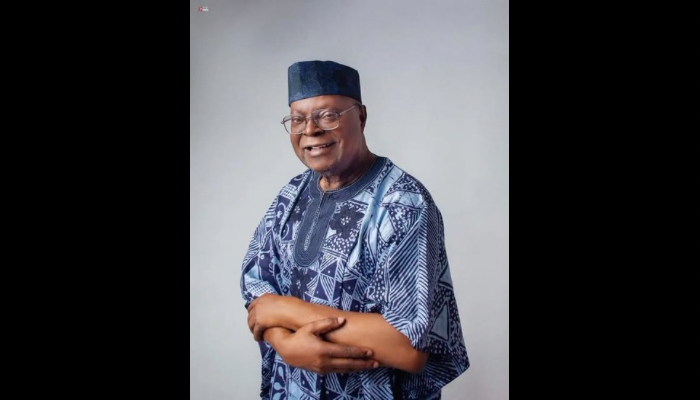
Awosanmi also served as the stage director for Medaaye, an African adaptation of the Greek tragedy Medea by Euripides.For two and a half hours on a recent evening, the dialogue alternated between English, Yoruba and Pidgin, punctuated by songs and traditional dancing, and accompanied by musicians seated among the public in the front row.In the audience was Medaaye playwright Femi Osofisan, the first African to receive the prestigious Thalia Prize in 2016.Osofisan, who was there for a week of events celebrating his 80th birthday, knows the venue well — he studied and taught at Ibadan’s theater department.Ibadan-trained talent has also been known to spill over into the country’s film industry. Alumni of the Ibadan stage include playwright and actor Akinwumi Isola, actress Martha Ehinome and actor Gabriel Afolayan.For actor and producer Iyanuoluwa Ajibike, the theater’s strength comes from its melting-pot atmosphere.“It’s a pool of talent because different people with different skills meet,” they said. “We have actors, directors, the costumers, the make-up artists, light technicians, choreographers, the sound designers.” While the theater has become a pillar of the city of Ibadan, it is also known to draw audiences from across the country and has helped boost the local arts scene.“The theater makes me feel even more alive,” said Ejirooghene Asagba, who found her footing at the Wole Soyinka Theatre before producing Water, writer Tobi Marho’s one-man show.Asagba has appeared in the 2024 film Funmilayo Ransome-Kuti, a biopic about the mother of famed Afrobeat artist Fela Kuti, as well as in the police series Crime and Justice Lagos.However, it was on the Wole Soyinka stage that she found particularly memorable roles in productions that dealt with a plethora of African stories beyond Nigeria.“It is important to tell Nigerian stories, but also African stories because we often share the same challenges, whether they are political, social, economic or cultural,” she said. “The audience loved these plays. Spectators came from neighboring French-speaking countries and I received many messages.”