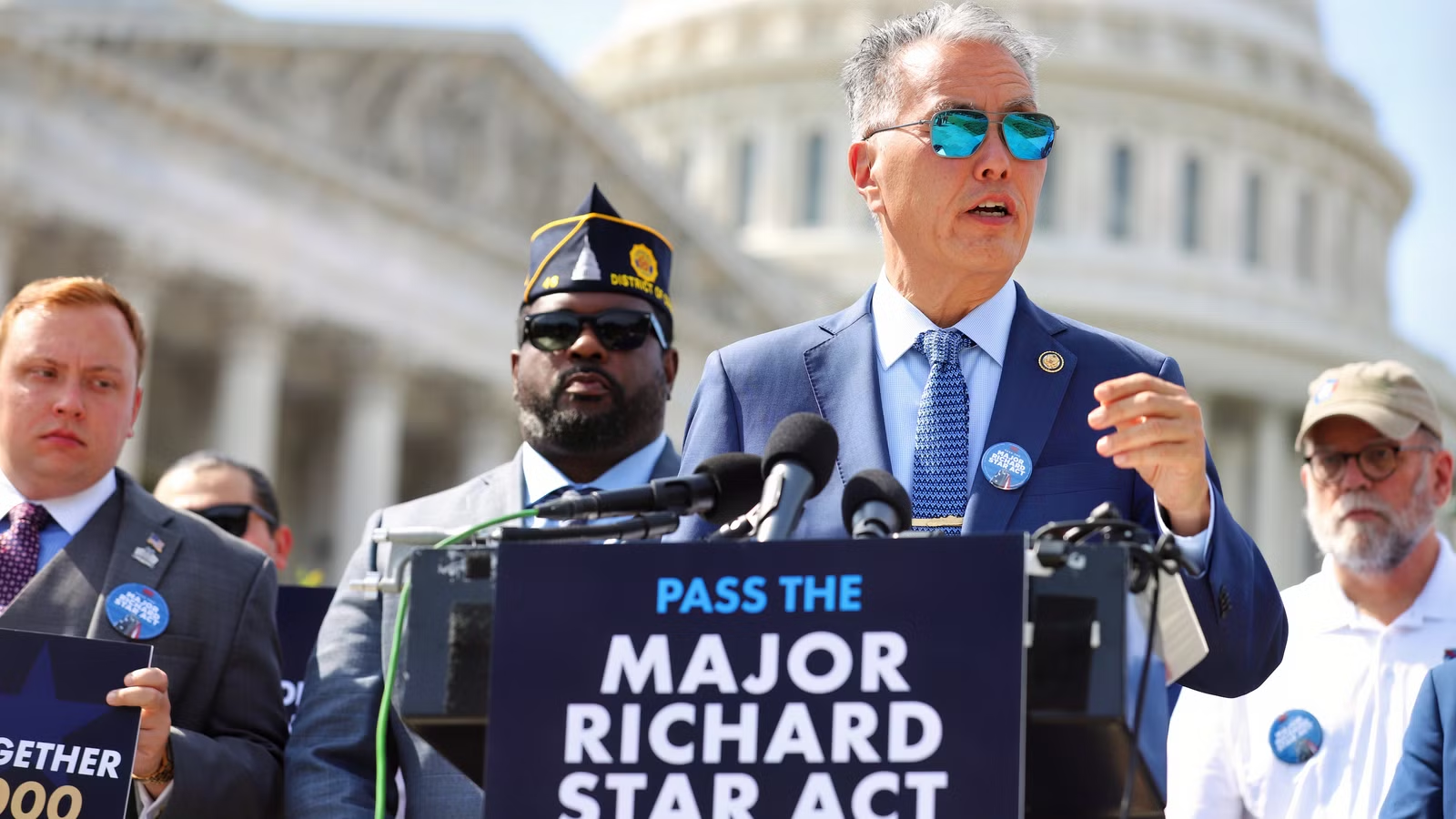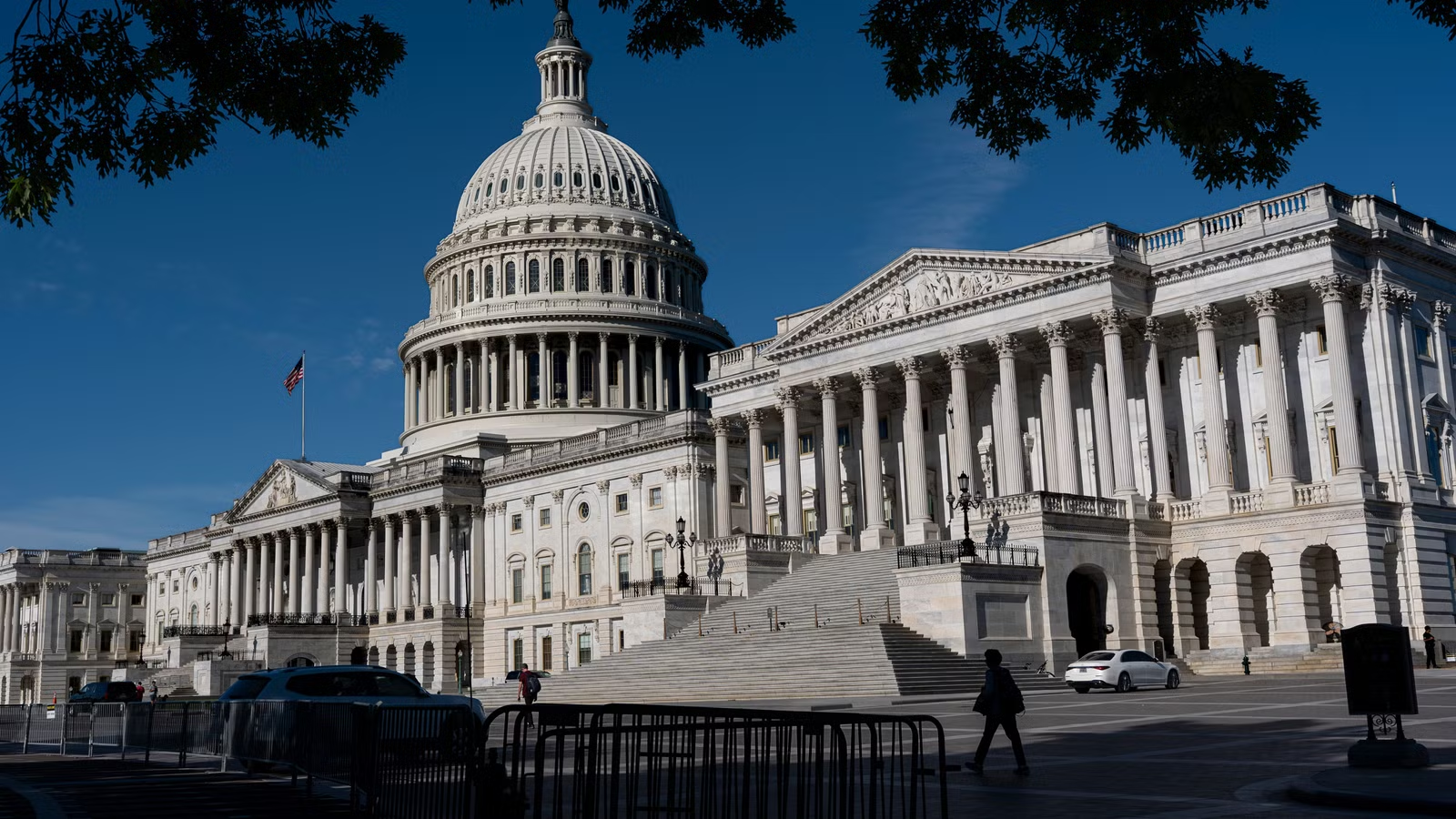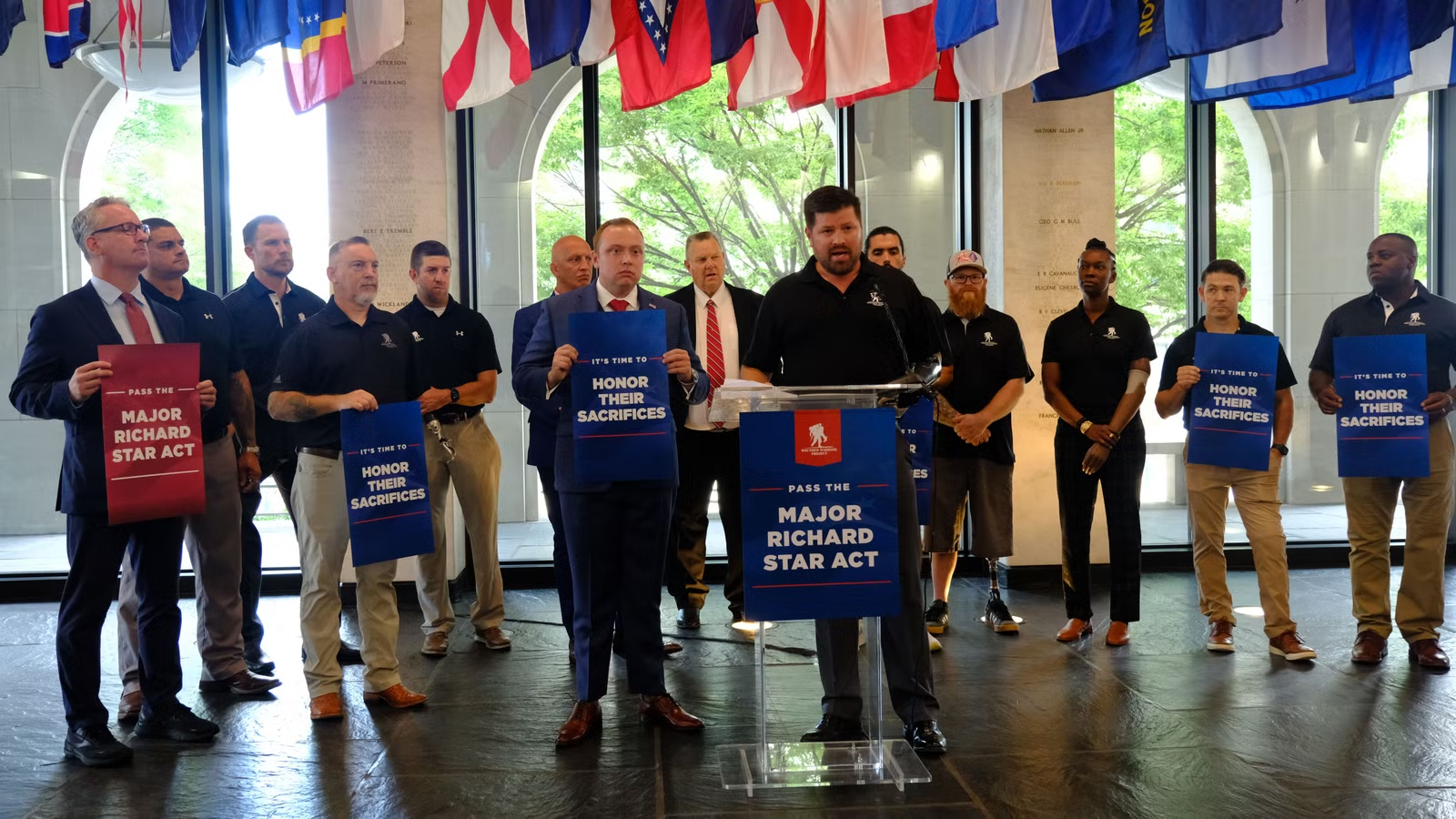
A Marine Corps veteran and other advocates are warning that sections contained within major proposed legislation "will cause significant harm" to veterans, students, survivors and families. The criticism is tied to the comprehensive yet somewhat controversial Take Care of America's Veterans Act (TCAVA) being deliberated in Congress, which has faced pushback correlated with budgeting, benefits, and purported negative repercussions on military service members with conditions including tinnitus and sleep apnea. The TCAVA introduced last week includes more than 60 veterans' bills, such as the Major Richard Star Act, the Love Lives On Act, caregiver reforms, VA modernization initiatives and combat-injured veteran expansions. "This is the wrong moment to weaken the GI Bill," Marine veteran William Hubbard said. "Veterans earned these benefits in uniform for themselves and their families. Congress should be strengthening quality safeguards and restoring benefits to veterans who were cheated—not opening new doors for predatory programs."
Marine veteran William Hubbard said, "This is the wrong moment to weaken the GI Bill." (Ana Cobian)
New concerns, as explained in a letter addressed to the chairs and ranking members of the U.S. House and Senate Committees on Veterans Affairs and shared with Military.com, urge caution based on proposals that supporters believe could weaken core protections for veterans while exposing billions of taxpayer dollars to greater risk. One gripe has to do with benefits associated with online education and trade careers; the other scrutinizes monthly housing allowance increases. Hubbard, who enlisted in 2006 and was recently promoted after hitting 20 years of service, also serves as vice president for Veterans & Military Policy at Veterans Education Success—a bipartisan nonprofit that aims to advance higher education opportunities for military-connected students while protecting the post-9/11 GI Bill from predatory practices and abuse.