Published Jun 23, 2026, 12:34 PM EDT
Critics claim that the Take Care of America's Veterans Act shifts a cost burden on future military veterans.
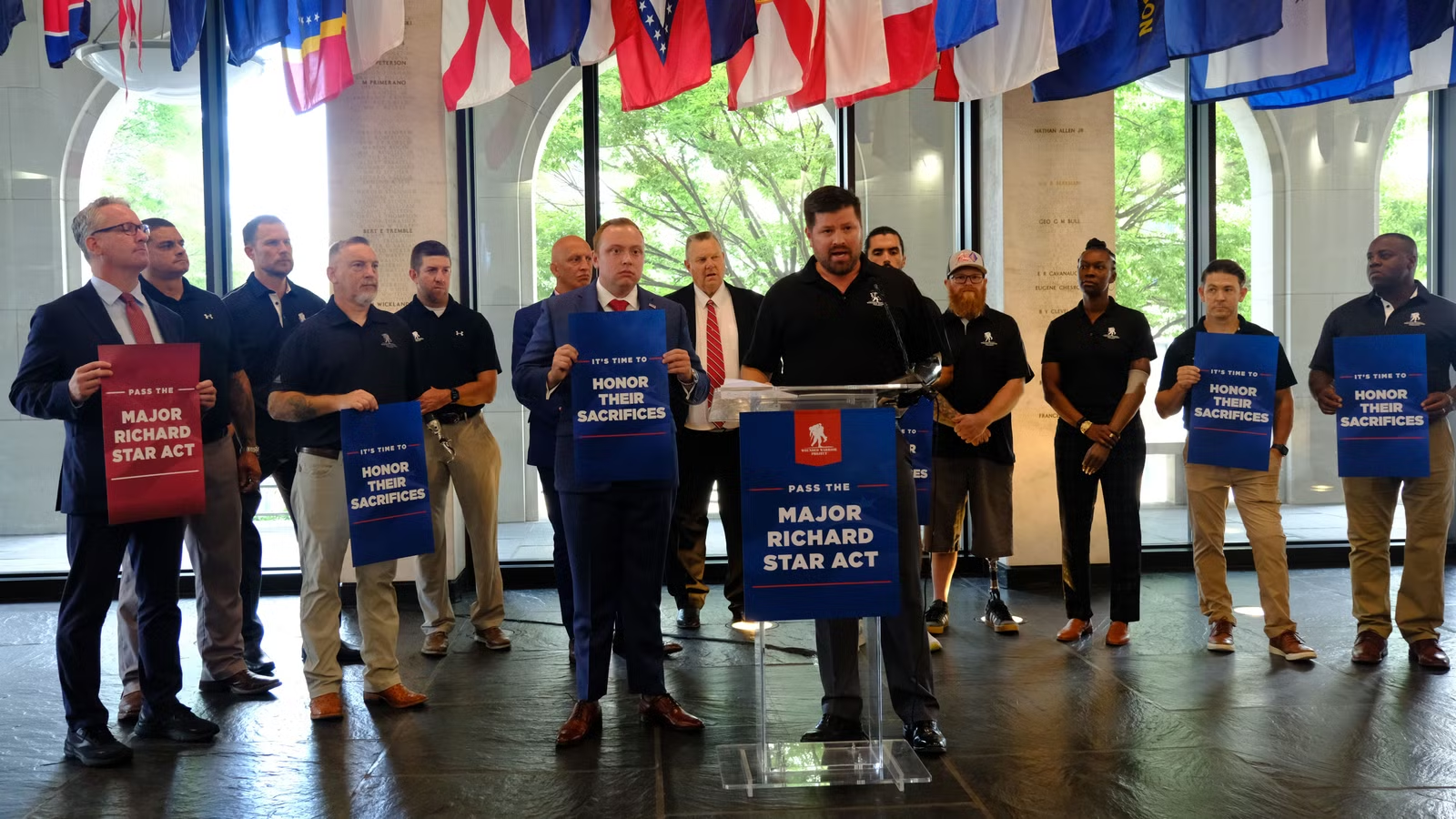
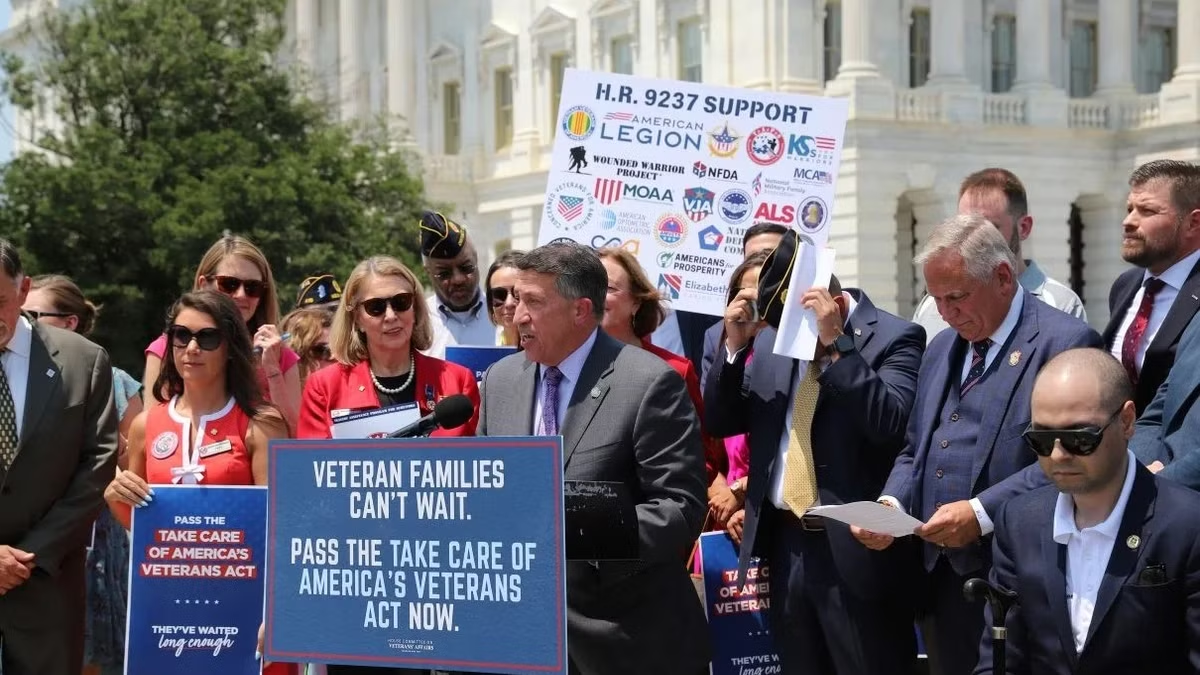
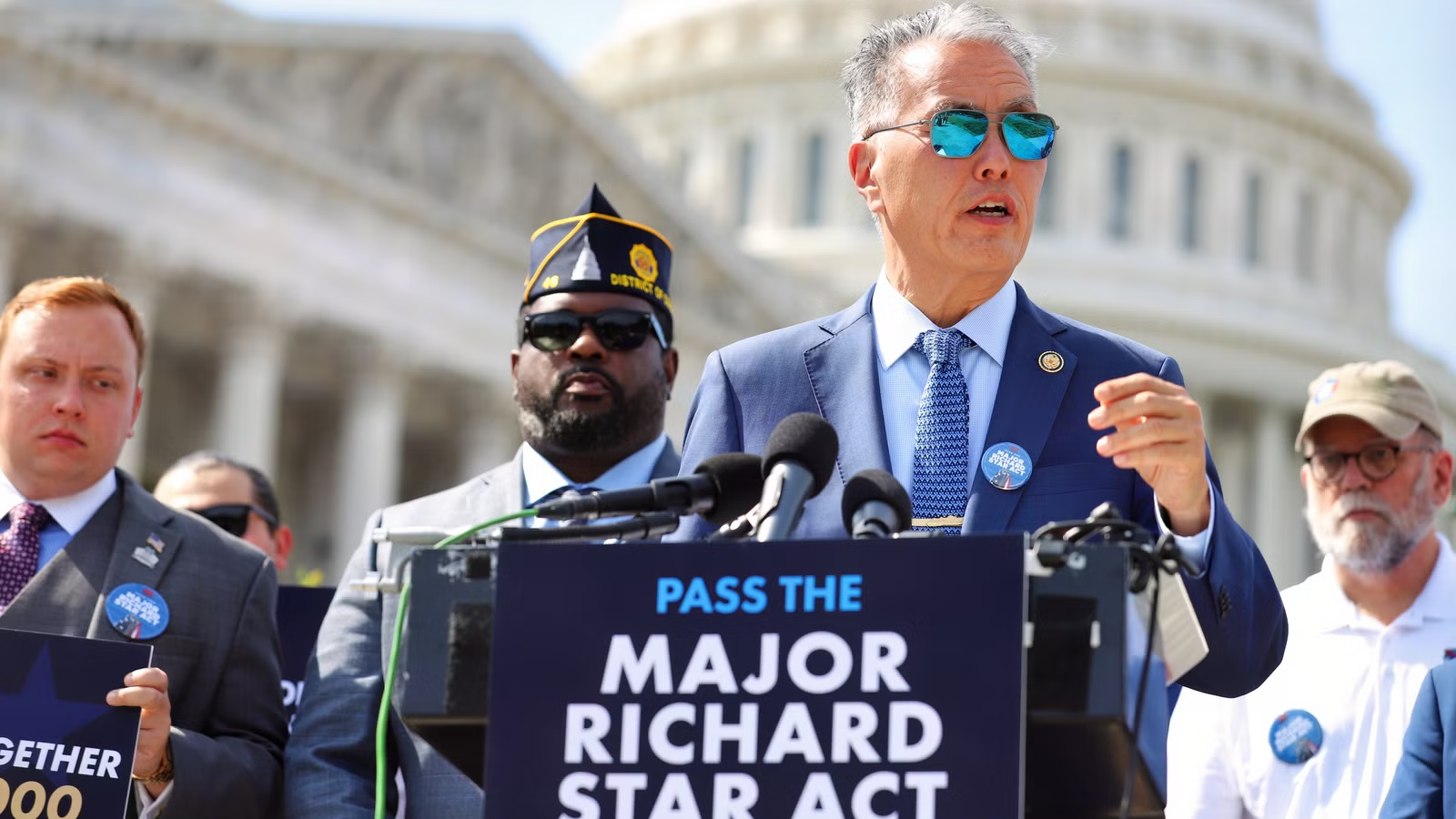
Military and veterans' groups are on board with one of the most comprehensive bill packages introduced in Congress in many years—except for one particular section of the proposed legislation. Last week, lawmakers announced the introduction of the Take Care of America's Veterans Act (TCAVA) which combines more than 60 veterans bills into a single package, including the Major Richard Star Act, the Love Lives On Act, caregiver reforms, VA modernization initiatives and more. The bill, if successful, would expand benefits for combat-injured veterans, increase support for surviving spouses, improve access to care, and provide additional assistance to some of the nation's most severely disabled veterans. While legislators on both sides of the aisle in Washington have expressed support for the legislation, as has Defense Secretary Pete Hegseth in certain regards, caution exists in bringing the bill to the finish line due to costs. Specifically, more than a dozen military and veteran groups wrote a letter on June 22 saying they support the legislation's core provisions but scrutinized a portion of the bill known as Section 108. That section would codify disability rating reductions for tinnitus and sleep apnea as what critics describe as a budget offset. They said that if the legislation passes and includes this particular section, it would shift the $57 billion financial burden onto 1.5 million future veteran claimants—essentially impacting individuals including current post-9/11 service members and reservists who would be forced to pay for benefits earned by those who served before them. "We do not come to you in opposition to this bill's purpose," the groups wrote in the letter addressed to the majority and minority leaders in the U.S. House and Senate. "TCAVA contains numerous provisions our community has long supported, including the Major Richard Star Act, the Love Lives On Act, and the Servicemembers and Veterans Empowerment and Support Act. "We want to see those measures become law, but TCAVA pays for them with a permanent price. Section 108 would, for the first time, write the reduction of a service-connected disability rating directly into law to fund other spending. That is a dangerous precedent, not a budget line. If it stands, any rating, for any condition, can be cut whenever Washington needs an offset."