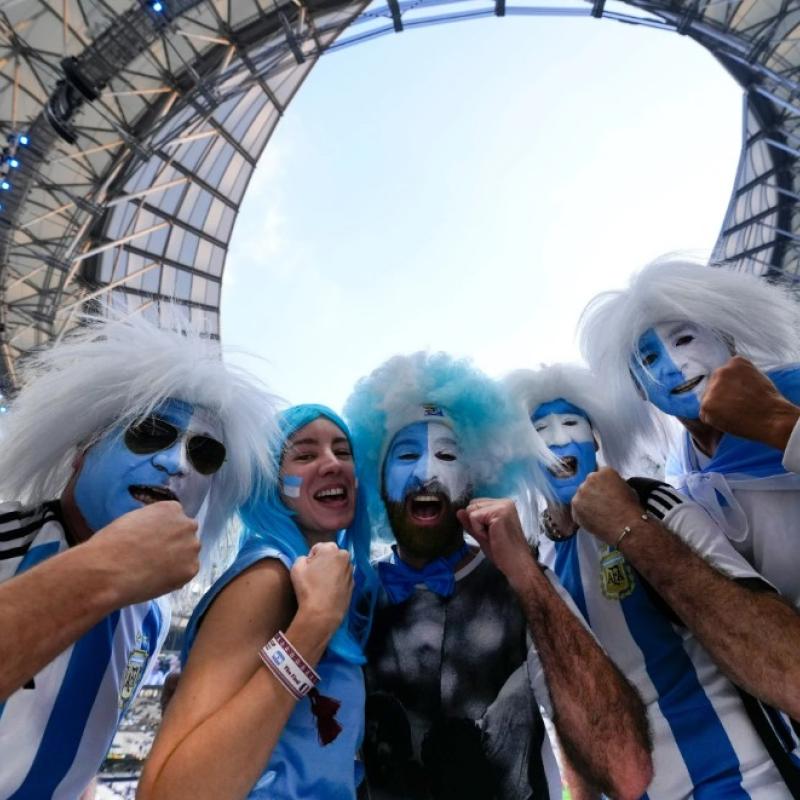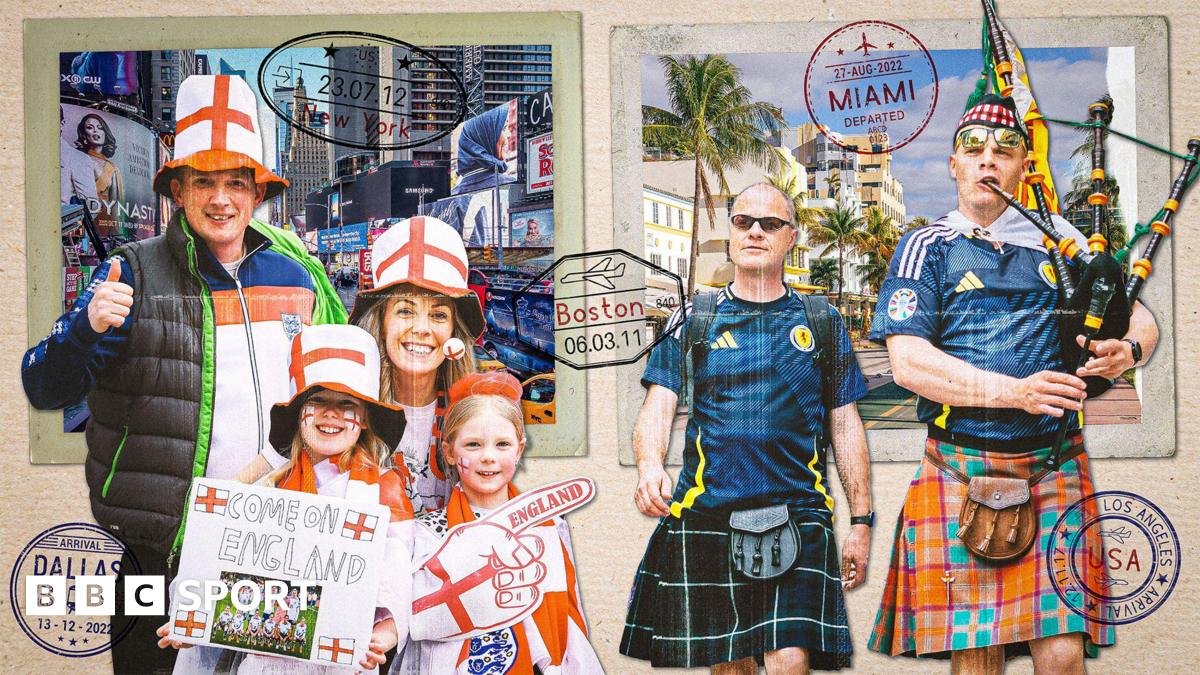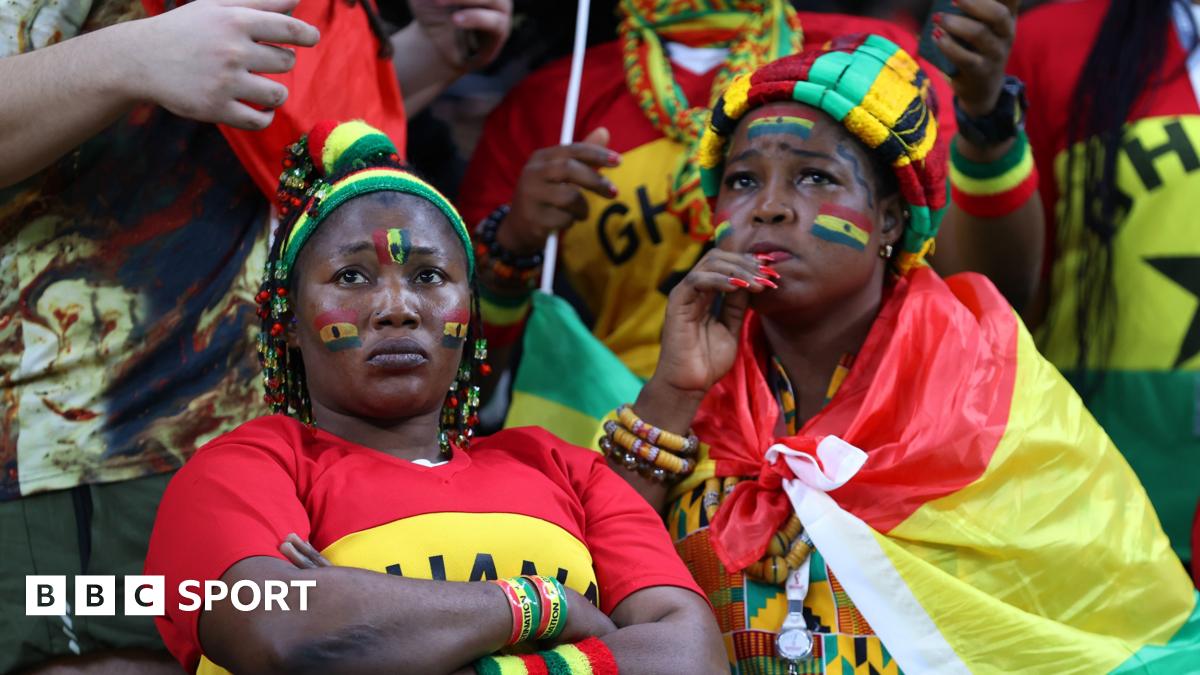
World Cup trips on a fixed budget or timeframe are relatively easy to organise. The cost is the cost. For anybody with a job, the time off work is the time off work. Supporters fly in, supporters fly out and it stacks up like a standard summer holiday (with the added bonus of football, and without the guarantee of family fall-outs).But what of those who make the World Cup an open-ended adventure? The fans who decide to follow their country to a glorious or bitter end, irrespective of the cost or the risk of aggravating employers? And what if the difference between extending the party or flying home is a raft of games that neither they nor their nation are involved in or capable of controlling? In the context of the 2026 finals, what if continuing in the tournament relies entirely on FIFA’s third-place table?
World Cup Tracker
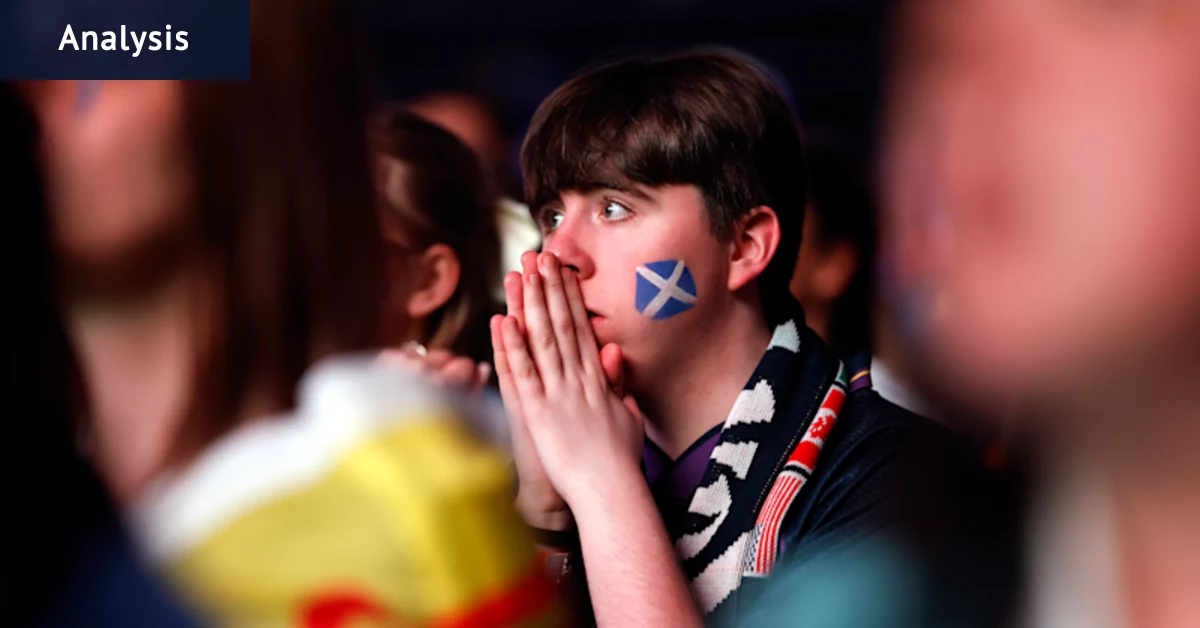
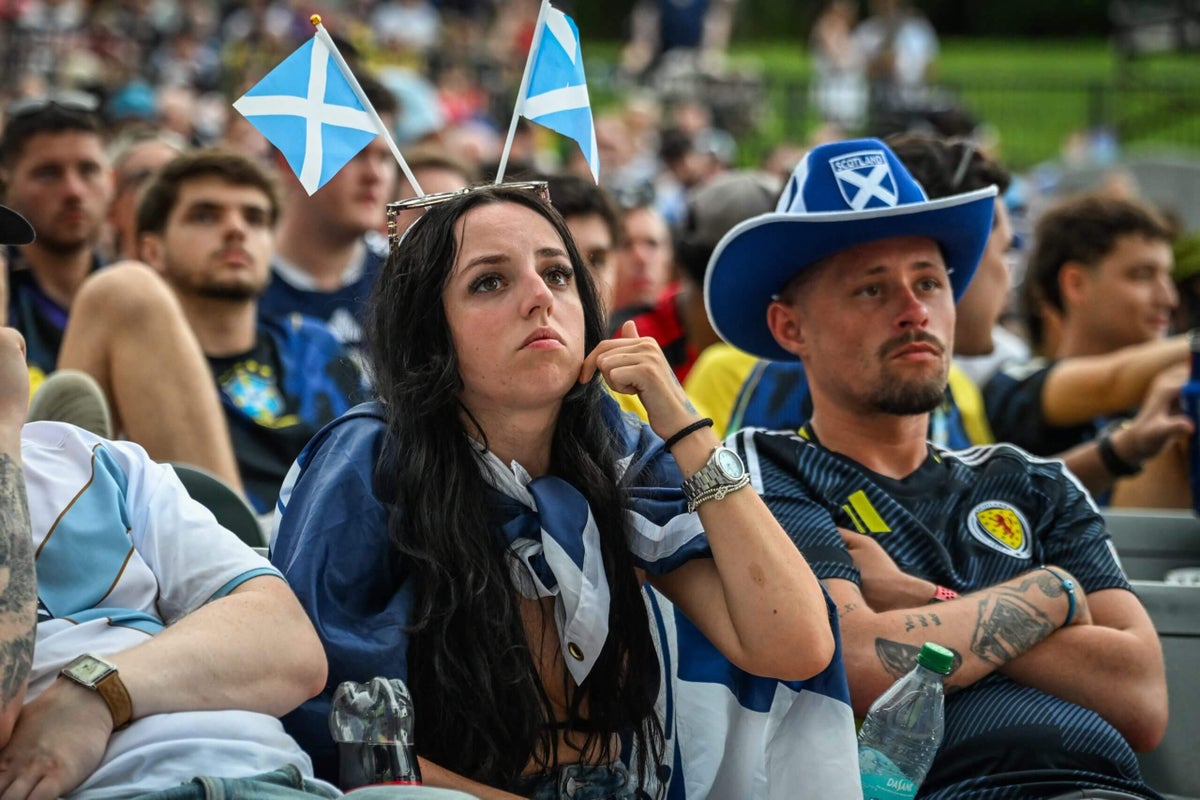
For instance, your country is Scotland. They played their last game on Wednesday — a mauling by Brazil — and the omens didn’t look great. They finished third in Group C so by tomorrow night, the Scots could be out. But if the improbable happens and results twist favourably for them, the affectionately-insane Tartan Army can expect to be in Mexico City to meet co-hosts Mexico next Tuesday. It’s the difference between many sober hours in cattle-class seats and another few days of hard drinking (which, of itself, increases the financial outlay substantially).Scotland fans at Faneuil Hall Marketplace, in Boston. But what will they do now? (Martin Rickett/PA Images via Getty Images)When FIFA created the 48-team format for 2026, it created a last 32 in which eight of 12 third-placed finishers would feature. It’s not unknown for knockout places to be allocated in this way. At Italia 90, as good a comparison as any, the top two from all six groups went through automatically, followed by the four best third-placed nations. In the 32-team World Cup era, however, FIFA kept it simple as two countries from each section advanced to the round of 16. Goals and results could impact standings late on but once a group was complete, the fate of the countries in it was clear.This edition’s third-place league is like little the tournament has seen before; a division in which — before a ball was kicked — 495 permutations of the final table were possible (the current state of play is shown here). The consequence is that the exact make-up of the round of 32 depends entirely on which permutation comes to pass. Needless to say, it’s complicated. And until the last group fixtures complete tomorrow (Algeria versus Austria and Jordan versus Argentina), the picture is subject to change.For anybody with skin in the game, it creates a state of limbo. Scotland, Paraguay, South Korea, Senegal, Croatia — all are waiting for the cards to fall, some with their group matches finished and others with football still to complete. It isn’t helpful for players or coaches either. Those squads who are ultimately eliminated would, at previous tournaments, be long gone already, their summers starting. Those still involved would like to know who they face next, for preparation and analytical reasons.