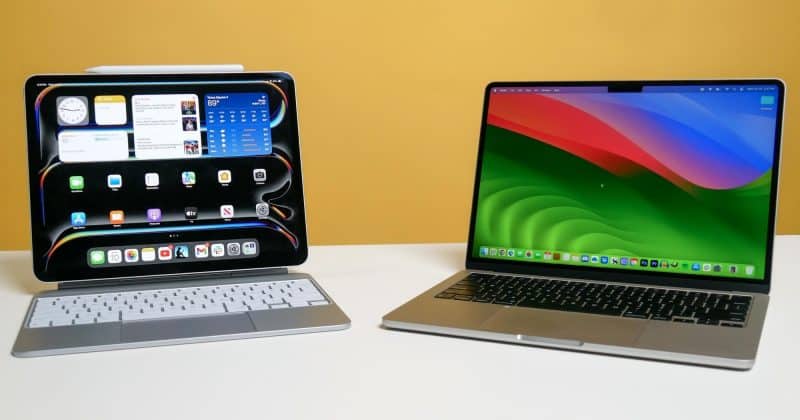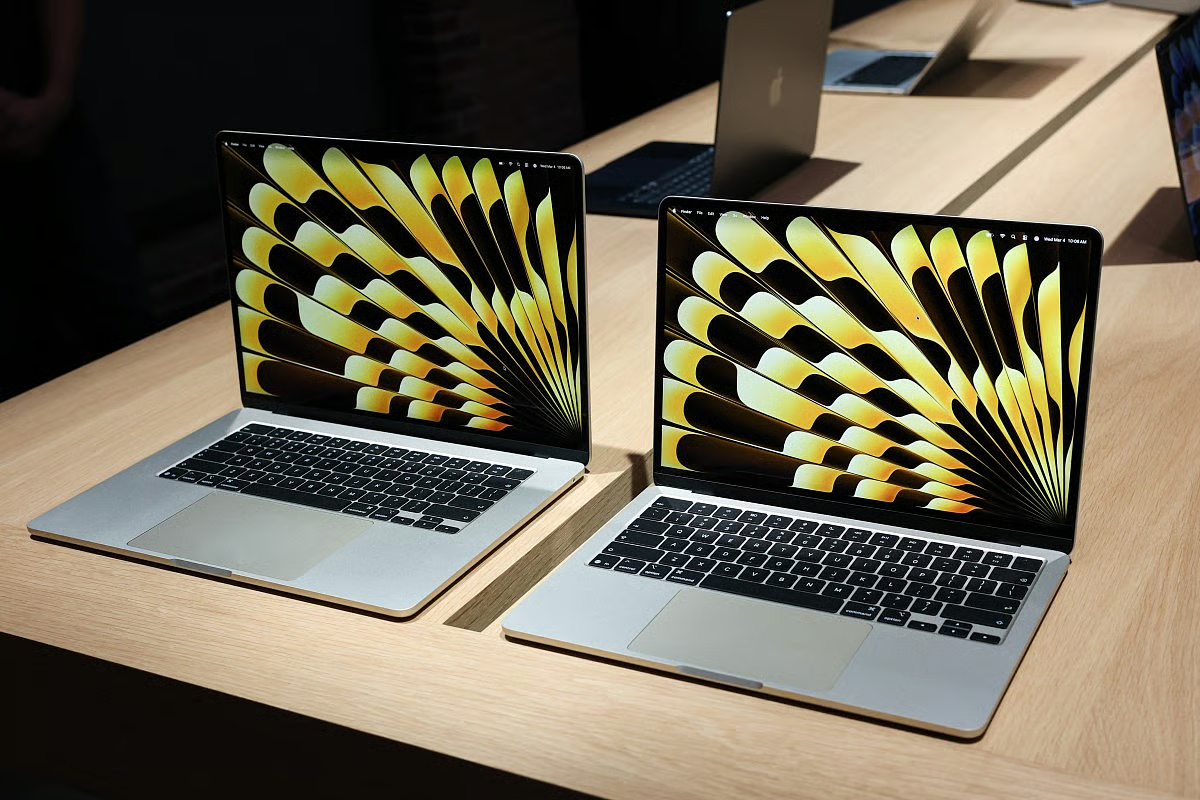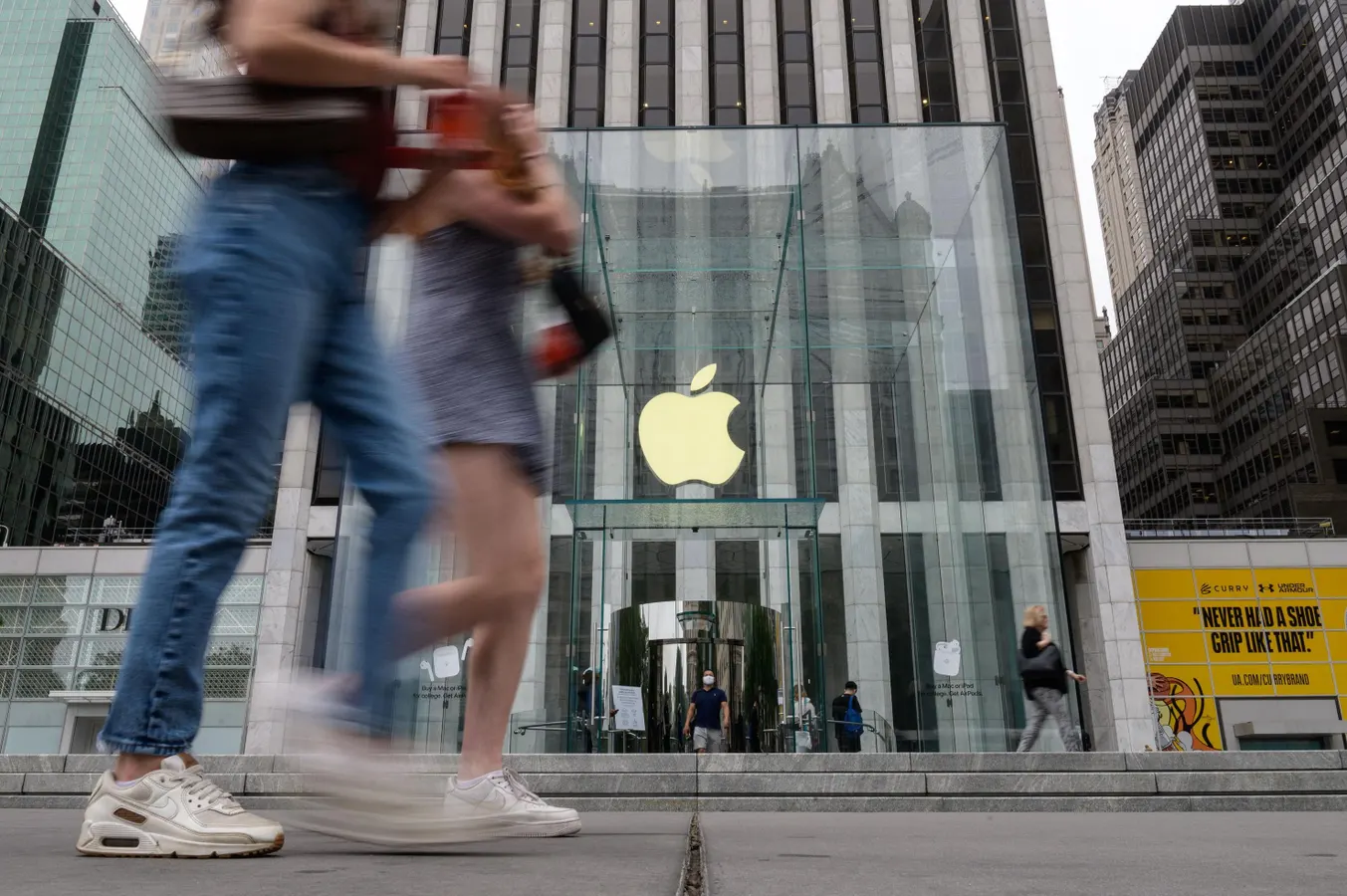
People walk past an Apple retail store on July 13, 2021 in New York City. Stock markets were slightly softer on news of the biggest jump in US inflation in more than two decades and disappointment in results from US investment banks. As trading ended in London, Frankfurt and Paris, major indices hovered around the zero mark, while the Dow Jones index was also a tiny bit lower in midday New York exchanges. (Photo by Angela Weiss / AFP) (Photo by ANGELA WEISS/AFP via Getty Images)AFP via Getty ImagesApple raised prices on several Mac models this week as memory costs surge, a shift analysts say reflects tightening supply driven by AI data center demand. The move signals that rising component costs are now flowing directly into Apple’s hardware pricing and could pressure margins if the supply squeeze persists.These costs — and Apple’s prices — are likely to continue rising for years. While the effect of these price increases on Apple’s revenue and profits remains uncertain, investors may wish to consider shares of Micron Technology, which have risen 285% this year. Micron shares rose 15% on June 24, according to CNBC, after the company reported fiscal third-quarter results that beat expectations and raised guidance. Meanwhile, Apple stock lost about 6.2% of its value after announcing its price increases yesterday, noted the The Wall Street Journal.While analysts remain bullish on Apple stock, they expect a modest 15% rise to reach their consensus price target. Meanwhile, Micron sits on the better part of the AI industry power curve.Apple’s Price Hikes Hit The Mac LineupOn Thursday, Apple raised prices of many products by as much as 18%. The entry MacBook Neo rose $100 to $699, the 13-inch MacBook Air increased $200 to $1,299, the 14-inch MacBook Pro climbed $300 to $1,999, and the 16-inch model went up $300 to $2,999, reported Yahoo Finance. MORE FOR YOUApple has reached the limit of its ability to absorb higher component costs. "We have shielded our customers from these increases so far, but we have now reached a point where we need to begin raising prices,” an Apple spokesperson told Bloomberg.Why Apple Says Prices Are RisingApple cites soaring AI data center demand for memory and storage — Dynamic Random Access Memory and NAND flash memory — as the reason for the prices increases. Over the last three quarters, such prices have quadrupled, according to Counterpoint Research. For example, DRAM contract prices rose 98% in the first quarter and are forecast to jump in the second quarter in a range whose midpoint is 60.5%, per TrendForce.A strategic choice by memory suppliers also drives the increases. With hyperscalers allocating more than $725 billion to capital expenditures, suppliers are directing production capacity to high-bandwidth memory for AI servers, which earns far more profit per wafer, noted The Wall Street Journal. Operating profit margins for DRAM and NAND flash have roughly doubled from usual levels, “hitting around 80% for DRAM and up to 60% for NAND flash,” Counterpoint semiconductor research analyst M.S. Hwang told the Journal.Where Memory Prices May Be HeadedDemand for these chips is likely to remain higher than supply at least until 2026. Micron’s latest results — fiscal third‑quarter 2026 revenue that more than quadrupled to $41.5 billion with 84.9% gross margin and a fourth‑quarter forecast of $50 billion in revenue and 86% gross margin, per Micron’s fiscal third‑quarter 2026 results — suggest rising memory prices will persist.With Micron’s 2026 HBM supply sold out and $100 billion in contracted revenue from 16 long-term customer agreements, analysts expect the crunch on Apple’s costs to last through 2027. Beyond 2028, new manufacturing capacity could paint a more uncertain picture, according to Yahoo Finance.Could iPhone Prices Be NextApple could increase prices on the iPhone. Higher memory costs could add $150 to $200 to the iPhone price, Counterpoint’s Tarun Pathak told CNBC. Apple is likely to add to its customers’ costs because new iPhone with Apple Intelligence will required 12 GB of RAM — adding more memory per device as memory supply becomes scarcer.What Analysts Expect For Apple StockApple stock will rise 15% if the consensus on Wall Street is correct. That’s because 47 analysts set an average price target of $315.The outcome likely depends on whether Apple customers pay the higher prices or buy from lower-priced providers. The bull case rests on the view that Apple’s focus on premium, higher-end customers allows it to raise prices with a limited increase in customer churn. Wedbush’s Dan Ives kept a $400 price target.By contrast — as exemplified by Barclays’ price target of $253 — some expect Apple to raise the price of the iPhone 18 Pro far more. To protect margins, Apple could raise the price by 27% to $1,269, per TechInsights. Why place bets on a player with eroding bargaining power with its memory suppliers? And who knows how well incoming CEO John Ternus will manage the memory crisis on Sept. 1 when he succeeds Cook as CEO?Instead, consider investing in the companies that control the AI industry choke point.
Apple Raises Mac Prices As Memory Costs Surge And Analysts Weigh Margin Risks
Apple raises Mac prices as memory costs surge, driven by AI data center demand. Analysts weigh how rising component costs could pressure margins and future pricing.
836 words~4 min read