Open source advocates remain concerned over lack of binding commitments
Oracle has promised a new phase in its custodianship of MySQL following the creation of a lobby group concerned about its future independence and long-term development. A new governance model, a new steering committee, and support for the MySQL community are among the measures Big Red announced for the open source database whose intellectual property it owns. However, a co-founder of the OurSQL Foundation – an independent organization claiming to represent the interests of MySQL users and developers – says Oracle has yet to make binding commitments about the database's future governance and management.
In a blog post this week, Oracle said it was "taking the next step" in terms of transparency in MySQL development and engagement with its wider community.
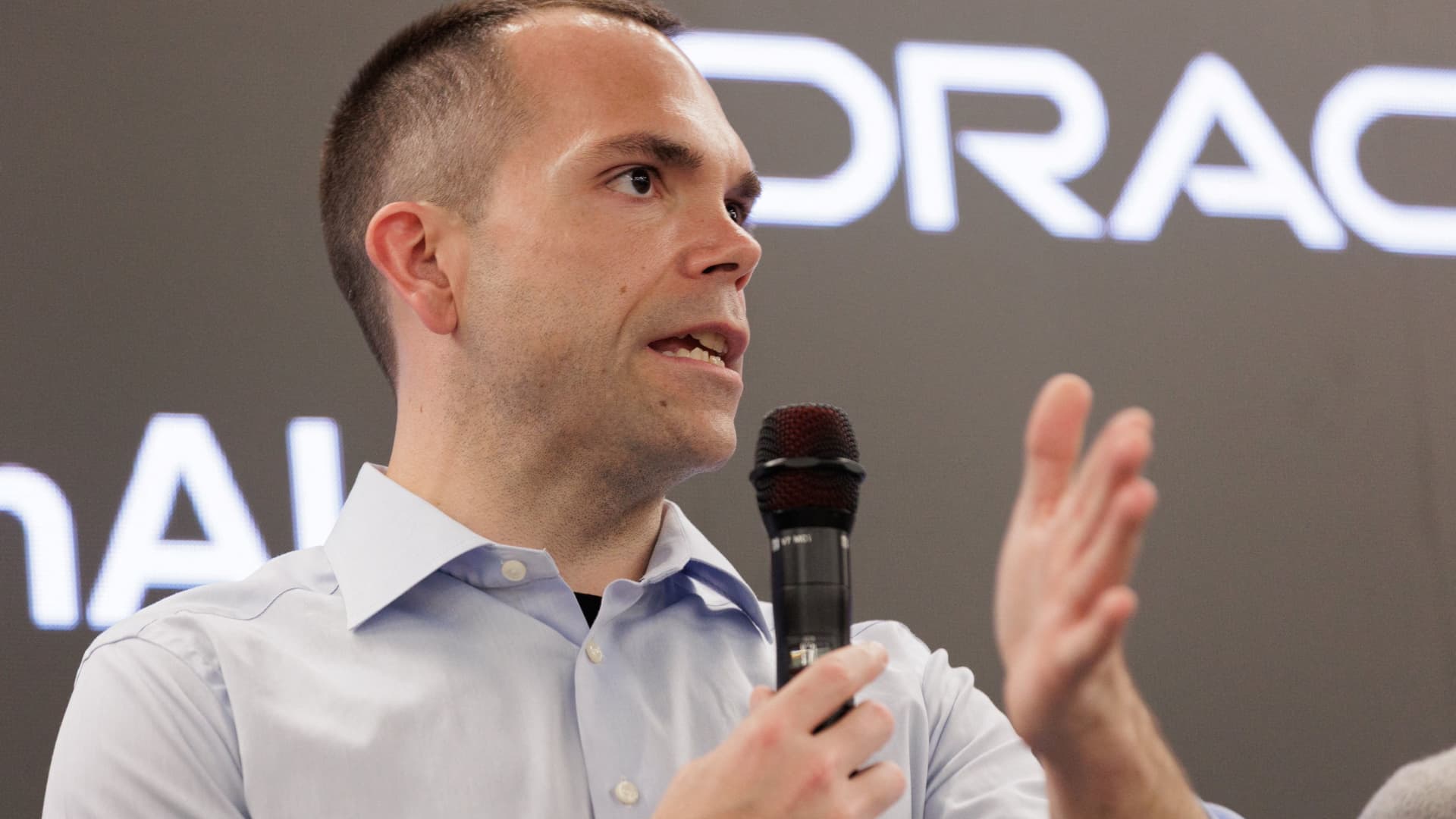
"Our goal is simple: accelerate innovation and contributions, make it easier for the community to participate meaningfully in the evolution of MySQL, and grow the MySQL Ecosystem."In the "spirit of collaboration," Oracle said it would establish a new governance model in which community members can contribute through code, testing, documentation, reviews, and technical discussions. Experienced contributors can take on extra responsibilities as "committers," Oracle said. They would help review changes and maintain code quality. "Stronger governance gives the MySQL community clearer ways to participate and accelerate innovation while preserving the quality, security, and compatibility users expect," said Jason Wilcox, senior vice president, Data and AI Platform Services, Oracle Cloud Infrastructure.The governance model also includes a technical steering committee, which will serve as a forum for strategic guidance and community representation, bringing together perspectives from across the MySQL ecosystem. The initial steering committee will include cloud giants Amazon Web Services, Google Cloud, and Oracle, with additional perspectives from as-yet-unnamed users of MySQL. Microsoft – provider of DBaaS Azure Database for MySQL – is notably absent. "We are continuing to expand opportunities for engagement through public roadmap discussions, Contributor Summits, GitHub-based collaboration, Early Access releases, technical design conversations, and enhanced developer resources," Oracle said.