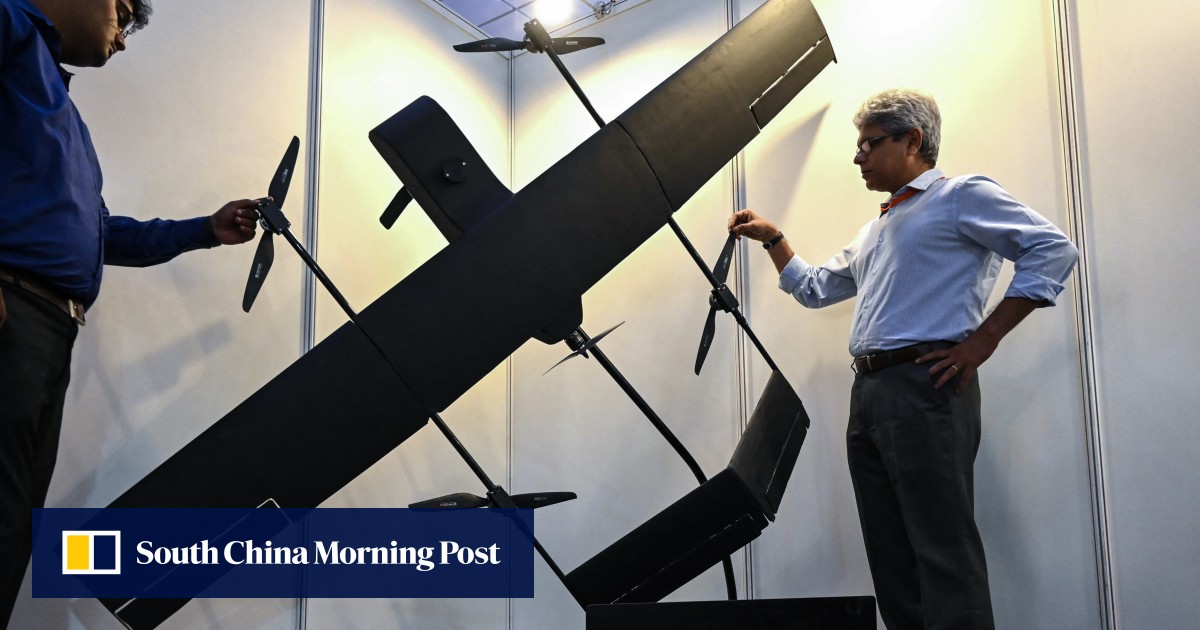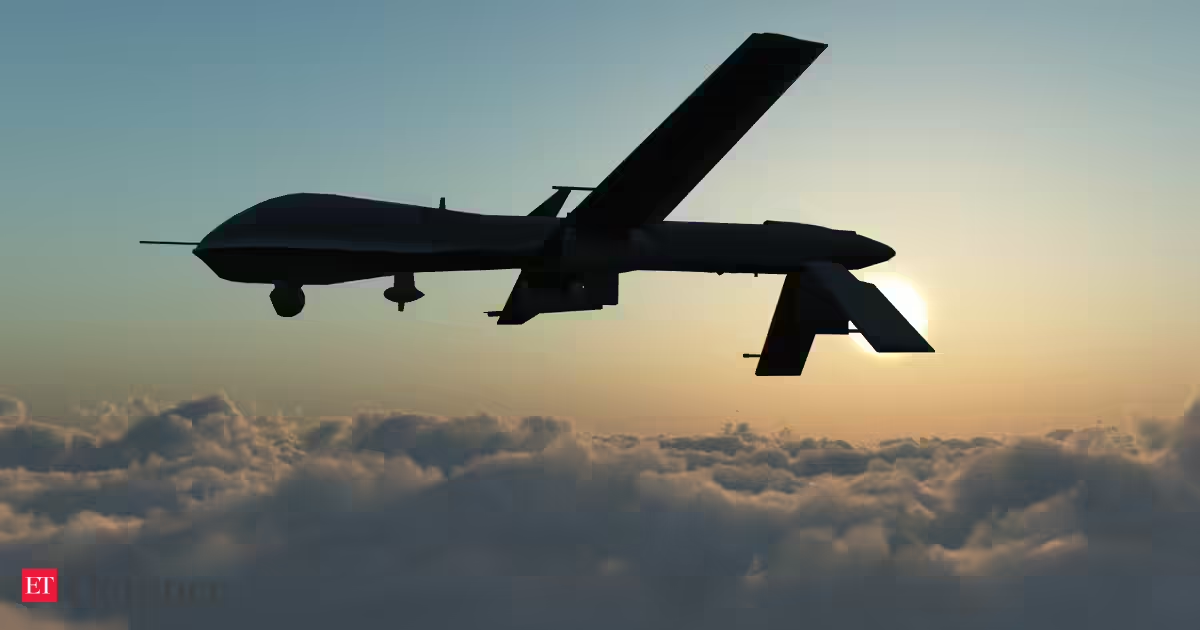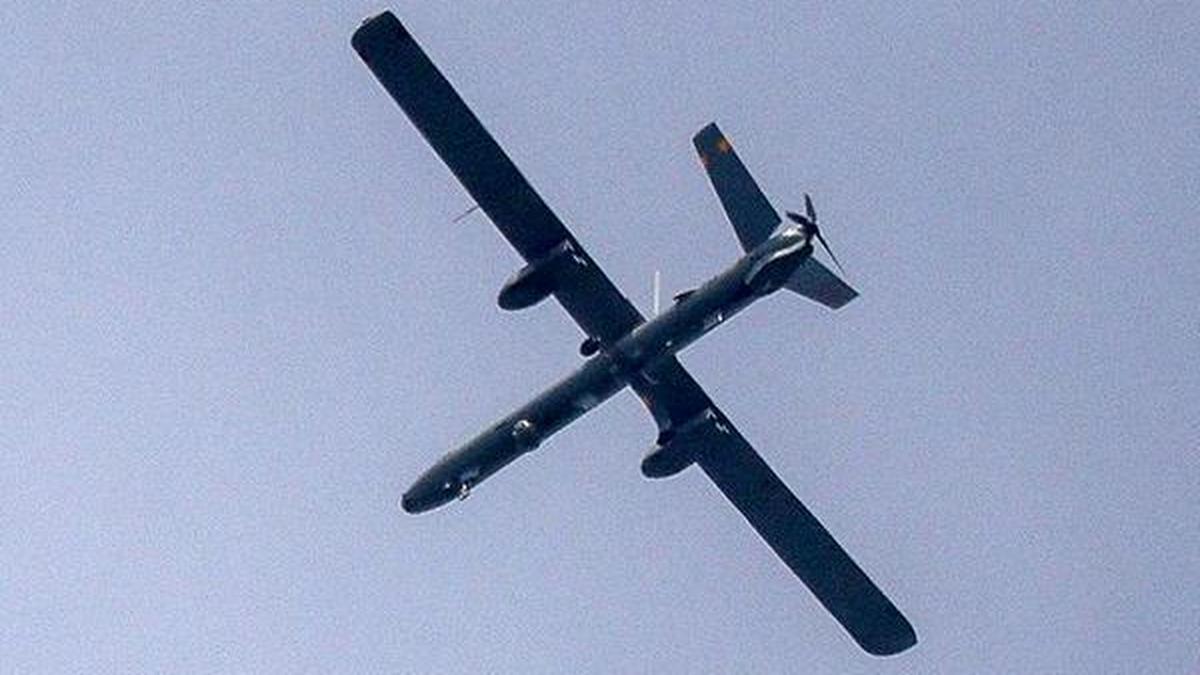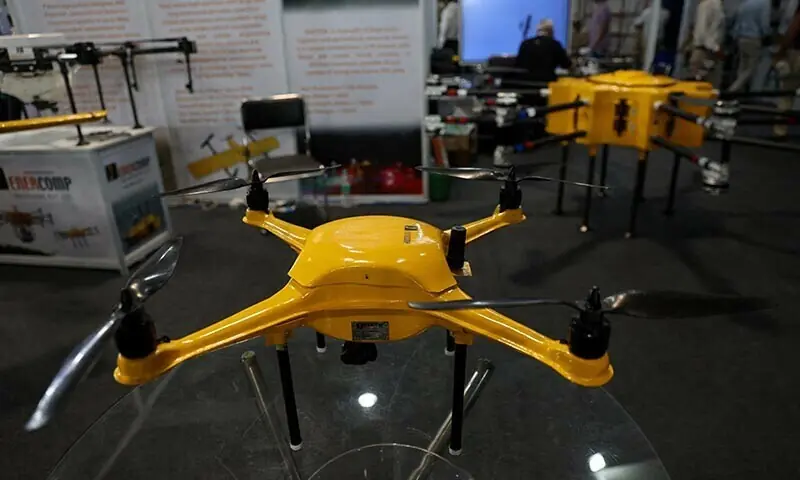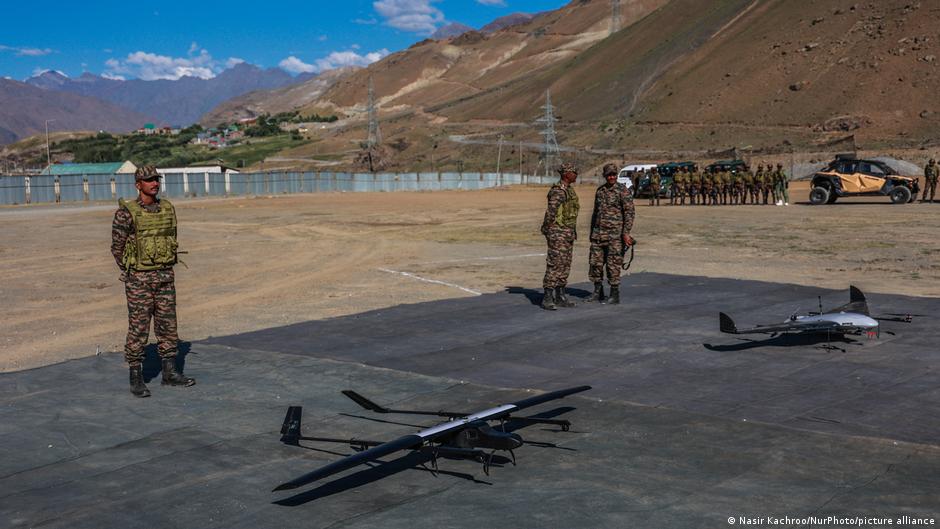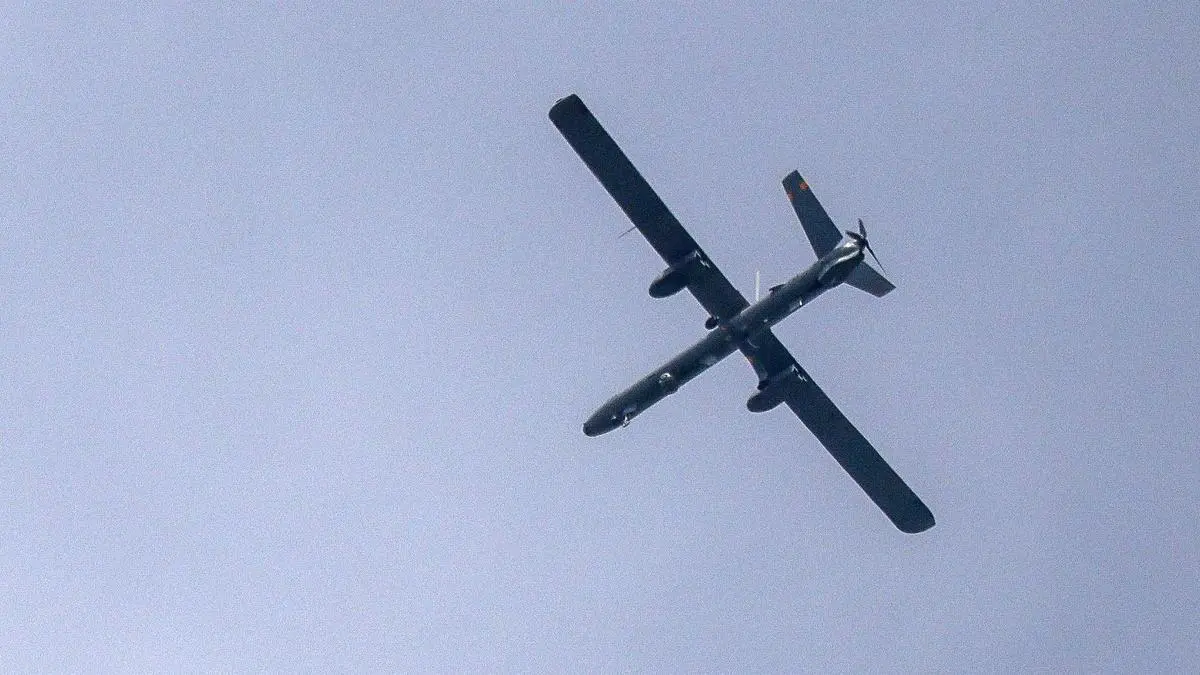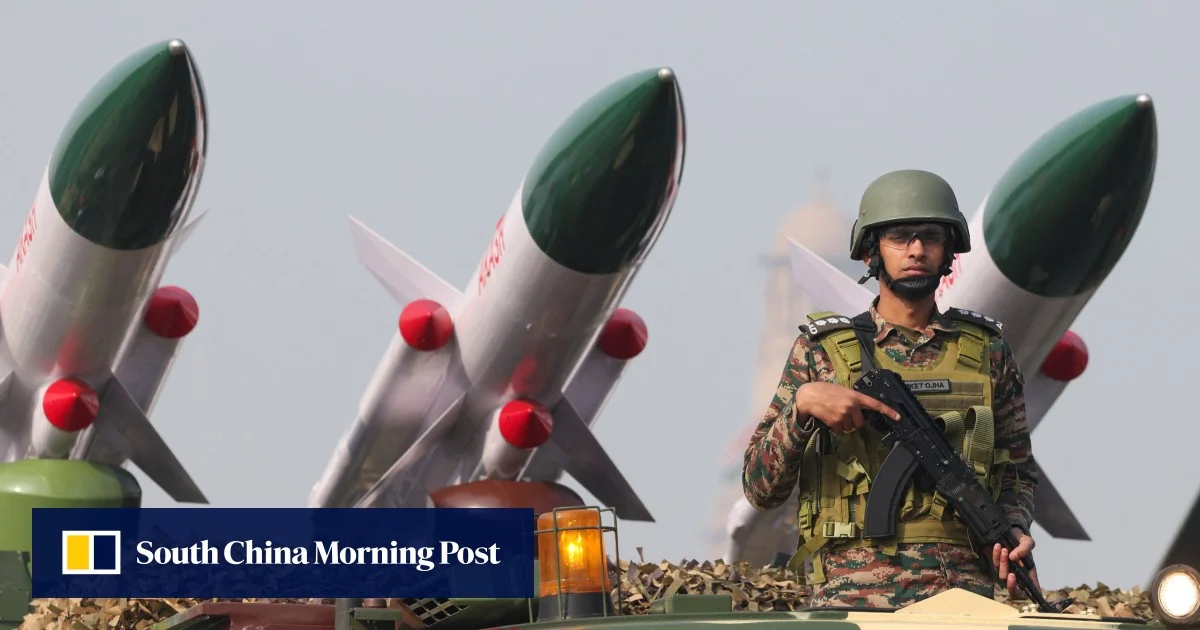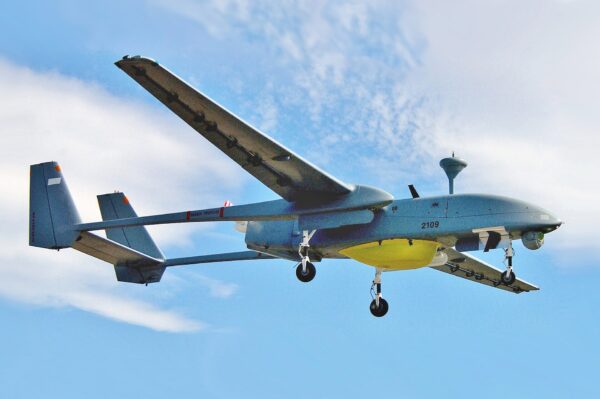
Recent conflicts have triggered a palpable surge in drone production, particularly in countries including United States, China, Israel, Turkiye, Ukraine, and Iran. Mainly spearheaded by the private sector, with the exception of China, drone production is allowing states involved in active combat to meet their own operational battlefield requirements. For states not engaged in active conflict, indigenous drone production serves as a pathway to industrial development and increased export potential beyond military self-reliance.
New Delhi has jumped on the bandwagon. The Indian government has attempted to encourage the private sector to step up drone production. As it picks up pace, the Indian drone industry seems to be following a hybrid model whereby it seeks to combine the Israeli industry’s mature commercial-feedback loop with the Ukrainian drone industry’s wartime innovation and scalability.
India has long imported drone technology. During the 1999 Kargil conflict, India’s military deployed Israeli-origin IAI Heron and Searcher drones for the first time. While the ambitions for indigenous drone manufacturing remained latent, they were considerably constrained by New Delhi’s operational and tactical requirements. India’s ambitions to become a drone producer truly came to fore following its military confrontation with Pakistan in May 2025. The four-day conflict fundamentally altered the role of drones from intelligence, surveillance, and reconnaissance (ISR) roles to strike roles. While the U.S.-brokered ceasefire brought a halt to kinetic hostilities, a security-driven technological arms race has taken off.