The move comes amid the scale-up of the indigenous manufacturing ecosystem.
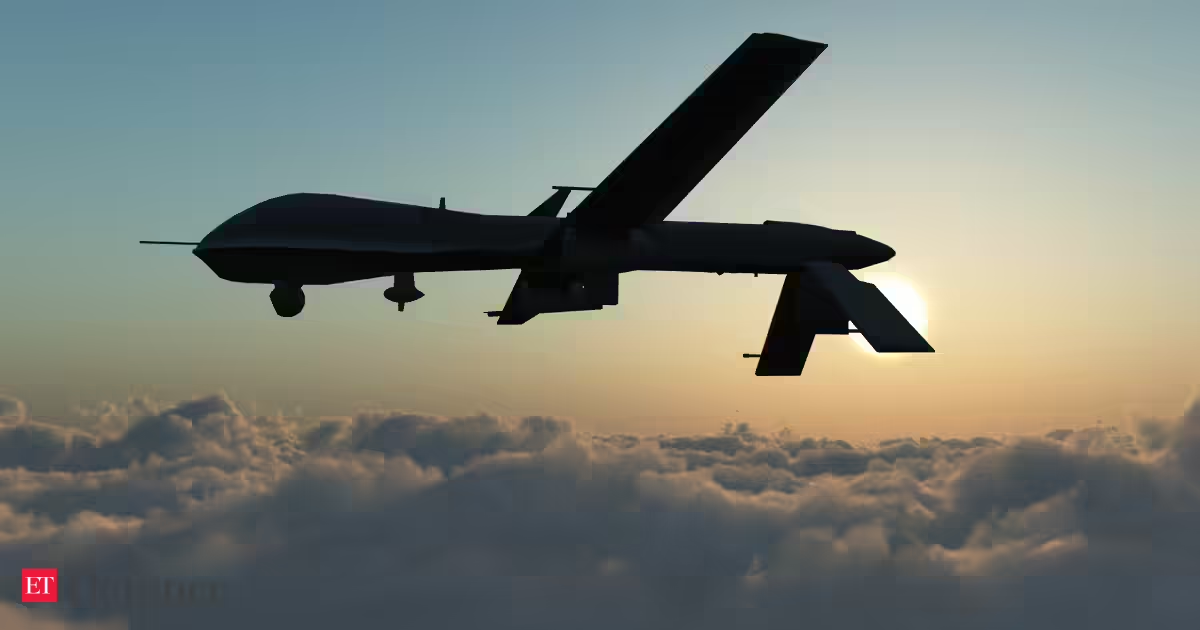
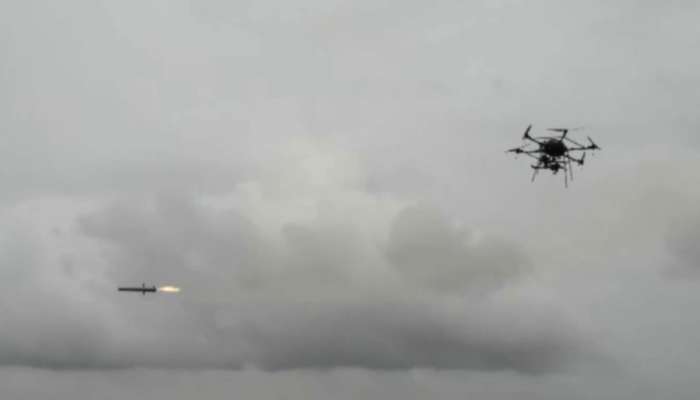
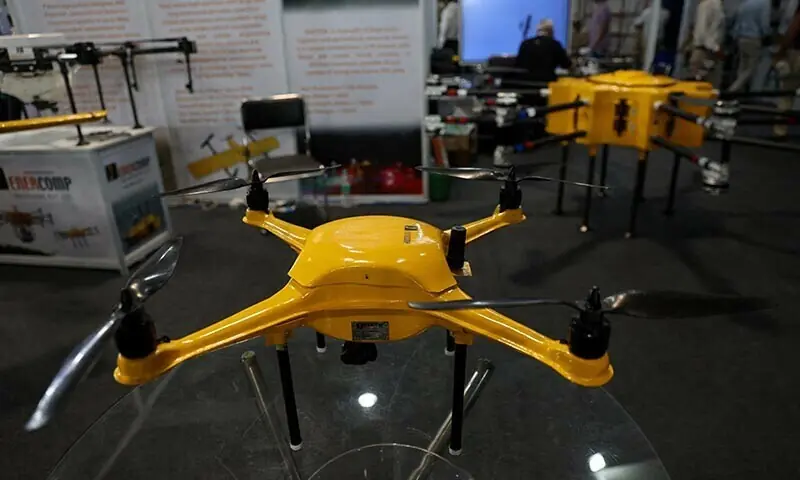
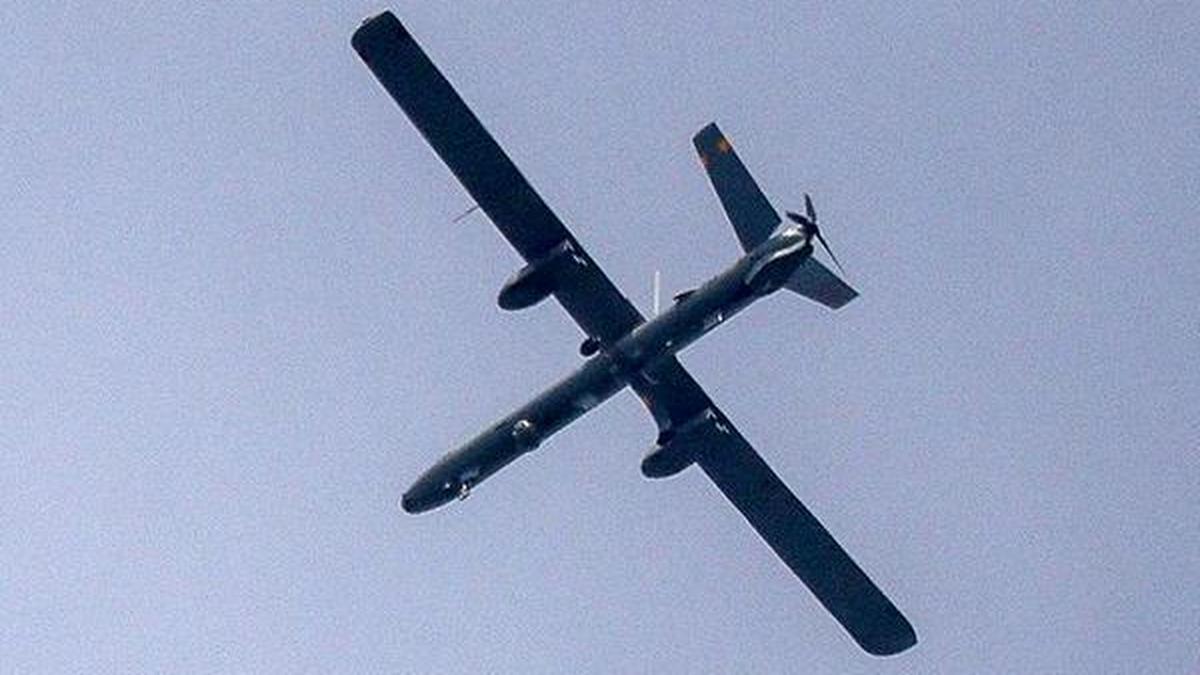
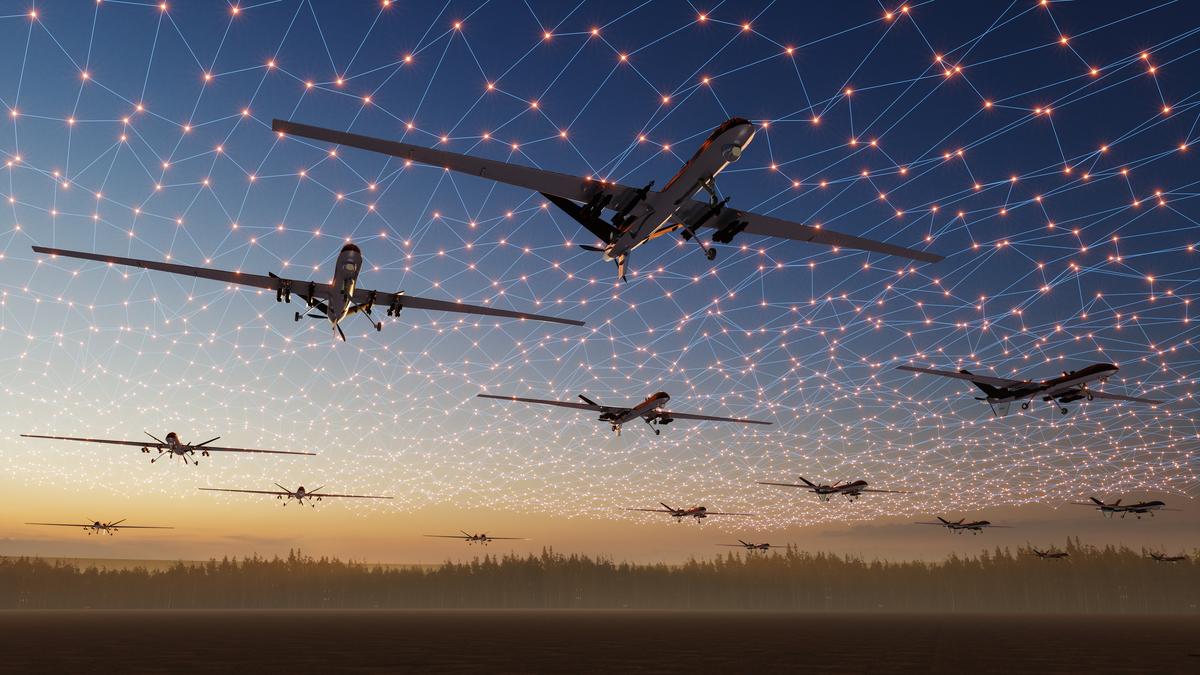
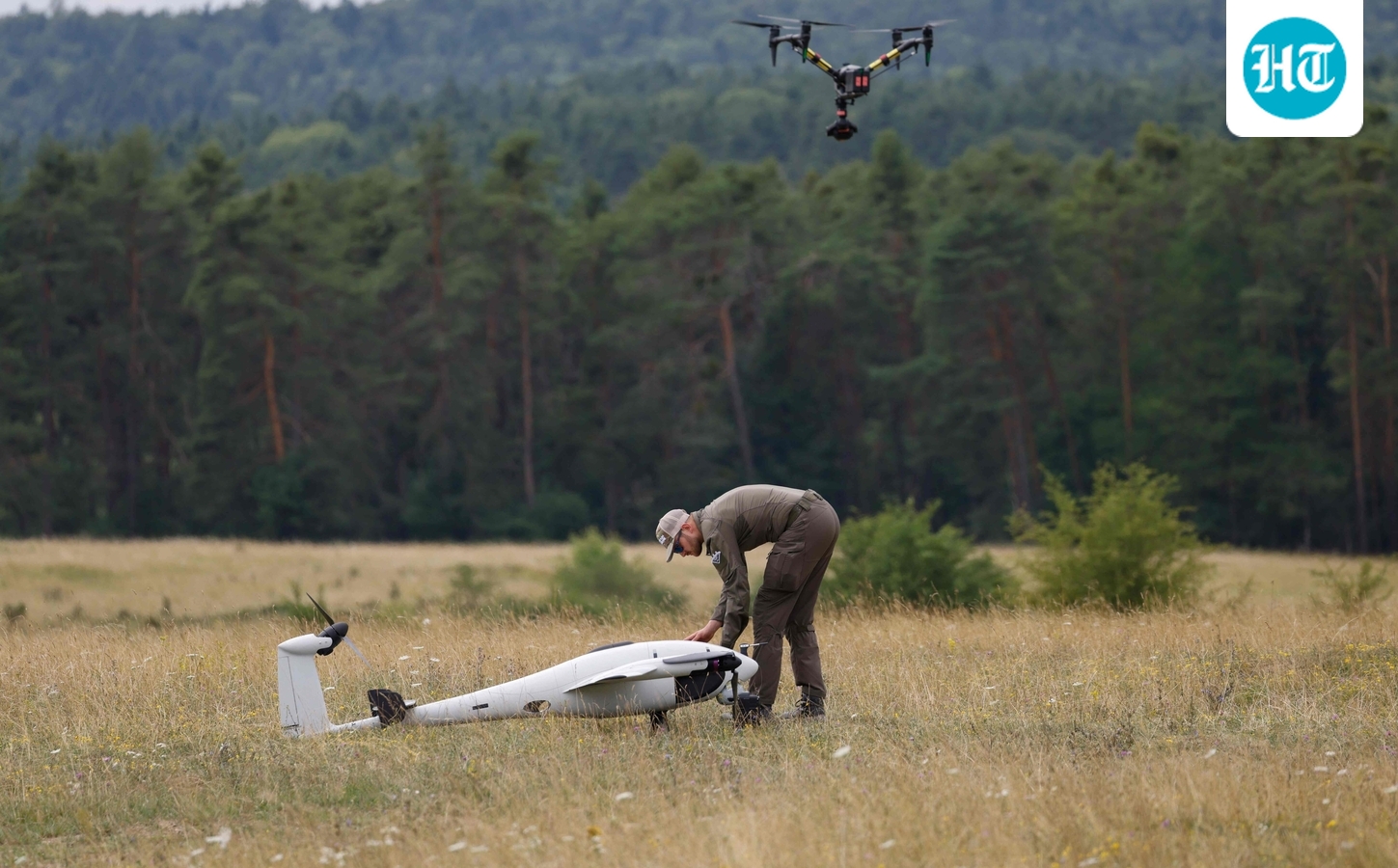
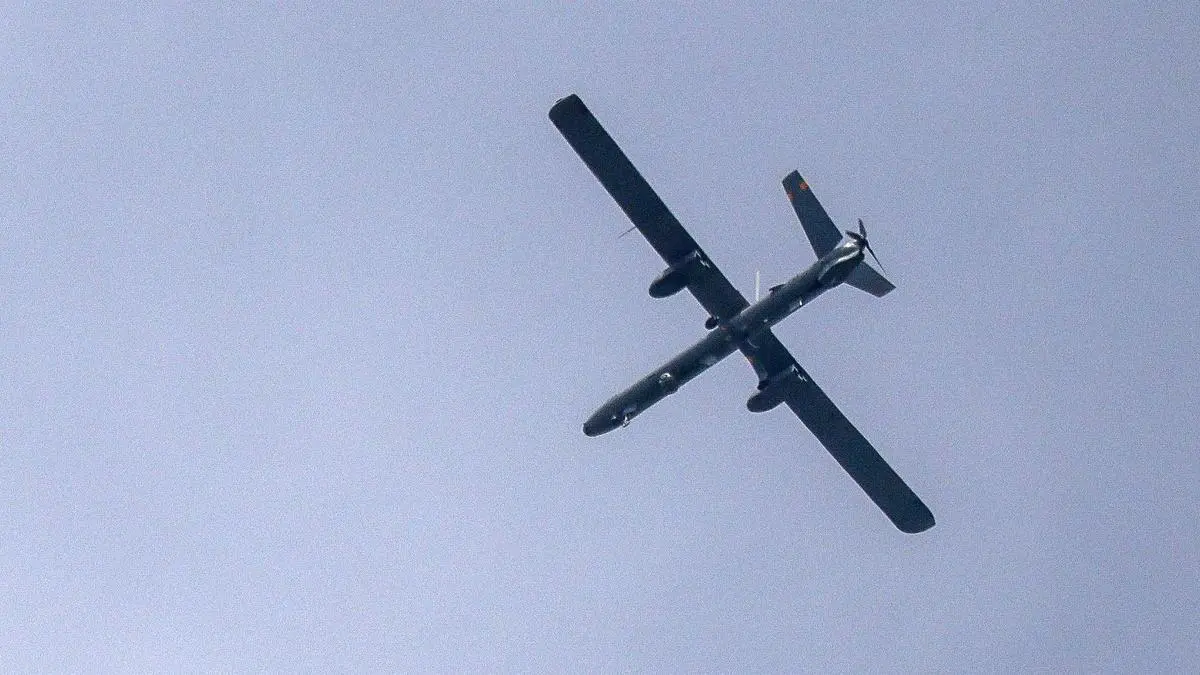
New Delhi, June 3: India’s armed forces are preparing to move from emergency drone acquisitions towards larger and more structured procurement programmes, industry executives told businessline.The move comes amid the scale-up of the indigenous manufacturing ecosystem.Accordingly, industry executives indicated that upcoming procurement programmes for tactical drones, loitering munitions and other unmanned systems could collectively exceed $2 billion over the next 18 to 24 months, making them among the largest indigenous unmanned systems acquisitions undertaken so far.On a strategic level, drones have become an indispensable part of modern warfare, as demonstrated in the Russia-Ukraine and US-Iran conflicts, due to their ability to strike targets deep inside enemy territories without being detected.This tectonic shift in warfare has allowed nations with limited resources to use drones against larger, more advanced adversaries.Structural ShiftSpeaking to businessline, Drone Federation India (DFI) President Smit Shah said that the procurement cycle is the beginning of a structural shift in how drones are being procured by the Indian military.“Over the last five to six years, the ecosystem has largely been driven by emergency acquisitions and relatively small orders aimed at meeting immediate operational requirements,” he said.According to Shah, the next phase appears to be moving towards larger, more sustained procurement programmes that provide long-term visibility to industry.“This is important because defence manufacturing does not scale on one-off orders. Companies invest in production lines, supplier networks, engineering teams and component development when they can see a predictable pipeline of demand,” he said.“Larger and recurring procurements can accelerate the maturation of India’s defence drone industry in a way that emergency purchases alone cannot.”Large ProcurementBesides, he pointed out that the significance of large-scale drone procurement extends beyond drone manufacturers themselves.“As volumes increase, demand will flow across the broader supply chain, including payloads, communication systems, navigation technologies, propulsion systems, batteries and other critical subsystems,” Shah said.“This could become one of the most consequential growth phases for India’s unmanned systems ecosystem.”Meanwhile, the procurement push is also expected to have a broader industrial impact.At present, India’s drone ecosystem has expanded rapidly over the last few years, with hundreds of companies now involved in manufacturing drones, subsystems and components.More InvestmentsHowever, many firms have operated in an environment characterised by uncertain order visibility and limited production scale.Larger contracts could encourage additional investment in manufacturing infrastructure, workforce development and product improvement.In addition, an emerging trend is the growing emphasis on survivability in contested environments. Operational lessons from recent conflicts have highlighted the importance of electronic warfare resilience, navigation redundancy and communication robustness.As a result, future procurements are expected to place greater weight on EW-hardened systems capable of operating in denied or degraded environments.Industry participants also expect the procurement cycle to accelerate consolidation within the sector.Consequently, larger programmes typically favour companies that can demonstrate manufacturing capacity, quality control, sustainment capability and the ability to support deployments at scale. This could drive deeper partnerships between start-ups, component manufacturers and established defence companies.Published on June 3, 2026