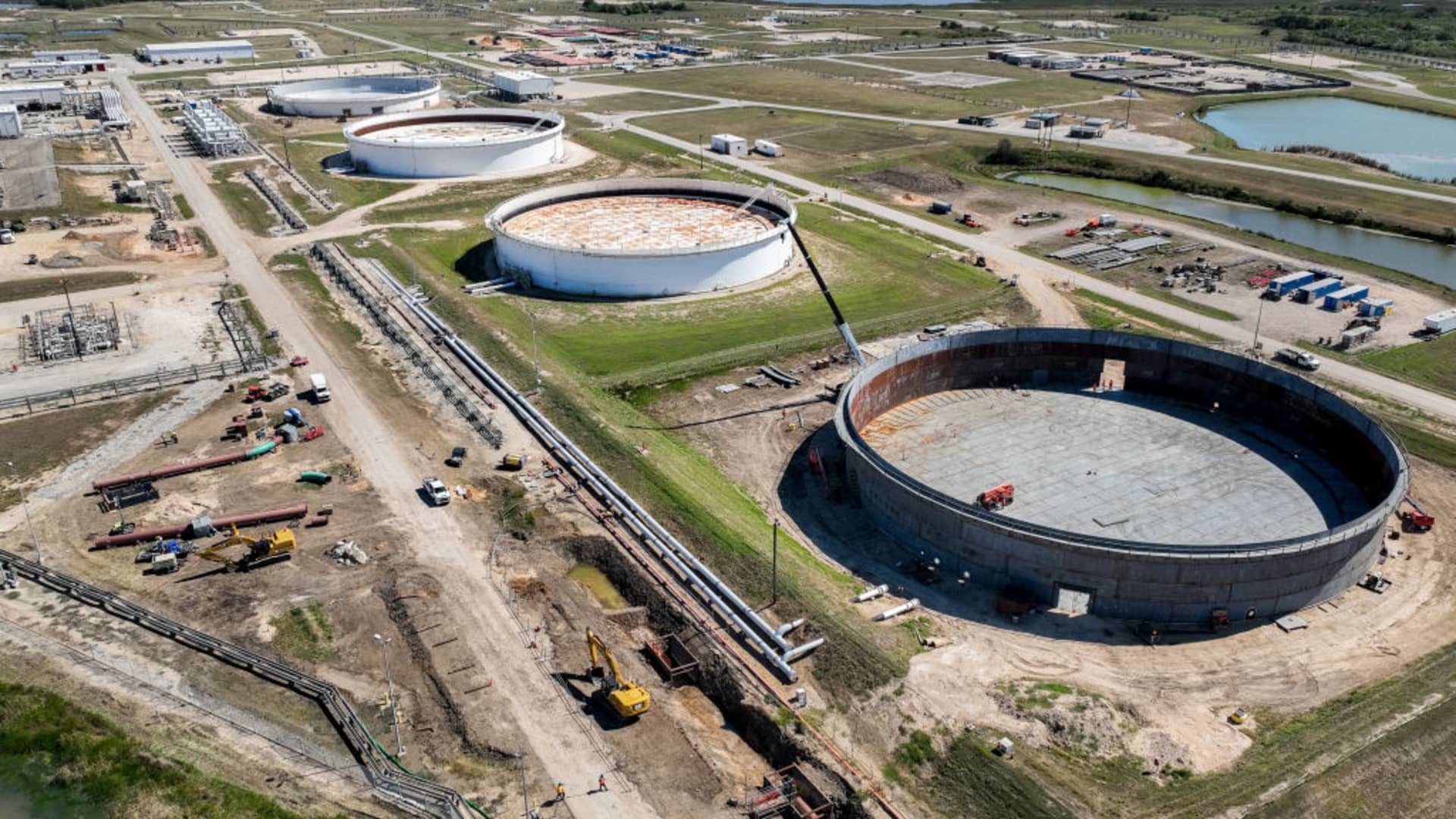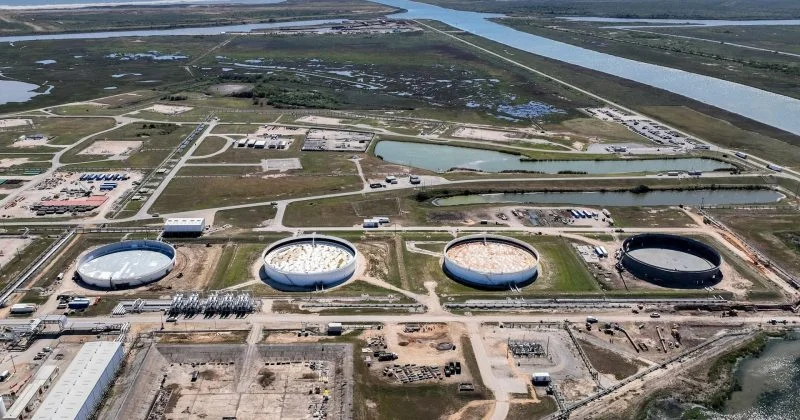
EXCLUSIVE — The Government Accountability Office has found that the Strategic Petroleum Reserve, the United States’s emergency stockpile of crude oil, is facing significant risks to its ability to operate and meet future energy crises, as inventories have hit their lowest level in 43 years.The Trump administration is currently overseeing the second-largest drawdown of the SPR to combat surging oil and gasoline prices caused by supply disruptions from the Iran war. Stocks were the lowest they have been since 1983 this week, at just 331.2 million barrels.Amid the record lows, there are growing concerns as to whether the U.S. will be able to meet future similar global supply shocks. The GAO found that the SPR’s operational capacity faces serious risks if significant changes are not made to upgrade out-of-date infrastructure, address inadequate maintenance of the reserves, and plan for future refills.
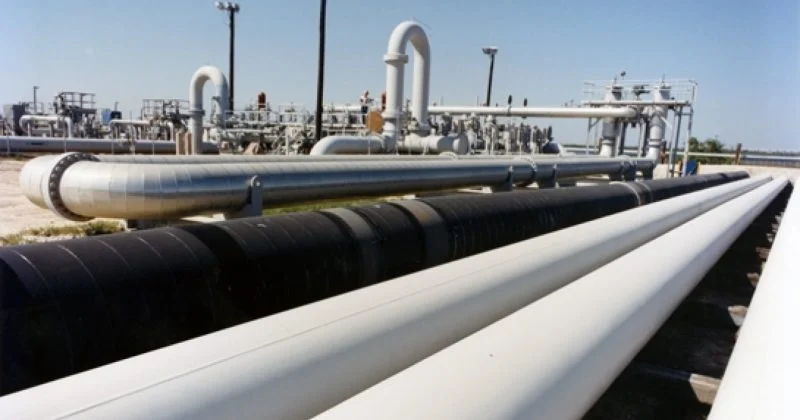
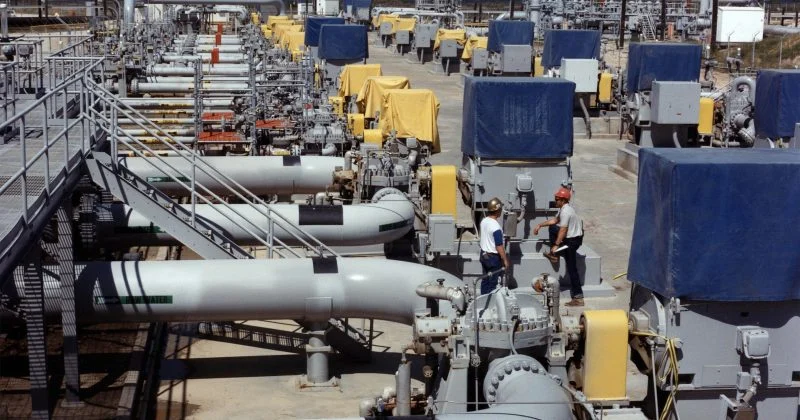
The GAO issued its warning in a performance audit conducted between February 2024 and May 2026 that was sent to the House Energy and Commerce Committee this week. “America’s Strategic Petroleum Reserve should be a resource our nation can count on in times of uncertainty,” Rep. Brett Guthrie (R-KY), the committee’s chairman, said. “This report from the GAO makes clear that a long-term vision is needed to secure the SPR’s viability for generations to come. In Congress, we will continue working to ensure this critical national security asset is properly maintained, responsibly managed, and ready to deliver for the American people in times of uncertainty.”The report, exclusively shared with the Washington Examiner before it was made public, indicated that the biggest challenge facing the SPR wasn’t the lack of oil itself, but rather aging infrastructure, which the Department of Energy first identified as at or past its lifespan more than 10 years ago. In some cases, this has even led to oil spills.“[I]nvestments in the SPR are again not keeping pace with the aging reserve’s needs,” the GAO said.The Strategic Petroleum Reserve was first created in 1975 in the wake of the Arab oil embargo to protect markets from supply shocks and price spikes.It is one of the largest emergency crude stockpiles in the world, with a total capacity of around 714 million barrels across four main facilities. As of this week, however, only around 331.2 million barrels were recorded in the reserves.