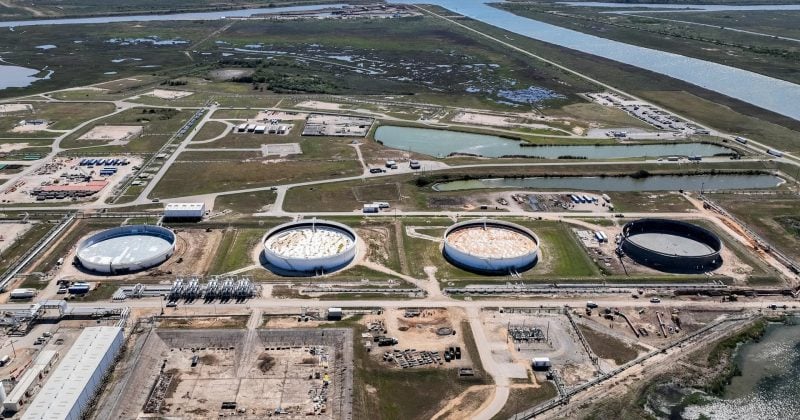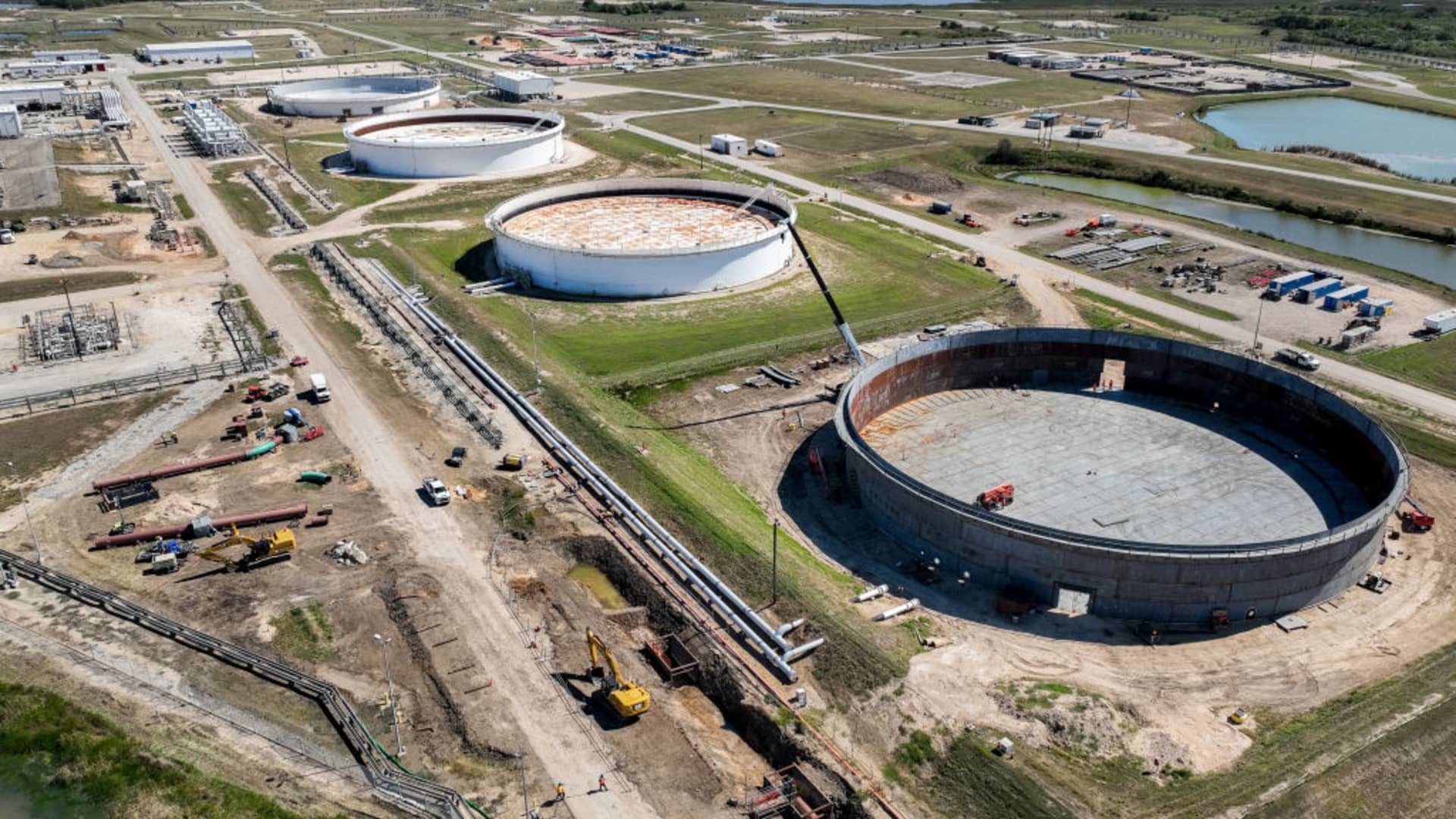
The U.S. Strategic Petroleum Reserve is under strain as massive stockpile releases in response to wars in the Middle East and Europe have stressed old infrastructure in need of repair.
The SPR this week fell to its lowest level since March 1983 after the U.S. withdrew 352 million barrels of crude oil in four years to ease supply disruptions triggered by its war with Iran and Russia's invasion of Ukraine.
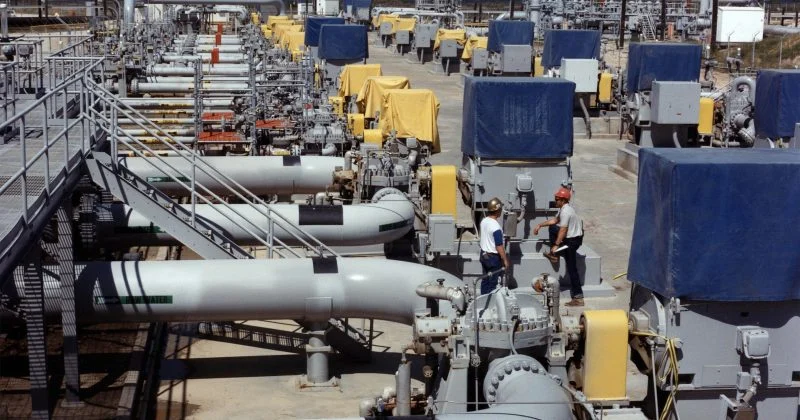
Federal auditors have found that the SPR's ability to respond to future emergencies is at risk. A May report quoted Department of Energy officials telling auditors that the reserve's web of pipelines, caverns and storage tanks is held together "with 'Band-Aids,' and that it is uncertain how long they will hold."
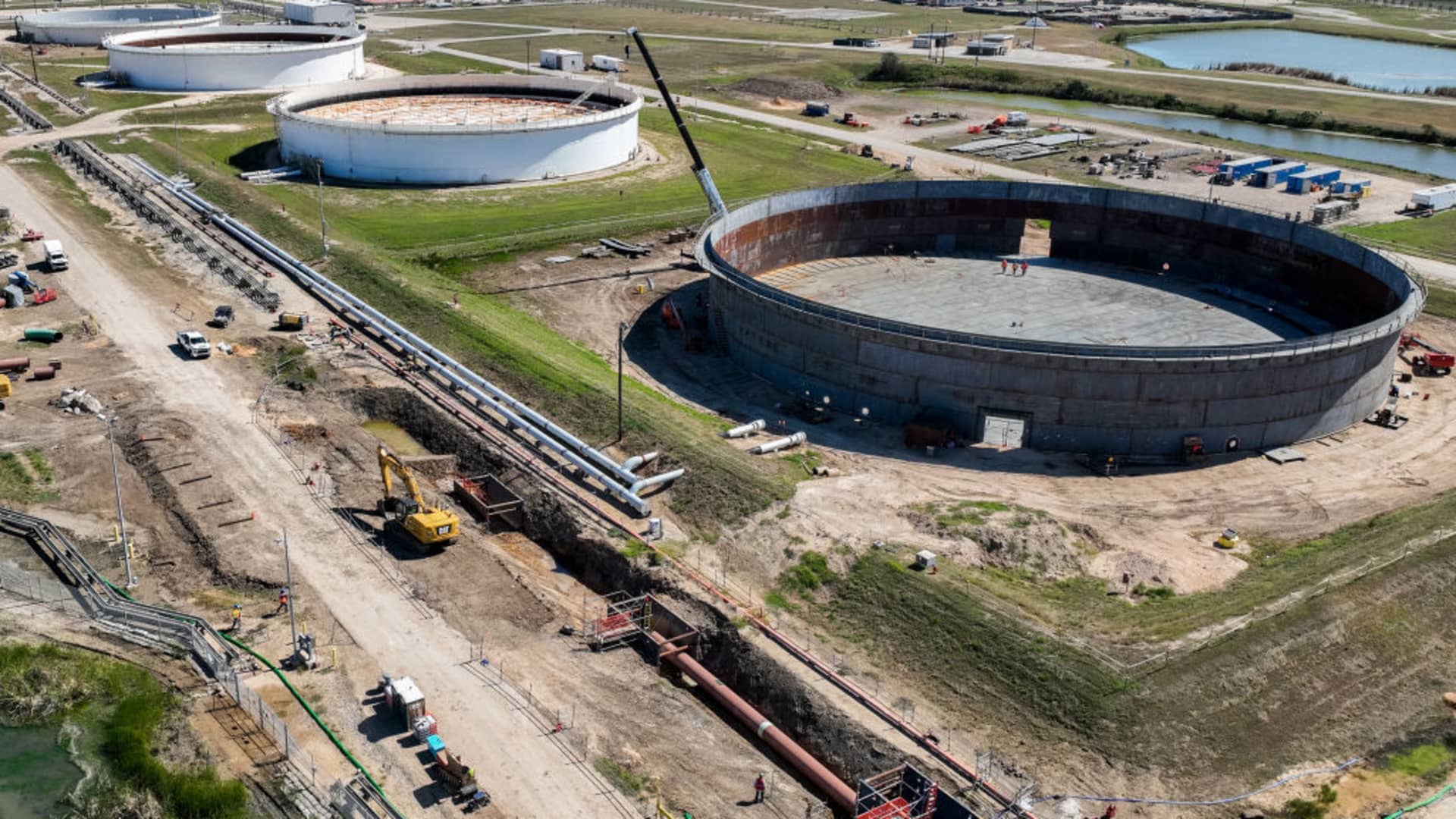
"The SPR’s drawdown, distribution and fill capabilities are currently limited and are at risk going forward due to longstanding issues with aging infrastructure compounded with ongoing major construction intended to address them," the Government Accountability Office warned in the report.
Established by Congress in 1975 after the 1973 Arab oil embargo, SPR infrastructure is reaching the end of its life at a time when inventory releases are larger and more frequent, the auditors said in the report. The Energy Department is implementing a $1.4 billion plan to repair the SPR but had to narrow the scope of the project to stay within budget.