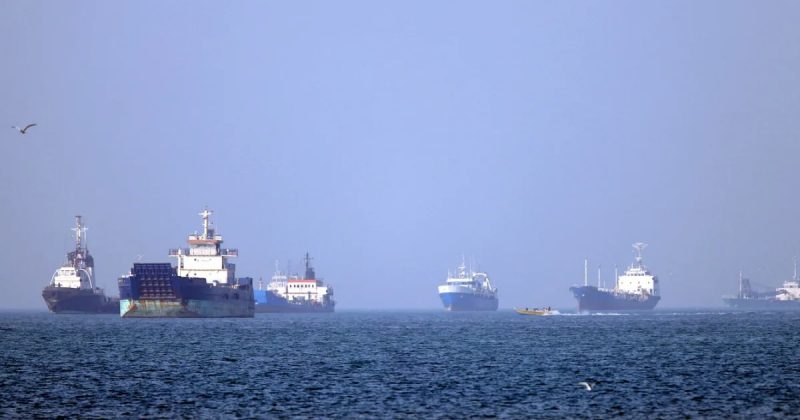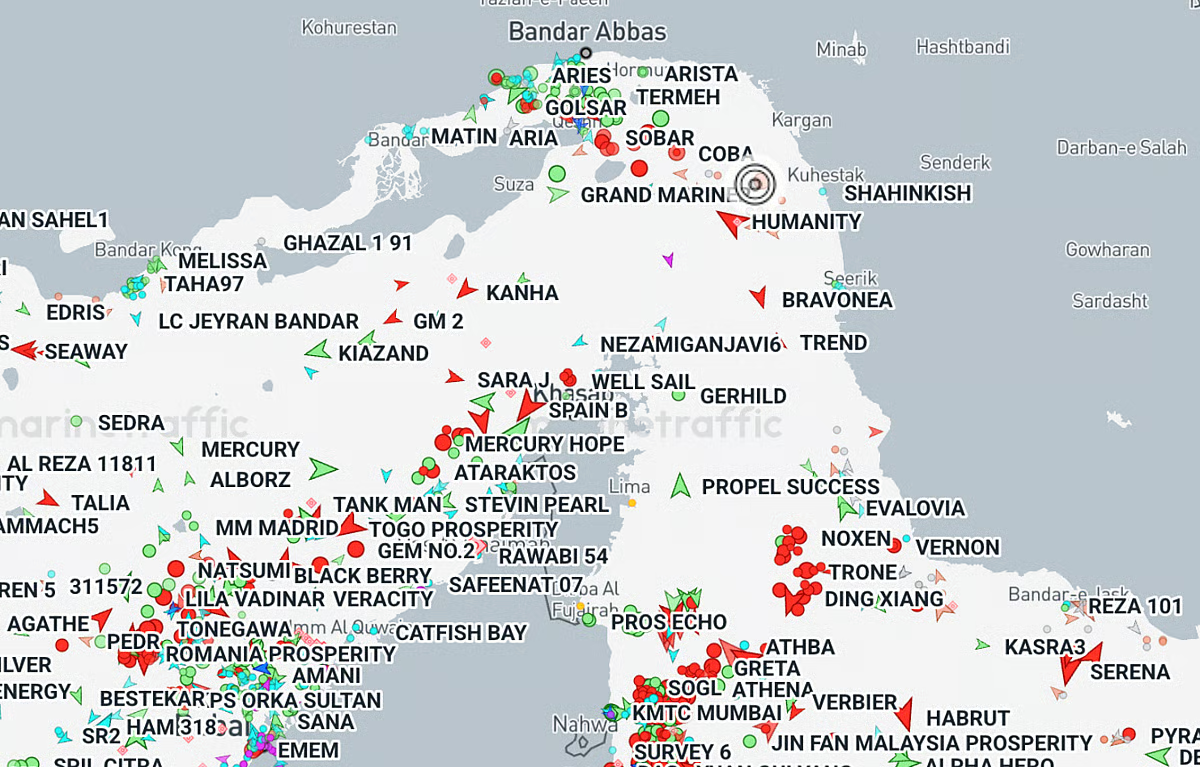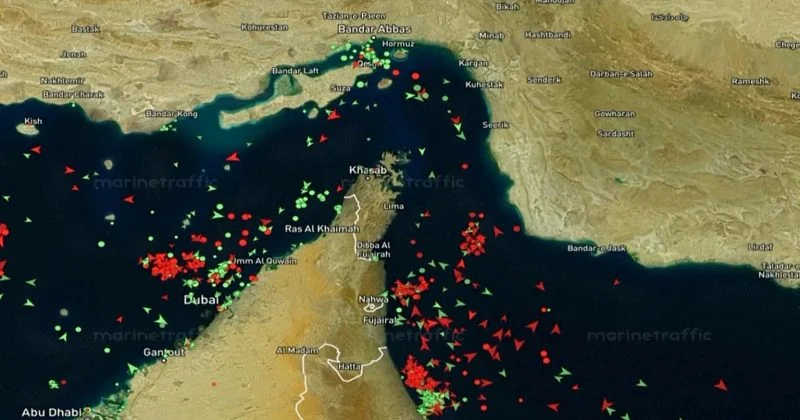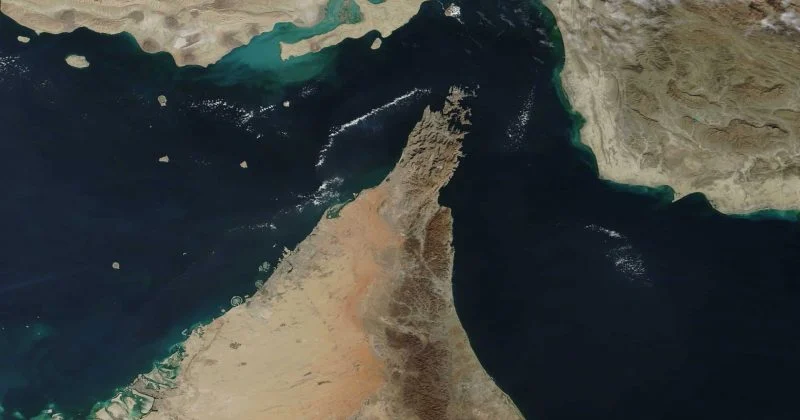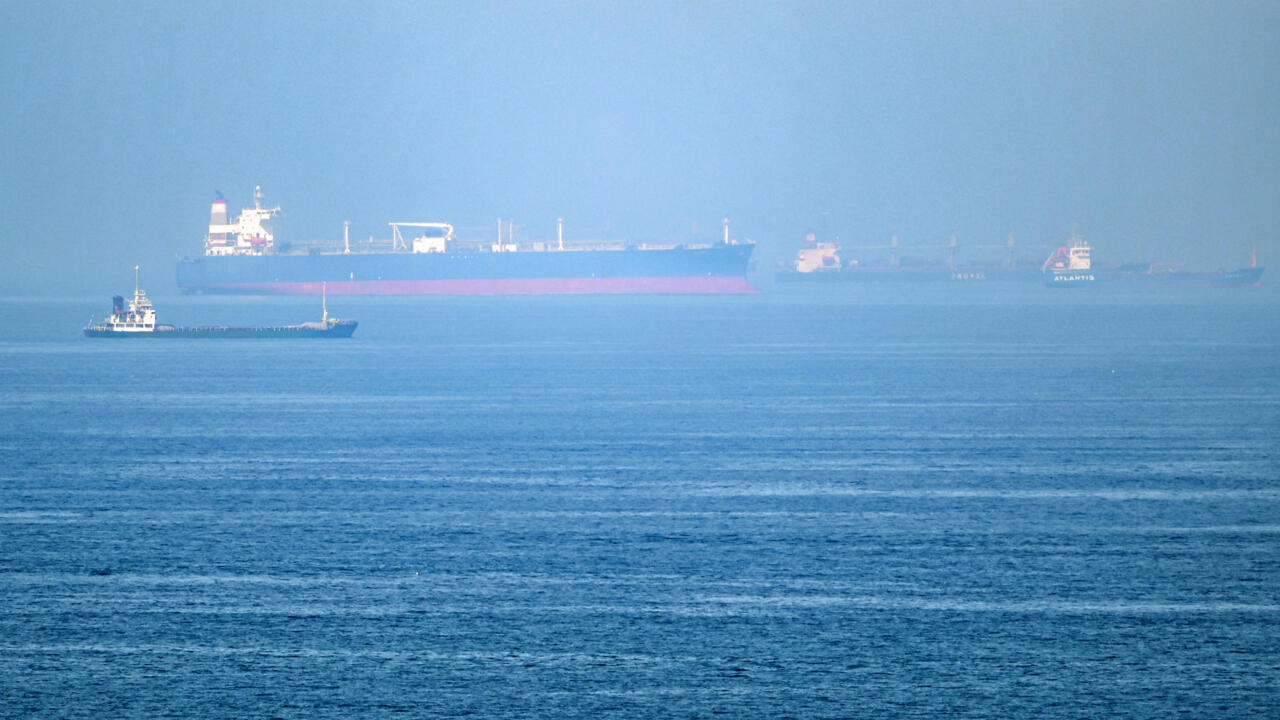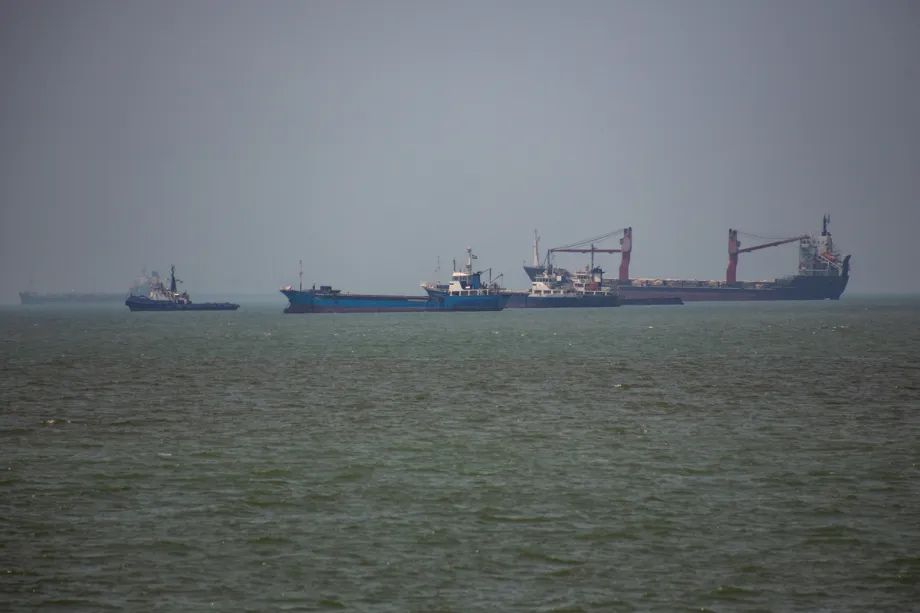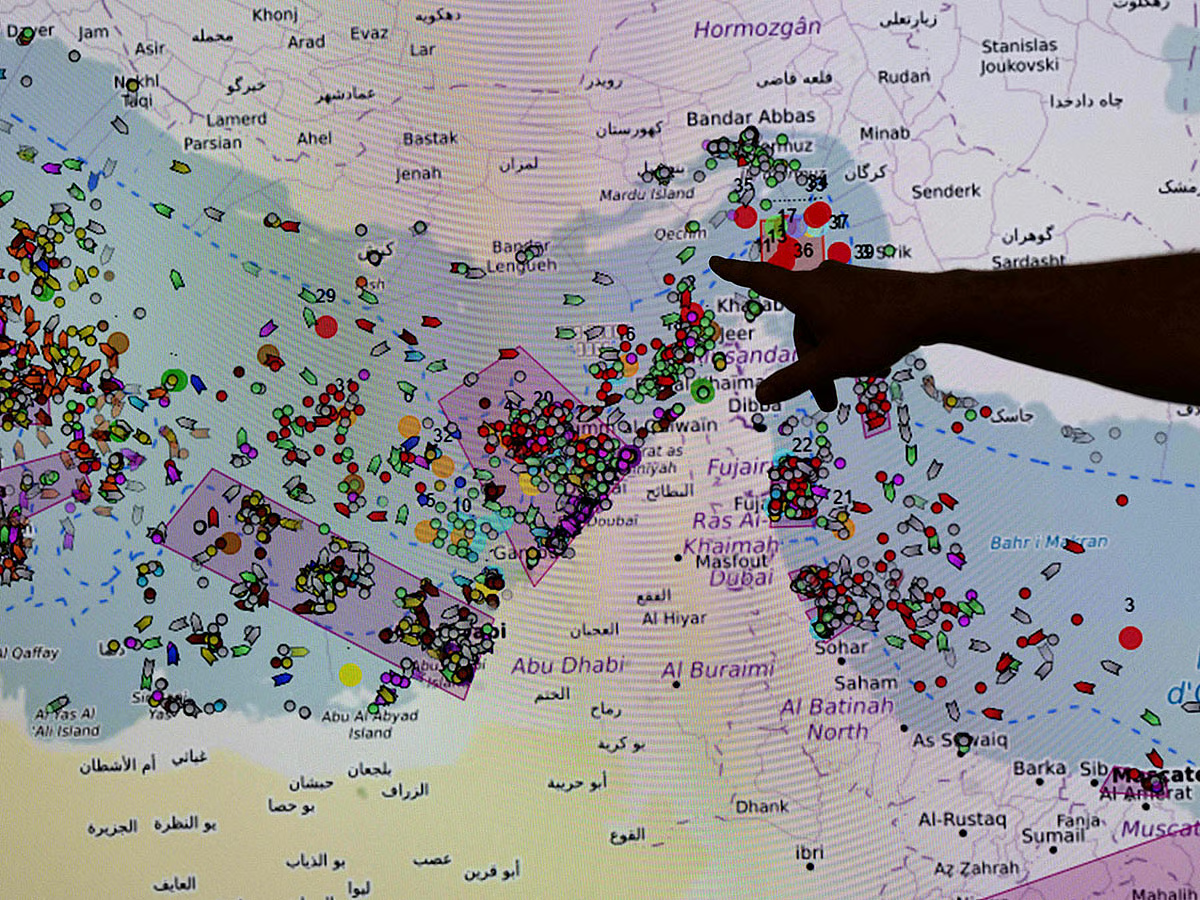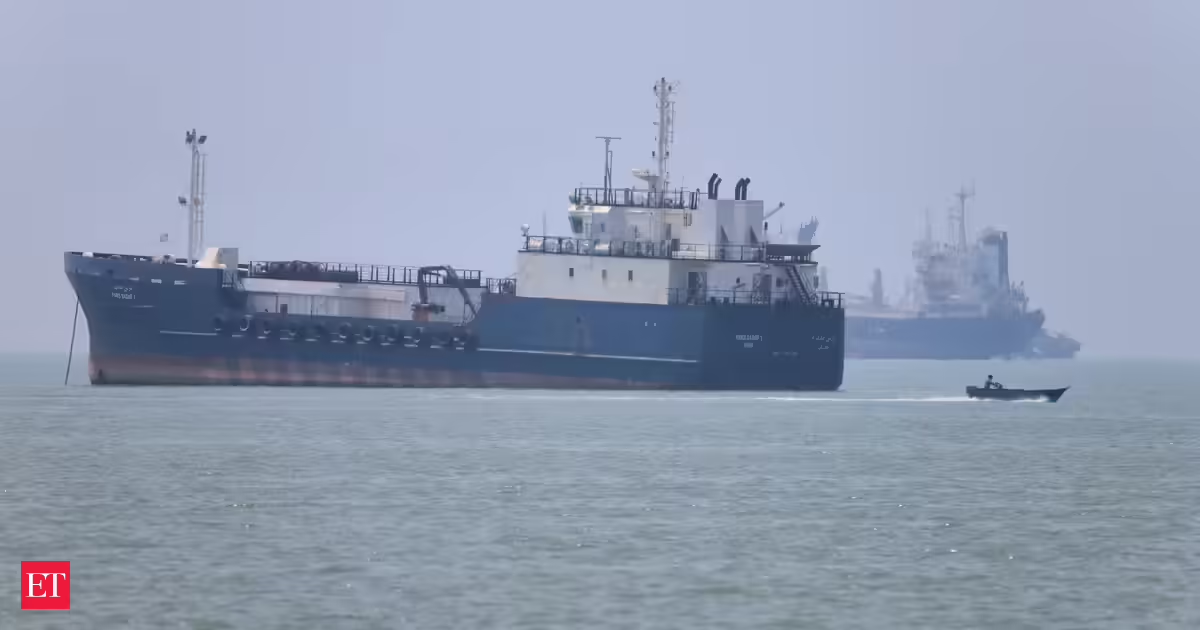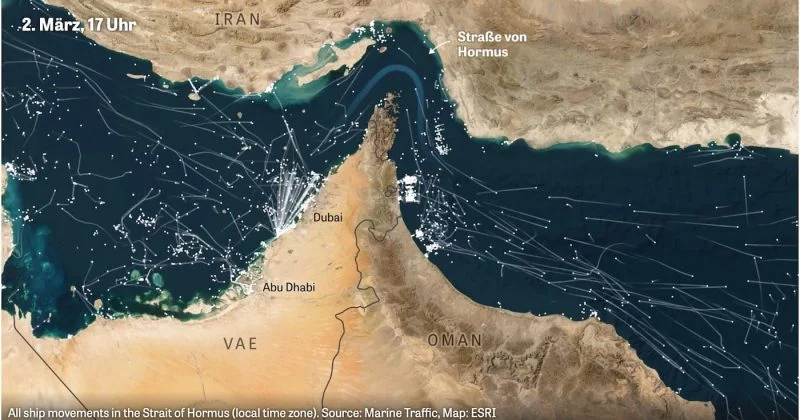
A week after the U.S. and Iran signed a provisional agreement to halt hostilities, movement through the Strait of Hormuz has increased significantly. Reports indicate that traffic has reached 70 crossings, a substantial rise from earlier figures, although still below pre-conflict levels. This development comes as part of the Islamabad Memorandum of Understanding, a 14-point framework aimed at de-escalating tensions following a three-month conflict involving the United States, Israel, and Iran. The reopening of this crucial waterway, which facilitates a significant portion of the world’s oil trade, suggests a shift from military confrontation to diplomatic negotiation.
Markets appear to interpret the increased maritime activity in the Strait of Hormuz as an indication of normalization, with the potential for further stabilization if the ceasefire holds. Despite the positive movement, neither side refers to the current state as peace, indicating ongoing complexities in the relationship. With the ceasefire in effect and negotiations for a final peace treaty underway, observers are closely watching for signs of further economic and diplomatic progress.
Key Takeaways
Increased traffic through the Strait of Hormuz suggests a move towards normalization, consistent with a YES outcome in related markets.