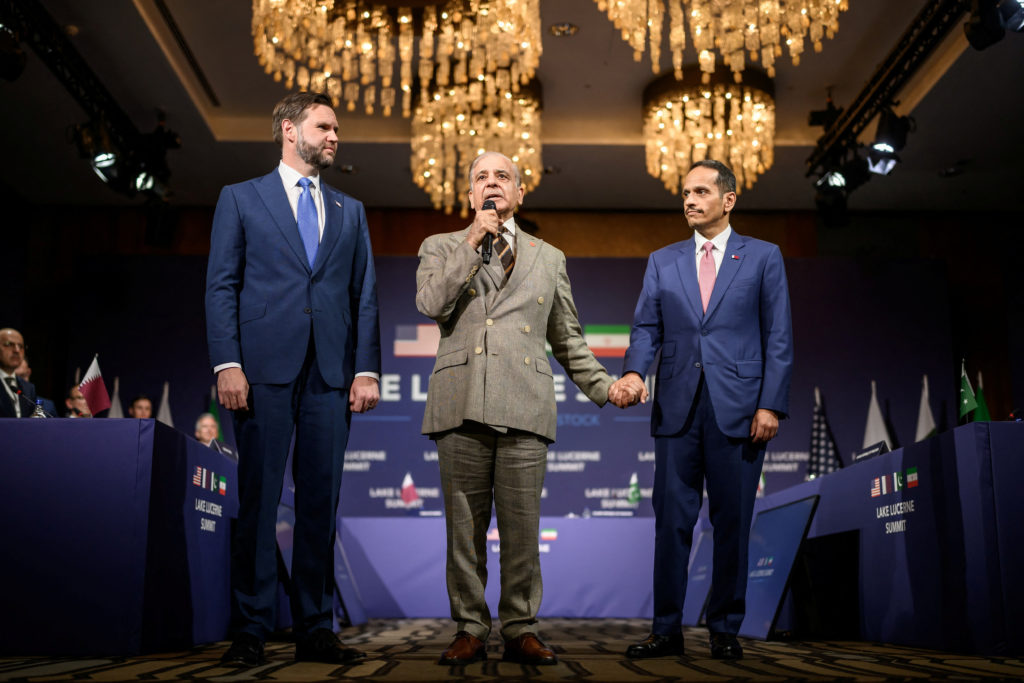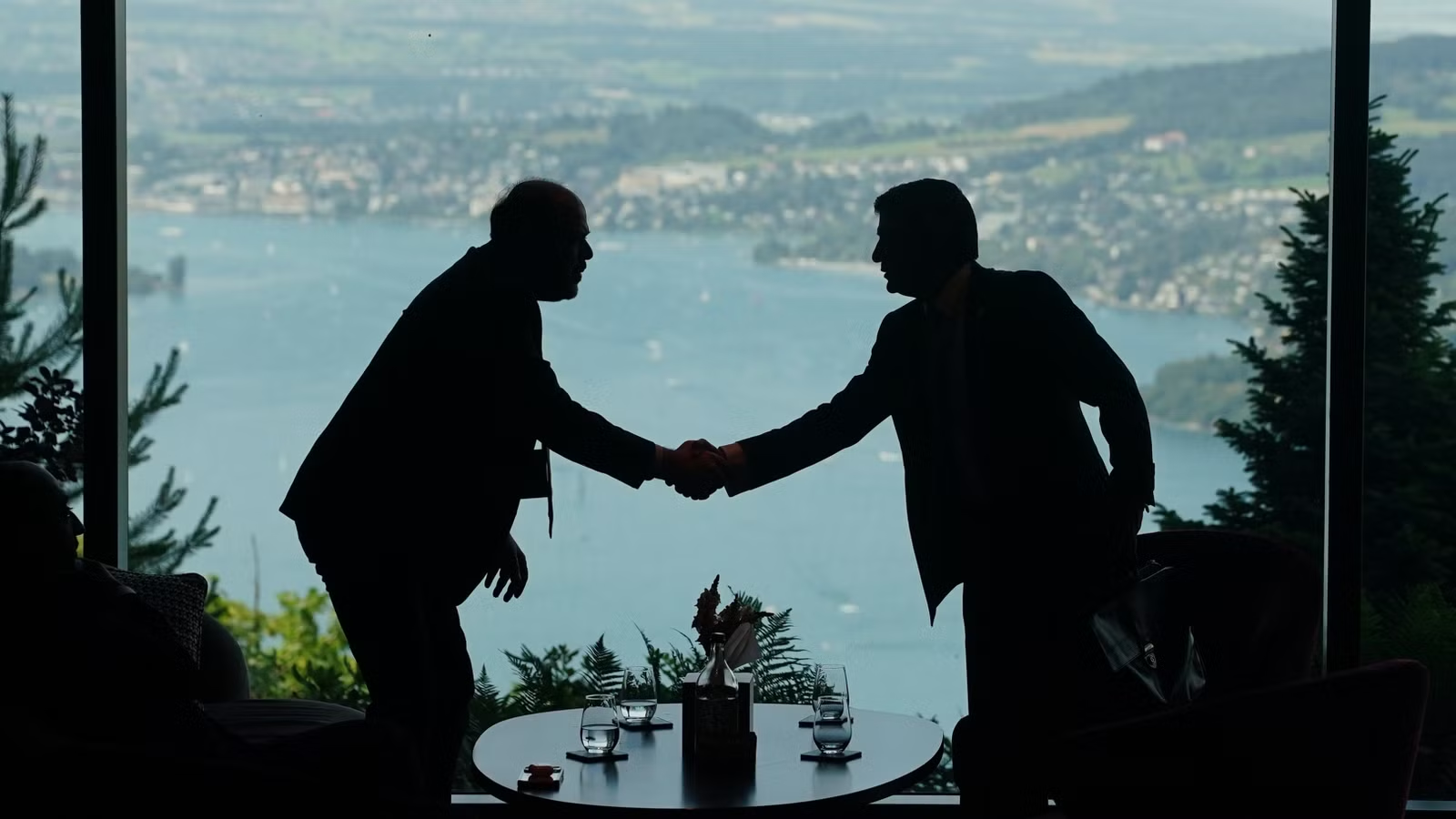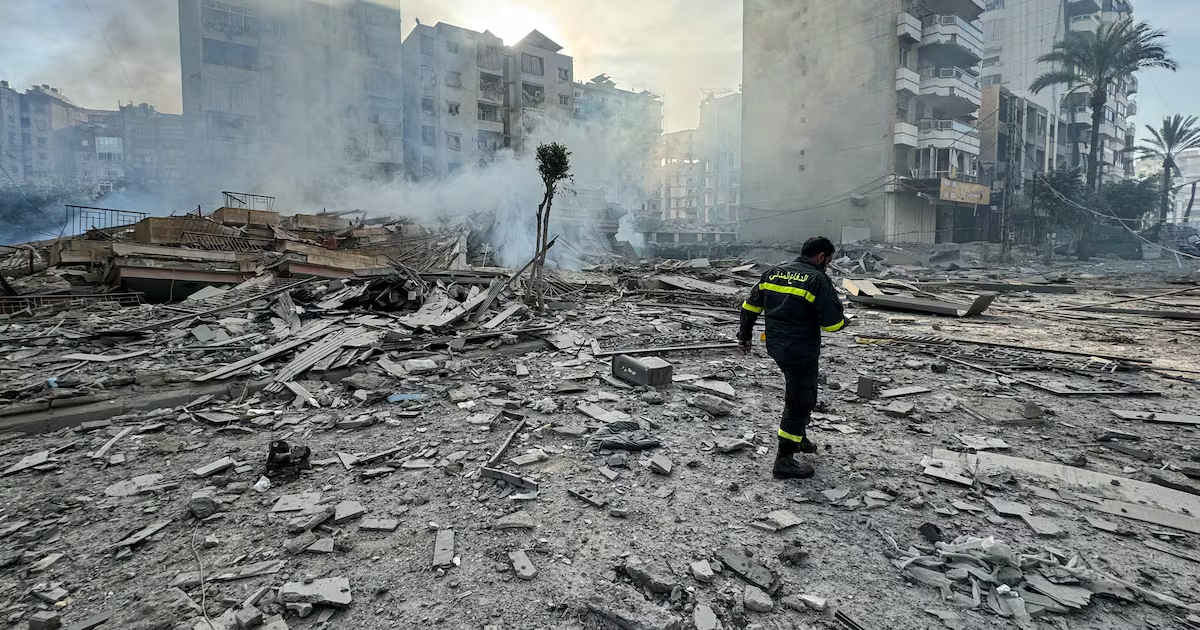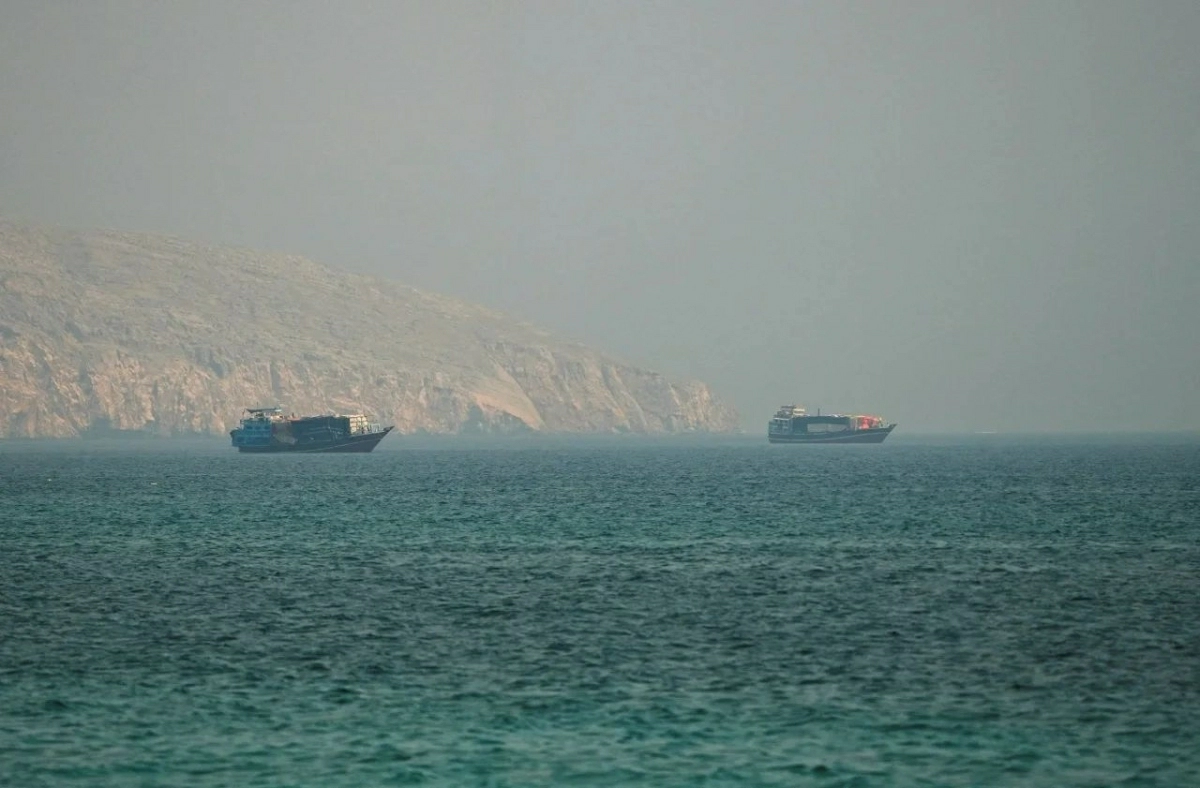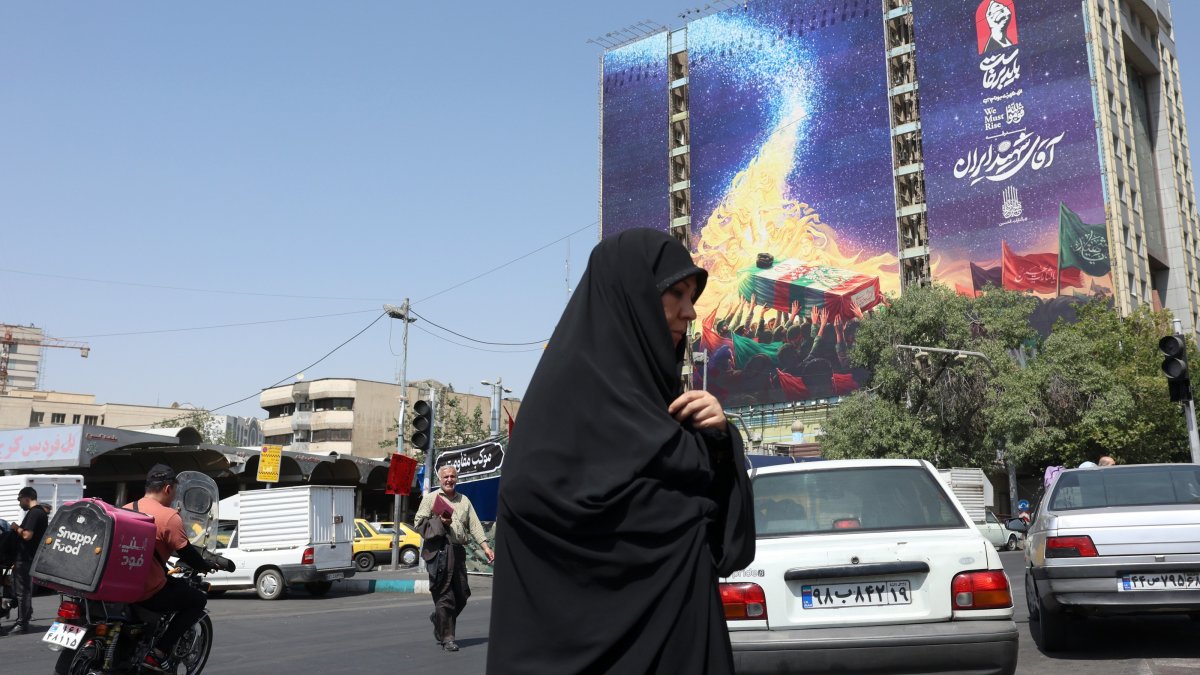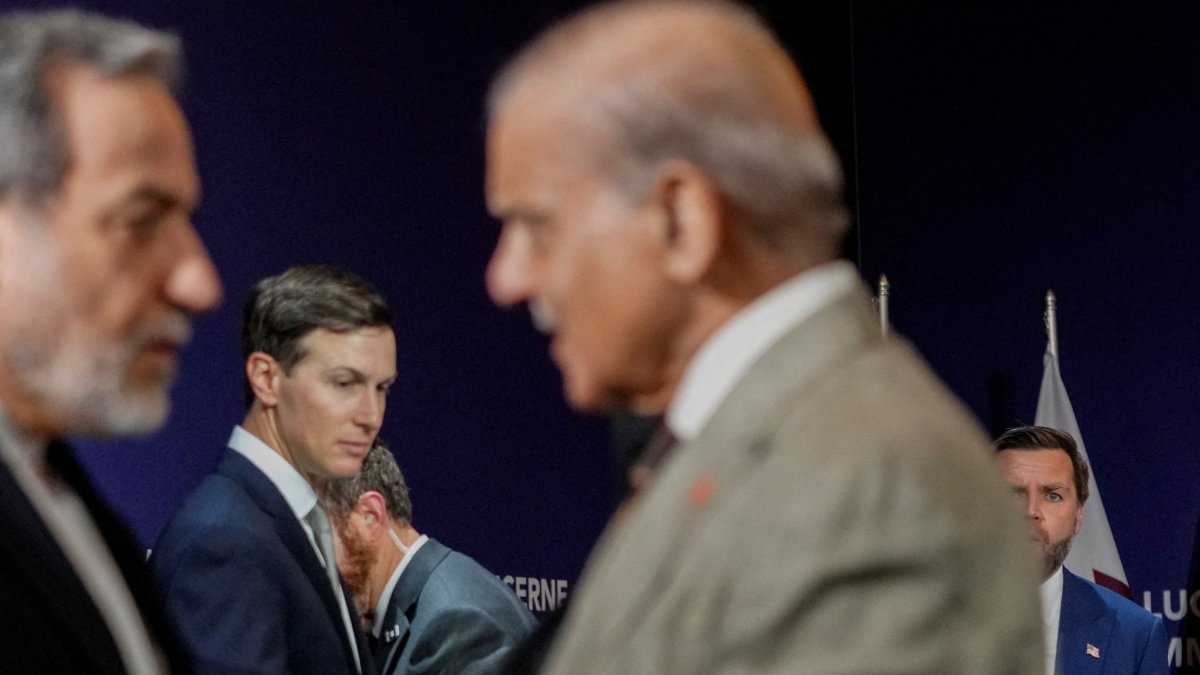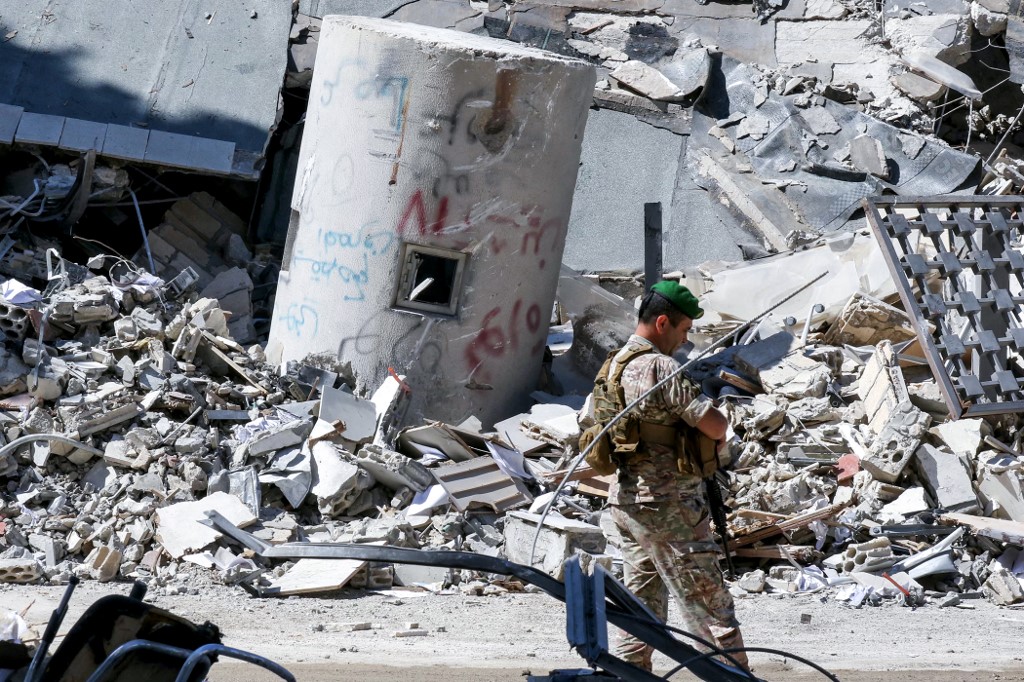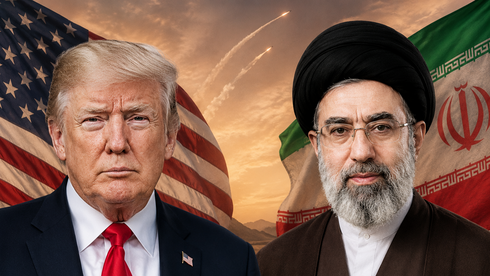
ISLAMABAD (AP) — As the U.S. and Iran exchanged escalating strikes on June 11, a plane carrying Qatari mediators was stranded on the tarmac in Tehran.They had been engaged in intensive talks through the night, attempting to halt what appeared to be a spiral back into all-out war, a diplomat briefed on the talks said.The scene on the runway encapsulated the tumultuous diplomatic process, led by Pakistan and Qatar, that led to last week’s deal to end a war that destabilized the Middle East and damaged the world economy.It was one of several moments in which social media threats or actual hostilities threatened to reignite the war. Negotiations on implementing the deal face similar challenges, including violence in Lebanon and threats over the Strait of Hormuz.This account of the behind-the-scenes diplomacy leading to the interim deal is based on Associated Press interviews with three Pakistani officials, two regional officials and the diplomat. They spoke on condition of anonymity to discuss the sensitive closed-door talks.In response to a request for comment on its role, Pakistan’s Ministry of Foreign Affairs referred the AP to previous public statements and said Pakistan will continue mediating. The White House declined to comment. Representatives of Qatar and Iran did not respond to requests for comment.
Mediators worked through threats and strikes to broker the US-Iran deal, and challenges remain
The interim peace agreement reached between the United States and Iran last week was the result of weeks of tough diplomacy repeatedly threatened by outbreaks of violence.
1,292 words~6 min read