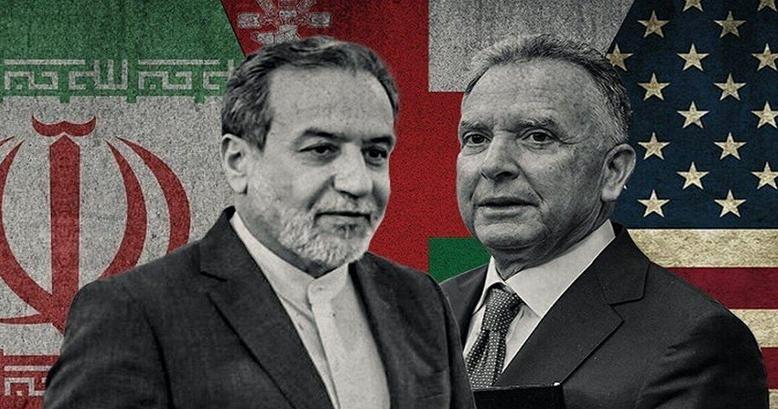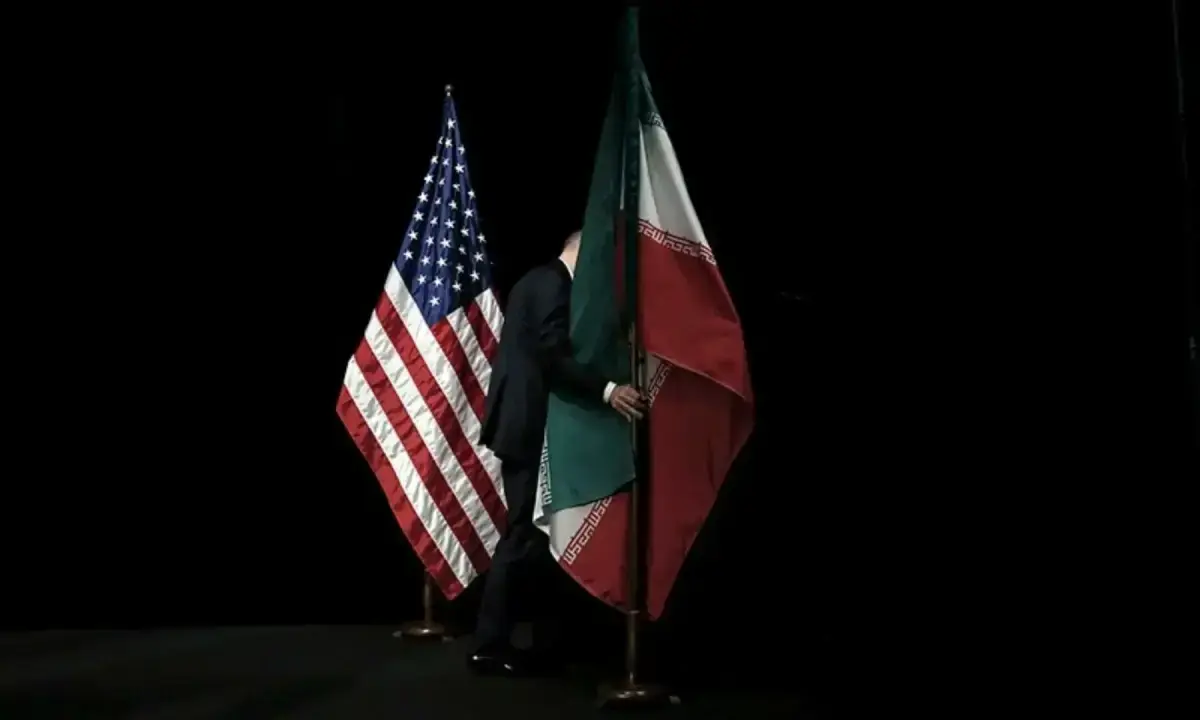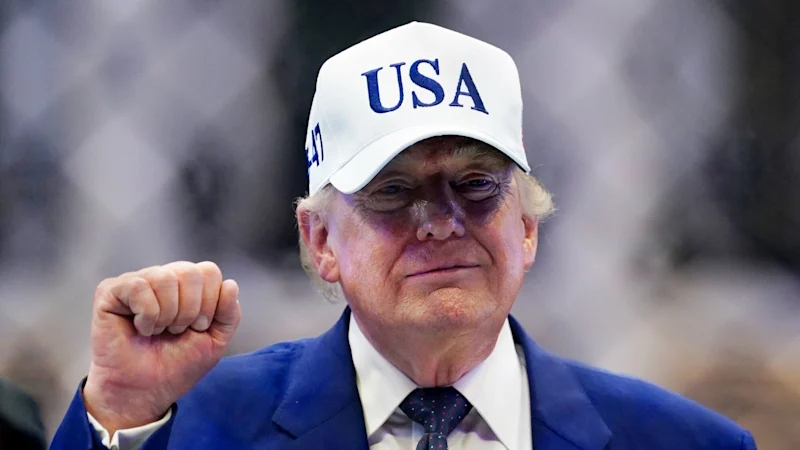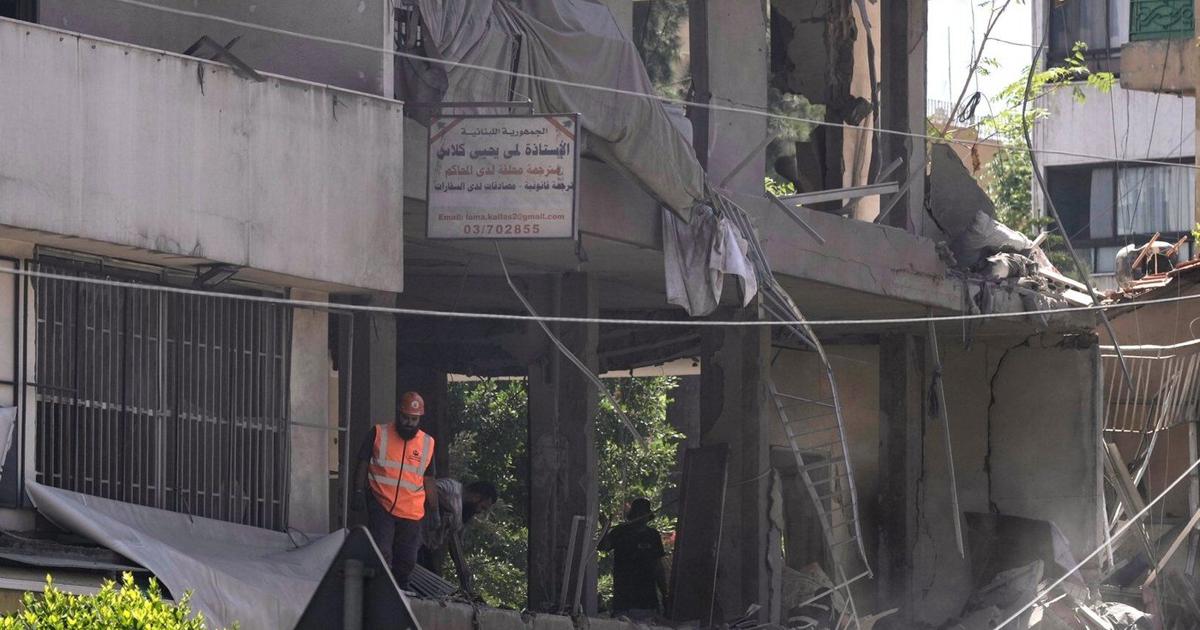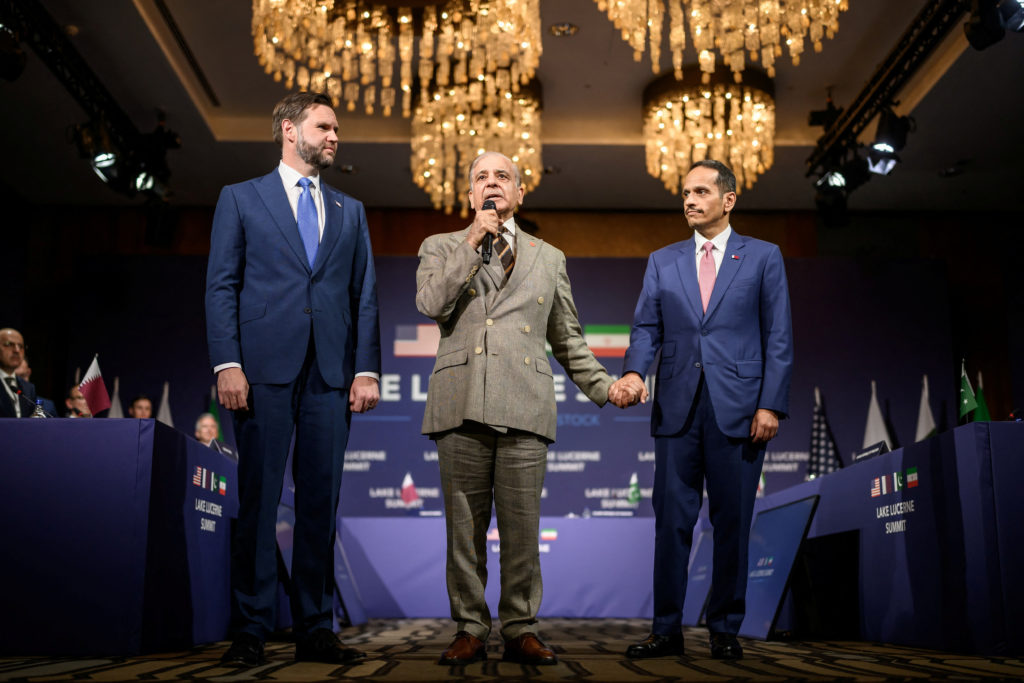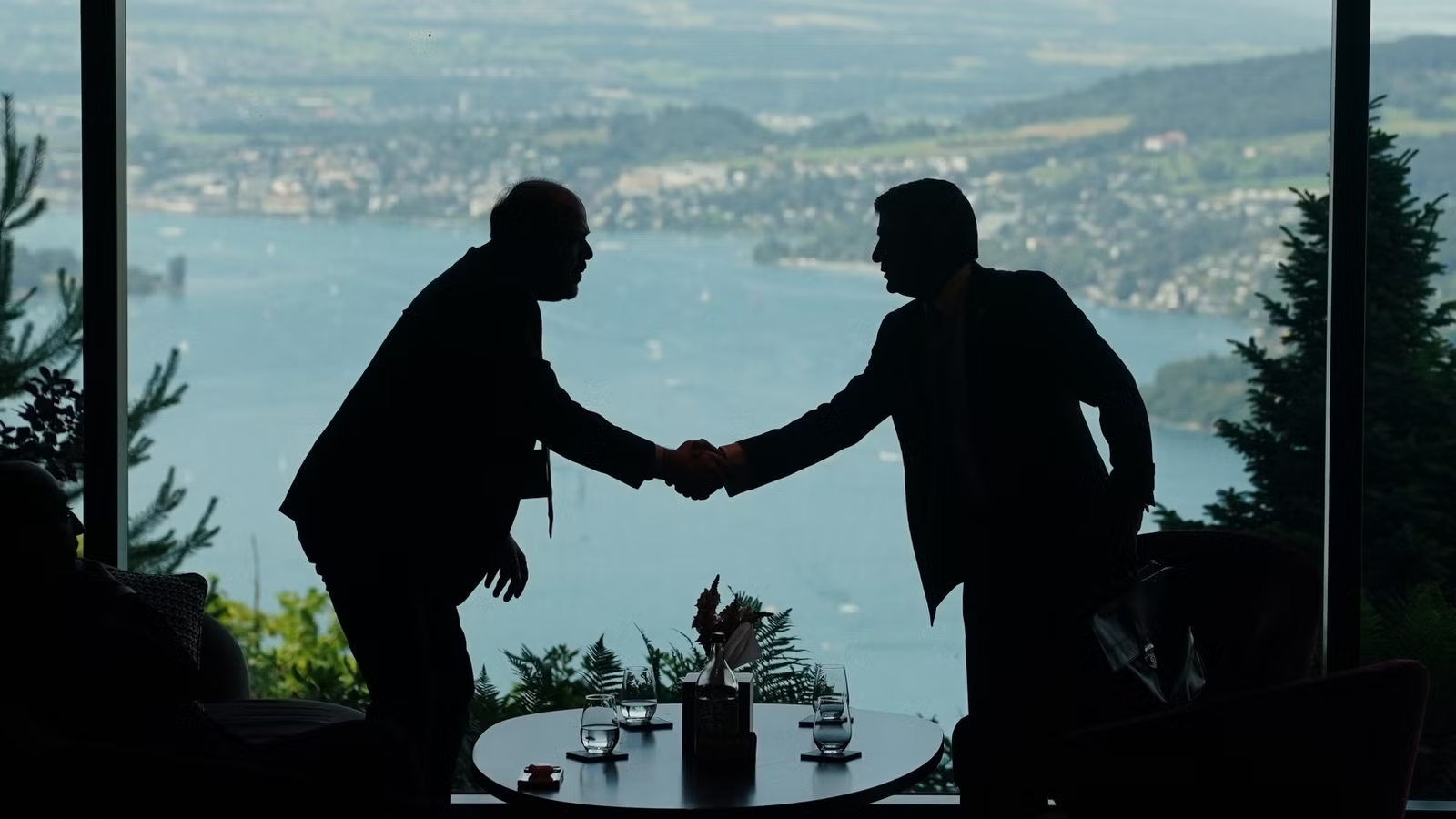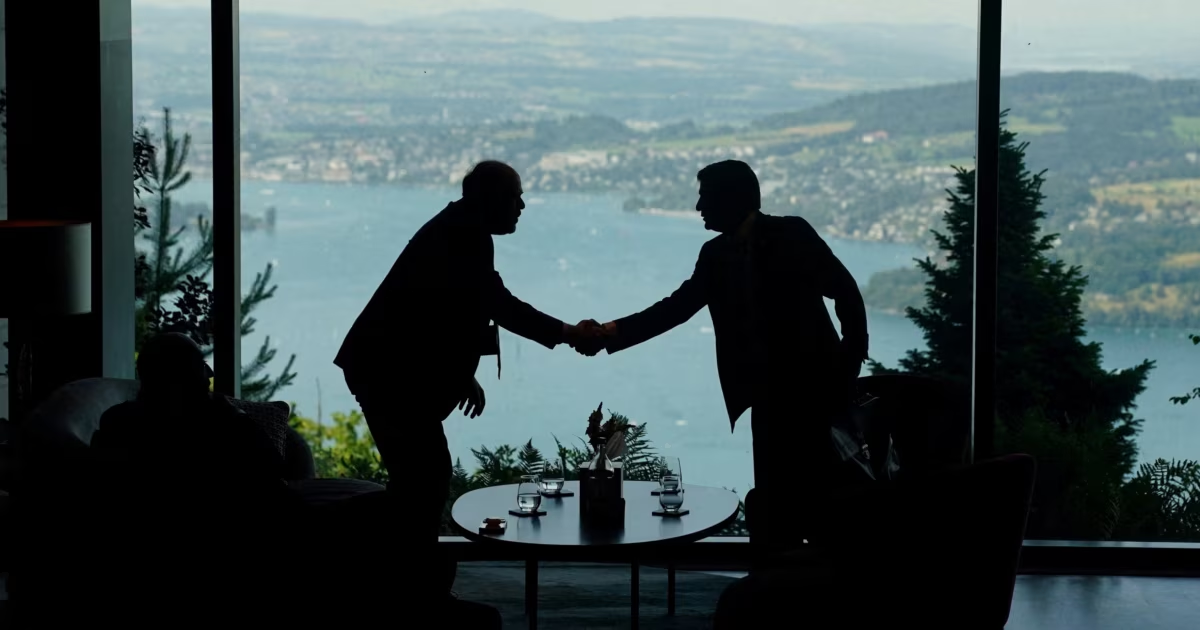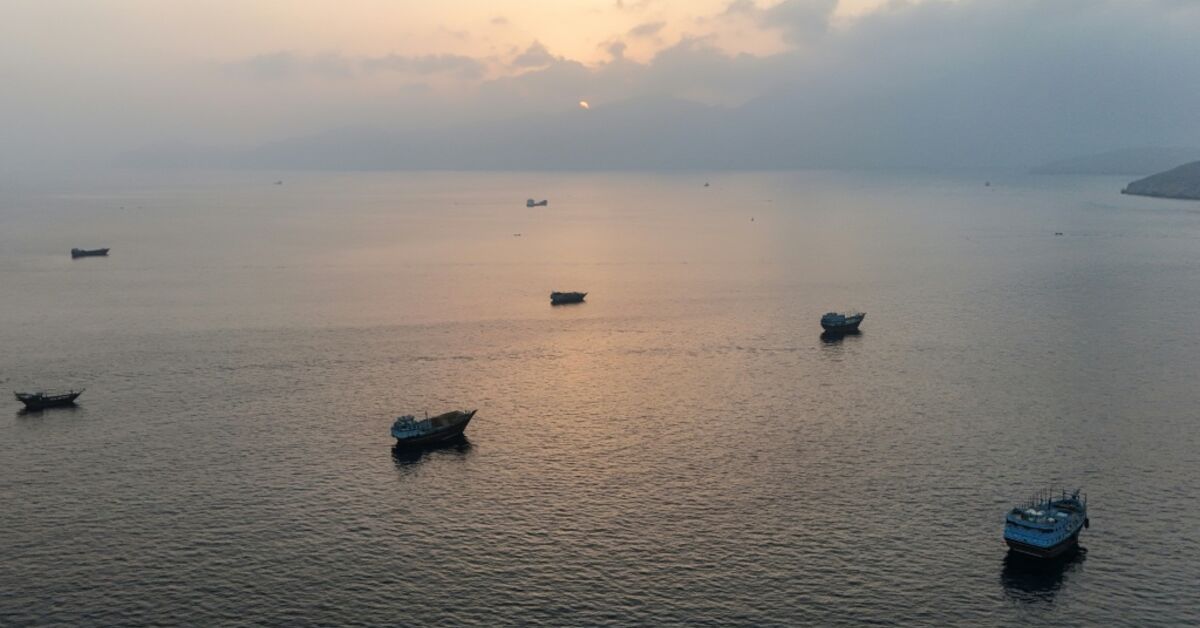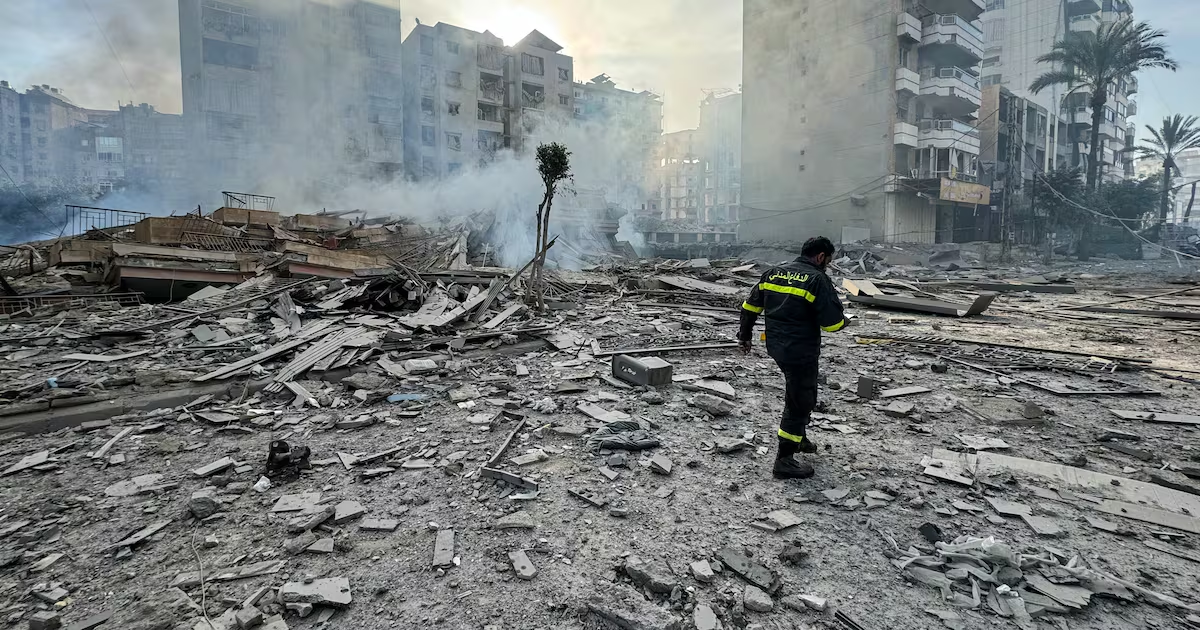
For a few hours in Tehran, the Qatari mediators allowed themselves to believe the worst might be over.After weeks of shuttling between two bitter foes, and an exhausting day of talks with Iranian officials, the small delegation saw a deal coming together that would include: an extended ceasefire, the reopening of the Strait of Hormuz and a framework for nuclear talks.Then, as they prepared to fly back to Doha in the early hours of Thursday, US fighter jets hit Iranian targets in southern Iran. By the time the American bombing stopped, Iran was firing missiles and drones at US bases in Jordan, Bahrain and Kuwait.The Qataris looked on from the tarmac. For almost seven hours, until 7am, they waited on the runway as the fragile diplomacy they had tried to foster risked unravelling at double speed. “It was a rollercoaster,” said a person briefed on the talks.The episode captured the central tension in a month-long diplomatic effort to keep the US and Iran from sliding back into war. Every time mediators appeared close to a breakthrough, another strike, threat or political intervention stymied their efforts to get the deal over the line.The one-page, 14-point memorandum of understanding being negotiated by Qatar and Pakistan was intended to extend the April 8th ceasefire.But getting it over the line meant bridging almost half a century of distrust, US president Donald Trump’s unpredictability and impatience for a quick result, and Tehran’s need for any compromise to look legitimate at home.One diplomat said one of the biggest challenges for mediators was the difference in “style”, contrasting Trump’s haste for a deal with Iran’s need for “process – weeks or years of negotiation”.“It needs for it [the deal] to be seen to be legitimate in the Iranian system, and that it did not just go and capitulate,” the diplomat said.[ Trump’s failure in Strait of Hormuz accelerates move towards a post-US worldOpens in new window ]US president Donald Trump (R) shakes hands with the emir of Qatar, Sheikh Tamim bin Hamad Al Thani during a bilateral meeting on June 16, 2026 in Evian-les-Bains, France. Photograph: Anna Moneymaker/Getty Images TrustThe overriding problem for the mediators was attempting to build even rudimentary trust between the two sides. The Iranians “were very suspicious” of Trump’s intentions, people briefed on the talks said. Iran was twice attacked by the US and Israel when in the midst of talks – first before Israel’s 12-day June war last year and again when the US and Israel strikes launched the latest conflict on February 28.After numerous contacts, mediators in Tehran finally felt confident they had a good proposal that had the buy-in of US officials in mid-May.But optimism was dashed when they were informed as they left Iran that Trump was considering striking.In a bid to keep the diplomacy on track, Qatari, Saudi and Emirati leaders called the US president, telling him the mediators were close to a deal and urging him to keep his finger off the trigger.Trump heeded their counsel. He posted that same day that he had suspended an attack on Iran scheduled for the following day as “serious negotiations were now” taking place with Tehran.DeadlineA satellite view of the Strait of Hormuz, a strategic waterway between Iran and Oman that links the Persian Gulf to the Arabian Sea. Photograph: Gallo Images via Getty Images Then Trump set a deadline. The US president made it clear to the mediators that he needed the Iranian response by the weekend or he would not hold back on attacks. The Qataris and Pakistani negotiators prepared to head back to Tehran.The mediators spent hours locked in discussions. The key issues were Iran’s demand for a commitment to permanently end the war; securing assurances that Tehran would discuss with the US handing over its stockpile of highly enriched uranium; and the fate of the Strait of Hormuz.Both sides felt they had the upper hand. Iran had effectively closed the strait after the US and Israel ignited the war on February 28th, causing the worst global energy crisis in decades.Emboldened by its newfound leverage, it had been insisting it would charge a fee to ships passing the chokepoint.But to get a deal over the line, the mediators needed to convince Iran to set that demand aside, at least for the 60-day ceasefire extension.Trump had repeatedly insisted Iran would have to hand over its stockpile of 440kg uranium enriched close to weapons-grade level. Iran finally agreed to commit to discuss diluting the uranium or handing over the stockpile before the Qatari delegation left in the early hours of Saturday, May 23rd.In return, the US agreed to a phased process of sanctions relief that would be dependent on the progress of talks towards a final deal.By Saturday evening, Trump said a deal had “largely been negotiated” and would “be announced shortly”.But the parties continued to haggle.“The Iranians are very diligent negotiators; they check every word and negotiate the meaning of it,” said one of the people briefed on the talks.But worse was to come. Israel’s premier Binyamin Netanyahu threatened to bomb Hizbullah targets in Beirut, escalating the conflict with the Iranian-backed militant group in Lebanon.Iranian media reported that Tehran, which has insisted that conflict be included in its ceasefire with the US, had suspended talks with Washington as a result on June 1st.That caused Trump to get on the phone to Netanyahu that Monday afternoon and deliver his partner in the war an expletive-laden tongue-lashing. That seemed to calm the situation.But the following weekend, Israel and Iran exchanged fire for the first time since the April 8th truce, after Israeli forces launched strikes against a building in southern Beirut, a stronghold of Hizbullah, the Lebanese militant movement that is Iran’s most important proxy.The tit-for-tat ended after Trump intervened saying Israel and Hizbullah had agreed the “shooting will stop”.SetbackFire rises from the site of an Israeli airstrike in the southern suburbs of Beirut early on March 6, 2026. Photograph: Fadel Itani/AFP via Getty Images One potential deal-breaker had been dealt with and on Tuesday last week, the mediators again thought they were on the verge of a deal. But another setback quickly emerged after Trump blamed Iran for shooting down a US Apache helicopter the previous night.The crew was rescued and Iran signalled it was a mistake, but Trump said he had to respond. It prompted two consecutive overnight exchanges of fire – including the clash that left the Qatari mediators stranded at the airport.Throughout the week of skirmishes, the diplomacy continued in the background.On Friday last, Trump, who had spent the week oscillating between saying a deal was close and venting his frustration at Iran, furiously claimed Tehran was distorting the agreement.PushMotorists drive past a plume of smoke rising from a reported Iranian strike in the industrial district of Doha on March 1, 2026. Photograph: Mahmud Hams/AFP via Getty Images It was after Trump said on Saturday the MoU would be signed on the Sunday that Qatari negotiators returned to Tehran.At that point, Israel struck Beirut again – prompting another angry call from Trump, saying the strike “should not have happened” given it was responding to a “very small and meaningless” strike by Hizbullah.Crucially, he added there should be no more attacks by Israel “anywhere in Lebanon”.The Qataris, for their part, were attempting to convince the Iranians not to retaliate.They spent 17 hours in Tehran, at one point pausing to watch a football match at the World Cup in the US.The Qataris warned if a deal was not agreed before Trump went into the UFC event at the White House to celebrate his 80th birthday, they risked facing further American strikes the following day.Pakistani prime minister Shehbaz Sharif was the first leader who announced a deal had been reached just before 1am Tehran time.“It was very intense,” the person briefed on the talks said. “It was exhausting, but there was relief. It’s like when you finish a marathon, you are fully exhausted.“There’s cautious optimism – there’s still five days until the signing.”– Copyright The Financial Times Limited 2026[ Trump says US will be ‘guardian of the Middle East’. How much more can the region endure?Opens in new window ]
How the US-Iran deal came together amid threats, strikes and frantic diplomacy
Mediators spent weeks working on a plan to bridge nearly half a century of hostility between Washington and Tehran
1,361 words~6 min read