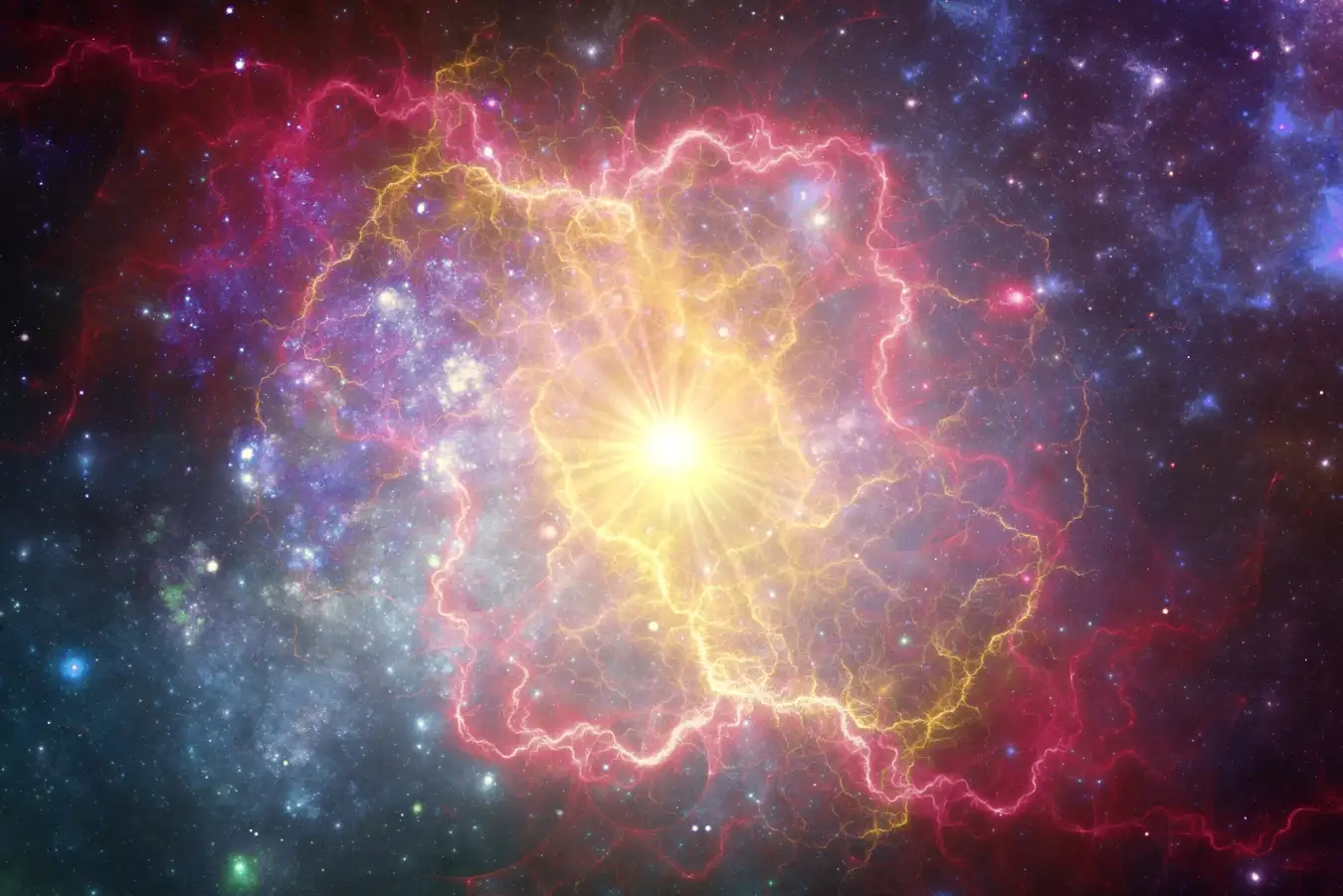
A supernova threatens a civilisation in Claire North’s Slow GodsShutterstock/Martin Capek
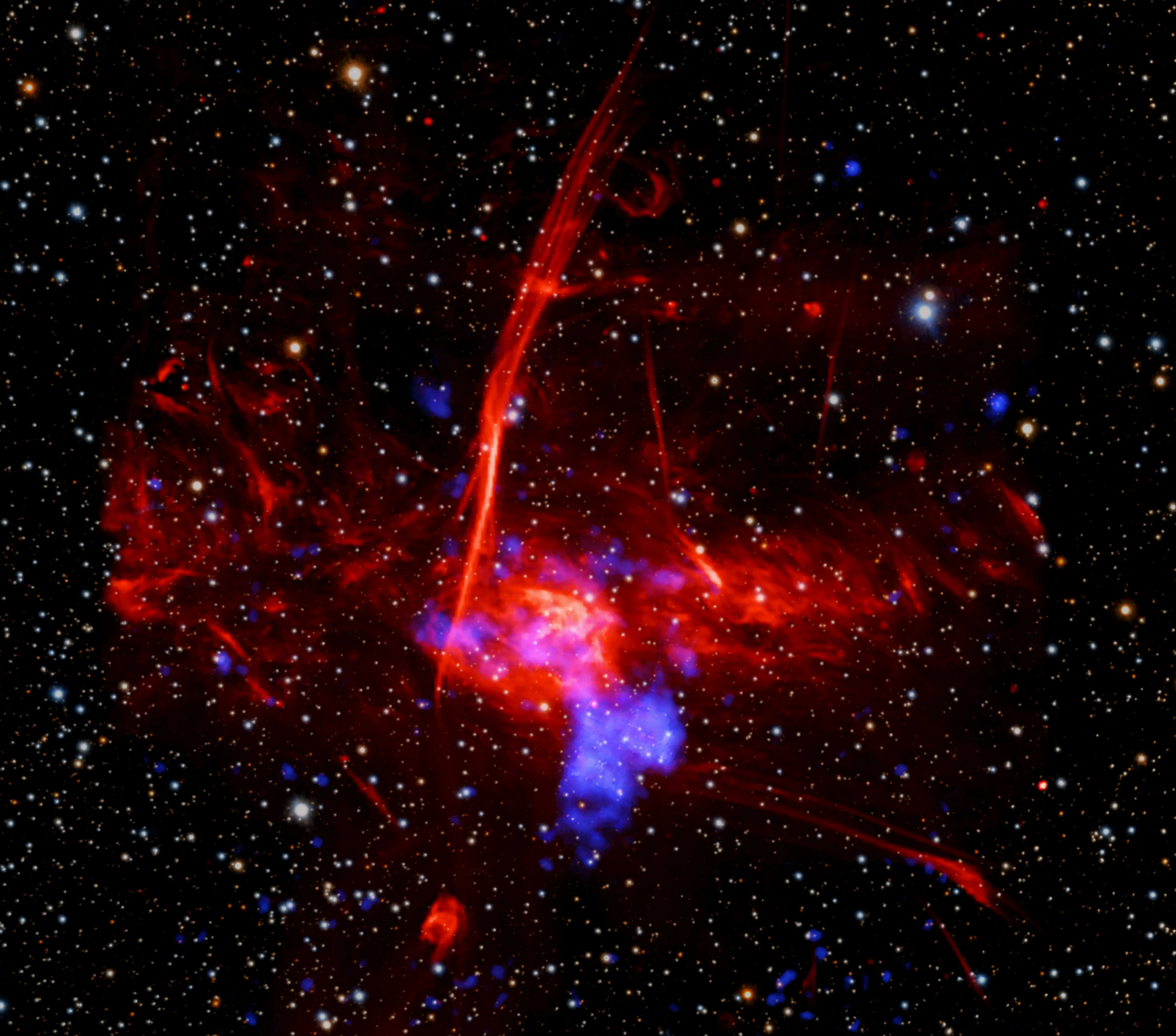
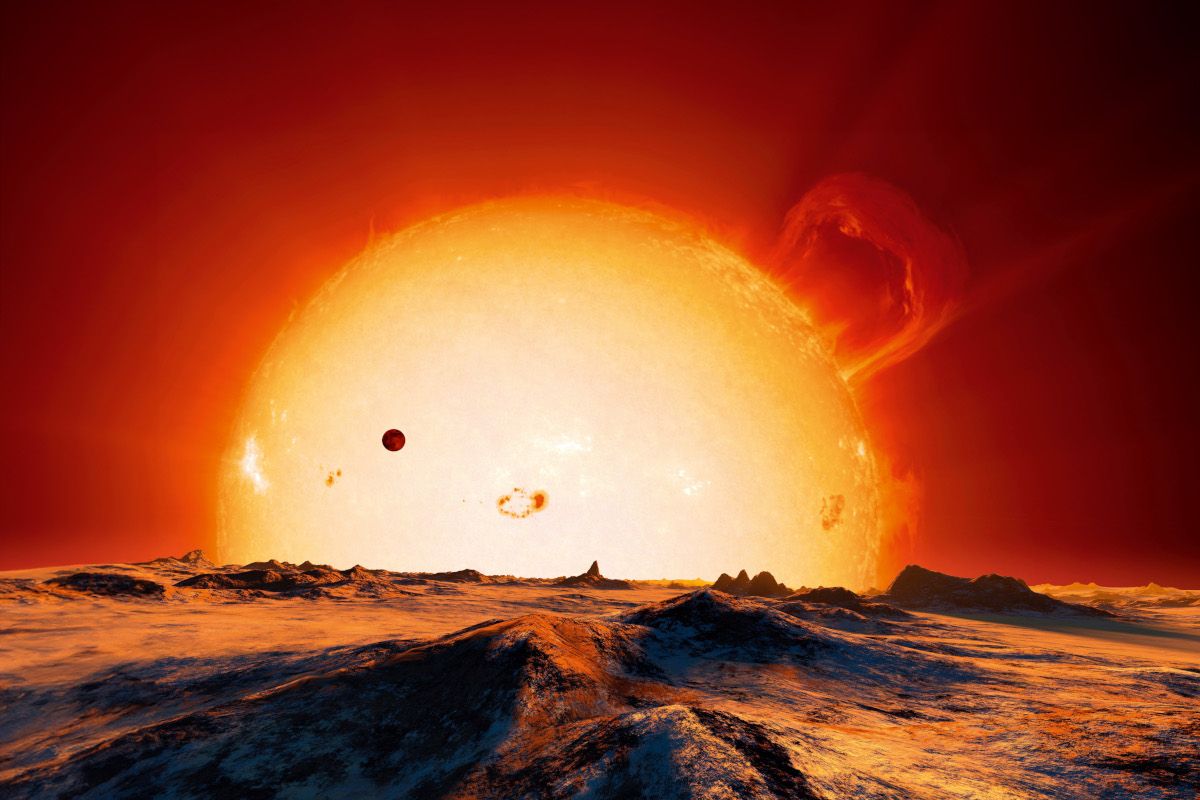
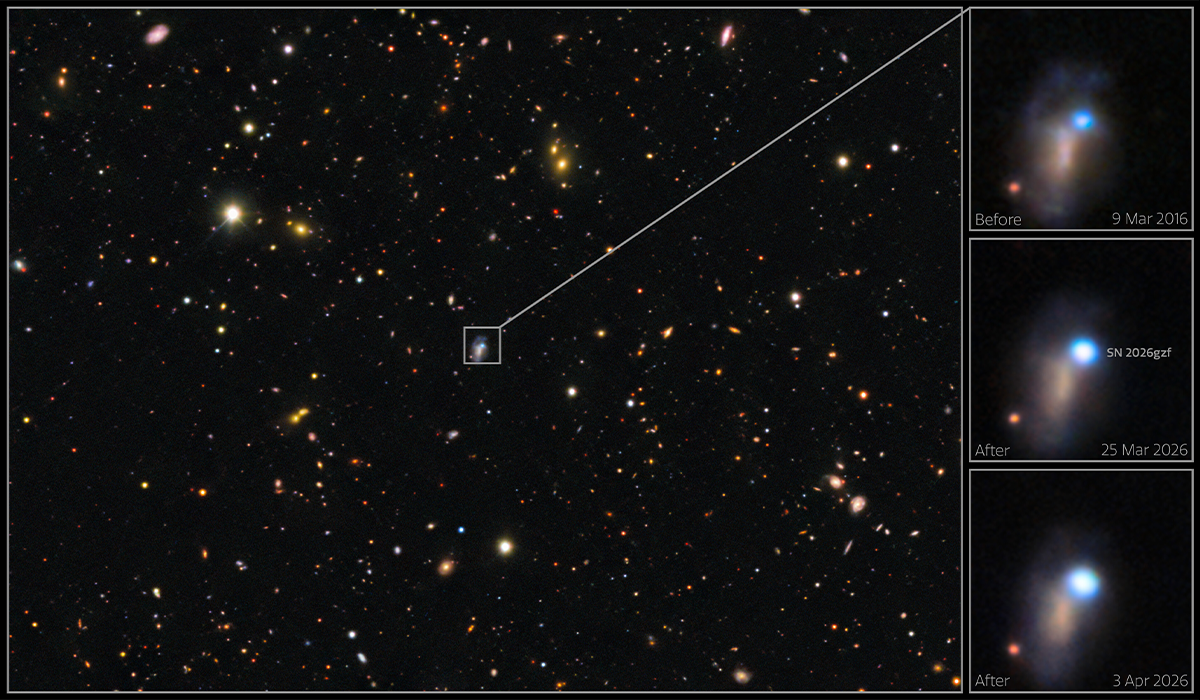
When I decided to write a space opera, I wanted to start with a supernova. There is no force in the universe like it, either in scale or destructive power – but though it is irrefutably dramatic, it’s also something you can see coming. As a writer, I find this fascinating. What does it mean to look into the heavens and know the exact date when a star will die and with it, your world? What choices do you make, and what price would you pay to save yourself – or your civilisation?
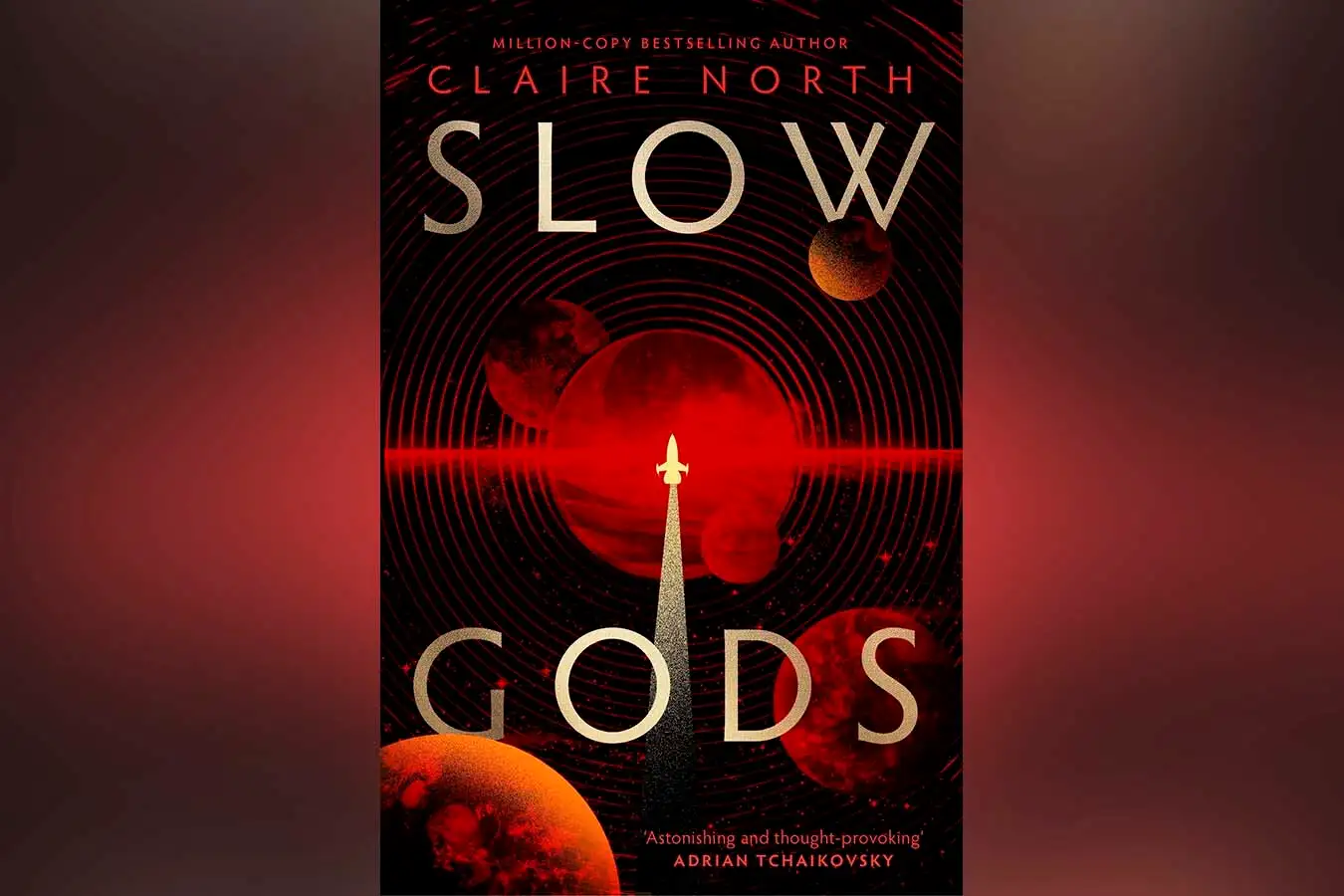
This is the story of Slow Gods.
Let’s imagine for a moment that you are one of these astronomers, watching the stars that will soon destroy your world. For millennia, you’ve known the supernova is coming, and for millennia your people have ignored it. It’s a difficult sell: “Let’s fundamentally transform our entire society to save the lives of billions of people… in about 500 years’ time.” Everyone agrees in a “rhubarb-rhubarb” sort of way that fine, yes, this is a good idea. For someone else. Later.
Well shucks. Suddenly millennia became centuries, became decades. Time is running out. Perhaps you are looking at your newborn grandchild when you realise: you know how, and when, this babe will die. Perhaps they suffocate as the oceans boil, burn alive as the atmosphere ignites or simply die from radiation sickness, skin and organs slowly liquefying. All the incremental changes you made down the years – a distant colony here, a bit of a space elevator there? Not enough. It’s time for your entire civilisation to re-tool around the grim but inescapable premise of saving what you can in the time that remains.