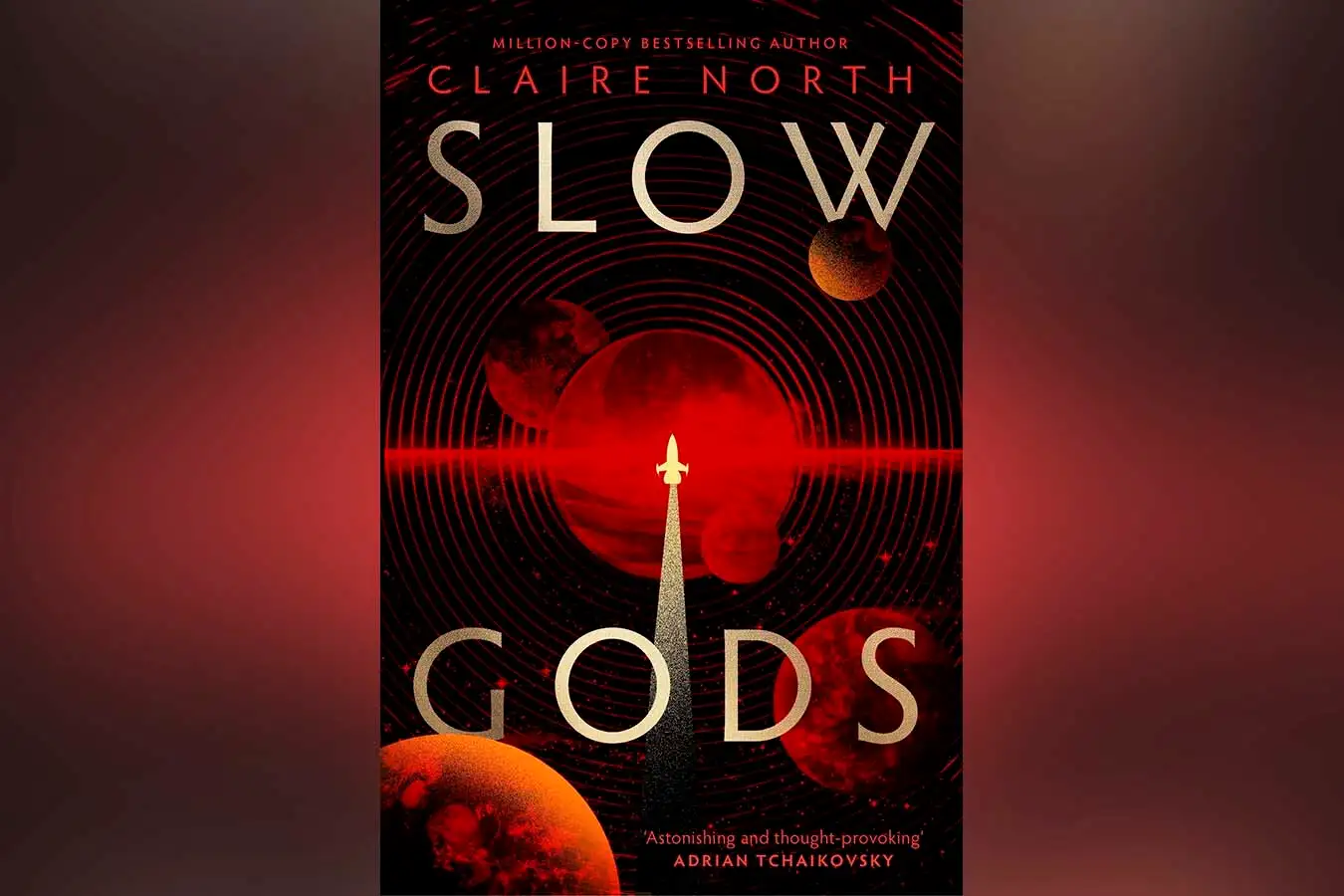
Slow Gods by Claire North is the New Scientist Book Club’s read for July
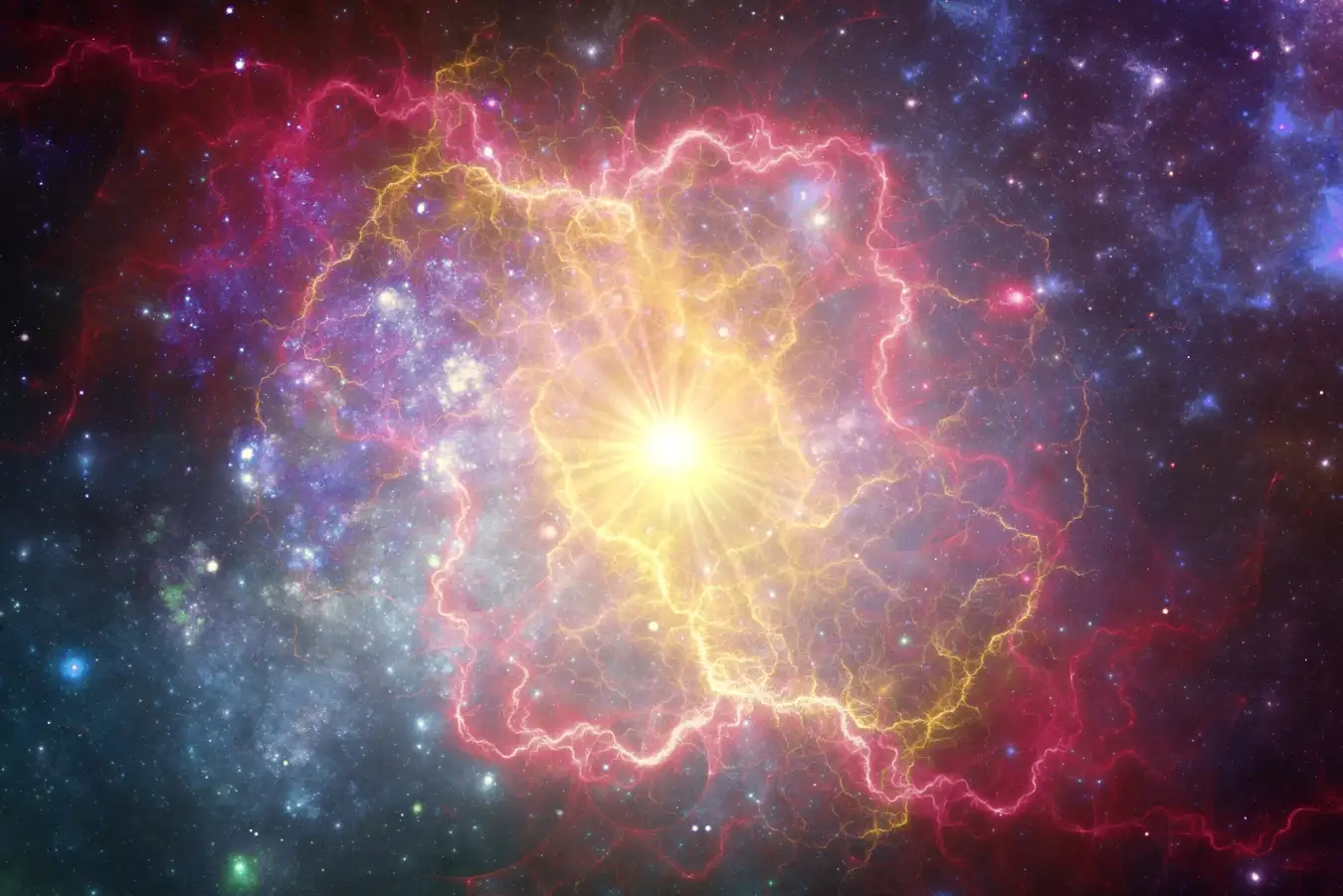
This is the story of the supernova event known as Lhonoja. By the end of it, several planets will have burned, a couple of civilisations will have fallen, and I will have spoken to an entity some consider a god, and whose theological status will remain in question throughout.
Before then, I must explain how I came to be, and for that, I must take you back several centuries, to Glastya Row.
Glastya Row started as a landing strip on the planet Tu-mdo.
Most urban establishments on most colonised worlds begin this way. Tu-mdo had been a prime terraforming candidate – comfortable gravity, good magnetic shield, not too hot, not too cold, not tidally locked and already possessed of a moon which, once water was thawed out in sufficient volume, would serve to stir the great big mixing bowl of Tu-mdo’s freshly churning oceans. The first colonists didn’t even need to spend five centuries in arcologies waiting for atmospheric conditions to settle, but were out and breathing without aid within a couple of pioneering generations. Two millennia later, Glastya Row had been transformed from pioneer’s outpost to merely another borough of some few million in the great city of Heom, a middling hub of profit and endeavour within the interplanetary-spanning United Social Venture.