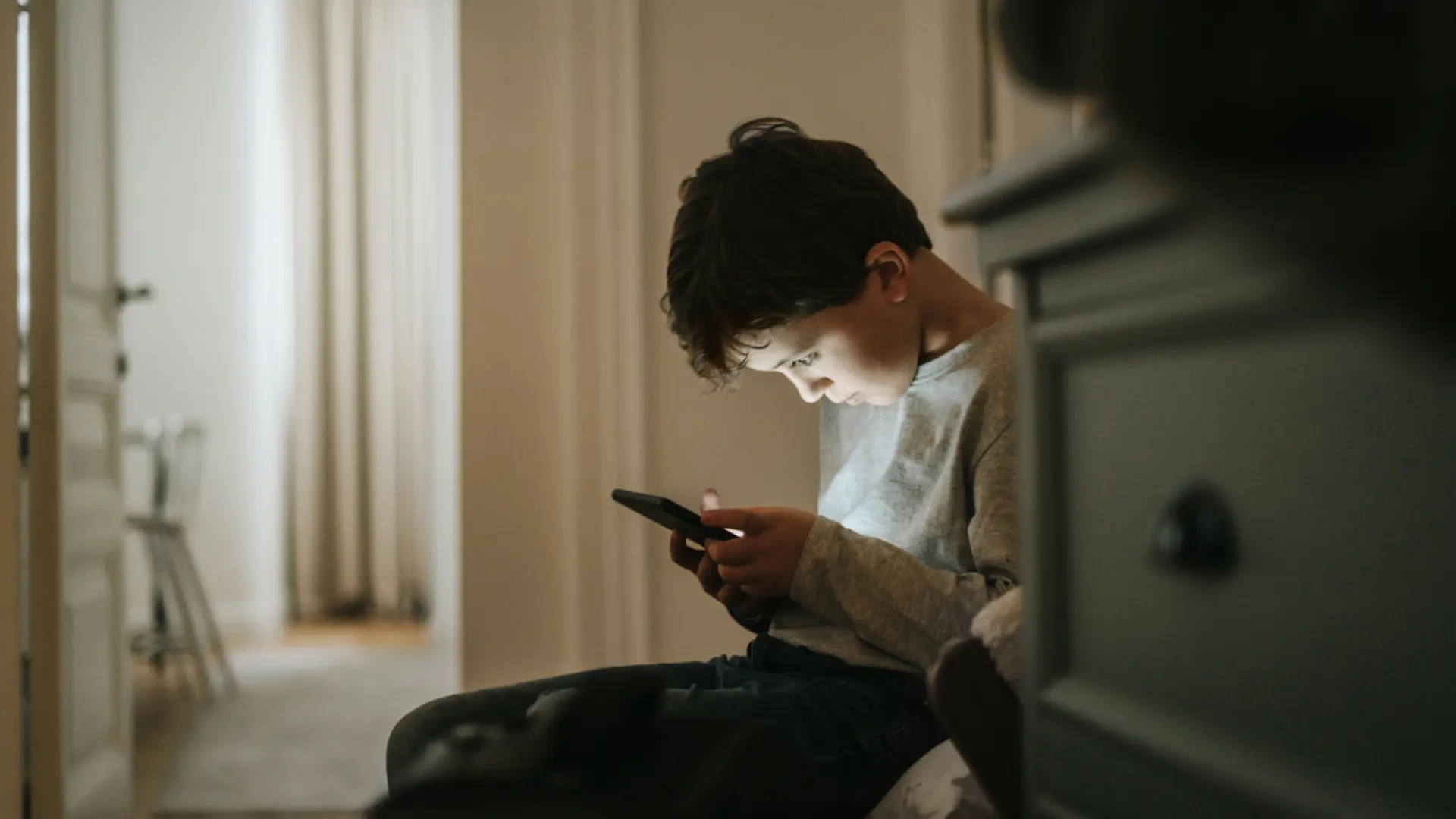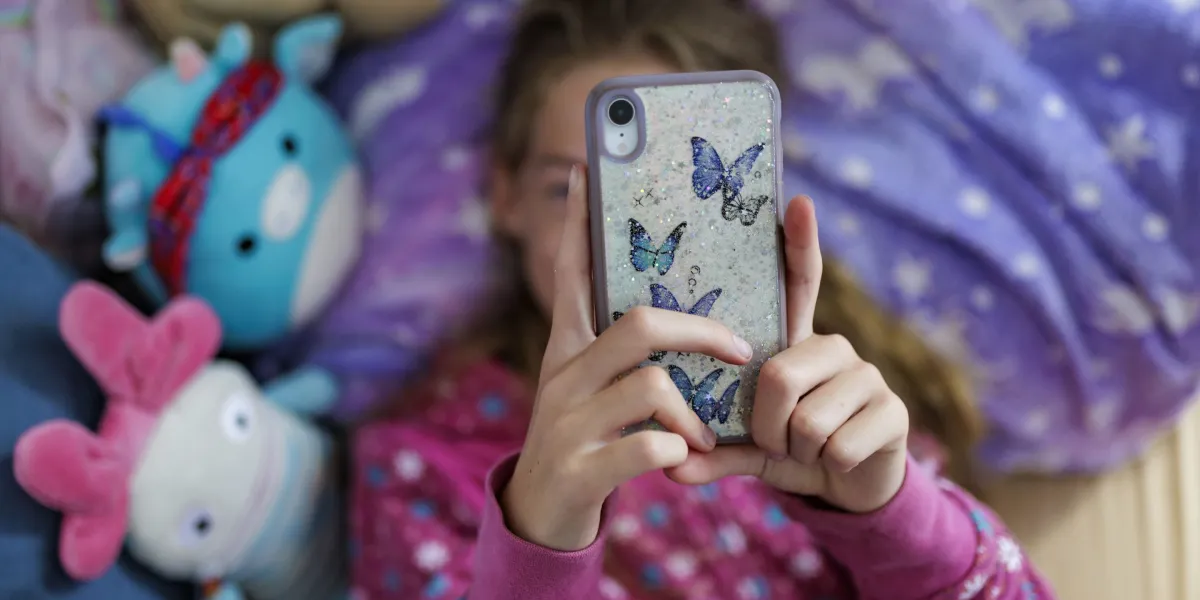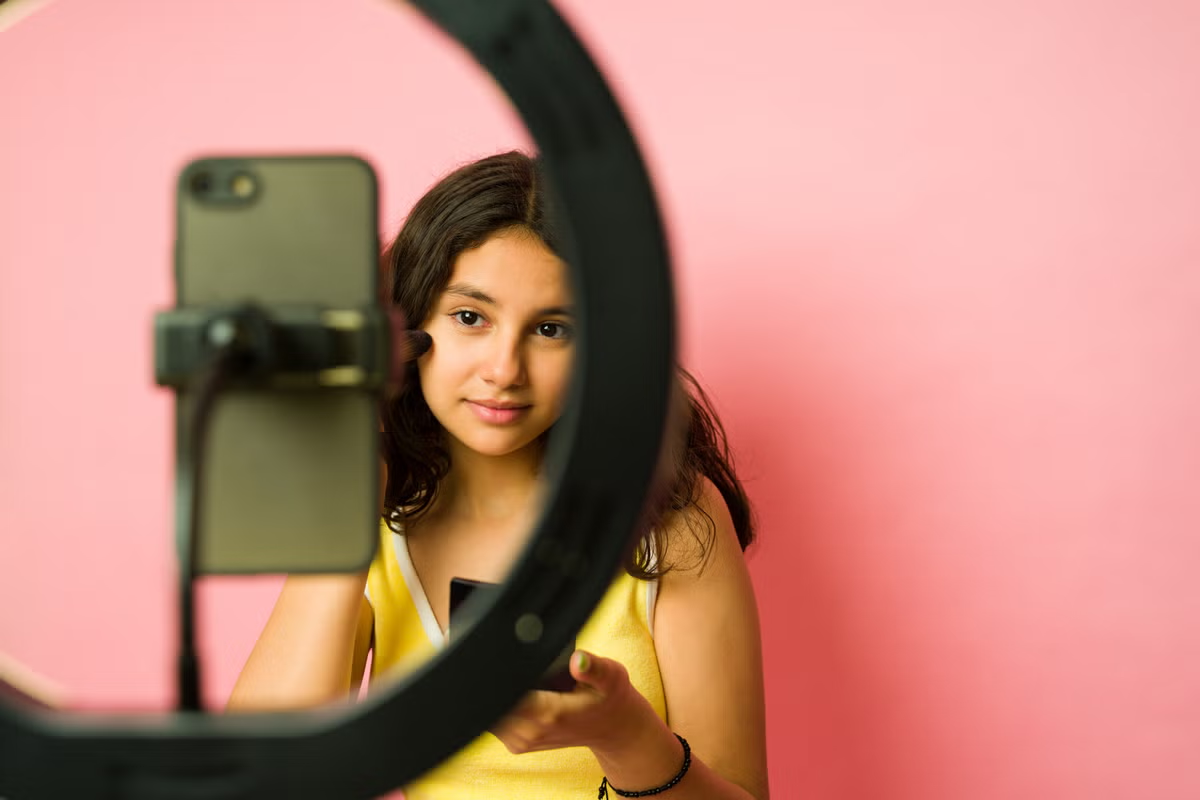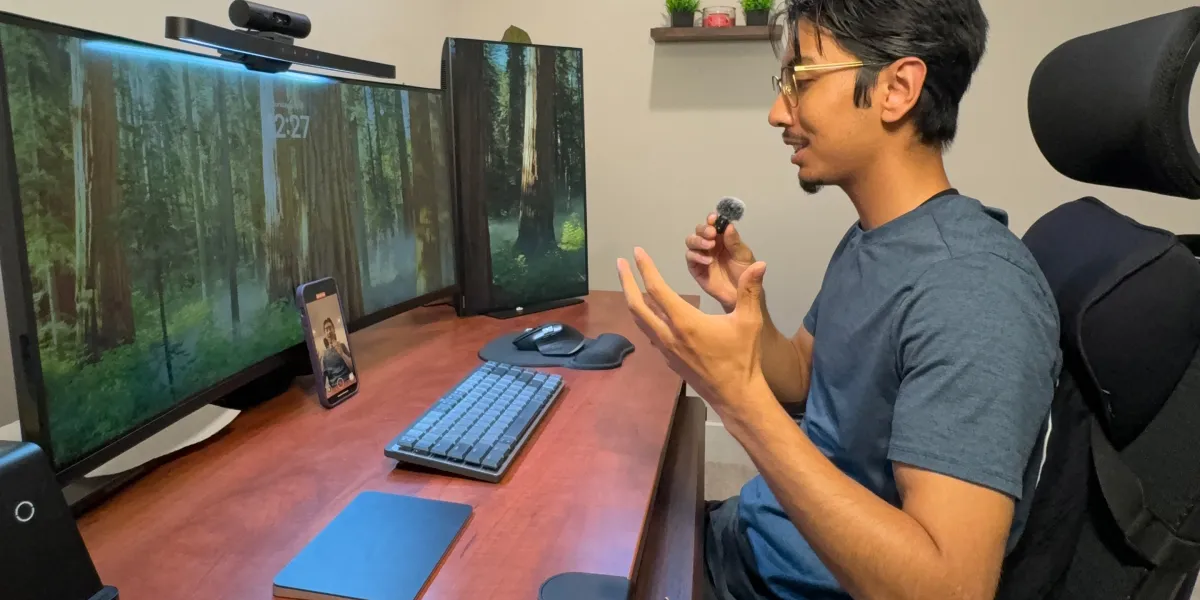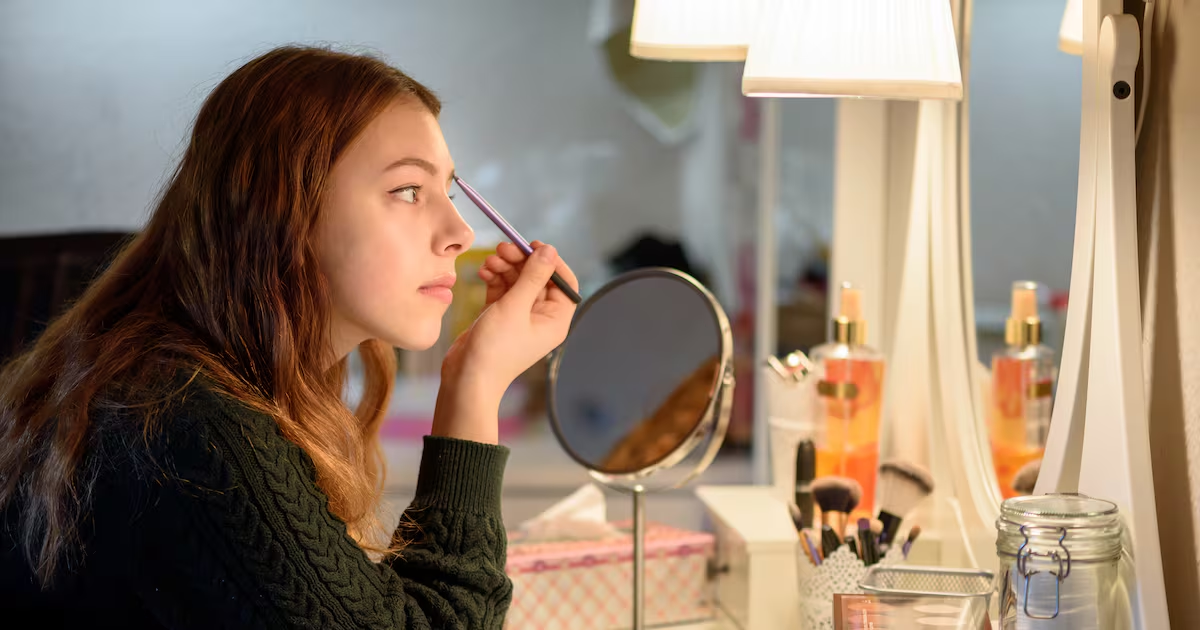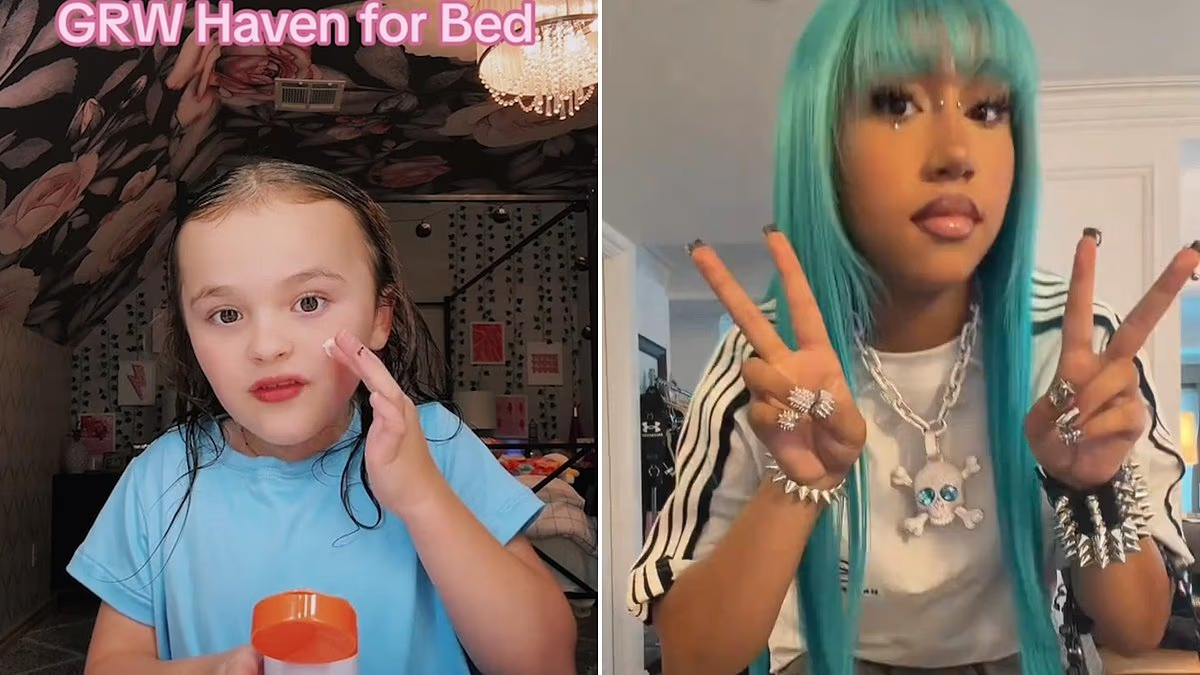
While children once wanted to be astronauts and doctors when they grew up, today's youngsters would much rather be TikTok stars.According to new research, children as young as seven now list social media influencers as their dream job later in life. Scientists found that 60 per cent of middle and high school students say they want to be influencers or have picked their career based on social media.Multiple children simply drew a TikTok or YouTube logo when researchers asked them what they wanted to be in the future. These tech-savvy kids told researchers that social media stars were 'famous' and 'get lots of money'.While older students were more likely to mention careers like electrician, engineer, teacher, or welder, becoming a social media star was a common aspiration for young kids and teenagers alike. Even students who didn't want fame for themselves often said that social media was the reason they wanted to pursue a certain career. Other popular choices included footballers, musicians, actors, and - of course - princesses. Researchers say that 60 per cent of children now say they want to become social media influencers, or decided what they want to be based on social media. Pictured: Child influencers Haven Garza (left) and Penelope Disick (right)Since 2021, researchers have been interviewing elementary, middle and high school students as young as seven in the US and in Norway since 2024, to understand how kids imagine their future careers.For their latest study, the scientists interviewed 80 children aged seven to 11 and 140 middle and high school students in Wisconsin, alongside over 60 children of similar ages in Norway. In each trial, the children were given simple prompts, such as 'When I grow up I would like to be …', and were asked how they knew about that profession. This revealed a striking similarity between American and Norwegian children's career aspirations. Lead author of the forthcoming paper Professor Matthew Simoneau, of the University of Wisconsin, wrote in The Conversation: 'A second grader in Norway drew a YouTube logo when my colleagues and I asked what they wanted to be when they grow up.'When we asked second graders in Wisconsin this same question, we were surprised to often receive similar answers: Kids there also wanted to be YouTube influencers when they grow up.'Professor Simoneau says that their data shows social media has become a significantly more important influence on children's career expectations.'In some instances, students as young as seven in Wisconsin and Norway simply drew the YouTube or TikTok logo, or wrote that they aspired to be an "influencer" without any idea of who or what they would influence,' he says.Research suggests that social media influencers, such as North West (left) and Taylen Biggs (right), are a bigger influence on children's career aspirations than school The influence of social media wasn't always a bad thing, as the researchers found that some students had found online content genuinely inspiring.For example, one student in a rural area said that social media had made them want to become a marine biologist - despite the nearest ocean being over 1,300 miles away.However, the researchers warn that dreams of fame and stardom could be setting up the next generation for disappointment.Even among those influencers who do manage to build a following, more than half of US content creators earn less than $15,000 (£11,348) a year. More generally, Professor Simoneau cautions that schools' outdated careers programs are increasingly out of touch with the advice children need.In Wisconsin, schools are legally required to provide career planning services for children in grades six through nine, and students take an online career survey each year. But the lists of possible jobs typically include traditional roles like electrician or accountant, rather than 'modern' professions like content creator.'Our focus groups with middle and high school students in Wisconsin revealed that few students find these online career planning programs at school helpful,' Professor Simoneau explained. When scientists conducted a similar study in 2018, children were more likely to mention traditional careers like doctors, scientists, or accountants 'Students said they found career planning activities “redundant” and described them as “the same thing we did in middle school.”'For example, one student complained that the online survey said she should become a truck driver when she had, in fact, already been accepted into nursing school.In the absence of useful, relatable advice in school, social media is 'competing' with formal education to shape students' ideas about the future, the researchers said.And they warned that unless schools seriously shake up the ways they try to help students, their research suggests that social media is now coming out on top. METHODS FOR PARENTS TO KEEP THEIR CHILDREN SAFE ONLINEChildren as young as two are using social media, research from charity Barnardo’s has suggested.Internet companies are being pushed to do more to combat harmful content online but parents can also take steps to alter how their children use the web.Here are some suggestions of how parents can help their children.Use parental controlsBoth iOS and Google offer features that enable parents to filter content and set time limits on apps.For iOS devices, such as an iPhone or iPad, you can make use of the Screen Time feature to block certain apps, content types or functions.On iOS, this can be done by going to settings and selecting Screen Time.For Android, you can install the Family Link app from the Google Play Store.Talk to your childrenMany charities, including the NSPCC, say talking to children about their online activity is vital to keep them safe.Its website features a number of tips on how to start a conversation with children about using social media and the wider internet, including having parents visit sites with their children to learn about them together and discussing how to stay safe online and act responsibly.Understand their internet usageThere are tools available for parents to learn more about how social media platforms operate.Net Aware, a website run in partnership by the NSPCC and O2, offers information about social media sites, including age requirement guidance.Limit screen time The World Health Organisation recommends parents should limit young children to 60 minutes of screen time every day.The guidelines, published in April, suggest children aged between two and five are restricted to an hour of daily sedentary screen time.They also recommend babies avoid any sedentary screen time, including watching TV or sitting still playing games on devices.
60% of children say they want to be influencers when they grow up
While children once wanted to be astronauts and doctors when they grew up, today's youngsters would much rather be TikTok stars.
1,062 words~5 min read