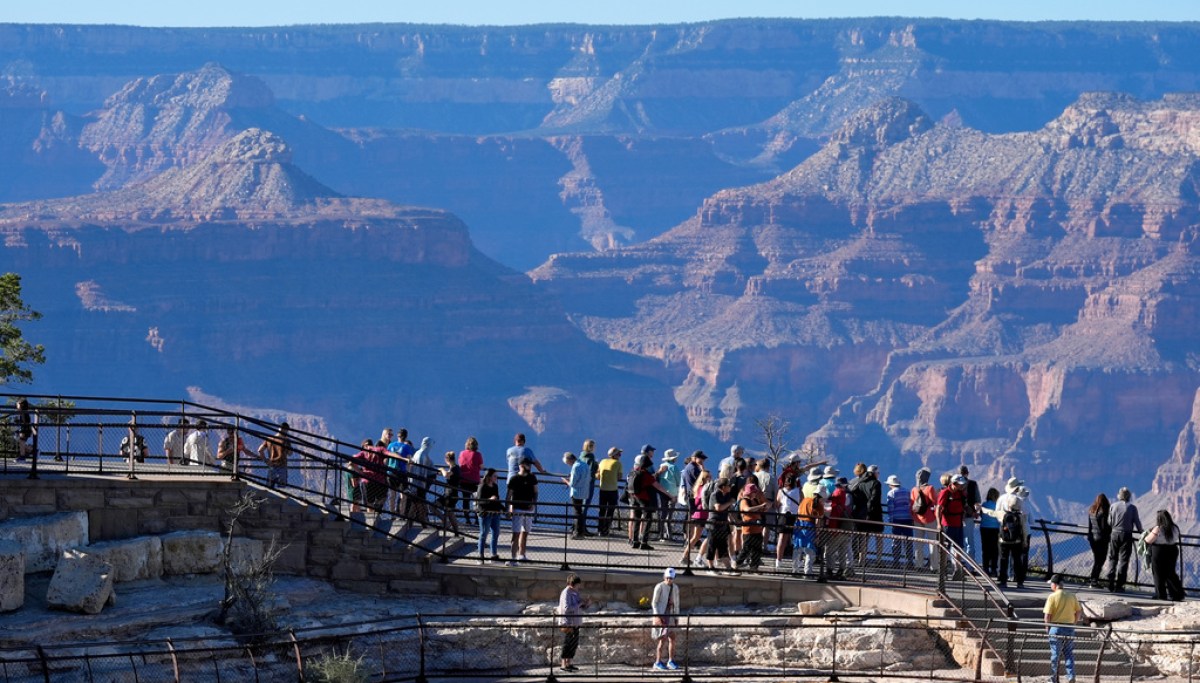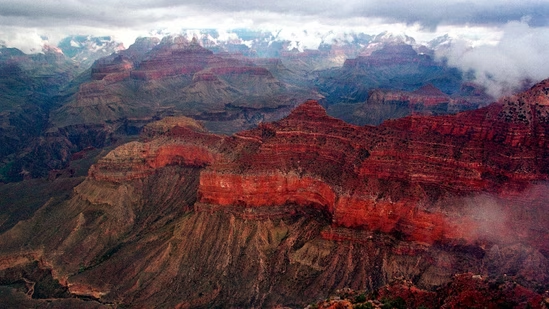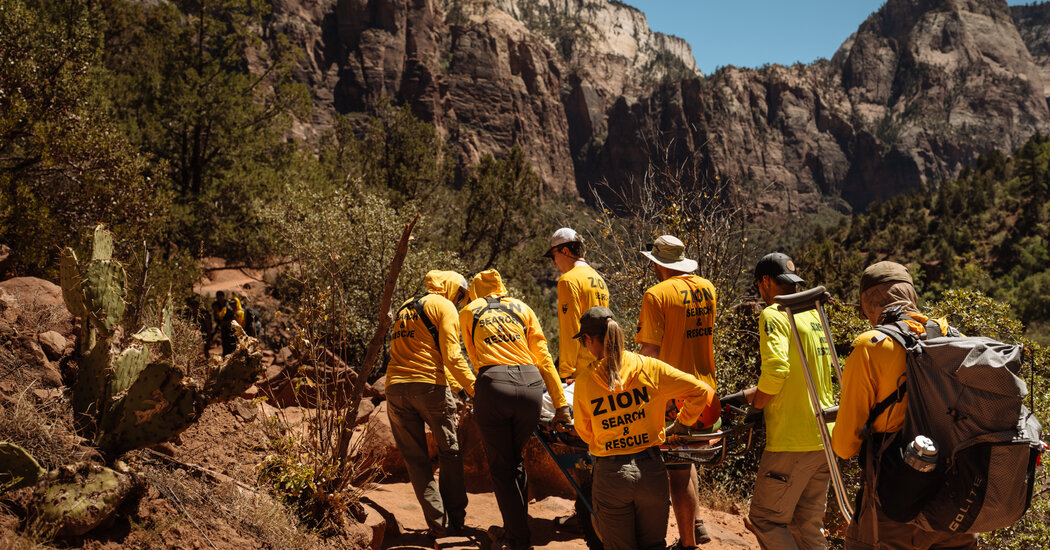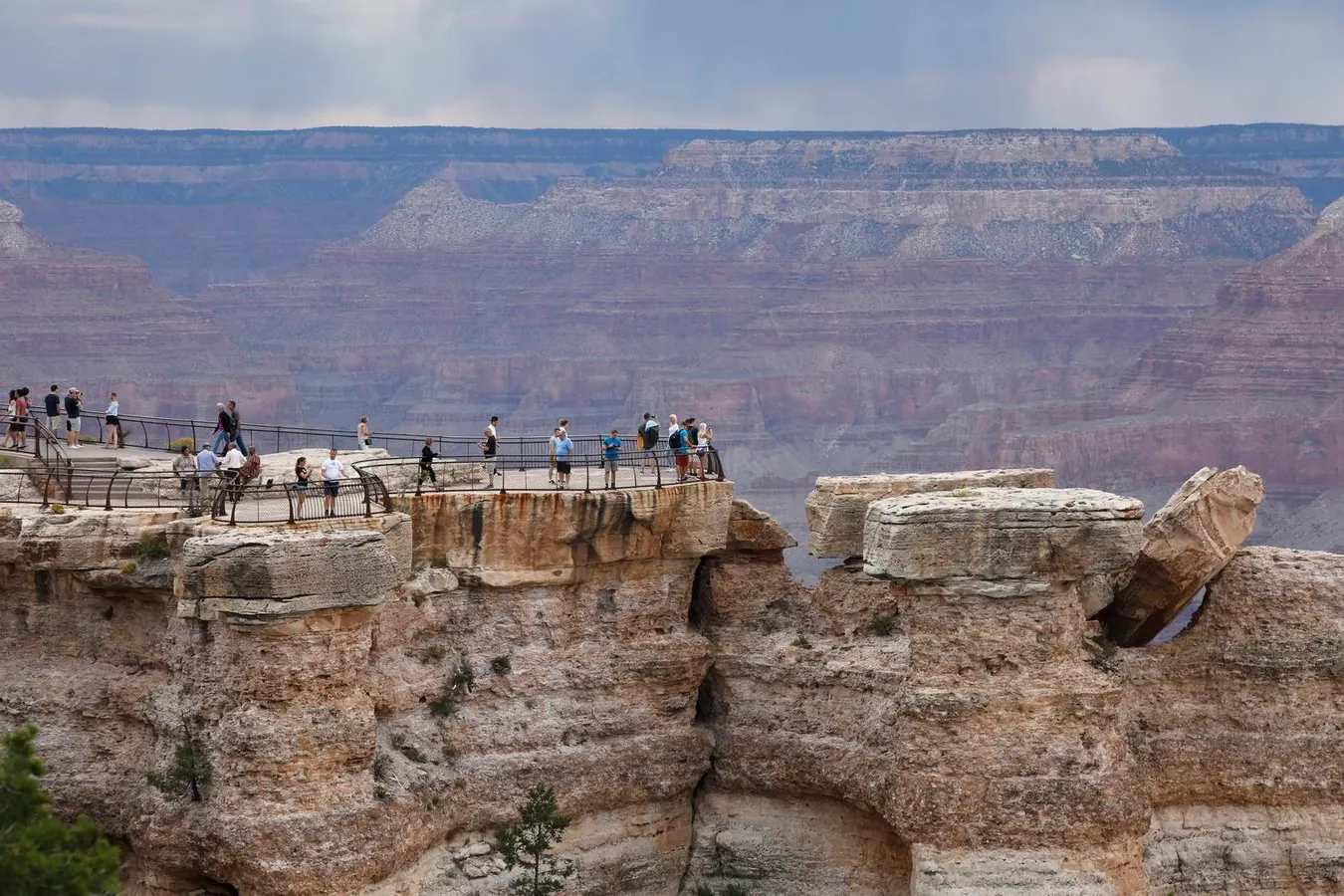
ToplineThe Interior Department is pushing back on a report that National Park Service staff are prohibited from notifying the public about deaths and serious injuries sustained inside the parks—but a Forbes review of recent mortality data indicates public record sharing was abandoned in February.The National Park Service reported three heat-related deaths at Grand Canyon National Park this month. (Photo: Robbin Goddard)Los Angeles Times via Getty ImagesKey FactsAn internal memo from December, reviewed by the Washington Post, stated Department of Interior employees, including National Park staff, were prohibited from confirming deaths or details about severe injuries—an apparent break in policy.The “narrative being presented is false and reflects a significant mischaracterization” of the guidance, the Interior Department said in a statement shared with Forbes.A Forbes review of publicly available mortality data from the National Park Service website found recent records are incomplete, with every cause of death after March 24, 2025 listed in the database as “undetermined” and zero deaths listed after Feb. 20, 2026.Some National Park Deaths Are Being Reported, But Many Are NotThe National Park Service’s news page (separate from its database) reported four deaths so far in June: three heat-related deaths at Grand Canyon National Park and a National Park Service employee who died falling into a crevasse on Mount McKinley. But the Washington Post reported that four other deaths occurred in just the past week: the drowning of a 17-year-old girl in Sequoia National Park; a 23-year-old man who fell over a waterfall in Yosemite; a body found in the desert at Organ Pipe Cactus National Monument; and a motorcycle accident victim in Great Smoky Mountains National Park. Interior Department Disputes Deaths Are ConcealedAccording to the Washington Post’s review of the memo, the new policy states that “Interior shall not confirm a death,” and that it pertains to “all Interior bureaus and offices” and “all Interior communications involving fatalities, suspected fatalities, serious injuries, or emotionally sensitive incidents.” The memo seems to leave room for confusion, stating only “appropriate authorities” can confirm a death, without specifying which authorities are authorized to do so. The Interior Department said in its statement that the new guidance was developed “to create a more consistent approach to incident communications” and is “not intended to conceal fatalities or delay information.” The agency denied it has stopped providing “public safety information, statements, news releases, and incident updates as appropriate, while respecting investigative processes, privacy considerations, next-of-kin notifications, and, in some cases, requests from family members not to release identifying information.” The Washington Post spoke to seven current and former National Park Service staffers who said the policy deviates from the agency’s long-standing approach to release as much information as possible. The Interior Department did not respond to Forbes’ request to review the internal memo in question.Suicides And Car Accidents Account For Most Deaths In National ParksData from a 2014-2019 National Park Service study categorized deaths as unintentional (50%), medical (20%), intentional (19%) or undetermined (10%). Suicides made up the largest number of deaths (381 over six years) followed by motor vehicle accidents (354) and drownings (314). Next came medical events during physical activity (220) and falls (205). The National Park Services’ most recent publicly available mortality data indicates an average of 275 deaths annually from 2020-2025. The agency stopped categorizing the causes of death in March of last year. Twenty deaths are listed from Jan. 1, 2026 to Feb. 20, 2026, with record-sharing abandoned completely after that date.Further ReadingTrump’s Crackdown On ‘Negative’ History At National Monuments Faces Sabotage By Counter-Protest (Forbes)
National Park Service Now Shares Scant Data On Deaths
The National Park Service’s website promises transparency about deaths occurring inside parks but public record sharing is incomplete.
586 words~3 min read