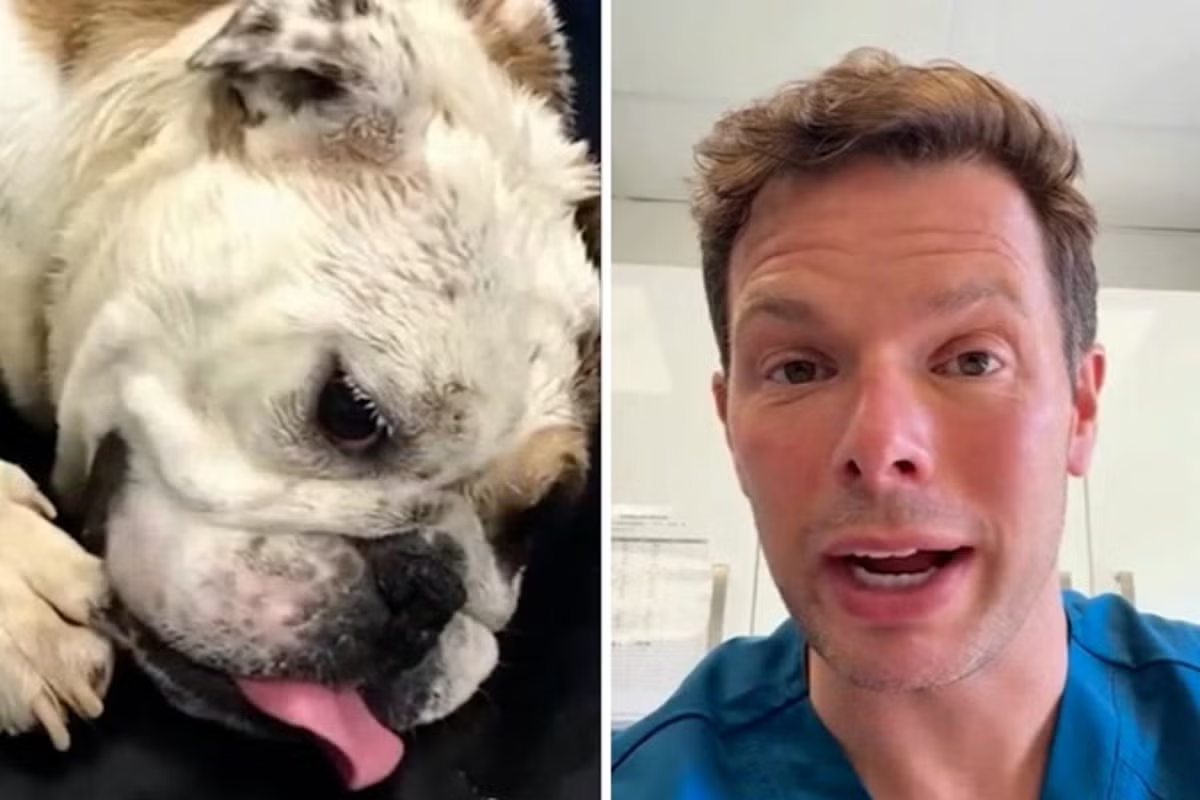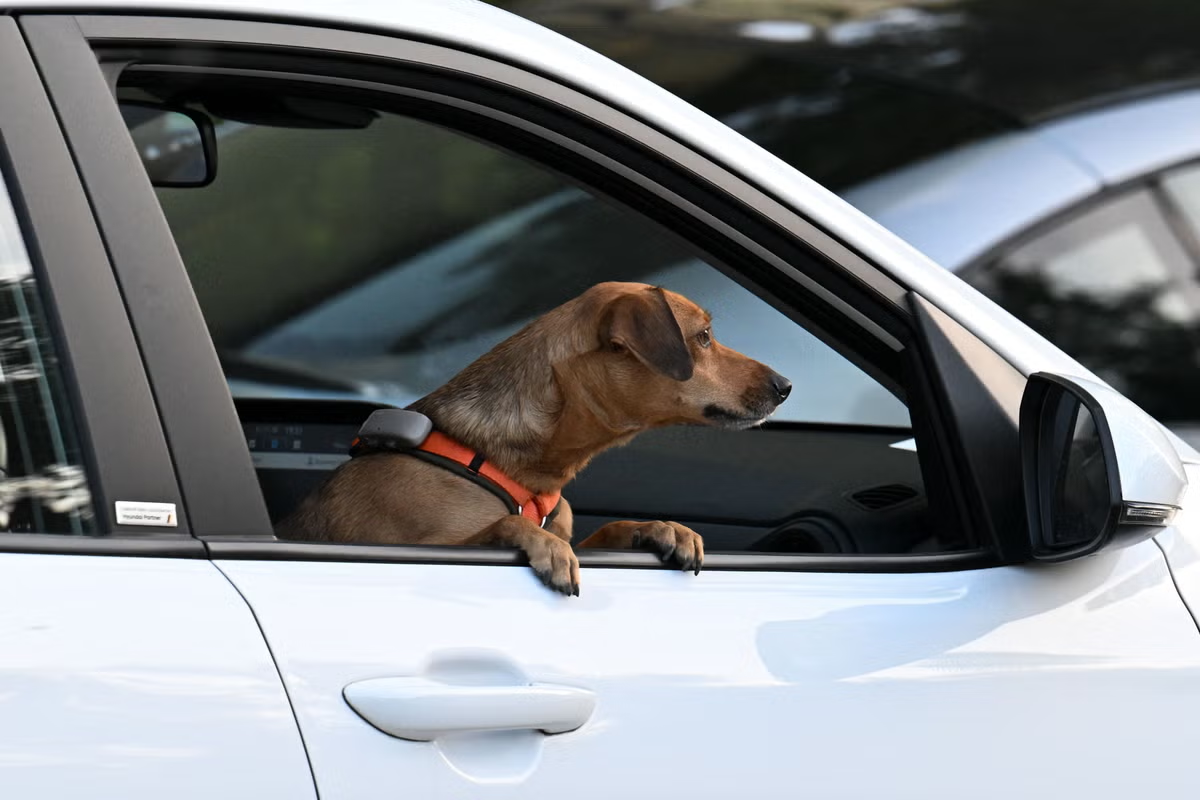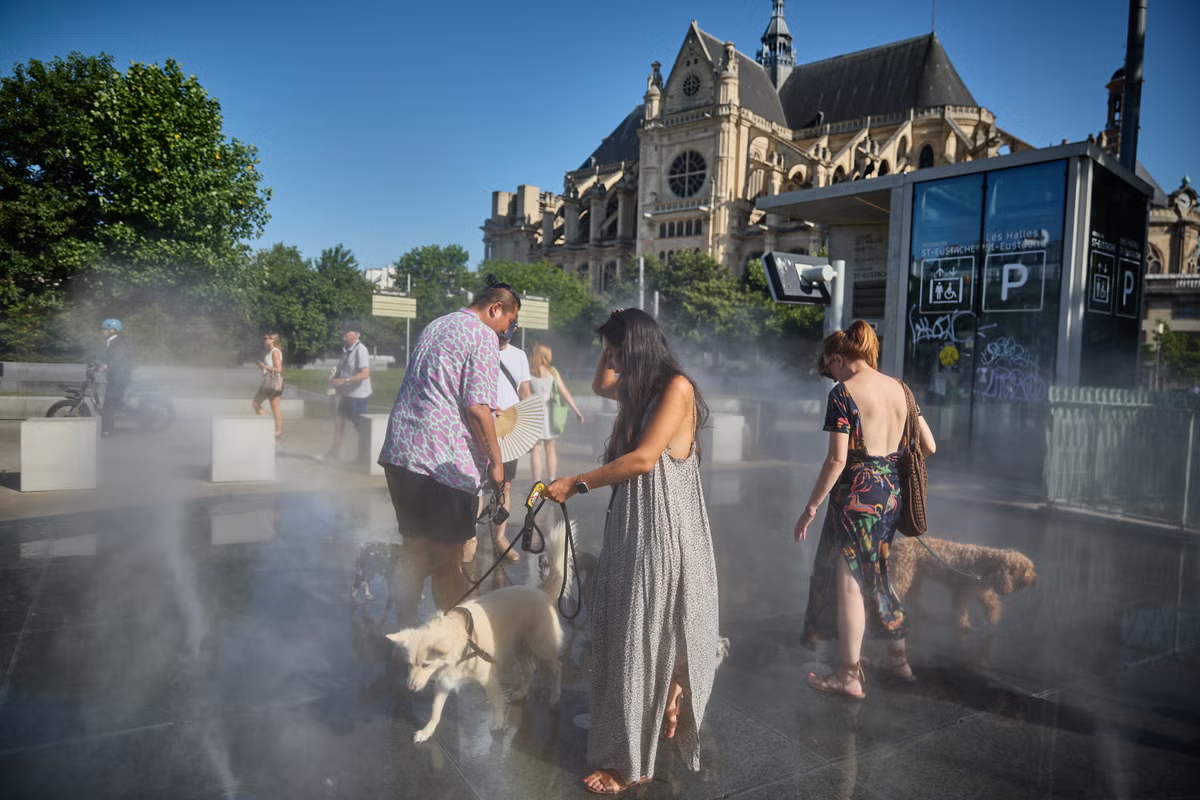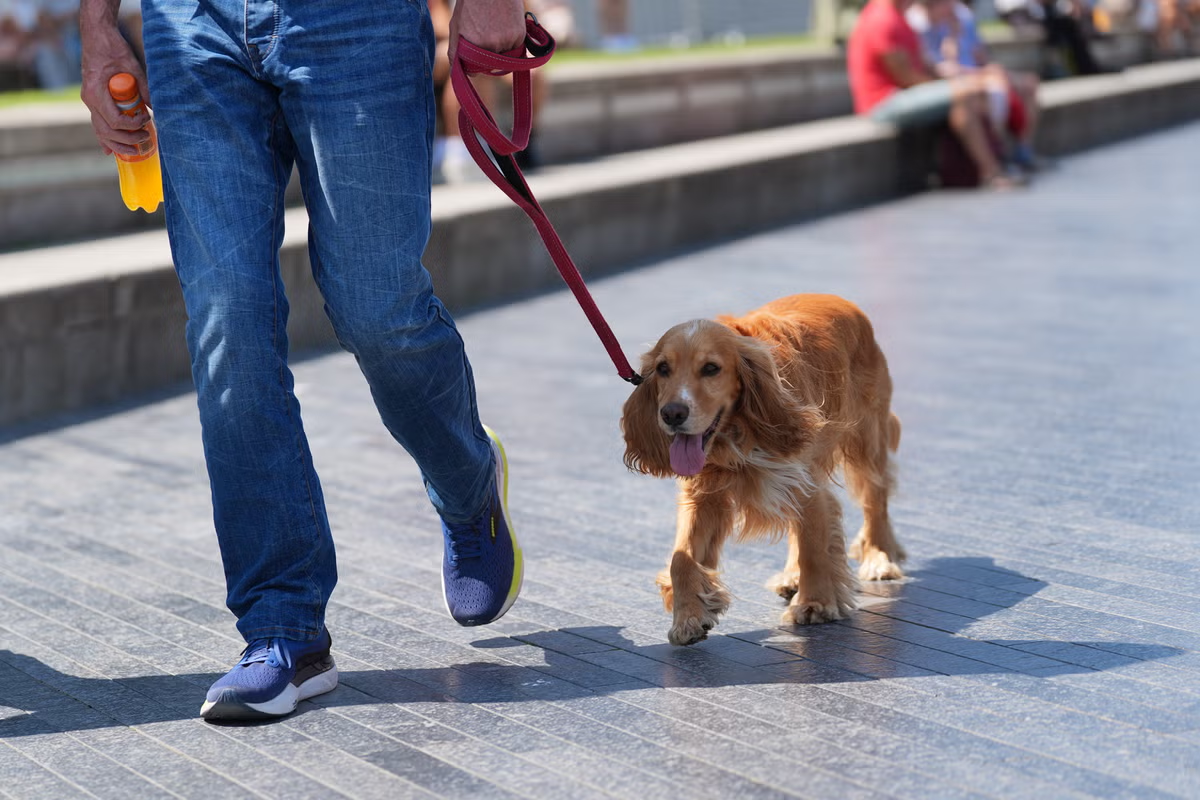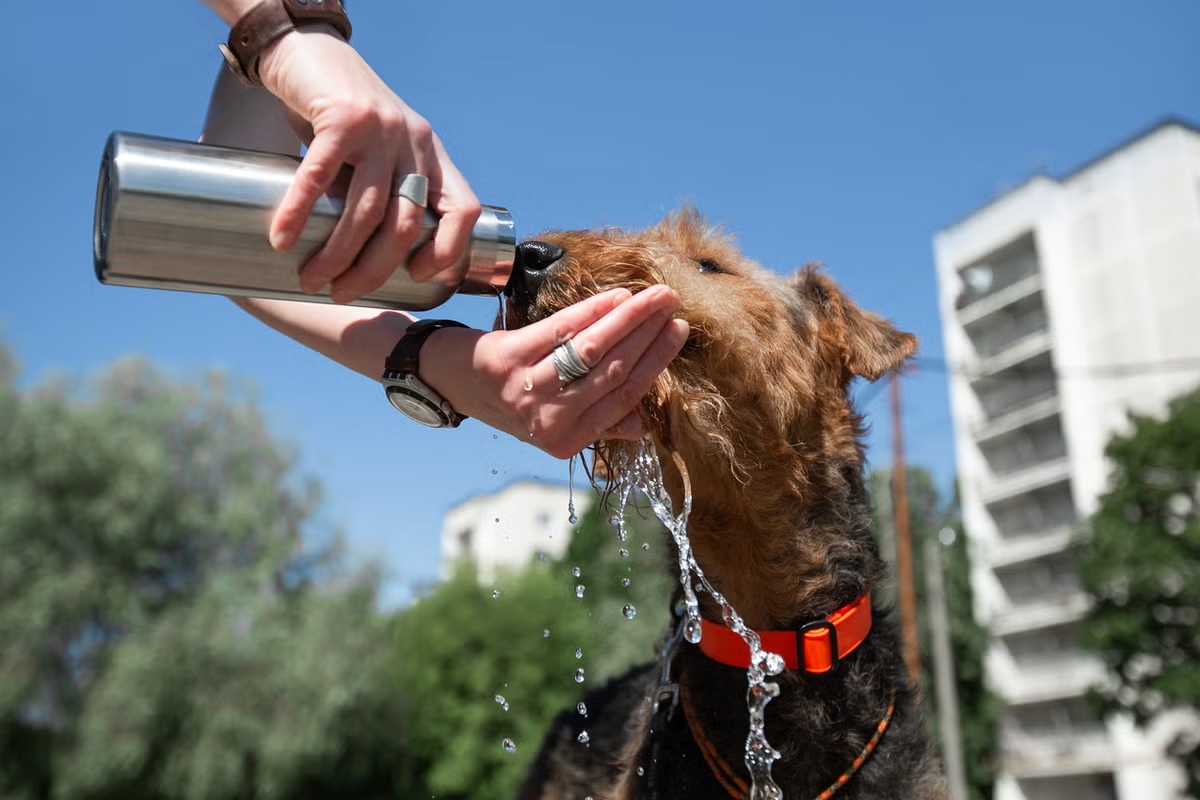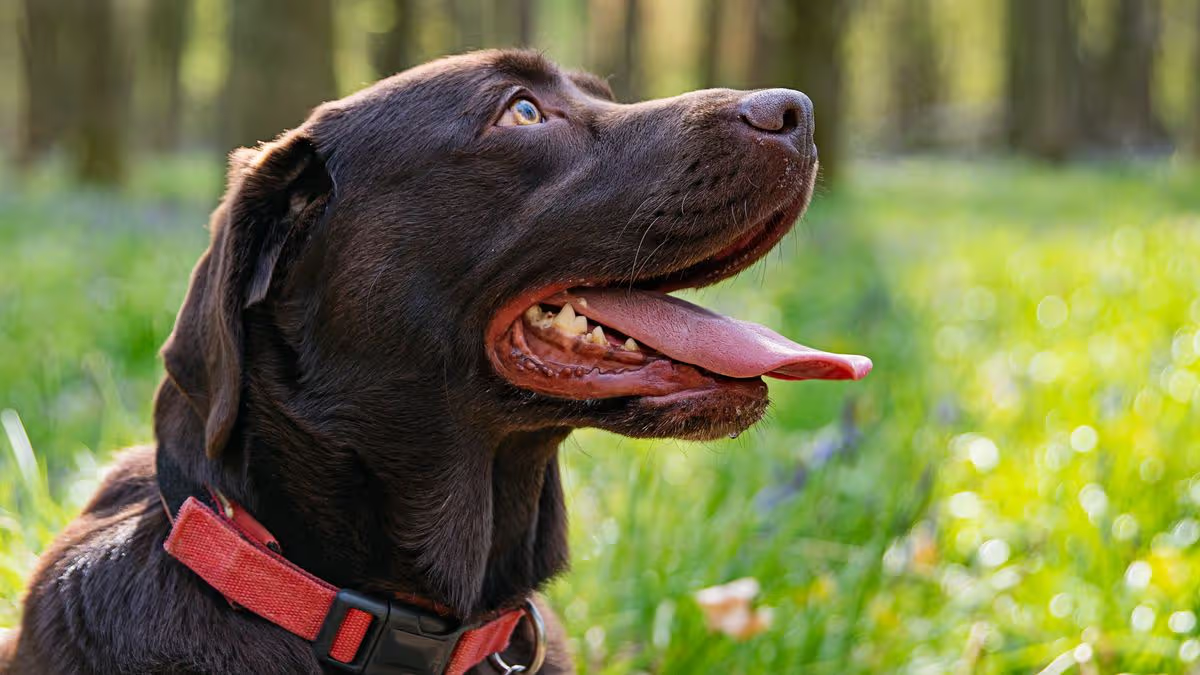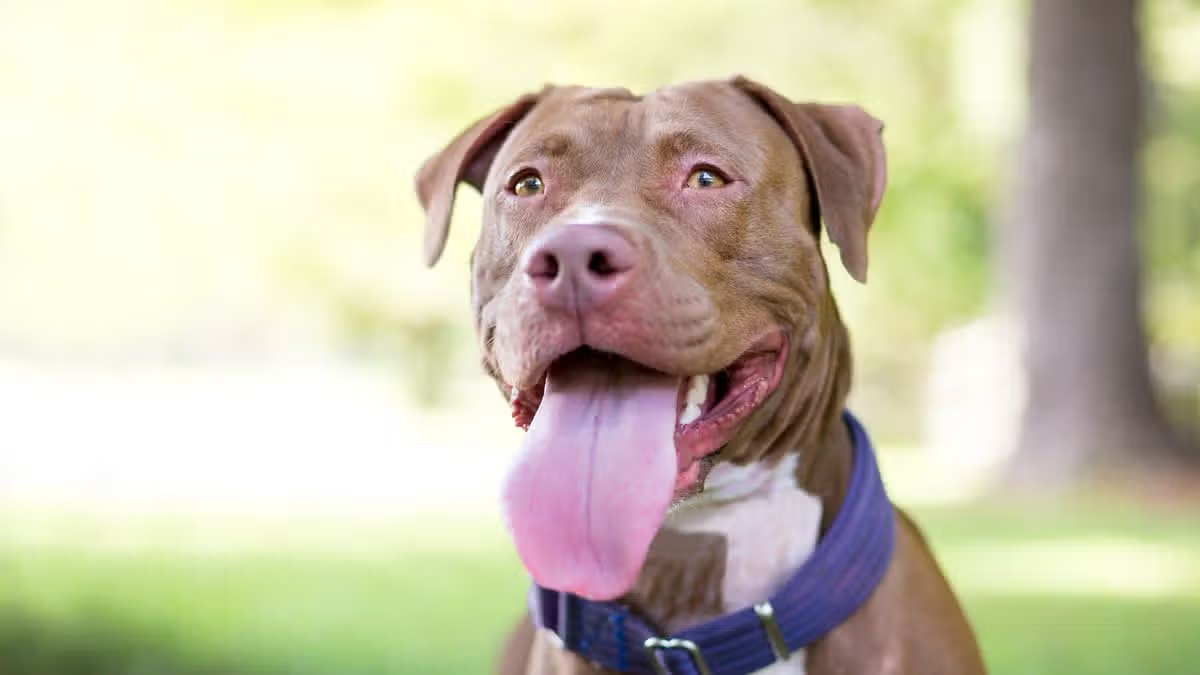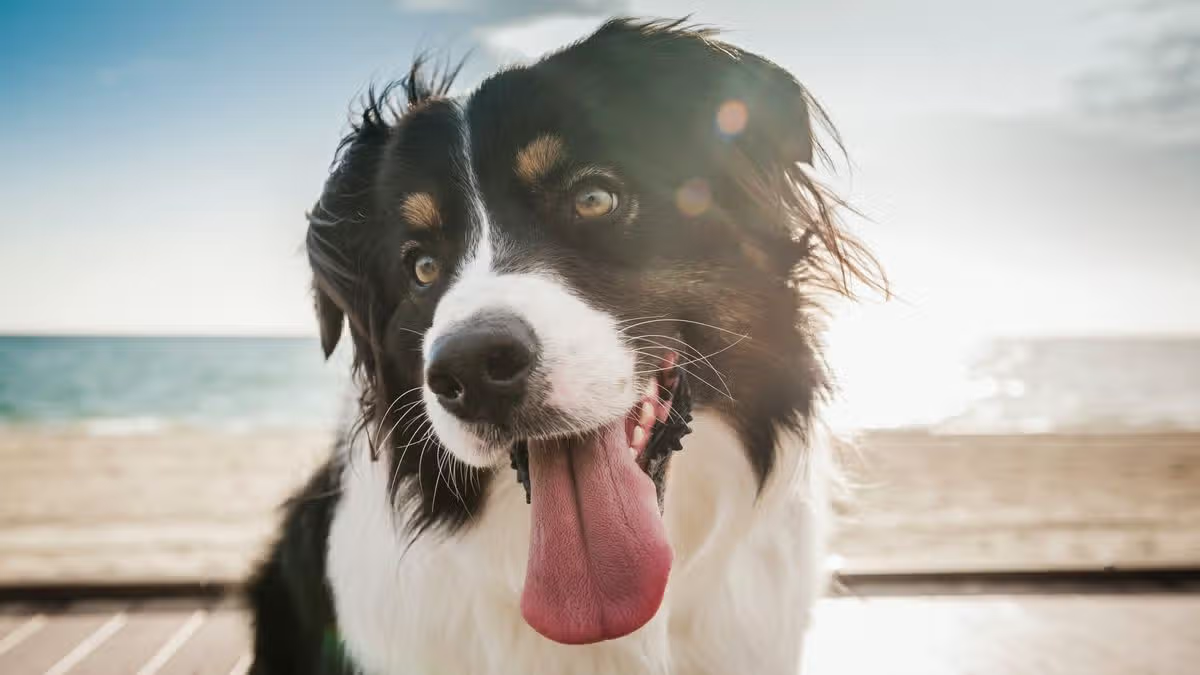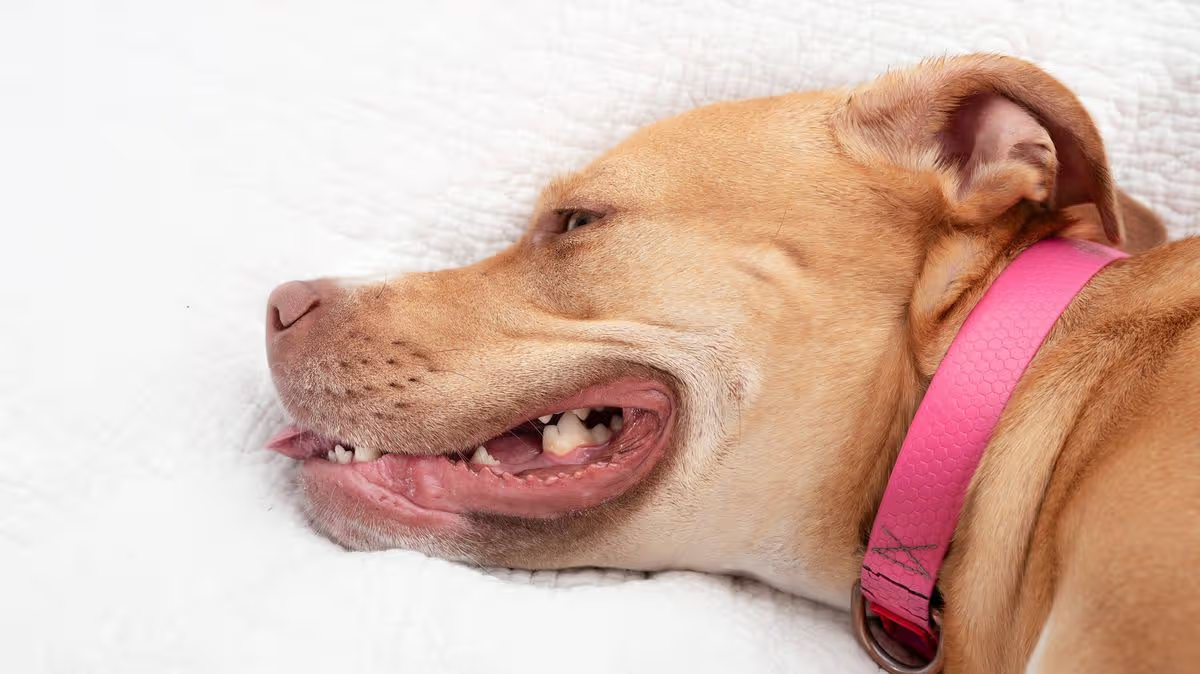
The RSPCA has issued a warning to dog owners as the UK continues to experience a scorching heatwave11:54, 26 Jun 2026Heatstroke is among the most severe hot weather emergencies a dog can experience, yet many owners fail to spot the early warning signs. The RSPCA has identified nine key indicators that could help owners intervene before it becomes critical.According to the animal welfare charity, while any dog can suffer from heatstroke, flat-faced breeds, elderly dogs and overweight pets are amongst those at heightened risk. The charity urges owners to take immediate action if they notice their dog becoming unwell in the heat.The warning arrives as temperatures remain elevated across much of the UK, with the Met Office issuing red heat alerts for certain areas. Forecasters caution that extended spells of hot weather can present dangers not only to people, but also to animals that find it difficult to regulate their body temperature.The Mirror has compiled a comprehensive guide to everything you need to watch out for. Take note—it could save your pet's life.CollapseCollapse is amongst the most critical warning signs of heatstroke. The RSPCA states that a dog which collapses in hot weather requires immediate veterinary attention while owners begin cooling them with cool—not ice-cold—water.Confusion or disorientationDogs experiencing heatstroke may become confused, unsteady on their feet or seem disorientated. According to the RSPCA, dehydration can impact a dog's movement and behaviour as their body struggles to manage rising temperatures.DehydrationThe RSPCA warns that dehydration can lead to a dry nose, sunken eyes, heavy panting, reduced urination and unusual lethargy. Ensuring fresh drinking water is consistently available is one of the most straightforward ways to keep dogs safe during periods of hot weather.DroolingDrooling that turns heavier, thicker or stickier than usual can also be a warning sign of heatstroke. The charity advises owners to take note if excessive drooling is accompanied by other indicators of overheating.Increased heart rateA dog's pulse may quicken as it becomes too hot. The RSPCA recommends checking their heartbeat by placing your hand on the chest just behind the front leg, though heart rates naturally vary between larger and smaller breeds.Muscle spasmsMuscle spasms, shivering or trembling can emerge as dehydration deteriorates. According to the RSPCA, these heat cramps are a further indication that a dog's body is struggling to control its temperature.Noisy breathingBreathing that becomes unusually loud or considerably faster than normal should never be overlooked, particularly in flat-faced breeds. Research referenced by the Royal Veterinary College has revealed that brachycephalic dogs are significantly more prone to developing heatstroke, as they are unable to cool themselves as effectively through panting.PantingPanting is how dogs naturally regulate their temperature, but excessive or prolonged panting can signal they are becoming overheated. According to the British Veterinary Association, heatstroke can develop quickly, making it crucial not to dismiss persistent heavy panting in hot conditions.Article continues belowRed gums and tongueBright red gums or a red tongue can be another warning sign when combined with heavy panting or difficult breathing. While this can occasionally be related to dental issues, the RSPCA says it should never be dismissed if a dog has been subjected to high temperatures.If you suspect your dog has heatstroke, the RSPCA recommends moving them into the shade straight away, providing fresh cool water if they are capable of drinking, and starting to cool them with cool—not ice-cold—water. Owners should then contact a vet immediately, as swift treatment gives dogs the greatest chance of recovery.
Nine signs your dog may have heatstroke - and what to do
The RSPCA has issued a warning to dog owners as the UK continues to experience a scorching heatwave
573 words~3 min read