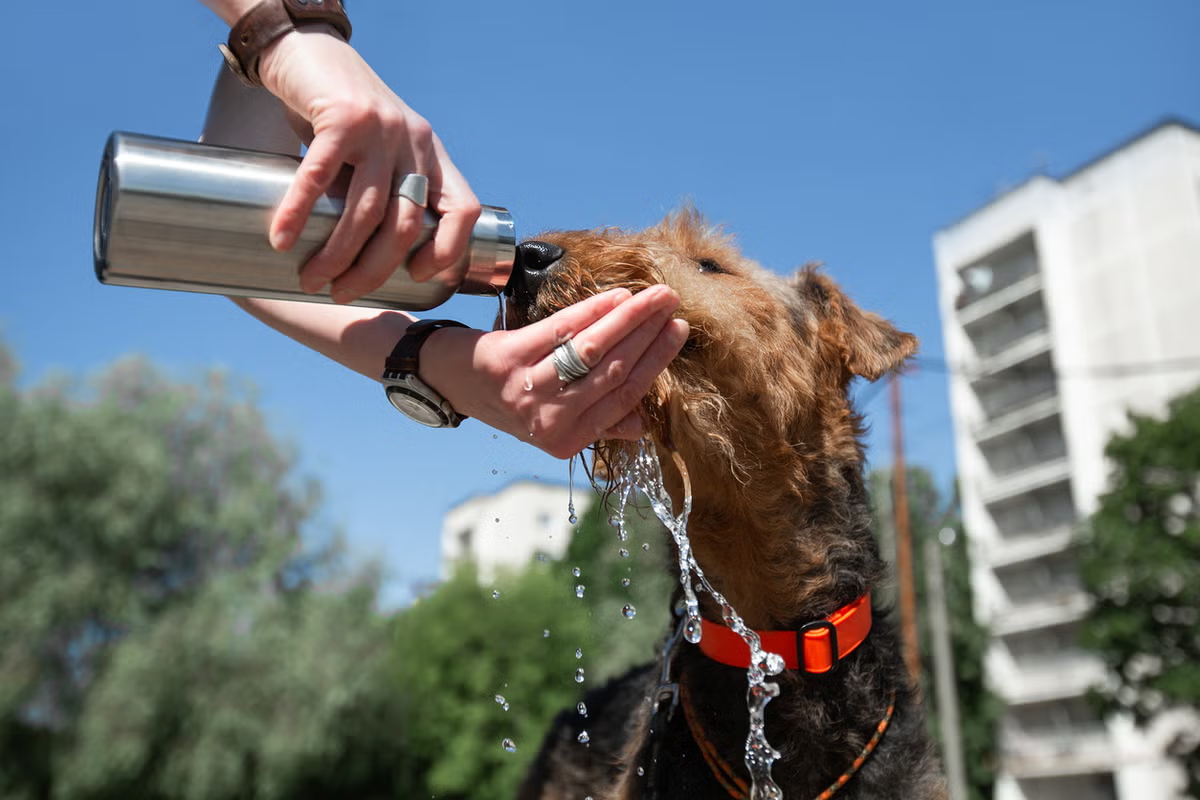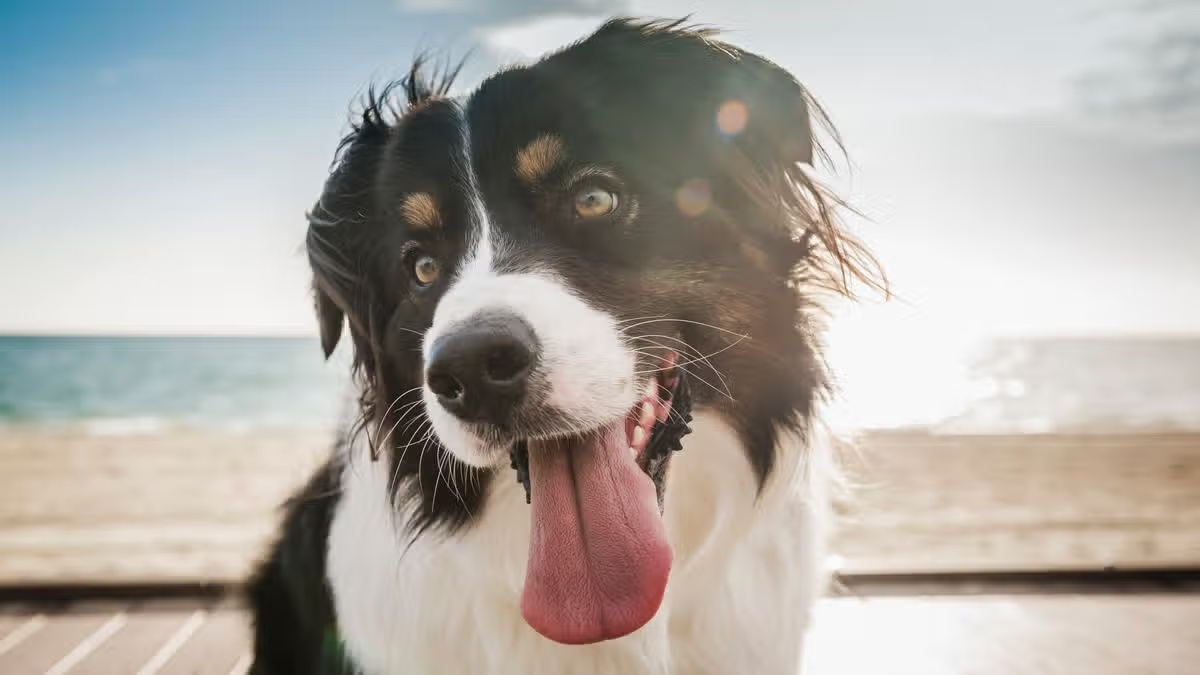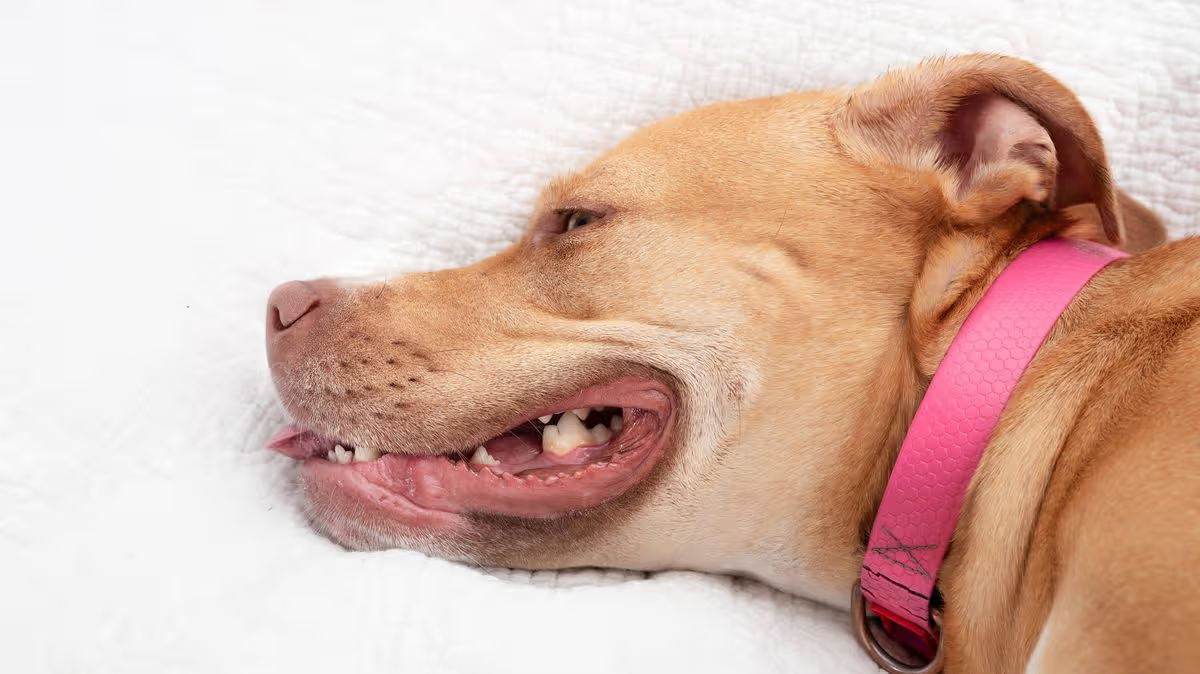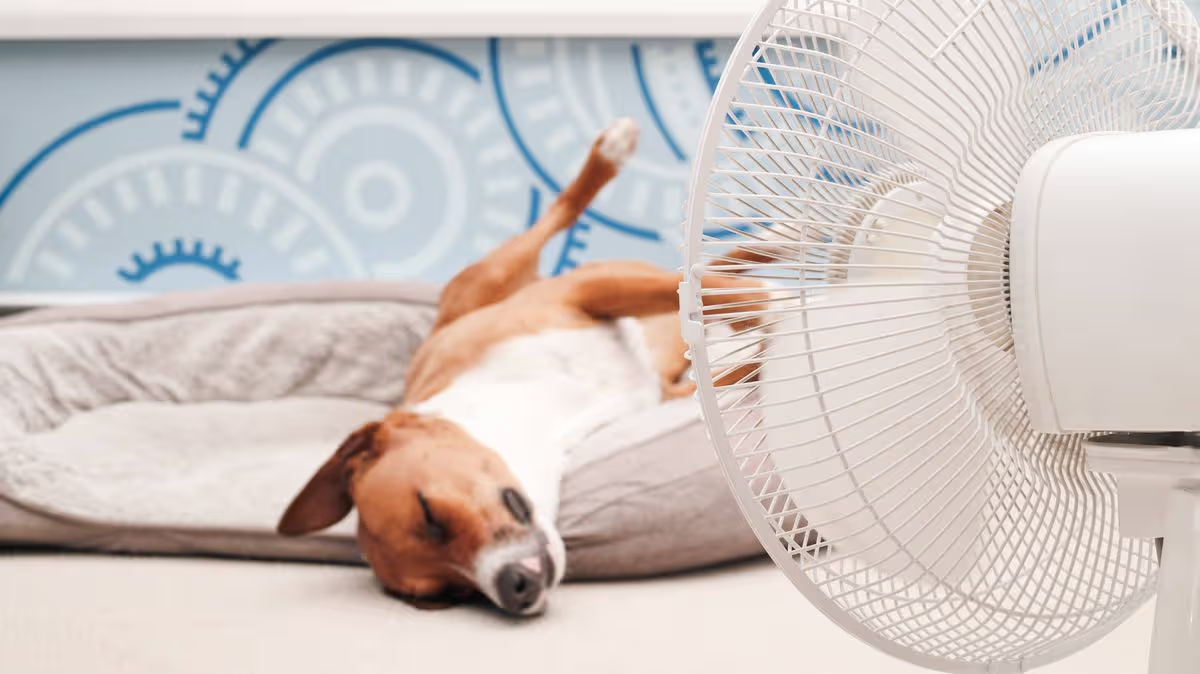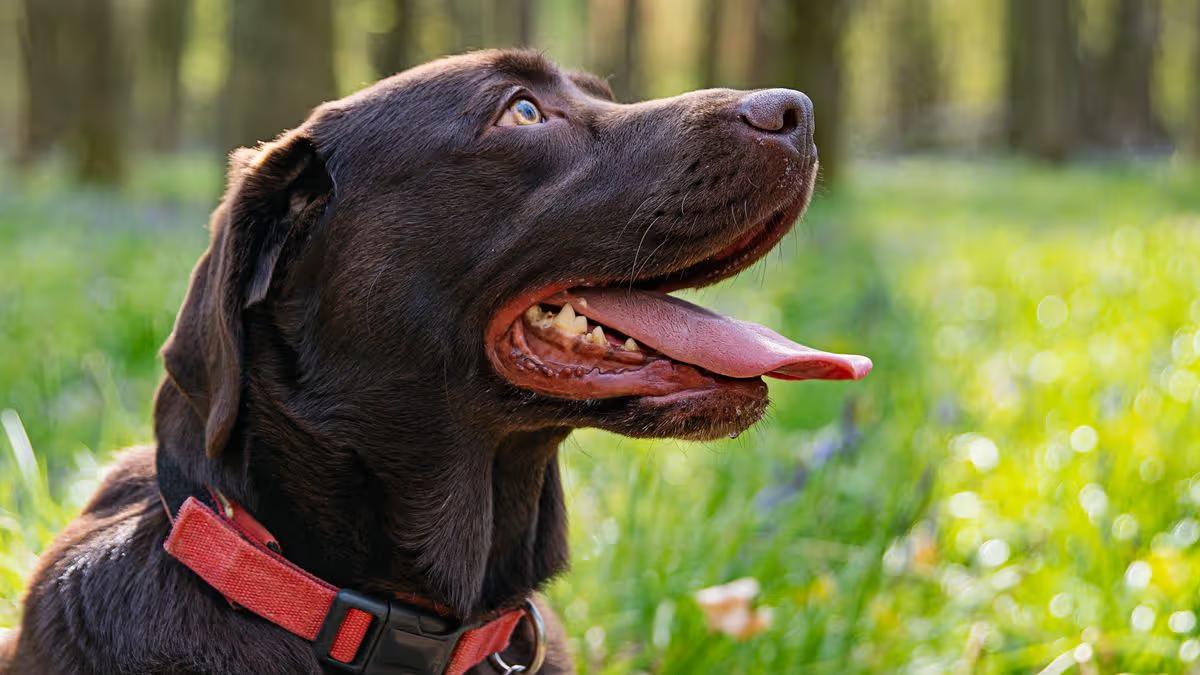
Here's what you need to know about cooling your dog off in the heat07:16, 26 Jun 2026Dog owners are urged to follow three important steps to prevent heatstroke in their pet. Following these recommendations can stop them from continuing to overheat.This week, the UK has experienced scorching temperatures of up to 36C. And the heat is set to persist, with the Met Office issuing a red warning for extreme heat for Friday.The warning, which stretches from Kent to Oxford and Winchester to Brighton, will affect millions of people across London, the Home Counties and the South East. Met Office chief meteorologist Andy Page said: "This exceptional spell of hot and humid weather will maintain its grip on the UK for a little longer.“Although the current red warning for areas in more central and western parts of England and Wales will expire later today, the heatwave will still be bringing high temperatures to these areas, albeit moving away from the peak heat of Wednesday and Thursday. We are expecting that some daytime maximum temperatures could exceed 36C, perhaps rising to 37C in some locations."It is anticipated the daytime heat will be accompanied by high humidity, and this will lead to some uncomfortably warm, humid nights, worsening the potential for discomfort and health impacts. Andy added: "Significant disruption to daily life is likely and the public should take every effort to adapt their daily routines to cope with these levels of heat, which up to now have been extremely rare for the UK."As pointed out by the Royal Society for the Prevention of Cruelty to Animals (RSPCA), hot weather can also impact your dog. On its website, the charity said: “When a dog gets too hot and can’t lower its temperature by panting, it can develop heatstroke.“This can be fatal, so you need to act fast to reduce their body temperature first, then get help.”Signs of heatstrokeLook out for the following symptoms of heatstroke in dogs, as listed by the RSPCA:Collapse: heat exhaustion, when severe, could cause the dog to collapseConfusion or disorientation: dehydration might make the dog lightheaded or dizzy, affecting their movementsDehydration: this can present as a dry nose, sunken eyes, heavy panting, infrequent urination, and tirednessDrooling: if the dog is drooling more often, and it’s thicker and stickier, this could be a symptom of heatstrokeIncreased heart rate: check a dog’s heartbeat by placing your hand on their chest, just behind their front leg’s elbow. A fast pulse could signal overheating (remember that the dog’s size affects their resting heart rate: big dogs have slower pulses, whereas small dogs have quicker pulses)Muscle spasms: these heat cramps are often associated with dehydration, and might appear as shivering and shaking despite the high temperaturesNoisy breathing: breathing noisily or faster than normal, especially if the dog is a flat-faced breed, is a sign of overheatingPanting: dogs cool down by panting, so the more they pant, the hotter they areRed gums and tongue: whilst this is often a symptom of a dental problem, when coupled with panting and heavy breathing, red gums can occur when a dog is overheatingSeizures: heatstroke, especially in dogs with epilepsy, can trigger seizures and loss of consciousnessVomiting and diarrhoea: stool that’s softer than normal can be a symptom of heat exhaustion. Stool and diarrhoea that contains blood is a sign that the heatstroke has become more severeWeakness and lethargy: the dog might sleep more, have trouble standing or walking, or generally seem more sluggish with their movementsWhat to doThe RSPCA said: “The best thing to do when your dog is overheating is cool first, transport second. This means acting fast to stop further heating, cooling the dog down, and then taking them to your nearest vet.”To stop further heating you should do these three things:Stop exercise or movementRemove the dog from hot vehicles or buildingsGet the dog out of the sun, away from anything that’s exposing them to heat, and into shade – or create shade where possibleTo cool the dog you should:Pour any available water – that’s cooler than the dog’s temperature – over their body, but avoid their head (the dog will already be struggling to breathe, so pouring water over their head could worsen this)Submerge their body in cool water if available (such as a paddling pool or stream, as long as the water temperature is cooler than the dog) - don’t attempt this on an unconscious dog, a dog with health conditions, or an elderly dog – for these dogs, spray them with room temperature waterCreate a breeze by fanning the dogThe RSPCA added: “Once the dog’s temperature has cooled, take them to your nearest vet. Ensure they’re travelling in a cooled, well-ventilated vehicle (with air-con on or windows open), to continue lowering their temperature on the journey, providing water where possible. Call ahead to inform your vet about the urgency of the situation.”As part of the hot weather advice on its website, it also warned: “Don’t use damp towels. Don’t place damp towels directly over the dog’s body, as this can trap heat and worsen their condition. You can place wet or damp towels beneath the dog – remembering to re-wet the towel frequently – but never over their body.”For more information, visit the RSPCA website here.
RSPCA's important 3 steps for dog owners to stop heatstroke
Here's what you need to know about cooling your dog off in the heat
873 words~4 min read