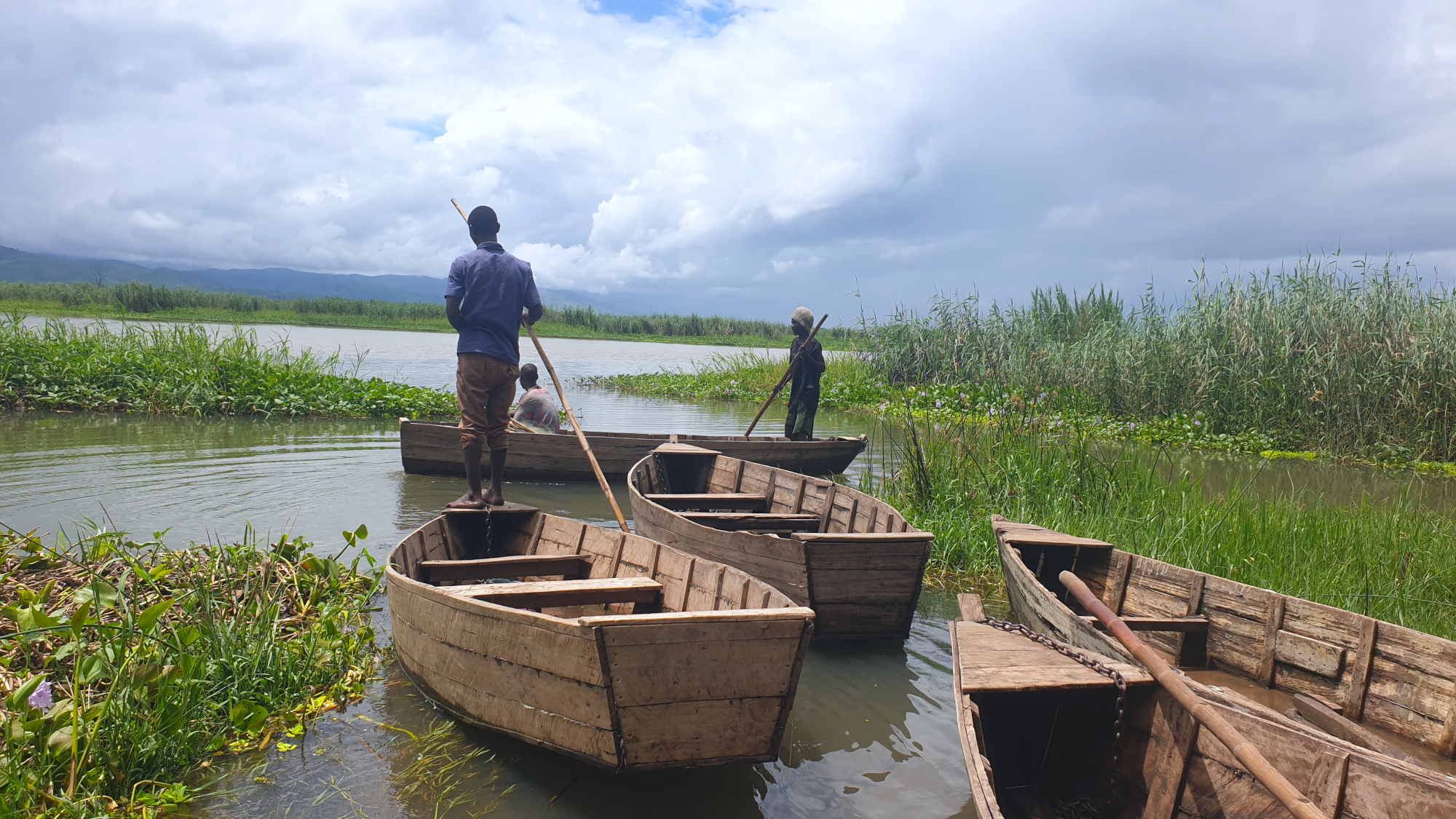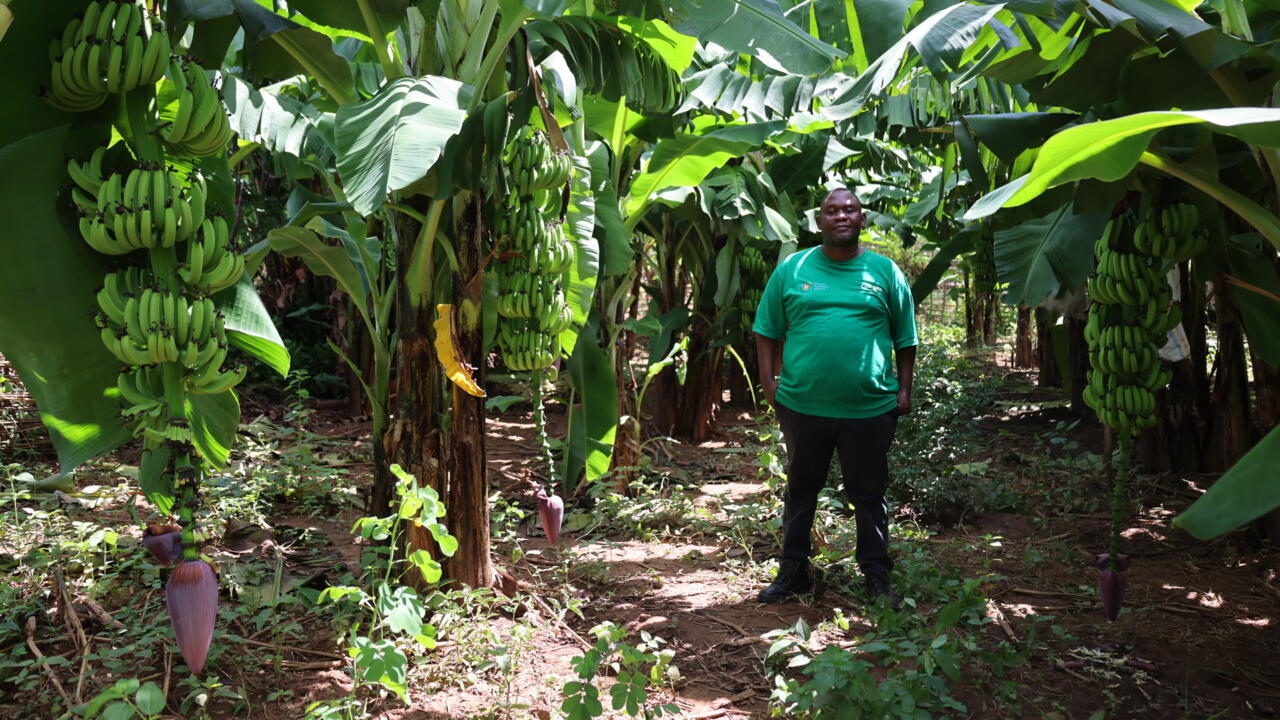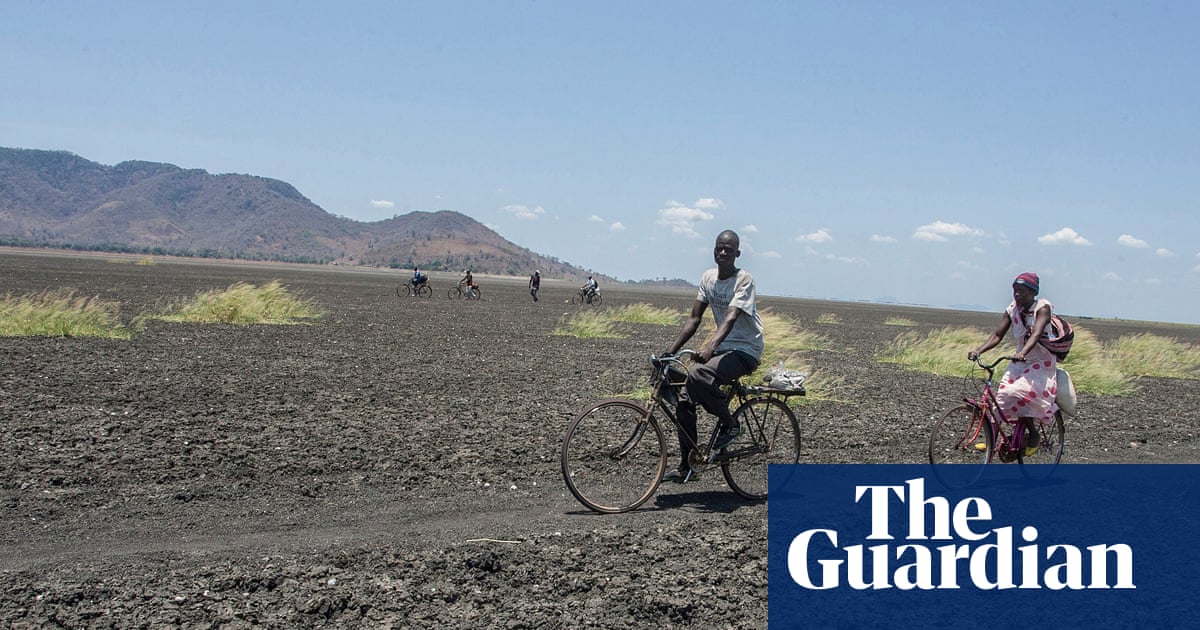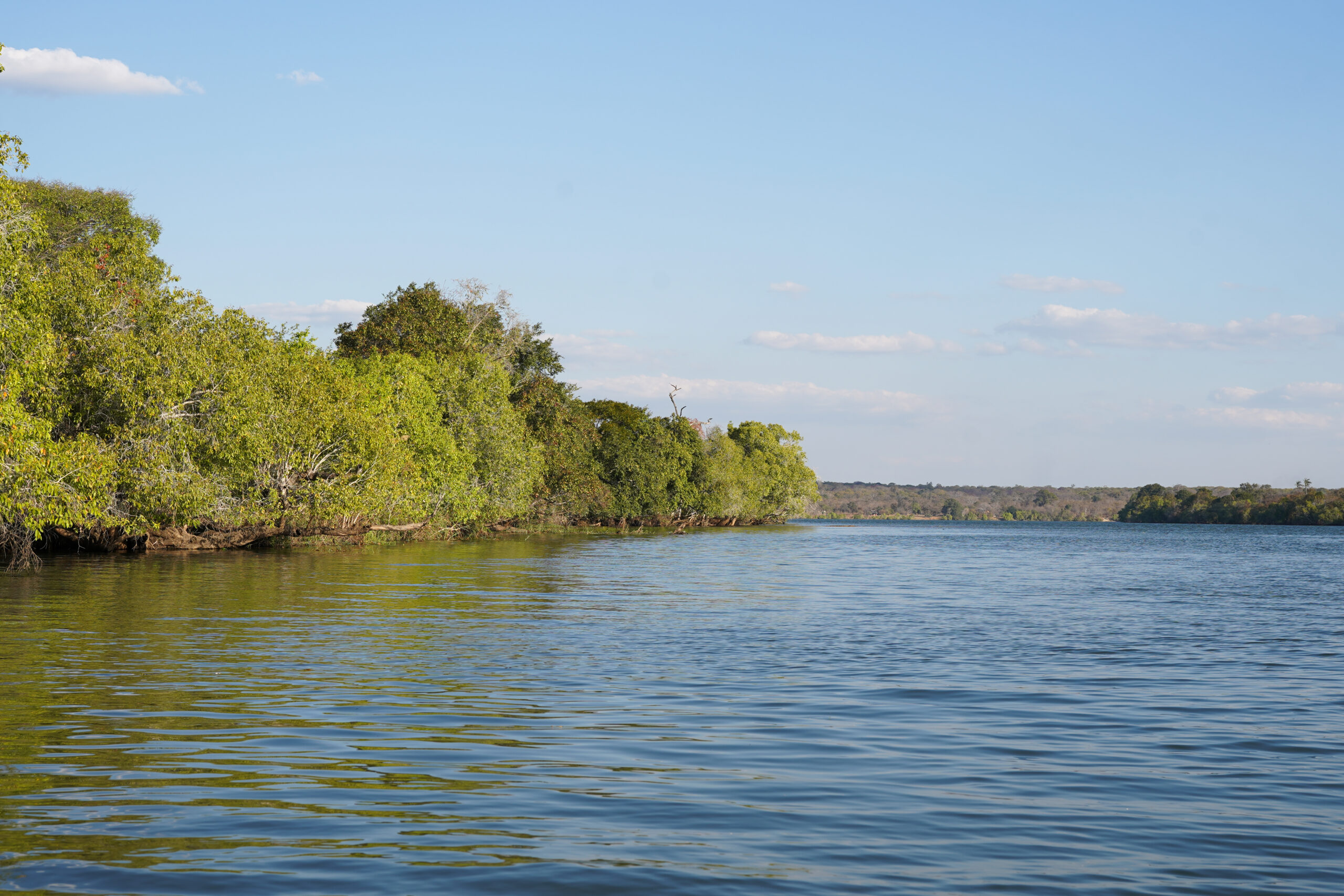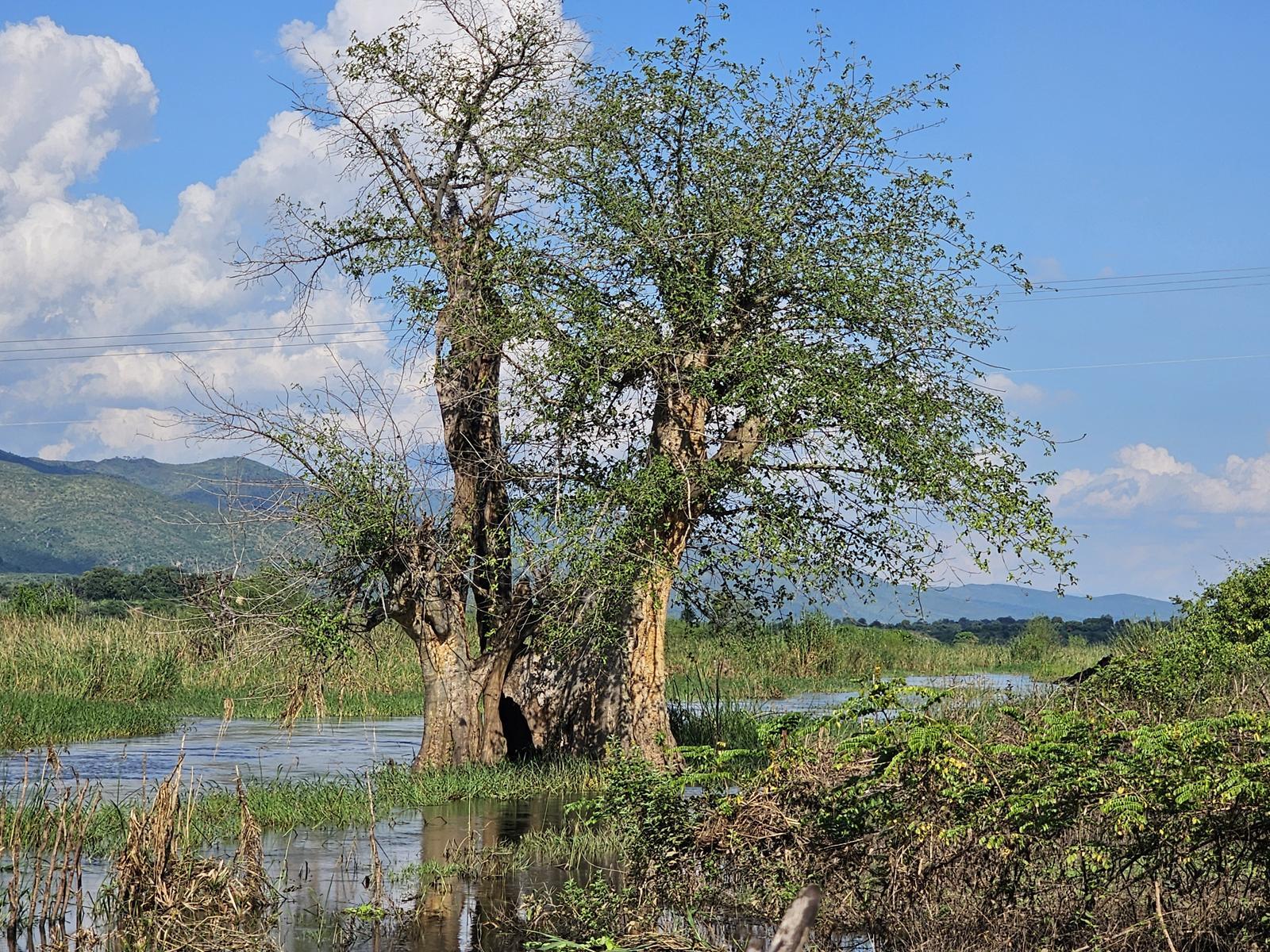
Hundreds of thousands of people depend on Malawi’s Elephant Marsh for their livelihoods.Despite the name, there are no longer elephants in these wetlands, whose boundaries expand and contract with seasonal rains, but they provide habitat for hippos, crocodiles, fish and more than 100 waterbird species as well as thousands of farming and fishing households.The water from floods caused by 2023’s Cyclone Freddy never receded from large parts of the marsh, and this has displaced more than 1,000 farming households.Ongoing changes to the landscape upstream and in the marsh itself have destabilized the wetlands’ ability to absorb seasonal flooding. Increasingly frequent storms like Freddy are a further challenge to the ecosystem’s functioning.
NSANJE DISTRICT, Malawi — From his canoe, floating in a shallow channel in a corner of southern Malawi’s Elephant Marsh, Fred Nsema points at two palm trees standing knee-deep in a sprawling cover of water lilies and water hyacinth. Nsema used to shelter from the heat under them, sipping a traditional fermented drink prepared from millet by his wife. But along with more than a 1,000 other families here in the Lower Shire Valley, home to Elephant Marsh, he and his wife lost their farmland to floods caused by Cyclone Freddy in 2023.