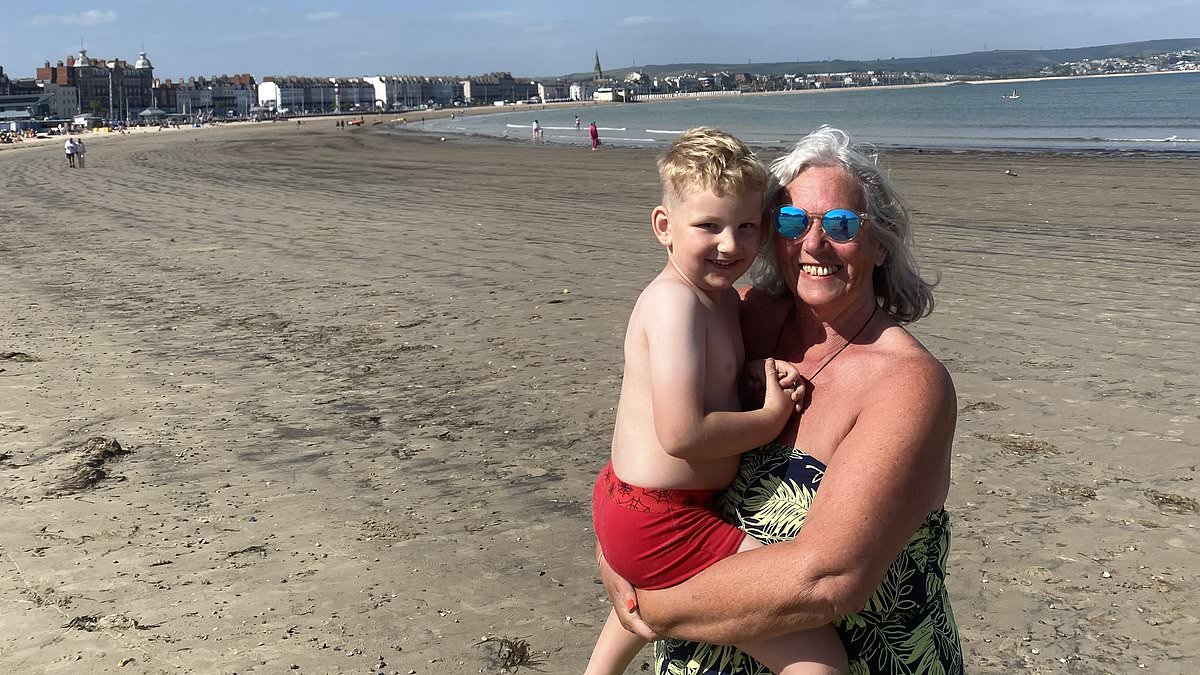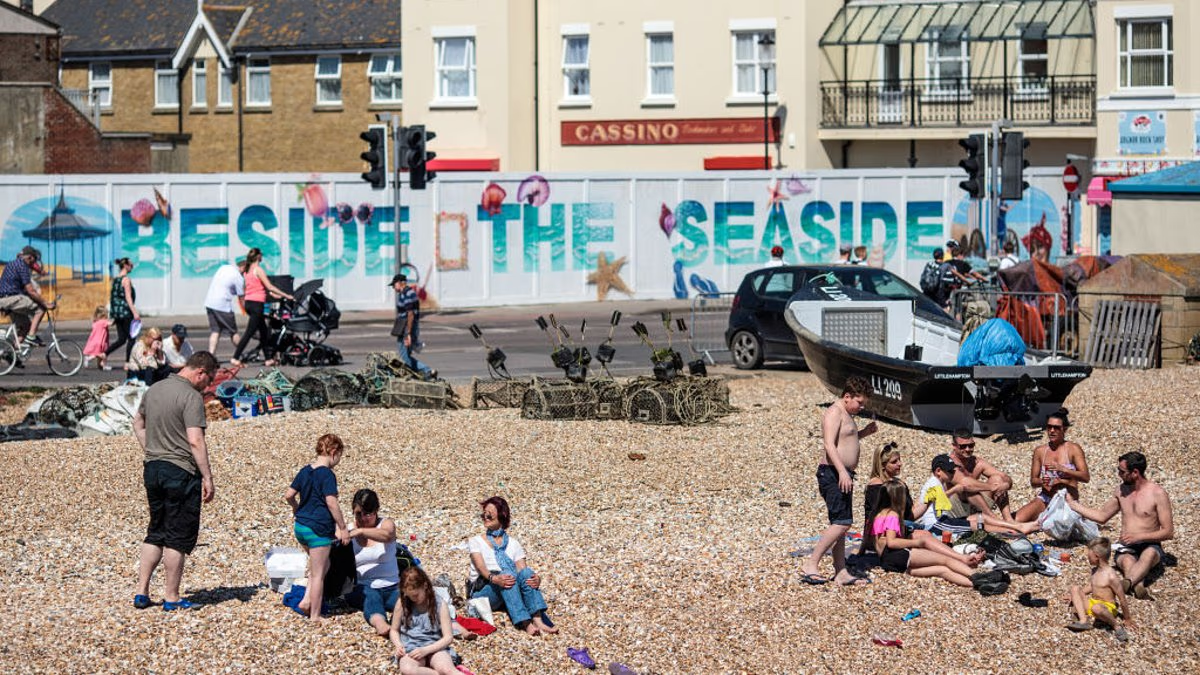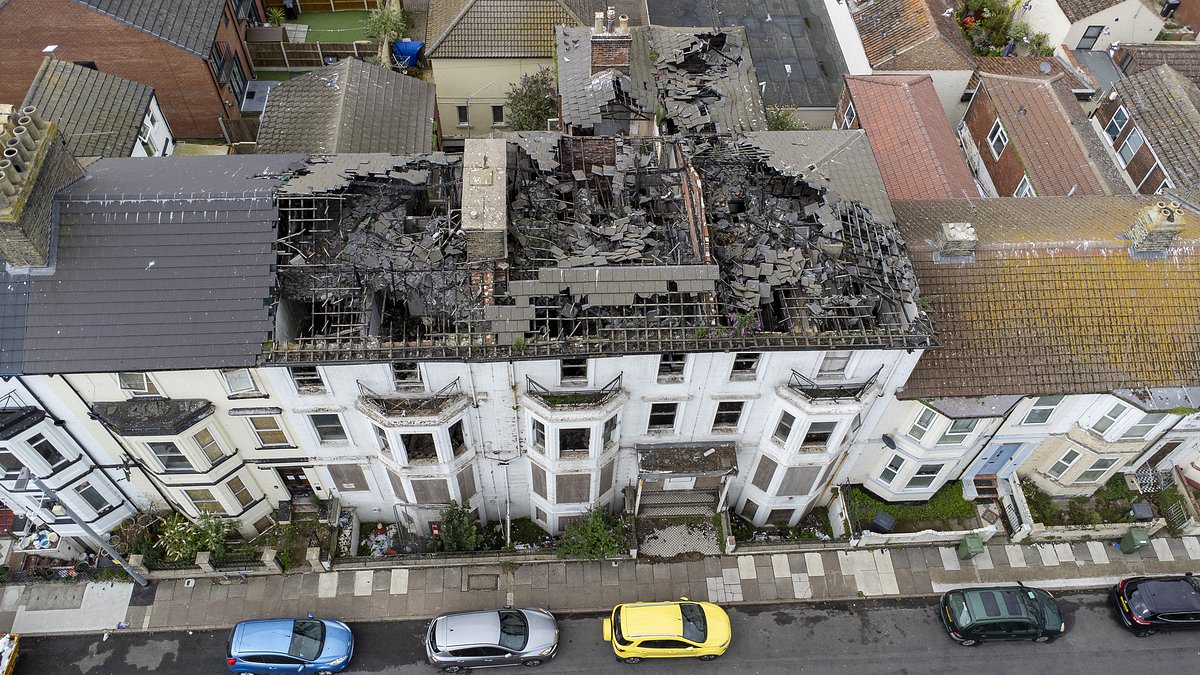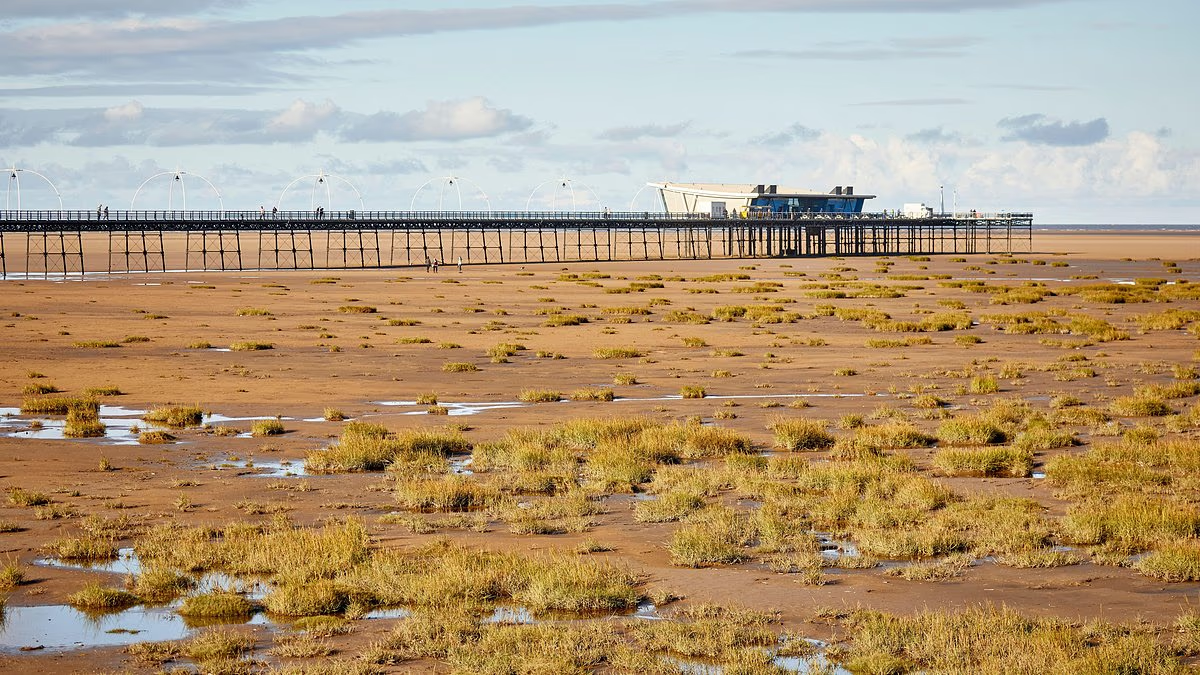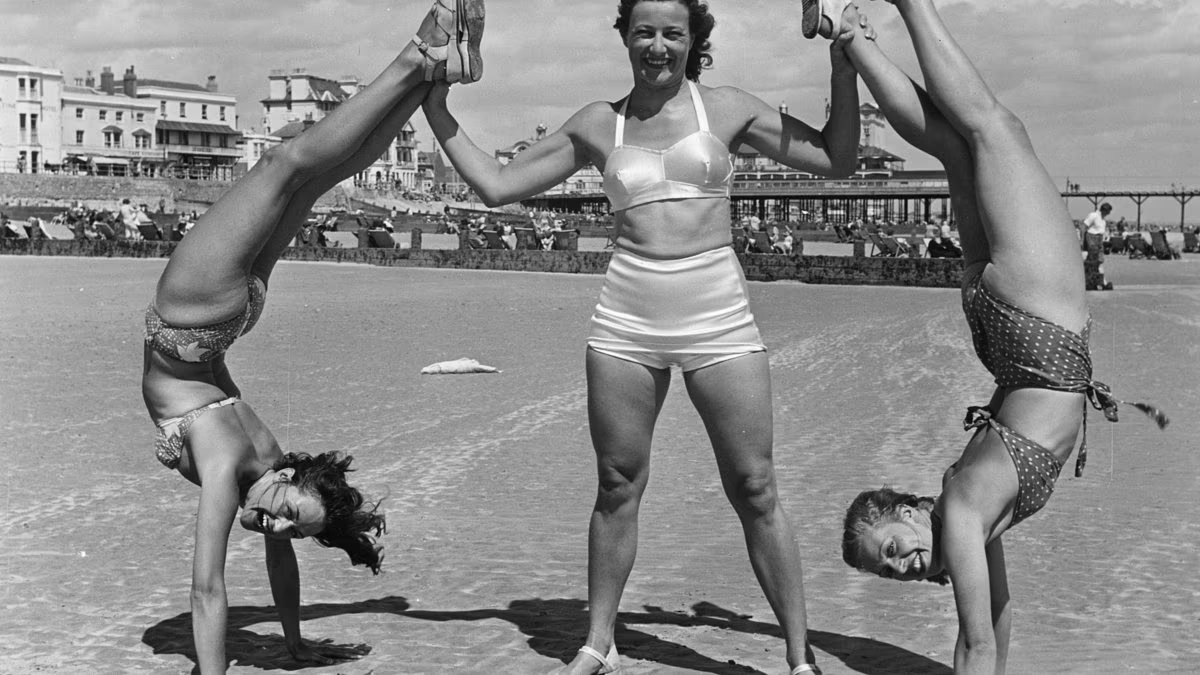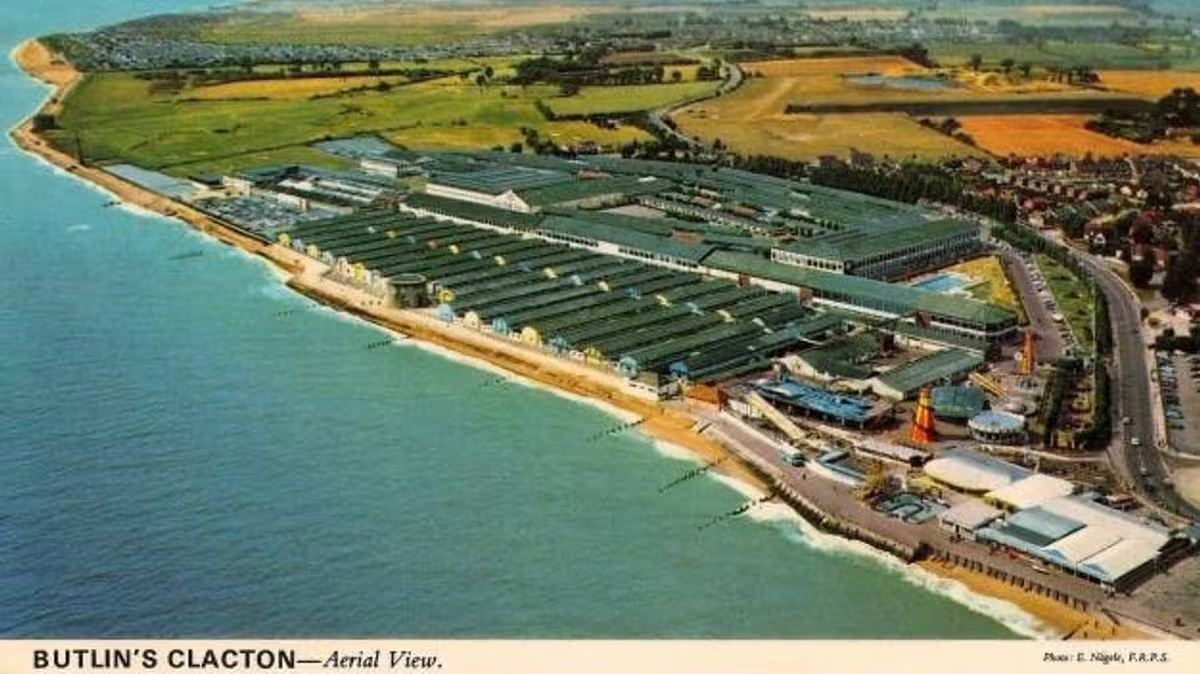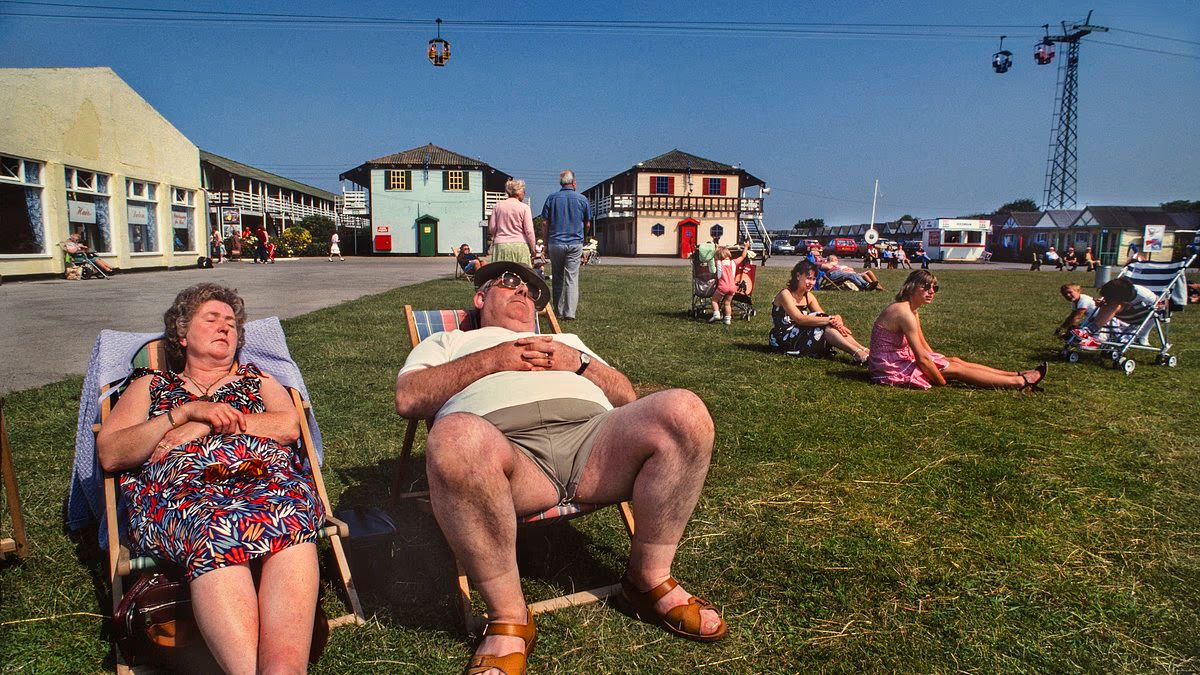
'Skeggy', as it is affectionately known, was once the blueprint for a British seaside town, setting the standard for what a good pier, promenade and coastal getaway should look like.But over more than a century, the resort town has gone from holiday haven to a budget destination many Brits turn their noses up at. 'Loser's paradise,' the 'worst beach ever', and 'discarded underwear' strewn everywhere are just some of the criticisms piled on this seaside town.How - and why - did Skegness morph from one of the best places to be during the summer months to a hopelessly naff seaside town? Skegness' Pier in 1895 was a bustling attraction, with an energising ambience and seaside views Up until the 1930s, Skegness gained traction as a seaside holiday resortIn the 1850s, the port of Skegness had fewer than 400 residents, with the majority working on farms and as fishermen.Everything changed when the railways reached the town in 1873 - all of a sudden, Brits could hop on board to enjoy a seaside escape within a few hours.In that decade, the area was revamped, and its population surged, reaching 2,000. Tourist attractions opened up in the town, from a boating lake to an amusement park, new hotels, entertainments and shops. The real turning point? In 1936, when the UK's first Butlin's holiday camp in Skegness officially opened.Working-class families had a chic new holiday destination - and its popularity soared. Beauty queens from nine different countries arrive at Butlin's holiday camp in June 1937 Butlin's Red Coats are a core part of their attraction, adding entertainment factorThe town gained a reputation as an increasingly fun place to be during those deliciously hot summer months. While it was badly damaged during both World Wars, it sprang back to life in the 1950s and 1960s.Not only did the town enjoy redevelopment and repair, but it also welcomed a large number of Britain's most attractive women, thanks to a string of beauty contests in the area.From Miss Skegness and Miss Great Britain competitions to the Holiday Lovelies at Butlin's in the 1940s, there was no shortage of beautiful Brits gracing the shores of the resort town back in the day.Unfortunately, with the rise of cheap foreign package holidays in the 1960s, everything went downhill for Skegness.Prices dropped for more glamorous international trips, meaning the previously unmatched allure of Skegness was on the decline.Indeed, why would one holiday in the UK over the Costa del Sol? Contestants in a beach beauty competition at Skegness in 1960 Beauty contest girls sitting in deck-chairs on the beach at Skegness putting on their make-up before the competition in 1960Despite regeneration projects and attempts to lure in more tourists, the damage was done. In 2010, Skegness was ranked as England's most socially deprived seaside town.John Byford, councillor for Skegness South, said at the time: 'Opportunities around here are few and far between. There's no industry. 'People like it that we don't have the fast motorways, but that's also a problem because it means we don't get the industry.' At the time, 20 per cent of England was considered deprived - but the figure for the 31 larger English seaside destinations was 26.9 per cent, The Independent reported.It seems Skegness was not the only seaside town affected, with Blackpool topping the bigger resorts for deprivation. Nowadays, Butlin's Skegness is a holiday camp favoured by Brits But the town itself is showing signs of desolation, with its previously glam appeal goneSkegness today shows poverty is still rife, with the local district having been named worst place to be born and live in the UK.Redevelopment projects are under way, including the government's multi-million-pound Plan for Neighbourhoods, which aims to turn around Skegness' fortunes. Will it work?That remains to be seen.
From beauty contests to 'loser paradise', what happened to Skegness?
Once Britain's favourite bucket-and-spade destination, Skegness is now fighting to revive its fading fortune.
626 words~3 min read