International affairs experts view China's newly released white paper as a significant and timely contribution to discussions on reforming the global governance system amid mounting challenges such as geopolitical tensions, economic fragmentation and development deficits.
They note that the document emphasizes reforming and improving existing institutions rather than replacing them, with a strong focus on the central role of the United Nations, sovereign equality, true multilateralism based on extensive consultation, joint contribution and shared benefits, as well as greater representation and voice for the Global South.
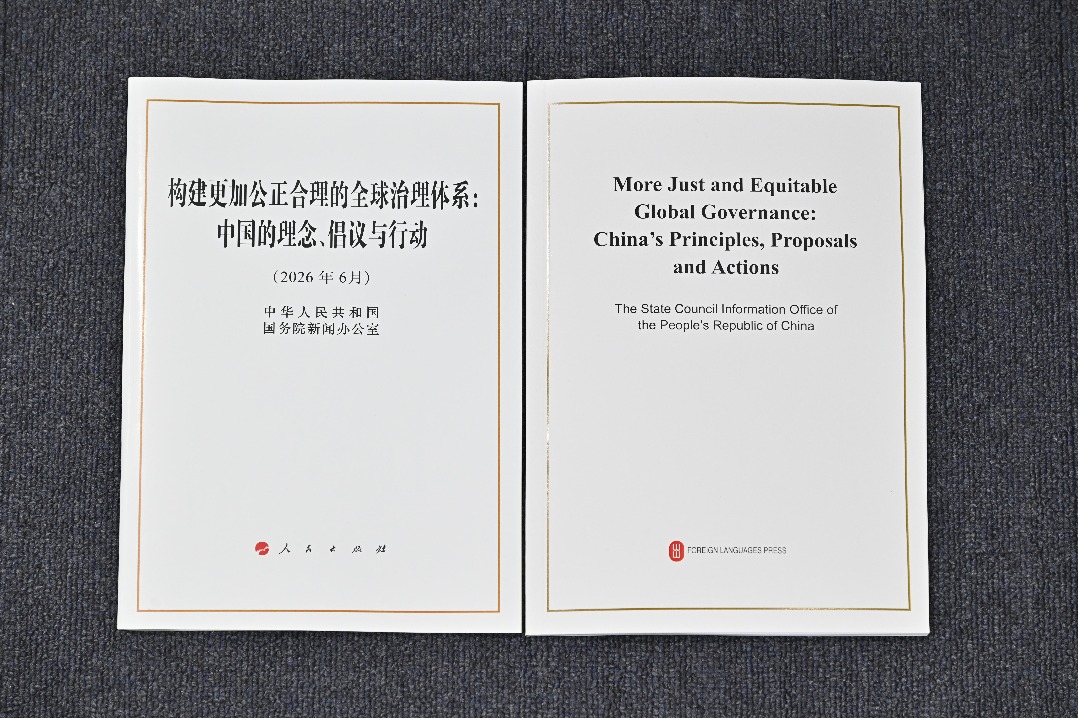
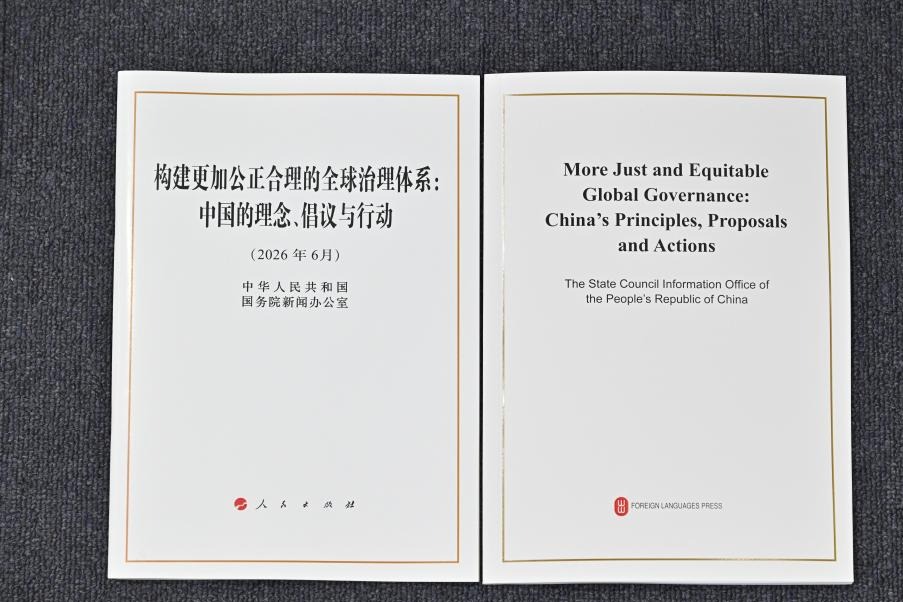
The white paper, titled "More Just and Equitable Global Governance: China's Principles, Proposals and Actions", was published by the State Council Information Office of China earlier this month. It states that "building a just and equitable global governance system is a shared vision long pursued by people from across the world".
It reviews how unilateralism, protectionism, and hegemonism have been spreading unchecked, while deficits in peace, development, security and trust continue to expand. In response, President Xi Jinping proposed the Global Governance Initiative in September 2025 at the Shanghai Cooperation Organization Plus Meeting in Tianjin. The initiative has swiftly gained support from nearly 160 countries and international organizations, with over 60 countries joining the Group of Friends of Global Governance at the United Nations.