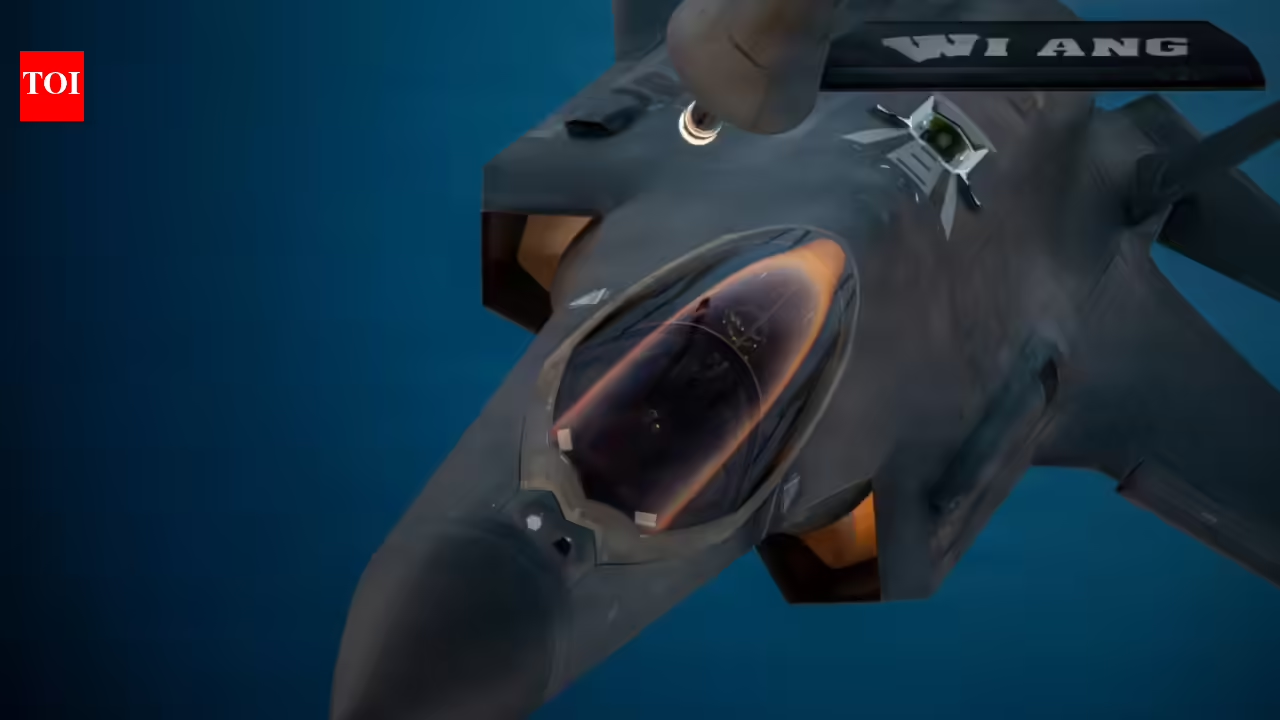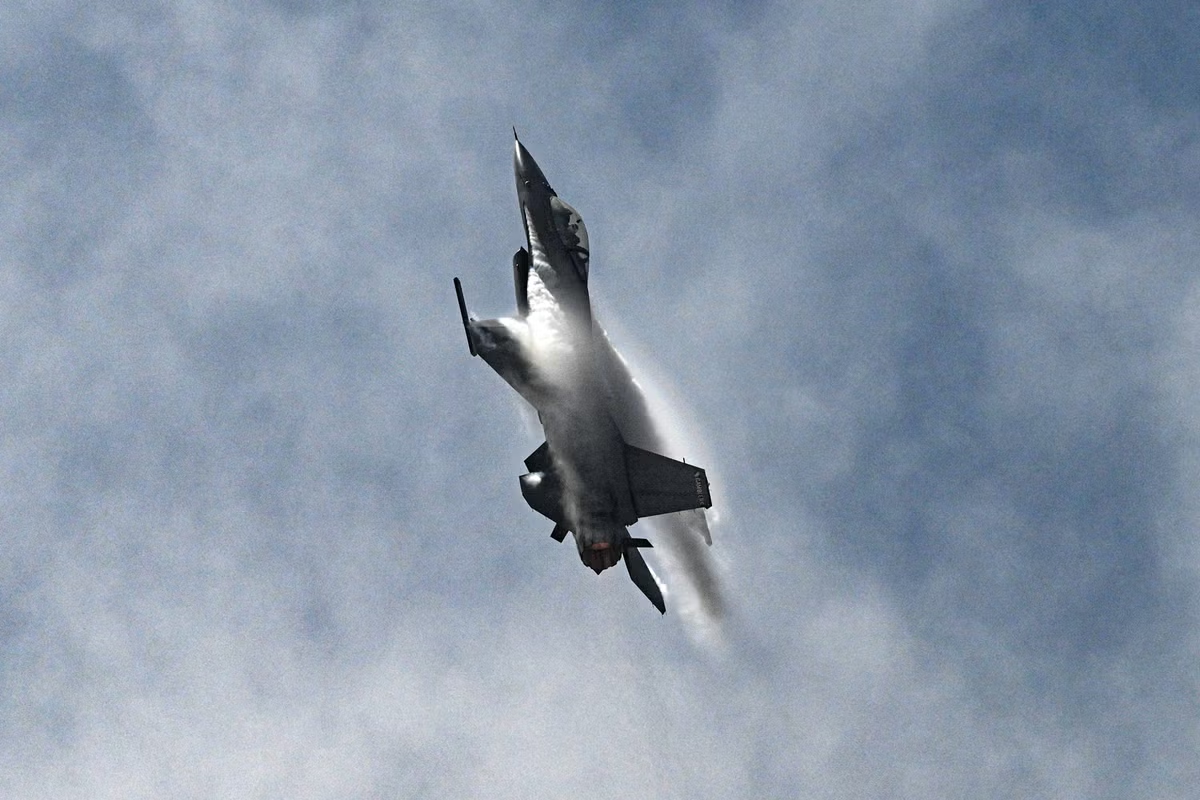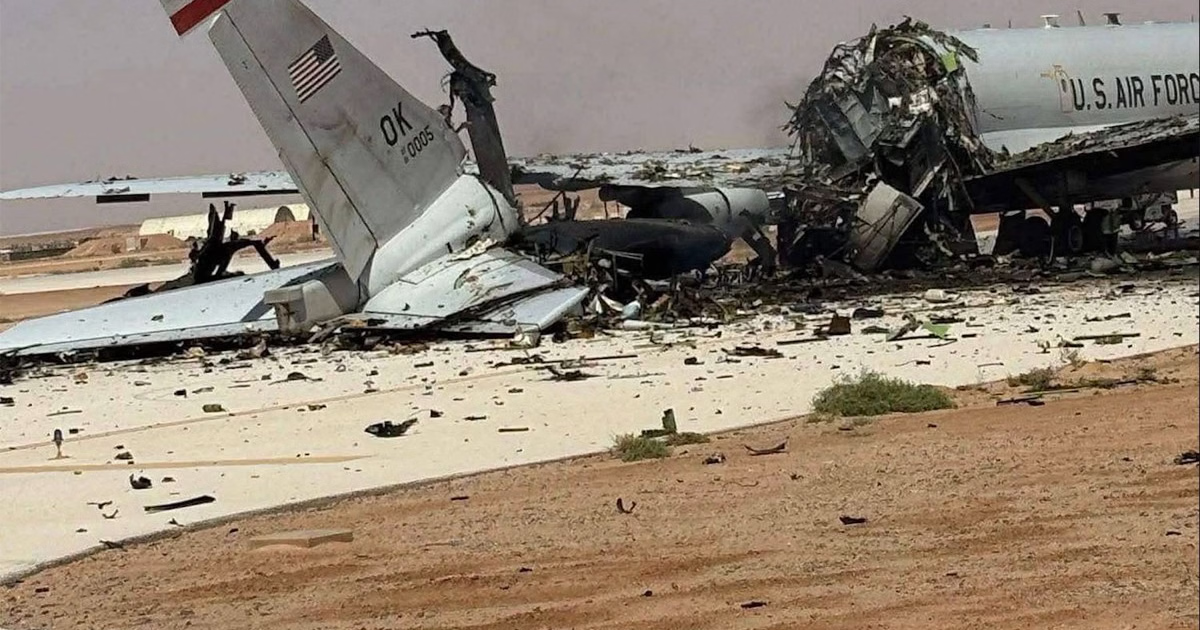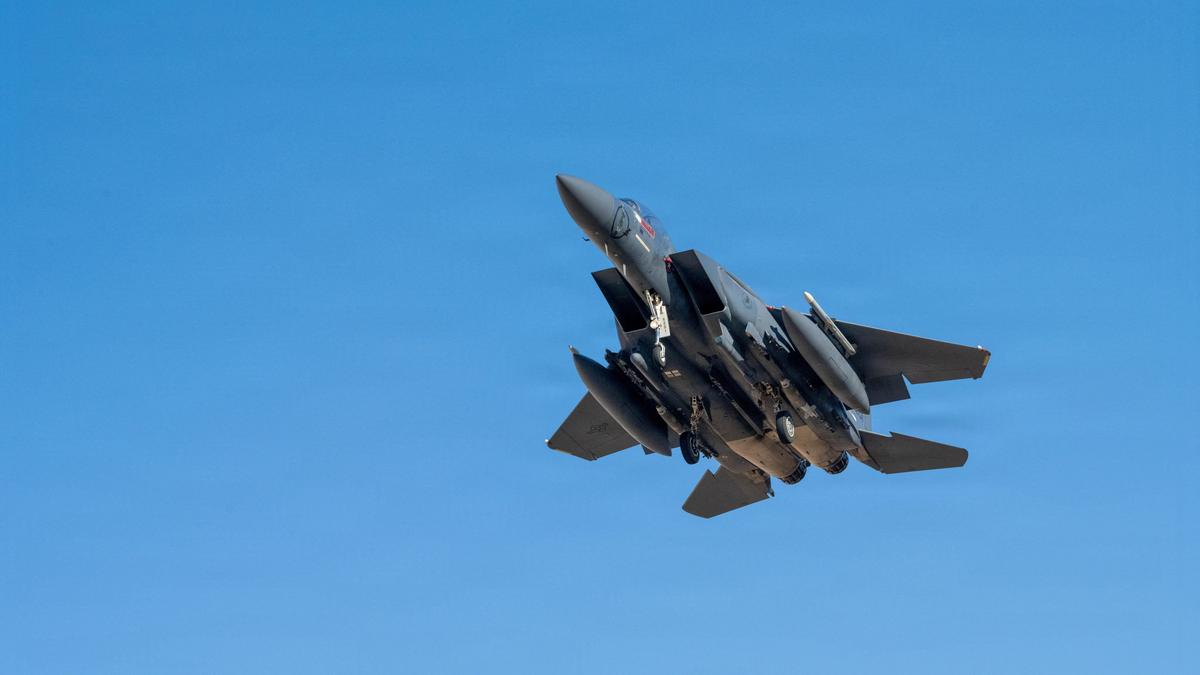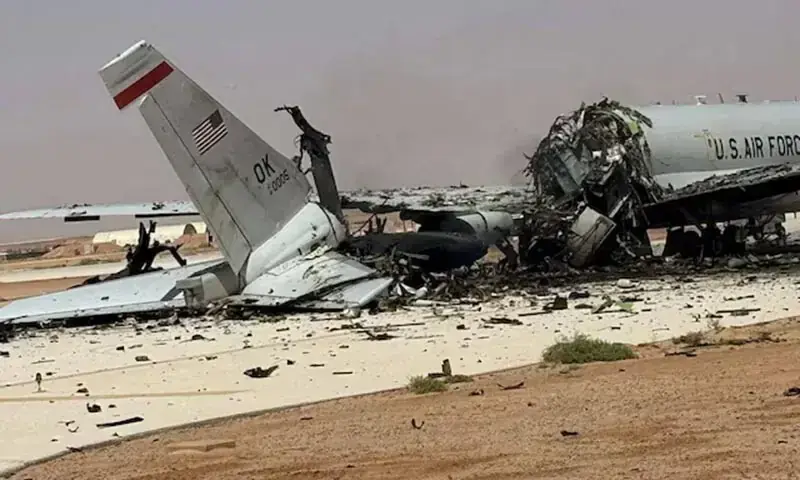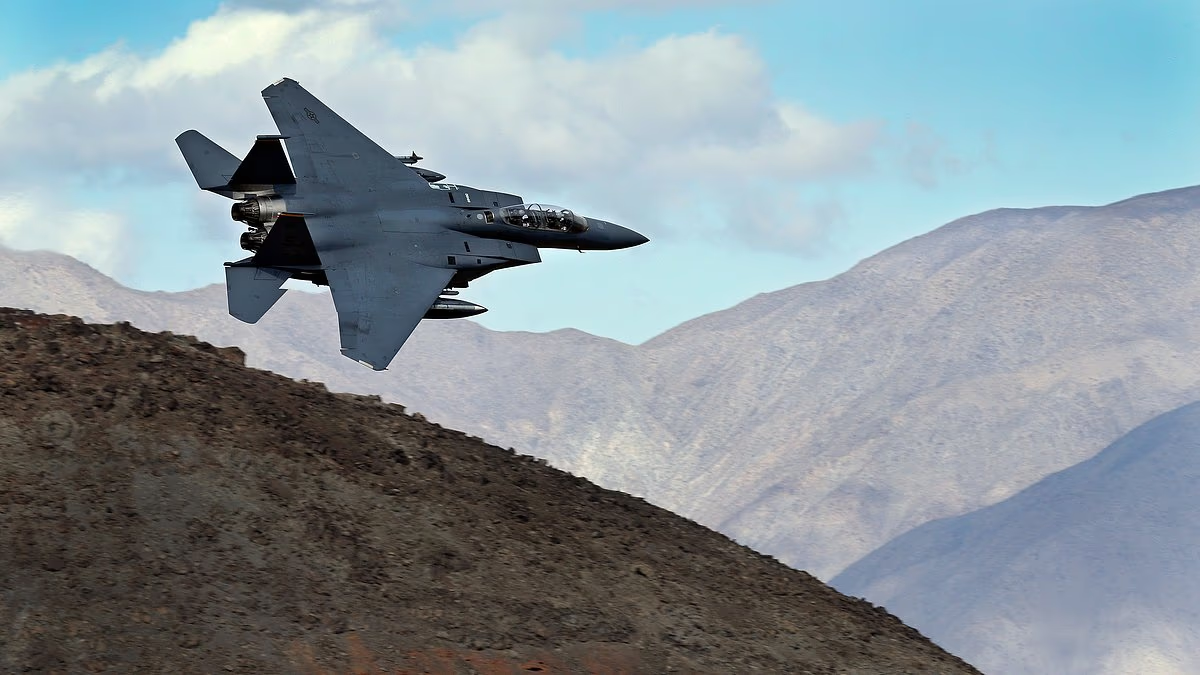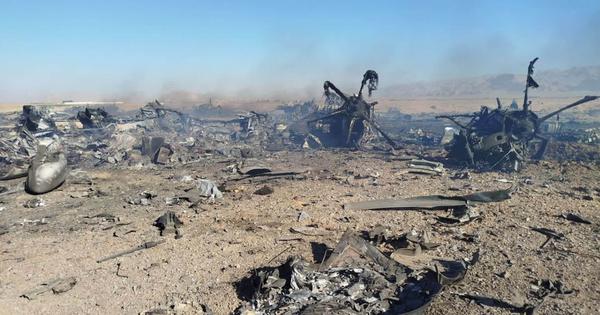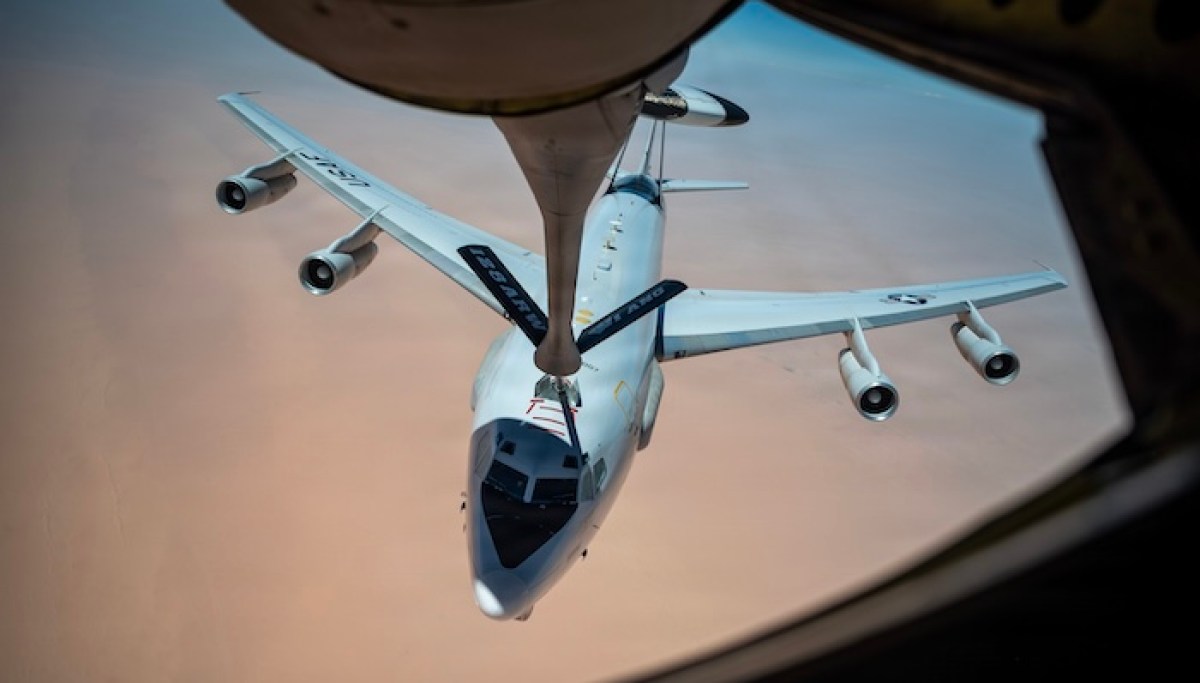
The U.S. Air Force‘s maintenance and sustainment efforts will be at full throttle following the war in Iran, where the service had dozens of aircraft damaged or destroyed.There were at least 42 U.S. aircraft lost or damaged during Operation Epic Fury, a Congressional Research Service report from May revealed. That total has increased since then by at least one after an Army Apache helicopter was downed by an Iranian drone this month and the two pilots were rescued. It also doesn’t include unrelated incidents, like the B-52 Stratofortress that crashed upon takeoff at Edwards Air Force Base in California, killing the crew of eight.The Air Force lost four F-15E fighter aircraft — three of which were accidentally shot down by Kuwait and one that Iran shot down that led to a desperate search and rescue operation for the pilots — lost one A-10 Thunderbolt II; suffered one damaged F-35A Lightning II fighter aircraft; lost an E-3 sentry airborne early warning and control system aircraft; lost about two dozen MQ-9 Reaper drones; and seven KC-135 Stratotanker aerial refueling aircraft sustained damage or were destroyed.
All of that is on top of the routine maintenance every aircraft will need following the war.“It’s going to strain an already burdened maintenance and repair infrastructure within the Air Force,” Diana Maurer, director of the Government Accountability Office’s Defense Capabilities and Management team, told the Washington Examiner. “These are organizations that already are struggling with not enough spare parts, not enough people, challenges completing repairs on time, challenges with the infrastructure they have to complete those repairs. So it’s going to make an already difficult situation even harder.”Some of the aircraft, like the F-15Es and MQ-9 drones, were shot down either over Iran or in nearby airspace, while several others, like the E-3, were on the ground when they were damaged or destroyed, which raises long-term basing questions.“Only two crewed combat aircraft were lost in combat operations over Iran, one F-15E and one A-10. The other losses over Iran were uninhabited MQ-9s flying without defensive systems, in high-threat airspace, and for long durations. The remaining losses were due to friendly fire, a midair [crash], and attacks against U.S. aircraft on the ground,” retired Lt. Gen. David A. Deptula told the Washington Examiner. “Air base defense has been highlighted for decades as a U.S. military deficiency, and the aircraft losses on the ground is prompting a long-overdue, serious examination of basing, dispersal, active and passive defense.”A KC-135 Stratotanker provides fuel to an F-16 Fighting Falcons near Osan Air Base, Republic of Korea, Feb. 2, 2022. The Stratotanker, which first became operational to the Air Force in 1957, remains a steady in-air refueler along with the KC-10 Pegasus. (U.S Air Force photo by Senior Airman Megan Estrada)