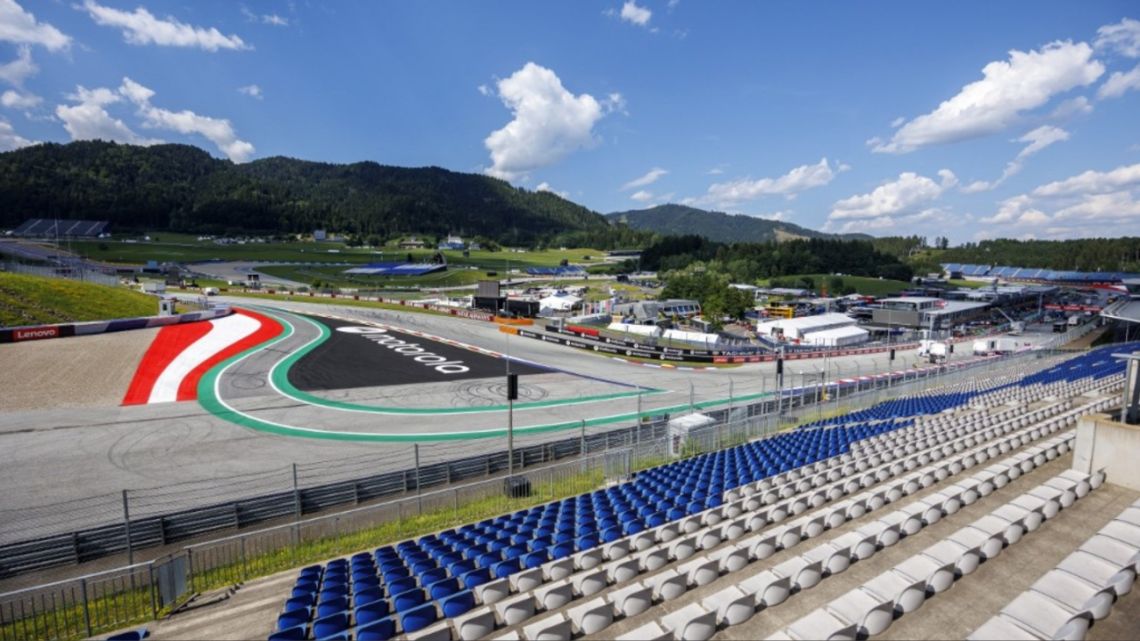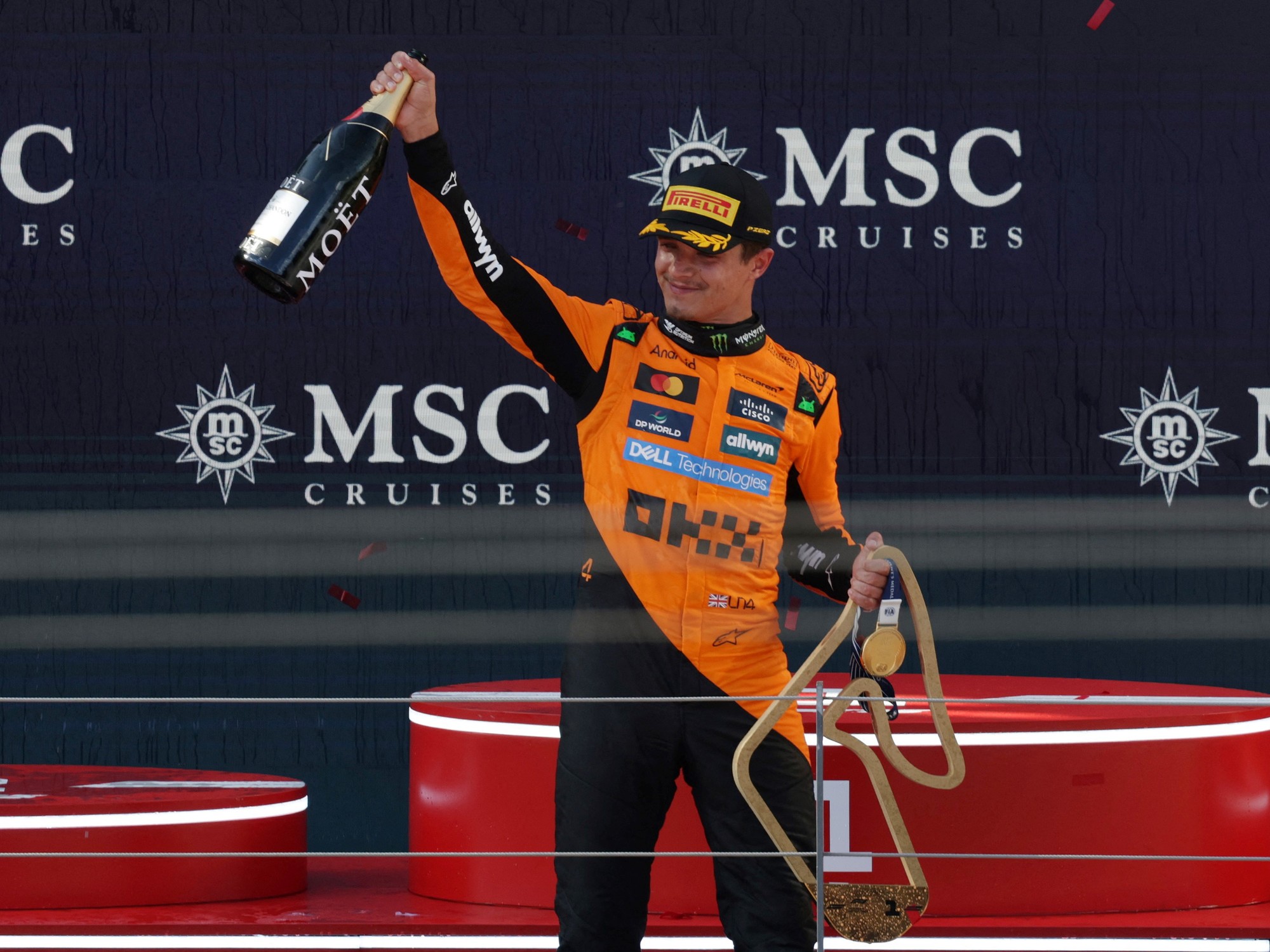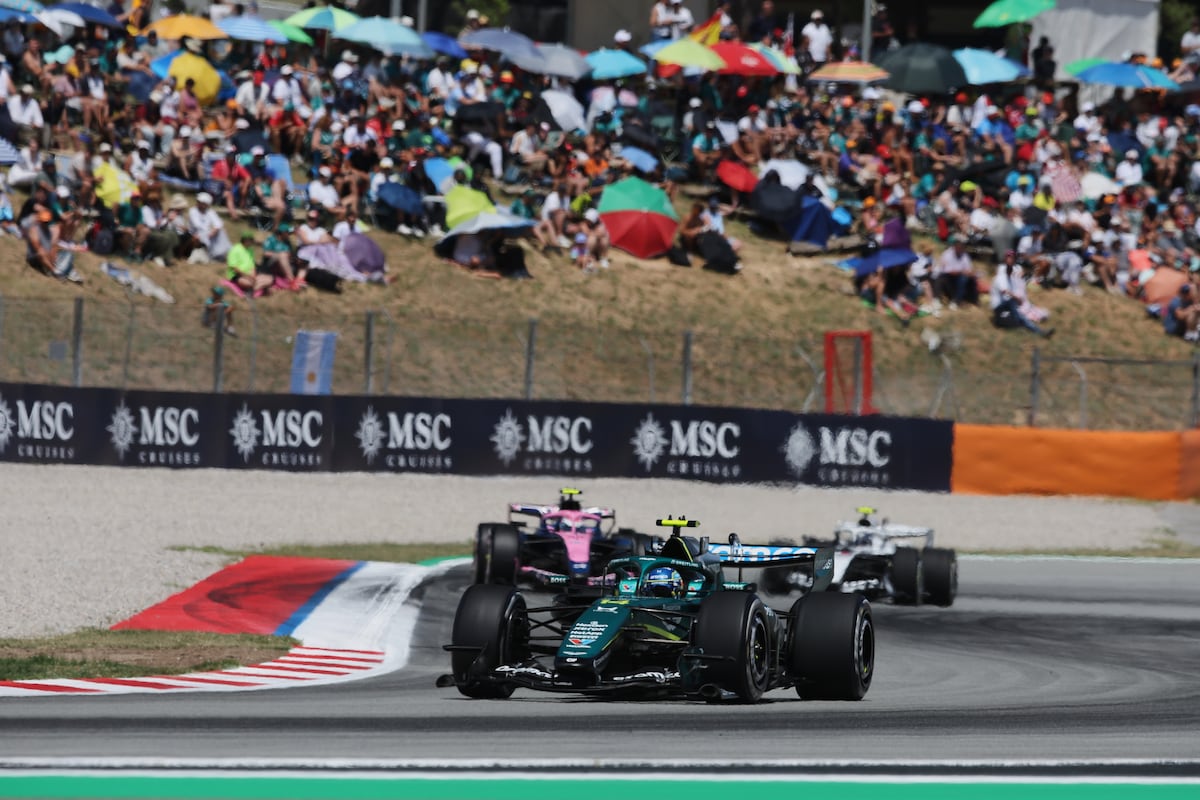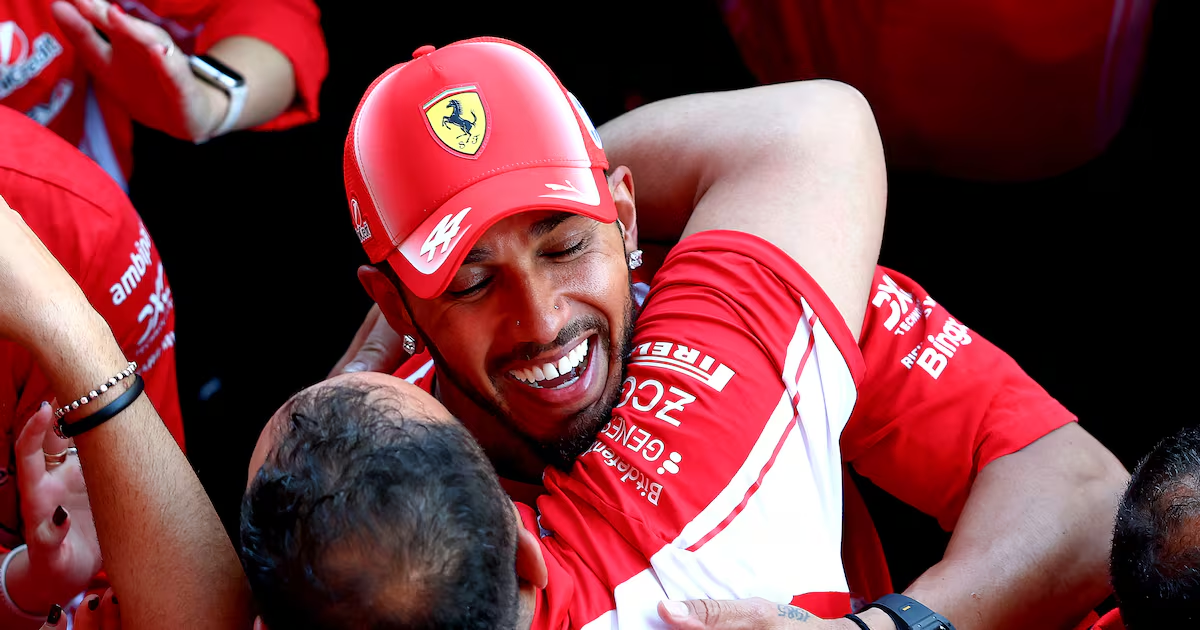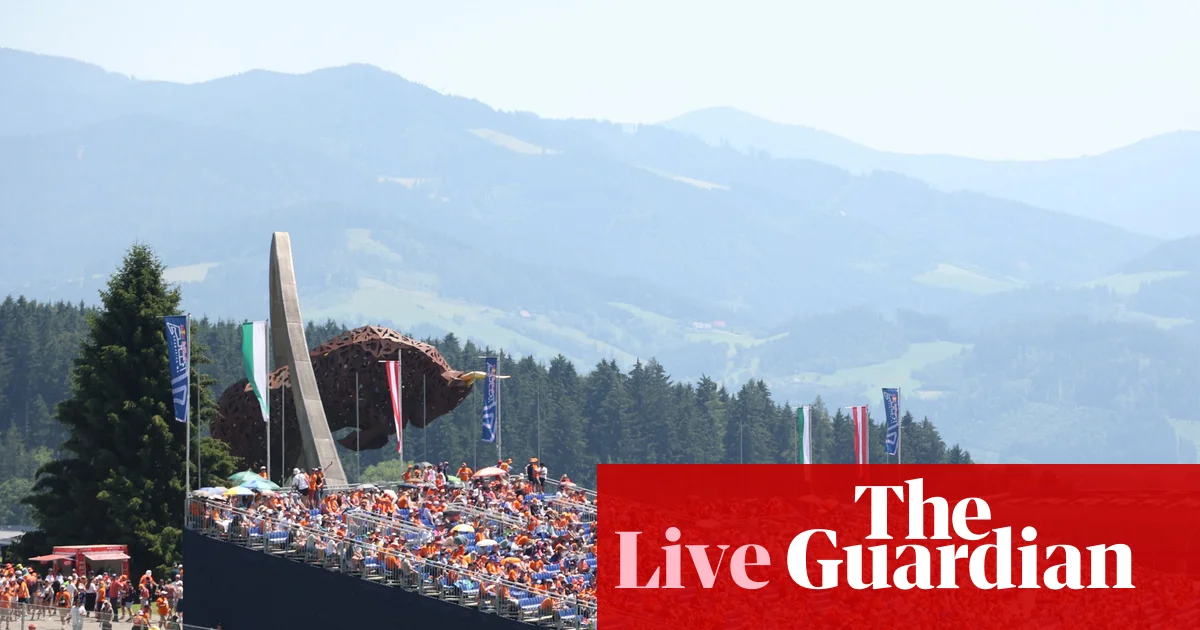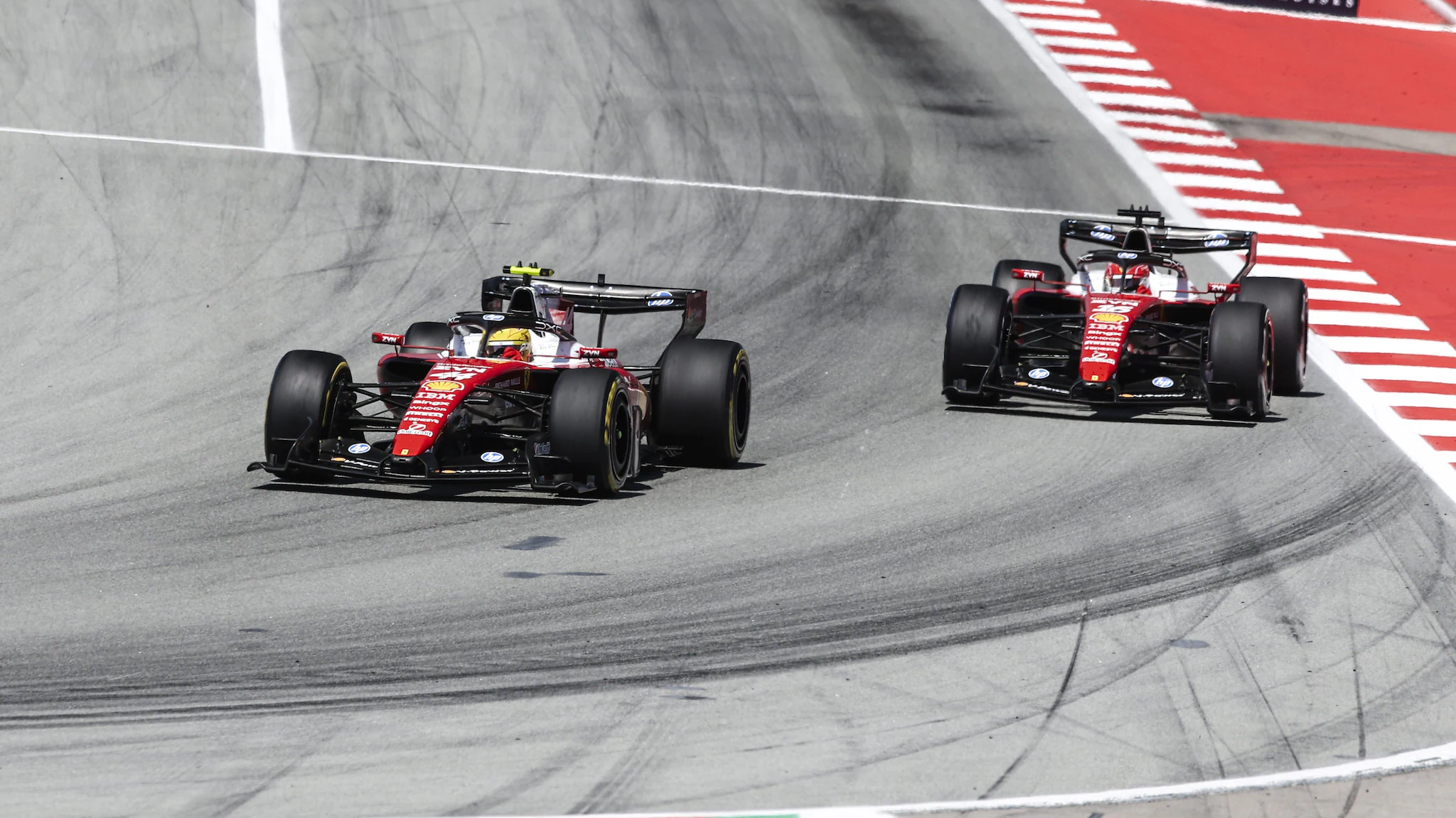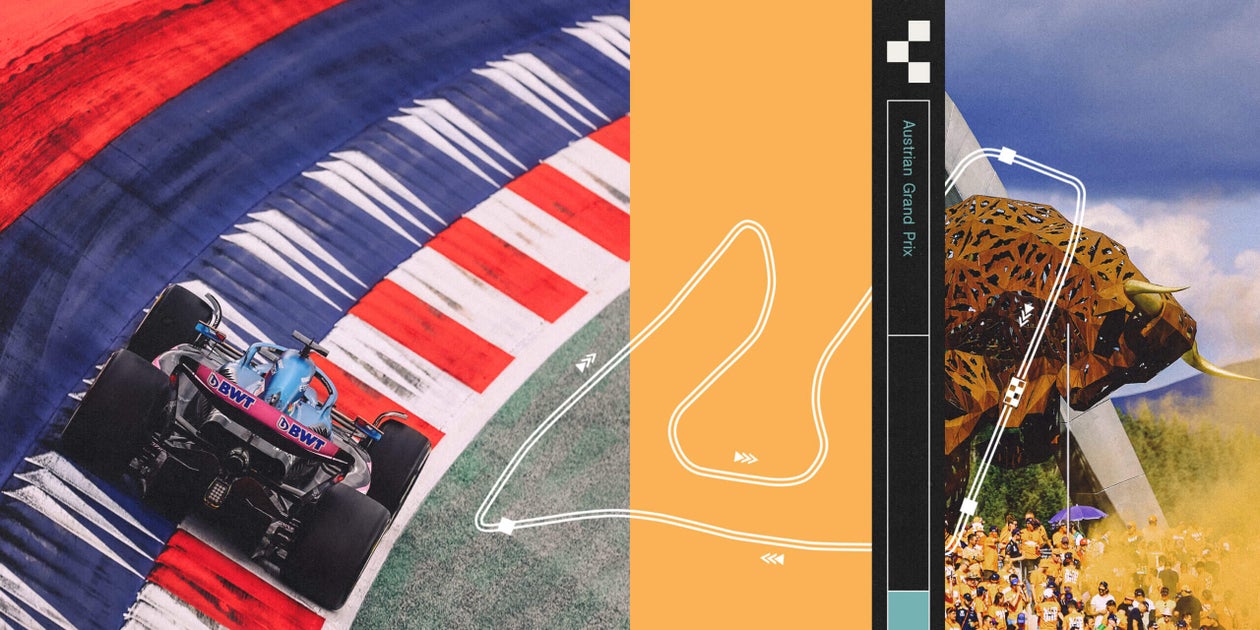
Formula 1 is back this weekend for the Austrian Grand Prix at the Red Bull Ring, one of the shortest tracks on the calendar.The track first hosted racing in 1969 as the Österreichring, when it took over the old Zeltweg airfield circuit. F1 had its first world championship grand prix at the new track a year later.This circuit layout hosted its last race on a 1987 weekend marred by accidents, including a collision with a deer during practice and a grand prix that needed three starts to get going properly. The first start had a multi-car crash. On the second, Nigel Mansell’s slow start triggered a 12-car pileup.F1 came back a decade later after famed track designer Hermann Tilke converted the Österreichring into a shorter track called the A1-Ring. In 2004, Red Bull co-founder Dietrich Mateschitz bought the circuit in his native land and gave it the moniker we know today. Red Bull Ring returned to the F1 calendar a decade later.At just 2.7-miles in length, impeding and traffic concerns typically arise here in qualifying. However, track limits have also became a major issue here in recent years. In 2023, many lap times were deleted during qualifying (47, to be exact), and eight drivers received 12 combined penalties on race day, changing the final race classification.As F1 returns to the scene of one of it’s most controversial races in 2024 — with Max Verstappen and Lando Norris coming to blows late on and letting George Russell in to win for Mercedes — and the thrilling battle between Norris and his McLaren teammate Oscar Piastri in 2025, here’s what you need to know about the short track that packs a punch.How Dietrich Mateschitz and Red Bull brought F1 back to SpielbergMateschitz bought the track in the same year he purchased Jaguar’s F1 team. He renamed both after his company. While Red Bull Racing debuted in 2005, Red Bull Ring spent the next decade on the sidelines as it was brought up to modern standards.The circuit held its opening ceremony in 2011 and was approved as a standard F1 track; however, it didn’t host a grand prix for a couple more years.“If we were to bring Formula 1 back to Styria, then we should take a long-term approach,” Mateschitz told Speedweek.de in January 2013. “We are talking about at least three to five years. By then, the track would be perfect for this purpose.”Six months later, Red Bull and then F1 CEO Bernie Ecclestone reached an initial seven-year deal for the circuit to return to the calendar. The cost of race promotion is high. “Ticket revenues will probably cover the cost of staging the race, but not the promoter’s fee,” Mateschitz said, per Autosport. “That’s my expense. But I think winning the F1 championships with Red Bull Racing three years in a row (2010-2013) did a little to help us.”Small but mightyNestled in the Styrian mountains, Red Bull Ring is nearly 700 meters (2,300 feet) above sea level — making the Austrian track the highest European circuit on this year’s schedule. This circuit is also second in terms of elevation changes behind Spa, with 63.5 meters (208 feet, or about 15 stories) between the lowest and highest points of the track.
Austrian GP track breakdown: F1’s mountain sprint at the mighty Red Bull Ring
The Austrian circuit features 2.7 miles of steep elevation changes, long straights, all kinds of corners — and track limits concerns.
1,171 words~5 min read