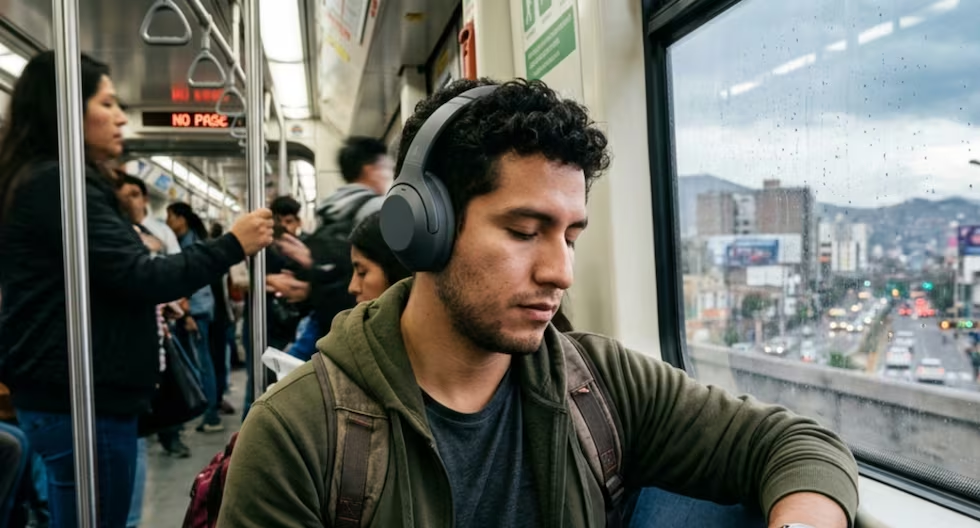
Have you ever noticed someone wearing headphones almost everywhere, at the gym, while grocery shopping, walking down the street, or even sitting quietly at home? It may seem like they're simply enjoying music or a podcast, but psychology suggests the habit can reflect much deeper mental processes. Of course, not everyone wears headphones for the same reason. Many people simply enjoy entertainment, need them for work, or want better sound quality. But when headphones become a near-constant companion, psychologists say the behavior may be linked to how the brain manages attention, emotions, stress, and the surrounding environment.Here are some of the psychological reasons why some people rarely take their headphones off.The brain often uses headphones as a tool for emotional regulationOne of the strongest explanations comes from the concept of emotional regulation, the ability to manage emotions in healthy ways. Research shows that music can influence mood, reduce stress, and even help people recover from difficult emotional experiences. Instead of changing the external world, headphones allow people to change what they hear, creating an environment that feels emotionally safer.For example, someone anxious before a job interview might listen to calming instrumental music, while another person may play energetic songs before exercising to increase motivation.Psychologists describe this as using environmental cues to regulate internal emotional states. Rather than escaping reality, many people are actively managing how they feel.You Might Also Like:Wearing headphones creates a psychological "personal space"Even in crowded environments, headphones can create an invisible psychological boundary. This idea aligns with Environmental Psychology, which studies how the surroundings influence human behavior. Although headphones don't physically separate people from others, they often signal that the wearer wants fewer interruptions.The brain constantly processes conversations, traffic, alarms, and background noise. Filtering some of this information reduces cognitive load, allowing people to conserve mental energy. Think about commuters on a packed train. Even if they aren't listening to anything loudly, simply wearing headphones can make the journey feel calmer because the brain perceives greater personal control over the environment.Selective attention helps the brain focus on what mattersPsychologists have long studied Selective Attention, the brain's ability to focus on important information while ignoring distractions. Headphones can support this natural filtering system. Students studying in libraries, programmers writing code, or writers working in coffee shops often use music or white noise to reduce competing distractions. Instead of forcing the brain to process dozens of surrounding sounds, headphones simplify the sensory environment.Research suggests that predictable background audio can improve concentration for many routine tasks, although the effect varies depending on the individual and the complexity of the work.You Might Also Like:Headphones may help highly sensitive people manage overstimulationSome individuals naturally experience the world more intensely than others. According to psychologist Elaine Aron, people with Sensory Processing Sensitivity (SPS) tend to process sensory information more deeply. Busy streets, loud conversations, and constant background noise may become mentally exhausting much faster for them.For these individuals, headphones can function as a practical coping strategy rather than a social barrier. Noise-reducing headphones or calming audio may help lower overstimulation and preserve mental energy throughout the day. This doesn't necessarily mean someone is introverted or antisocial. Instead, their nervous system may simply respond more strongly to sensory input.Familiar sounds create predictability and reduce uncertaintyThe human brain naturally prefers predictability. According to Cognitive Load Theory, mental resources are limited. Unexpected sounds require continuous monitoring because the brain must decide whether they are important or potentially threatening.A familiar playlist, podcast, or ambient soundscape reduces this uncertainty. Instead of constantly adapting to changing environments, the brain processes consistent audio that requires less mental effort.This partly explains why many people replay the same songs repeatedly. Familiar music reduces uncertainty while creating a sense of stability and comfort.Music can activate the brain's reward systemNeuroscience research has shown that enjoyable music activates areas associated with the brain's reward system, including dopamine-related pathways. This doesn't mean headphones are addictive by themselves. Rather, pleasurable sounds can reinforce positive emotional experiences.After a stressful meeting or a difficult day, listening to favorite music may help restore motivation, improve mood, and encourage relaxation.Many people unconsciously associate certain playlists with exercise, studying, relaxation, or productivity, strengthening these emotional connections over time through classical conditioning.Headphones don't always mean someone wants to avoid peopleOne common misconception is that people wearing headphones are antisocial. Psychology paints a more balanced picture. Many people remove their headphones immediately when speaking with friends or coworkers. Others simply use them during transitions between activities or while completing focused work.The behavior often reflects context rather than personality. Someone may enjoy social interaction while also recognizing that regular periods of reduced stimulation help them recharge mentally.Psychology suggests that constantly wearing headphones is often less about avoiding people and more about managing attention, emotions, and sensory input.Whether someone is seeking focus through selective attention, regulating emotions with music, reducing overstimulation, or creating a sense of personal space, headphones can become a practical psychological tool.Like most everyday habits, the behavior doesn't reveal someone's personality on its own. Instead, it highlights how the brain continuously adapts to meet emotional and cognitive needs in an increasingly noisy world.FAQsIs constantly wearing headphones a psychological coping mechanism?It can be for some people. Many use headphones to regulate emotions, improve focus, reduce stress, or manage sensory overload, although others simply enjoy listening to music.Do headphones help reduce anxiety?Research suggests music and calming sounds may reduce anxiety in many situations by supporting emotional regulation and lowering physiological stress responses.
Psychology says people who always wear headphones may be doing more than listening to music, here's what this everyday habit reveals
Psychology says people who always wear headphones may be seeking focus, emotional regulation, or a sense of control. Here's what psychological theories reveal.
907 words~4 min read