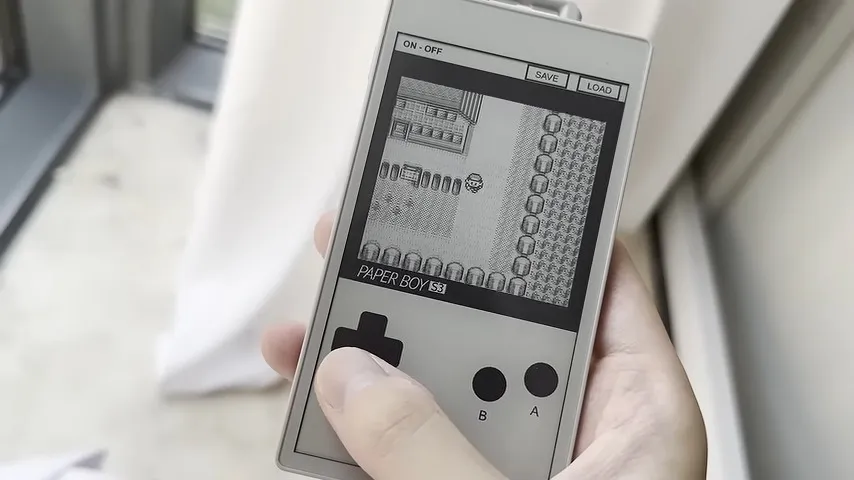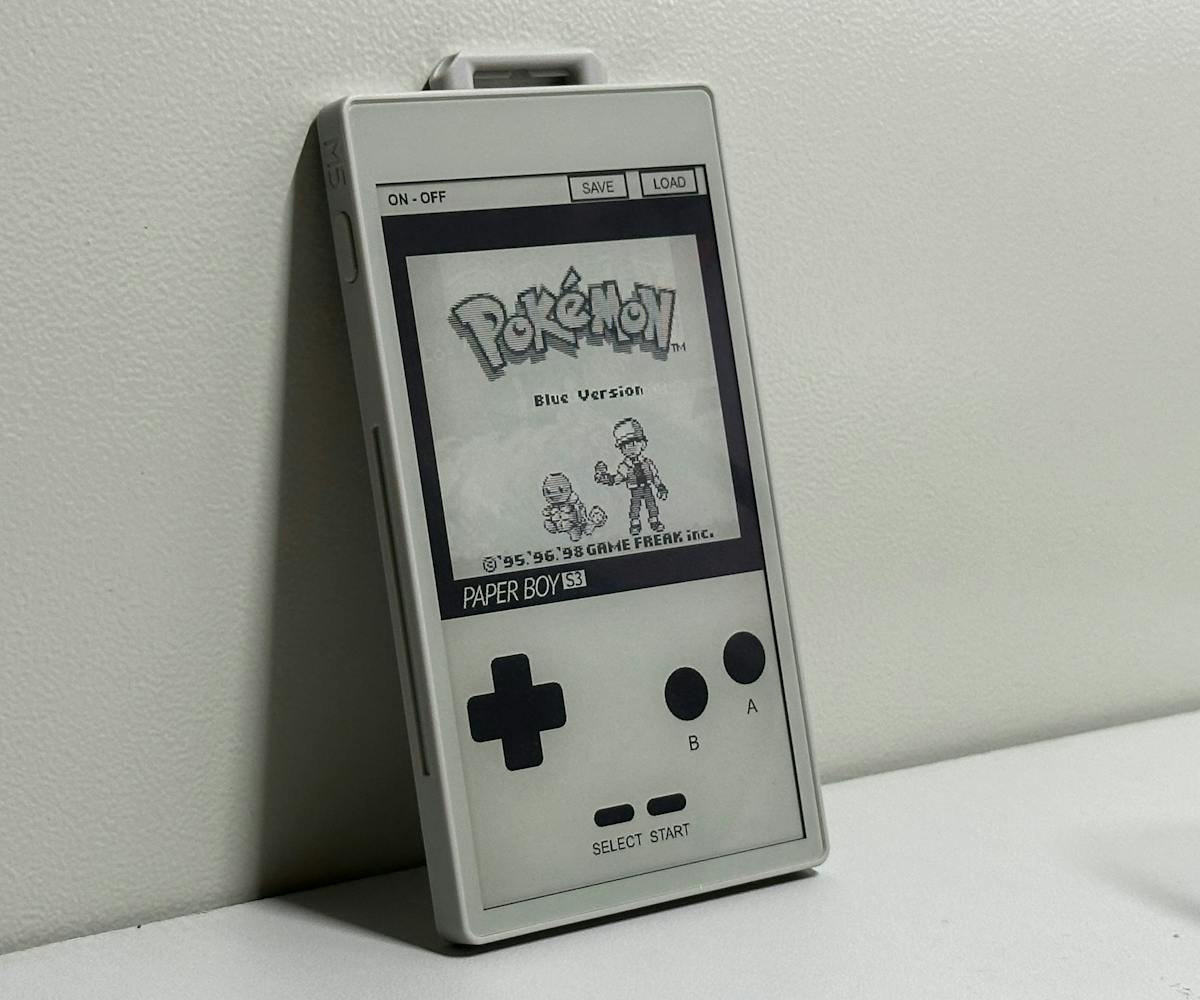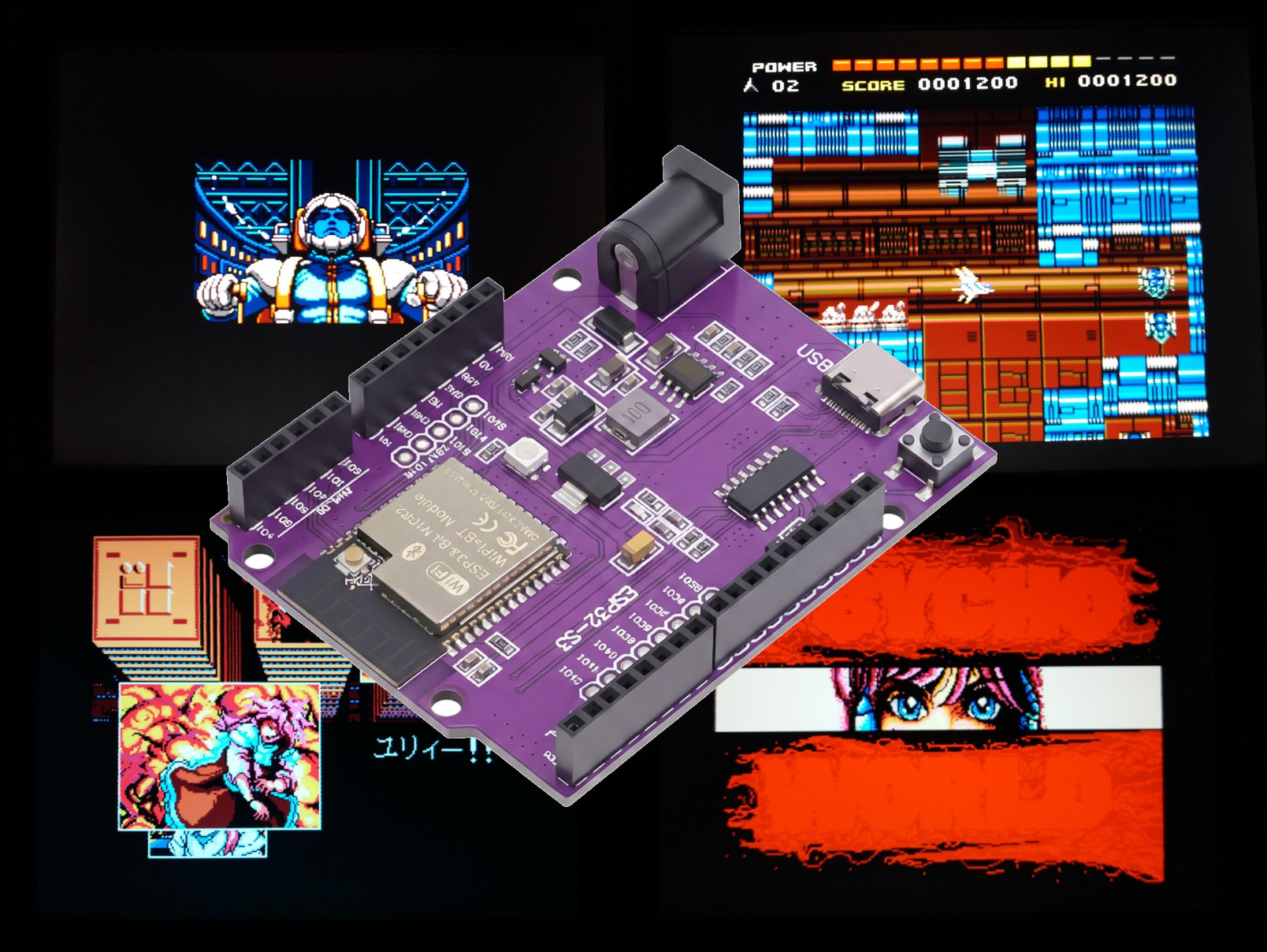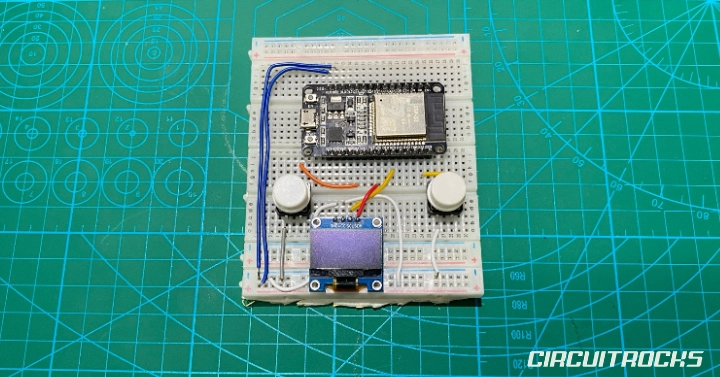
Want to turn a small ESP32 board into a mini arcade game you can actually play? This ESP32 OLED Mini Shooter Game uses a 128x64 OLED display and two push buttons to create a simple shooter experience. The player moves left and right, bullets fire upward, and enemies fall from the top of the screen. It is a small project, but it already feels like a real handheld game once the display starts updating.
This build is a great next step after basic OLED and button tutorials. Instead of only printing text or drawing one shape, the code manages several moving objects at the same time. It tracks the player, bullets, enemies, collisions, and game-over state.
The screen is divided into a simple grid. The 128x64 OLED becomes a 16x8 playfield, where each tile is 8x8 pixels. This makes object movement easier to understand because the player, enemies, and bullets move by grid position instead of raw pixel math.
Why build it?
This project teaches interactive programming on real hardware. The ESP32 reads button input, updates game objects, checks collisions, and draws the next frame on the OLED. That is much more active than a normal sensor display project.