READ MORE: Why are cases of breast cancer rising? Experts reveal likely causeSee more Daily Mail on Google - save us as a Preferred SourceBy ZOE HARDY, HEALTH REPORTER Published: 09:55 BST, 26 June 2026 | Updated: 10:06 BST, 26 June 2026
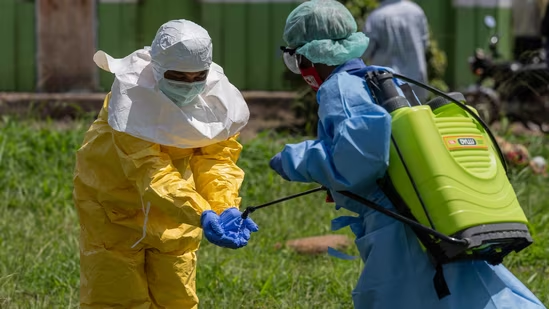
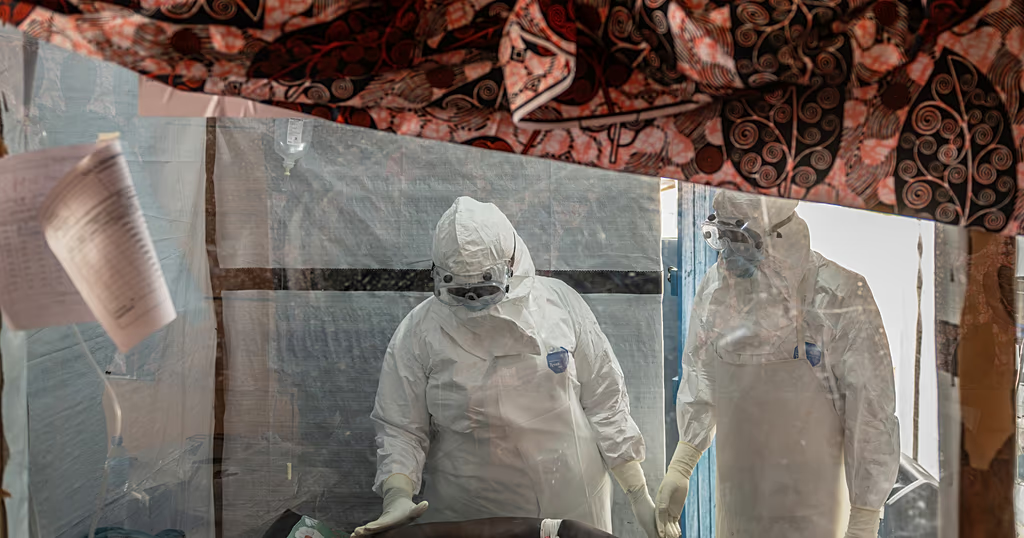
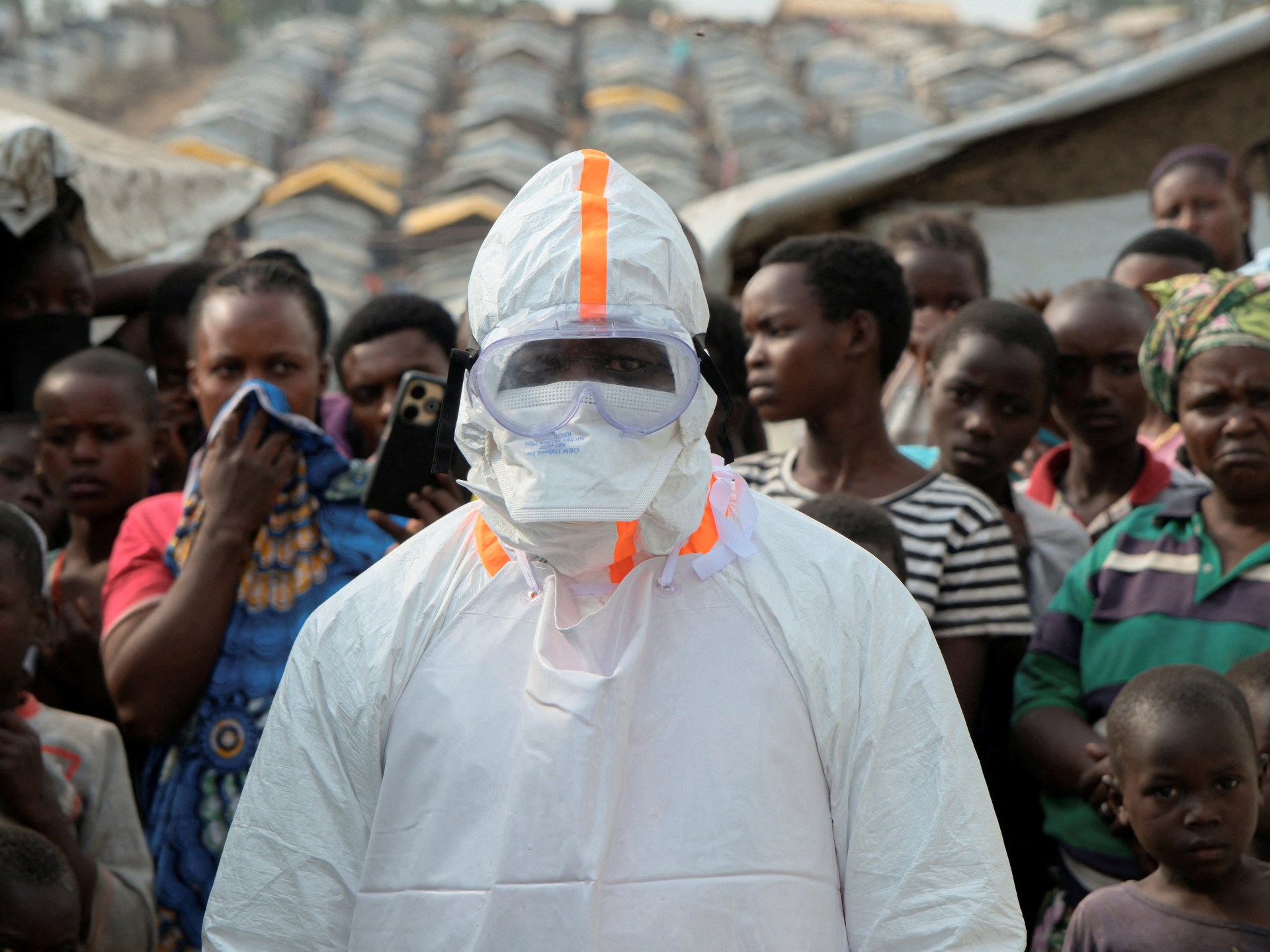
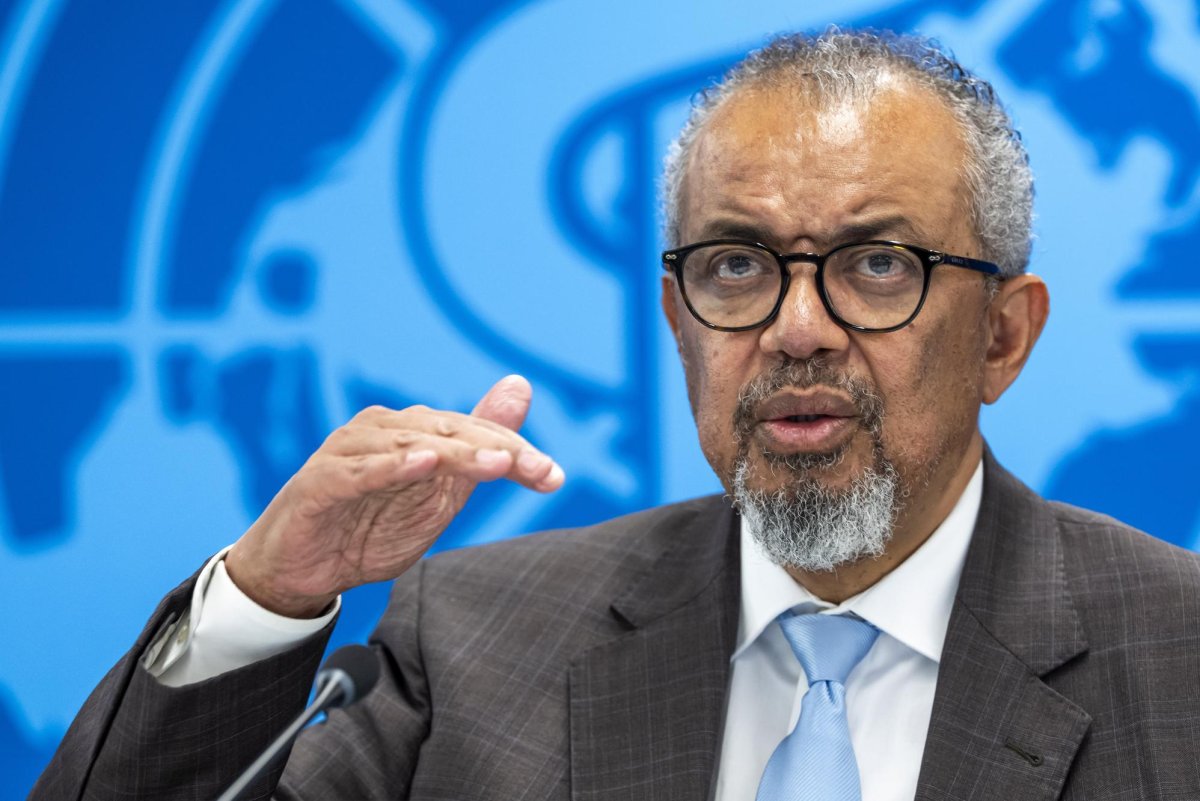
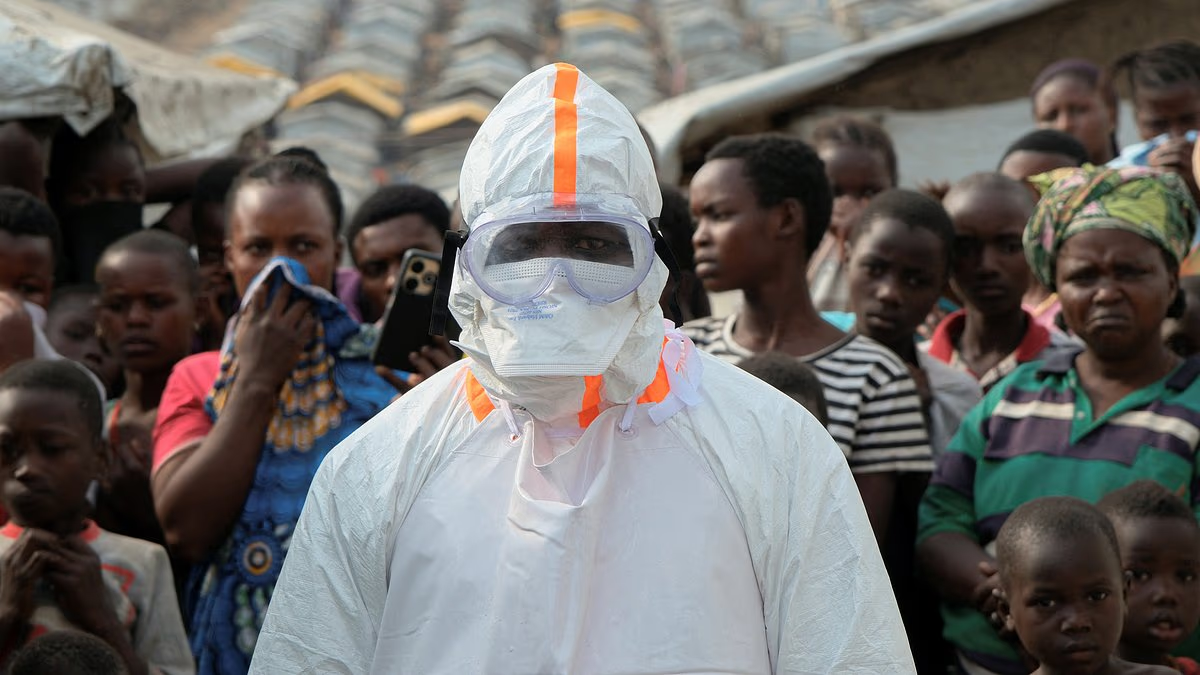
The man identified as France's first confirmed Ebola case fell ill mid-flight, despite boarding the plane without symptoms, sparking fresh concerns about cross-border transmission. On Wednesday, local officials confirmed the case in a humanitarian doctor who boarded a commercial flight from Kinshasa, the capital of the Democratic Republic of Congo. The unnamed patient was transferred to a specialist facility and is in a stable condition, the ministry confirmed in a statement. In response, the DRC - the epicenter of the current outbreak - has imposed a 21-day quarantine for anyone who has visited Ebola-affected areas before they can travel abroad. The new restrictions will see anyone identified as a contact of a confirmed or suspected Ebola case undergo 21 days of active health monitoring from their last exposure. During this three-week period, all travel is prohibited unless authorised by health authorities under extenuating circumstances. The same rules apply to healthcare workers, laboratory staff and Ebola response teams returning from affected areas. While officials maintain that the risk to the general European public is low, all outbound passengers are now required to complete a health declaration form issued by border control. A health worker in personal protective equipment (PPE) stands near displaced people in Bunia, eastern Democratic Republic of Congo, June 18, 2026Airlines will also be expected to verify the forms as an additional layer of protection. The outbreak, driven by the rare Bundibugyo strain, has already infected 1,118 people and claimed the lives of 291, according to official figures released on 24 June. Authorities are now working to contact the patient's contacts, who will also have to isolate at home for 21 days. This is the first case to have been confirmed in Europe after an American doctor who tested positive in DRC last month was treated at a German hospital. The World Health Organisation (WHO) declared the outbreak on 15 May following a string of cases that had gone undetected for weeks. Two days later, it declared a public health emergency of international concern. In previous Ebola outbreaks, the virus killed more than half of those infected - many of whom died due to internal bleeding and organ failure.The current outbreak has seen the largest number of confirmed cases within the first month of any outbreak the WHO reports - with local resistance waning without a vaccine.