See more Daily Mail on Google - save us as a Preferred SourceBy CIARAN FOREMAN, HEALTH REPORTER Published: 10:50 BST, 24 June 2026 | Updated: 11:04 BST, 24 June 2026
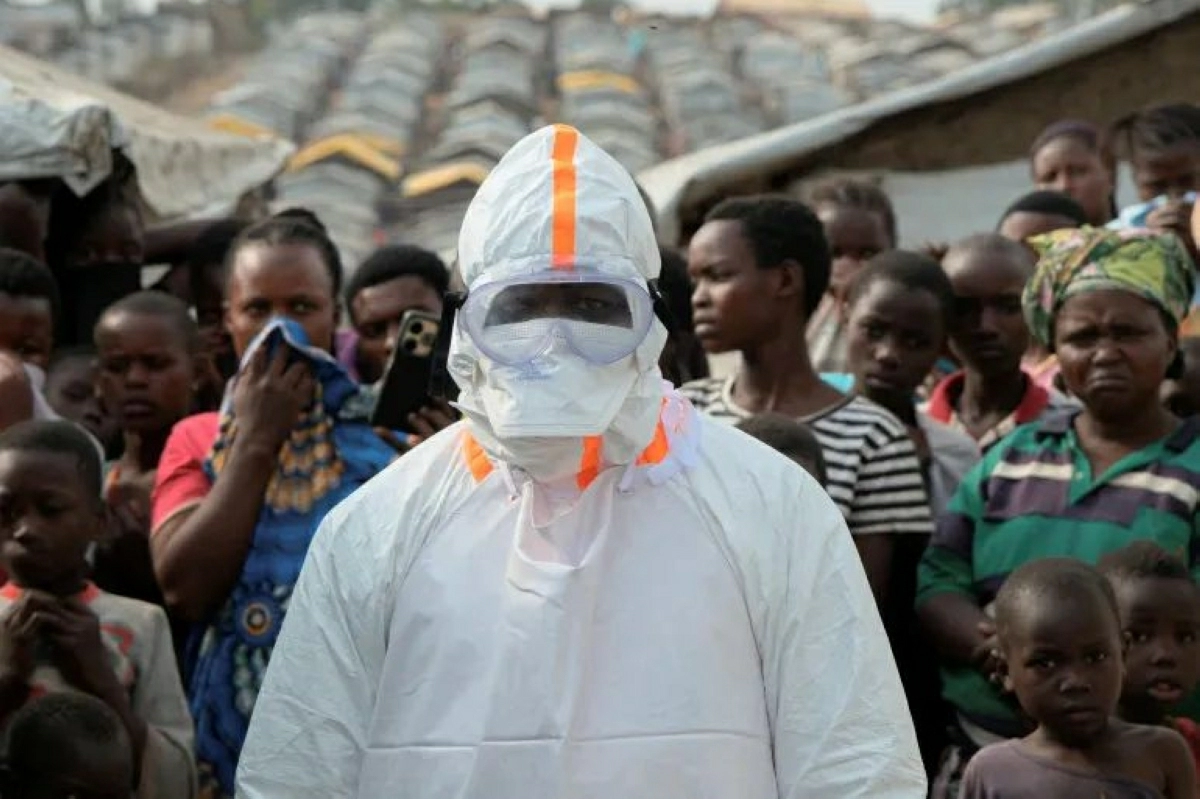
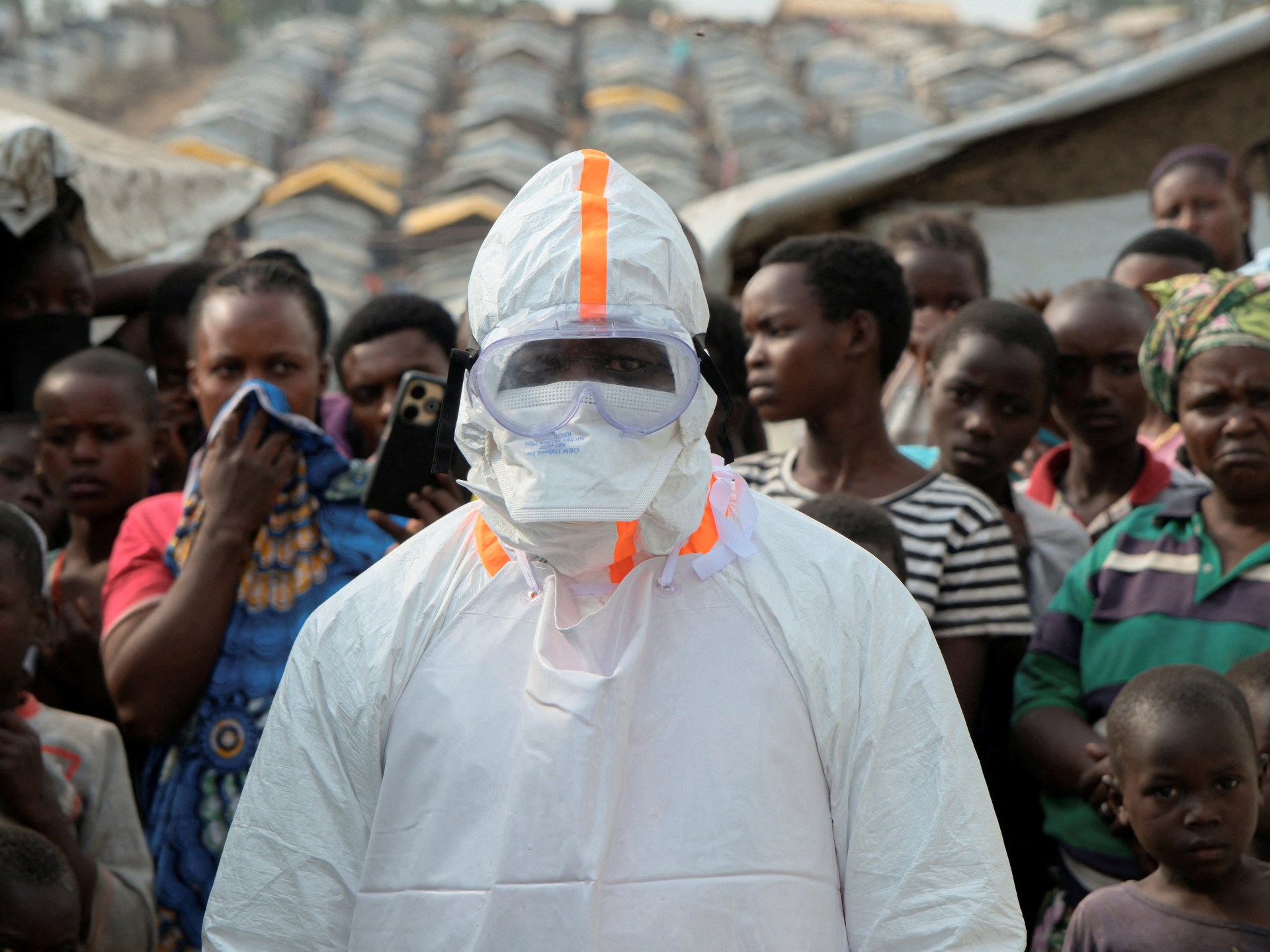
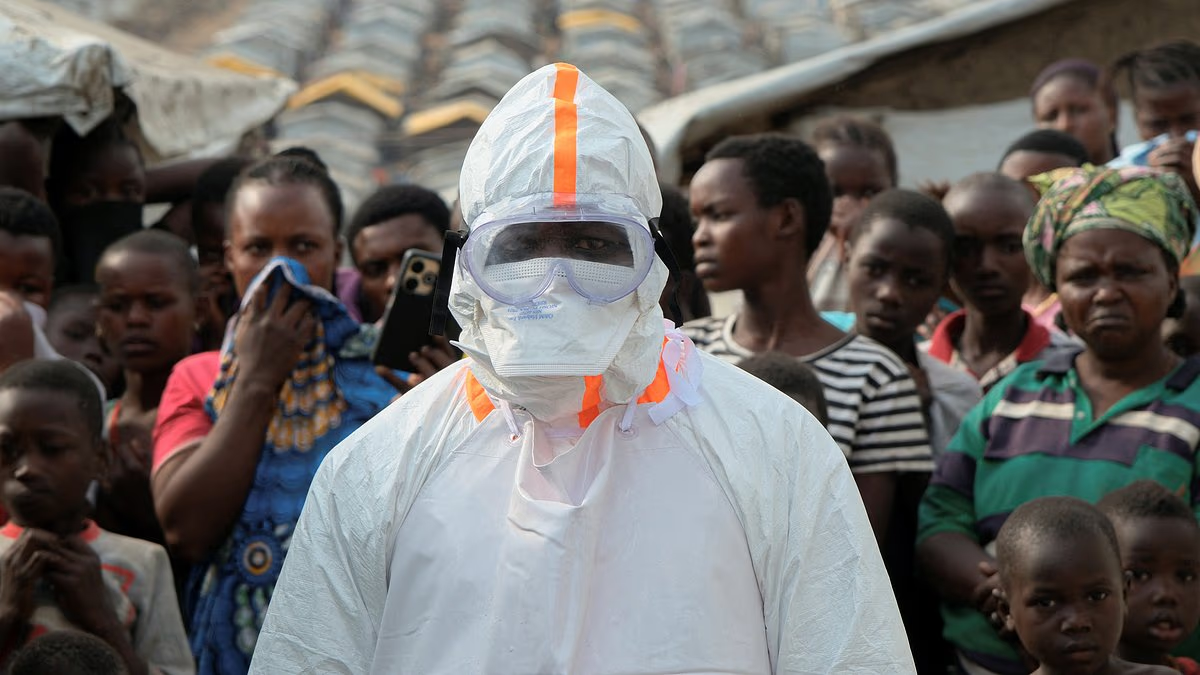
France has confirmed its first Ebola case linked to the current outbreak after a doctor tested positive for the deadly virus.Health officials said the medic had returned from a humanitarian mission in the Democratic Republic of Congo (DRC) - which has been the epicentre of the current outbreak - before the positive test.The patient, who is in mainland France, is said to be in a stable condition but has been isolated to prevent a spread of the virus that has killed close to 300 people since May.Officials maintain that the risk to the general European population is low, however, contract tracing efforts are underway - with officials scrambling to identify anyone who may have been exposed to the virus from being in contact with the doctor.The outbreak in the DRC was been declared an international health emergency by the World Health Organisation on May 17 but this marks the first recorded case in Europe.Until now, the spread had been restricted to the DRC and neighbouring Uganda, with official figures showing there has been more than 1,000 cases and almost 300 deaths recorded.However, Oxfam warned last week that the true scale of the outbreak could be far greater than these numbers suggest, amid fears the virus is spreading 'undetected'. While the exact numbers remain disputed, the charity said that a lack of resource in Ituri - the region with the most cases in the outbreak - may be allowing the virus to spread without detection. A health worker in personal protective equipment (PPE) stands near displaced people in Bunia, eastern Democratic Republic of Congo, June 18, 2026They warned that just one in five health facilities in the region has access to the requisite amount of clean water, which is 'the first line of defence against transmission' of the virus.This, the charity said, raises 'fears that the true scale of the outbreak is underestimated'.On top of this, Oxfam claimed frontline health workers in the region also cannot access 'basic protective equipment' - adding that these 'conditions are hampering efforts to contain the spread of the virus'.Manel Rebordosa, a field response coordinator for Oxfam in Ituri, said: 'Water - the absolute first line of defense in any public health emergency - is simply not available.'Miners working in the surrounding areas have no toilets and handwashing stations, then they return home to communities already battling the virus. 'Clean water costs two dollars for 20 litres. For most families here, that is far beyond what they can afford.'Oxfam's concerns also stretched to the lack of contact tracing in the region. In the current outbreak, contact tracing is reaching just 43 per cent of known contacts, almost half the rate of the 2018 to 2020 Ebola outbreak in the same region. Rebordosa said: 'One month into the 2018 outbreak, health care workers achieved contact tracing rates where nearly eight in ten known contacts were successfully monitored.'Today, following the withdrawal of US funding for disease surveillance and severe funding shortfalls, contact tracing is reaching fewer than half of the contacts. 'That gap is not just a statistic, it is a painful reality that allows the virus to spread undetected through communities.'There are also troubling statistics surrounding access to healthcare in eastern DRC, where conflict has raged since March 2022. Oxfam claim that more than 70 healthcare facilities have been destroyed, leaving just 0.2 doctors for every 1,000 people. This is a breaking news story. More to follow.