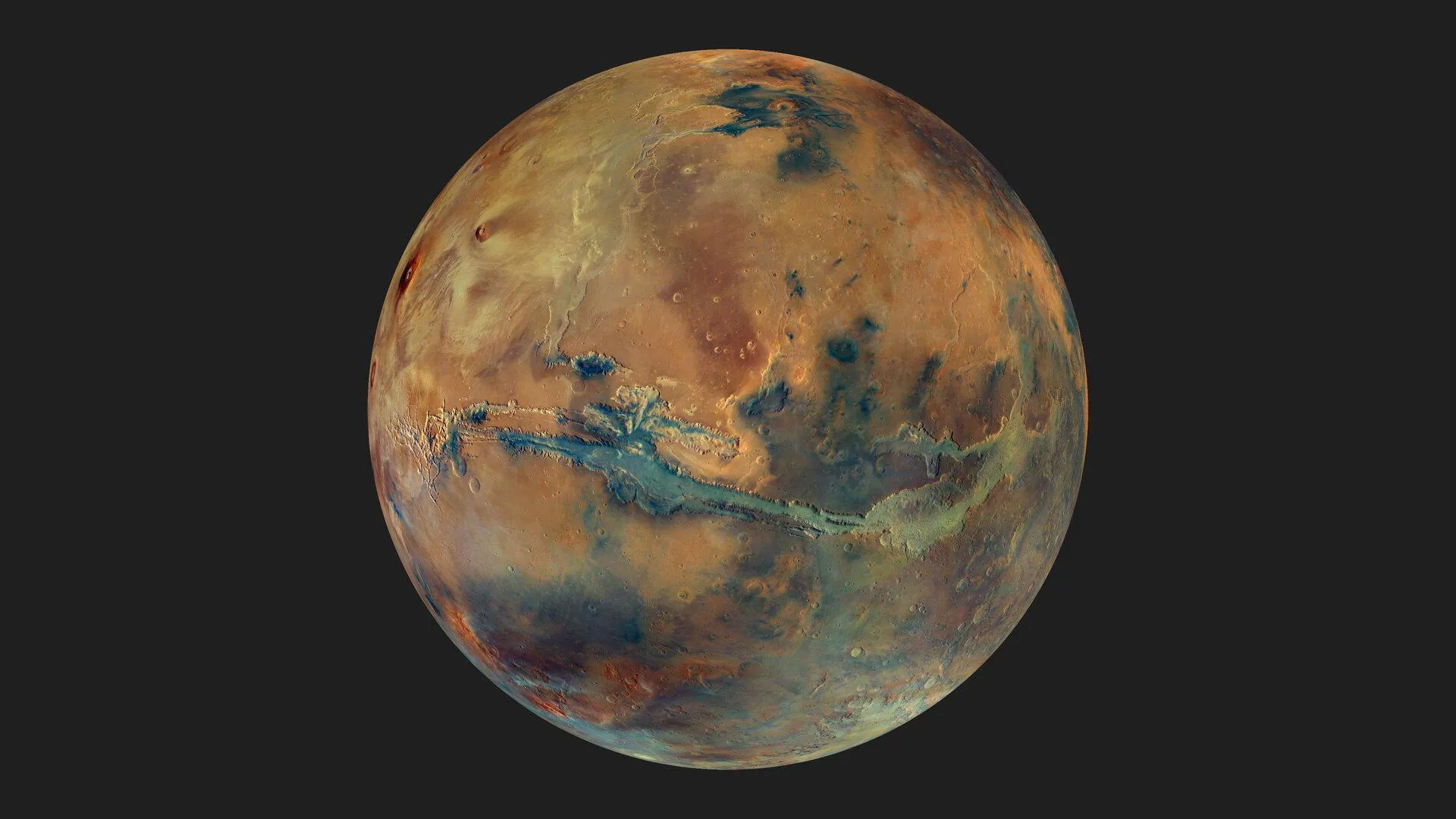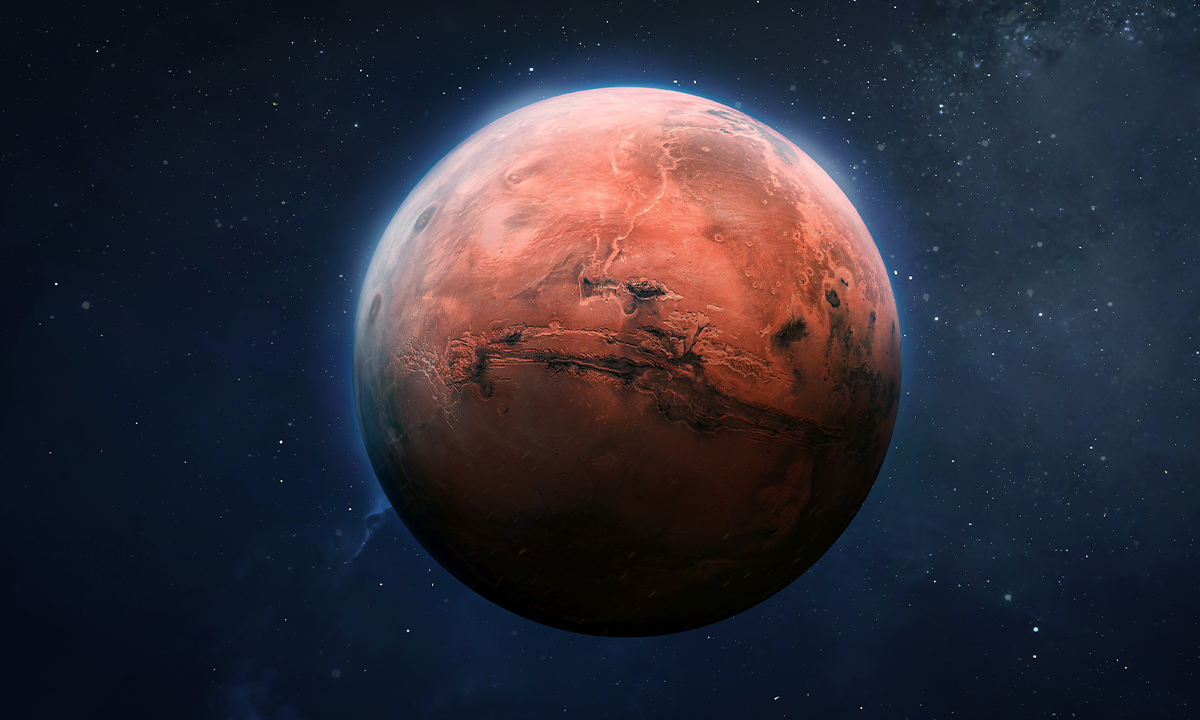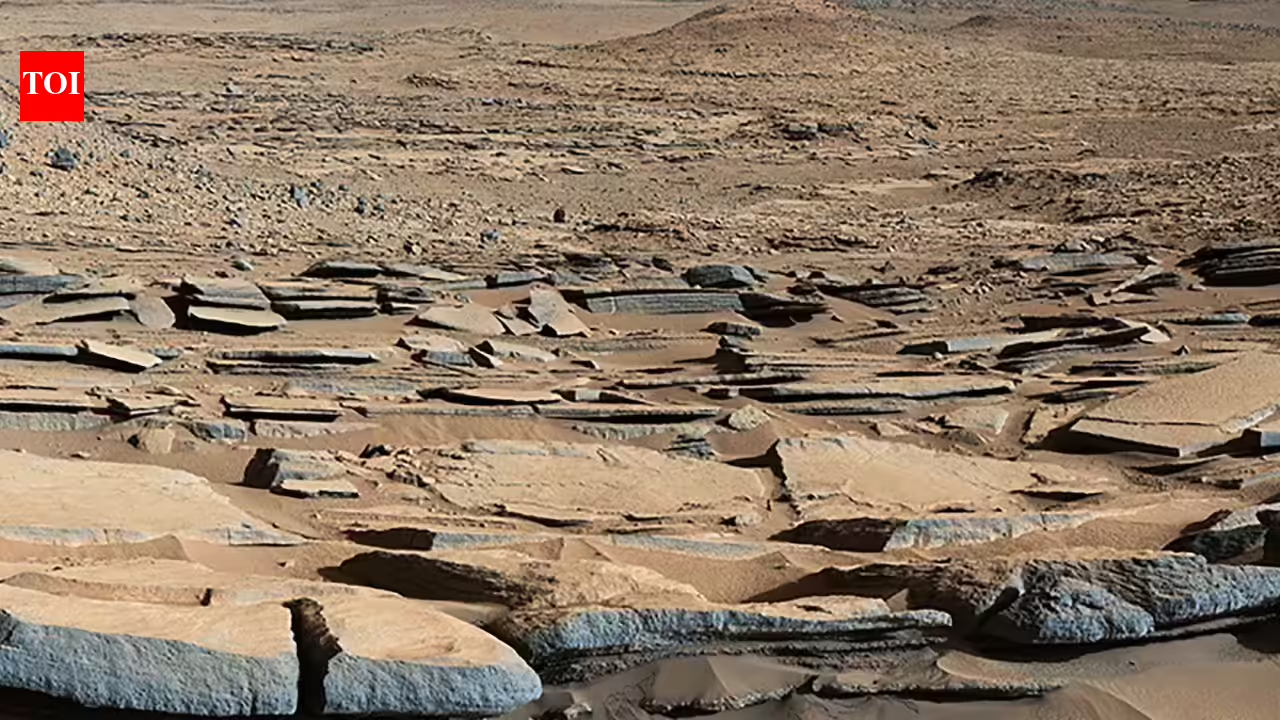
For decades, our picture of Mars was of a dead desert world.Its magnetic field exists only in sparse patches. Its lakes and rivers have long dried up. Surface volcanic activity sputtered to a halt long ago. And its crust is just one whole unbroken shell – unlike Earth's system of shifting tectonic plates.Scientists have interpreted this shell as a "stagnant lid," believing any deep magmatic activity would have been relatively simple and localized – very different from Earth's vast, long-lived network of molten-rock plumbing.Now, however, seismic rumbles recorded deep in the belly of Mars suggest otherwise."Traditionally, complex silica-rich crust was thought to require plate tectonics and subduction-driven magmatic differentiation," University of Bristol seismologist Tobermory Mackay-Champion, who was at the University of Oxford during the study, told ScienceAlert."Our study suggests instead that Mars can build complex crust through long-lived transcrustal magmatic systems, where mantle-derived magma is stored, differentiated, mixed, and assimilated within the crust."That means plate recycling is not the only route to making evolved crust on hot rocky planets."
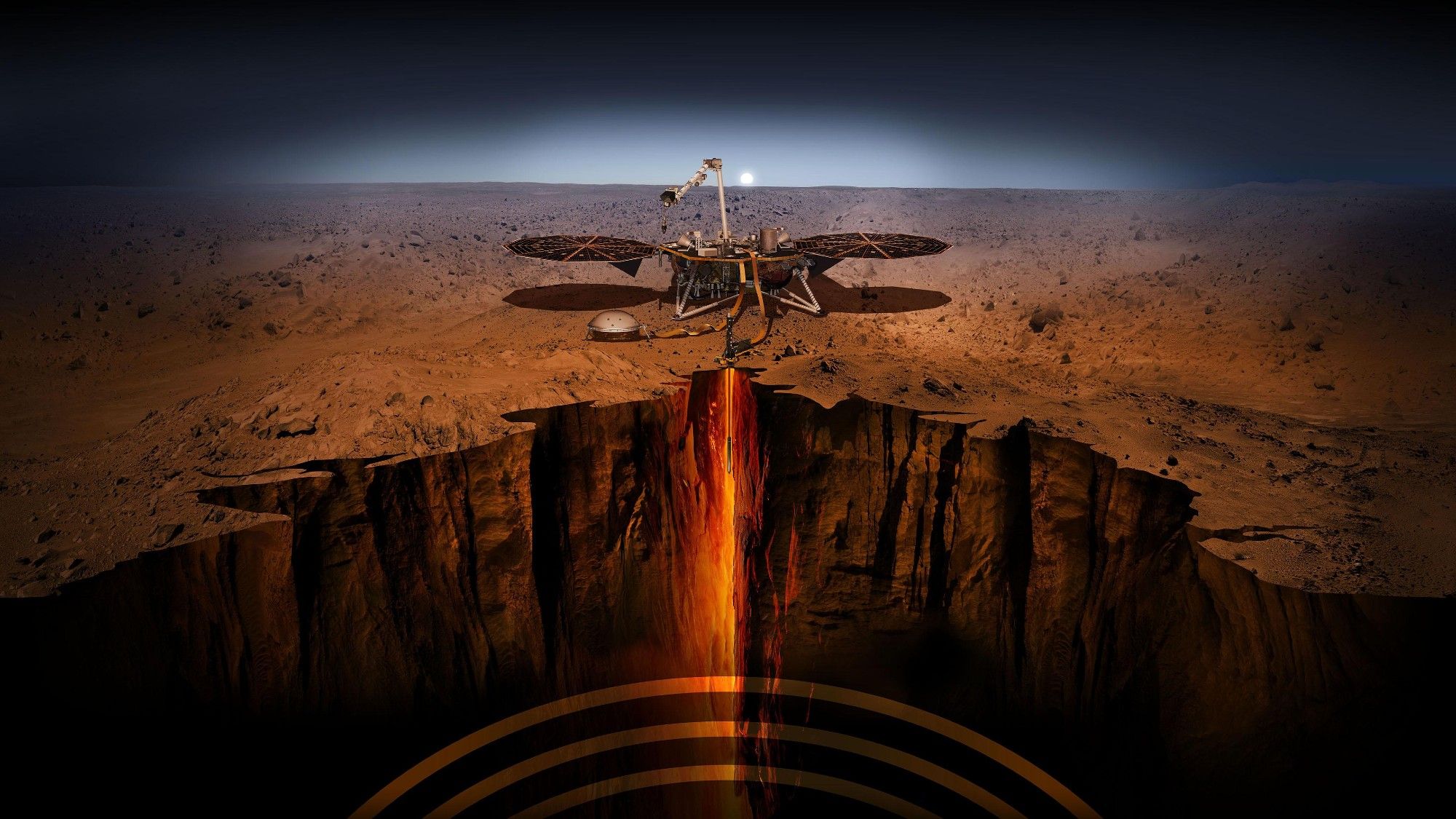
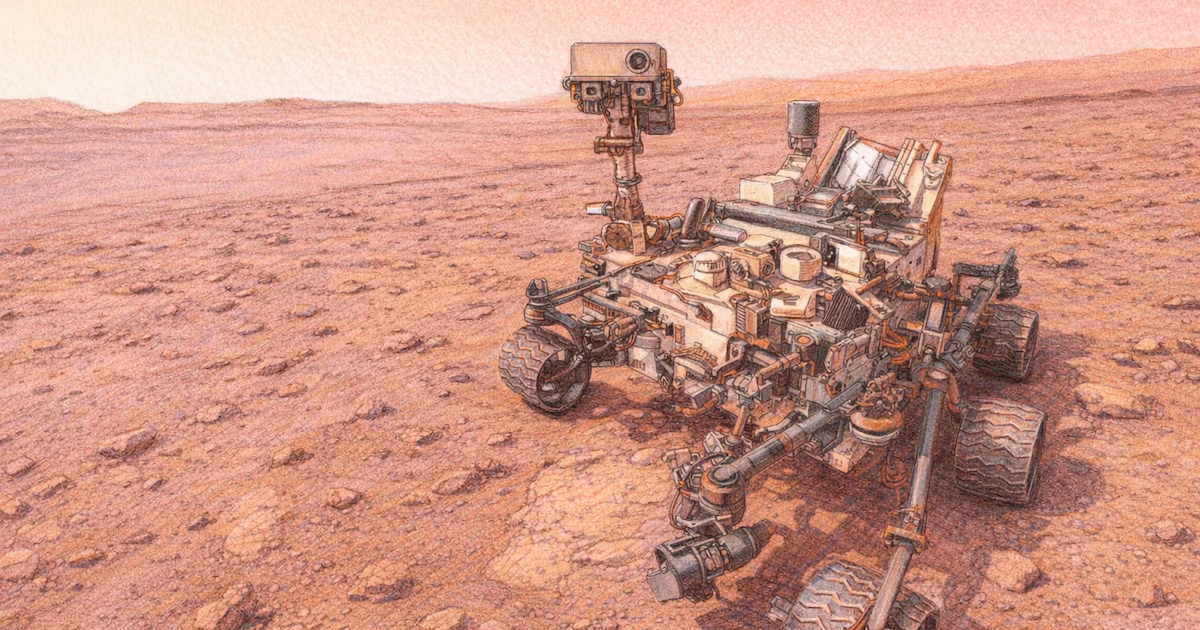
The differences between Earth and Mars have long been used to interrogate the distinction between a world that is habitable and one that isn't.The planetary crusts of each world have played quite a large role in those analyses.Earth has mobile tectonic plates, which in turn generate complex volcanism and continents. Mars doesn't have tectonic plates; its volcanism should, therefore, be relatively simple.But then NASA's InSight lander was sent to Mars to sit on the surface and monitor the interior for signs of activity. Scientists were not sure what level of activity it might record, but the seismic monitoring station revealed a planet surprisingly alive.In just over four years, it recorded 1,319 quakes.