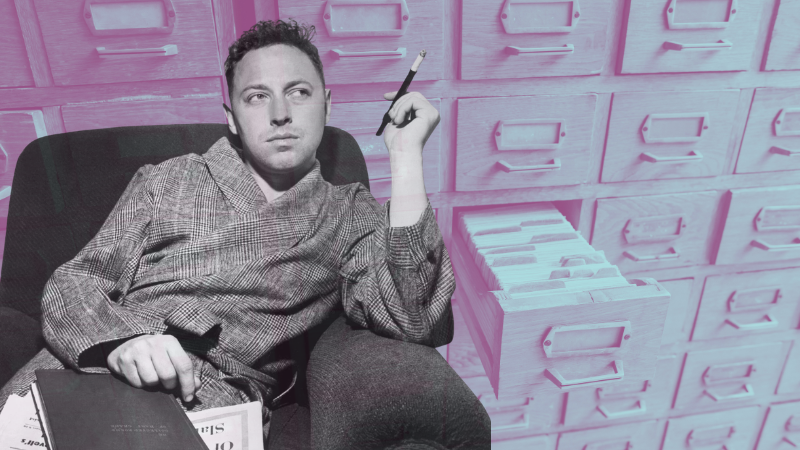
The first mistake is to imagine the archive as a courtroom.
A courtroom wants evidence neatly clipped, sworn in, labeled, dated, signed, and standing upright. It prefers testimony to atmosphere, confession to pressure, the institutionally confident record to the kept scrap someone could not bear to throw away. It likes declarations. It likes paperwork. It likes the clean drama of proof.
Queer history was rarely allowed to keep paperwork clean enough for court.
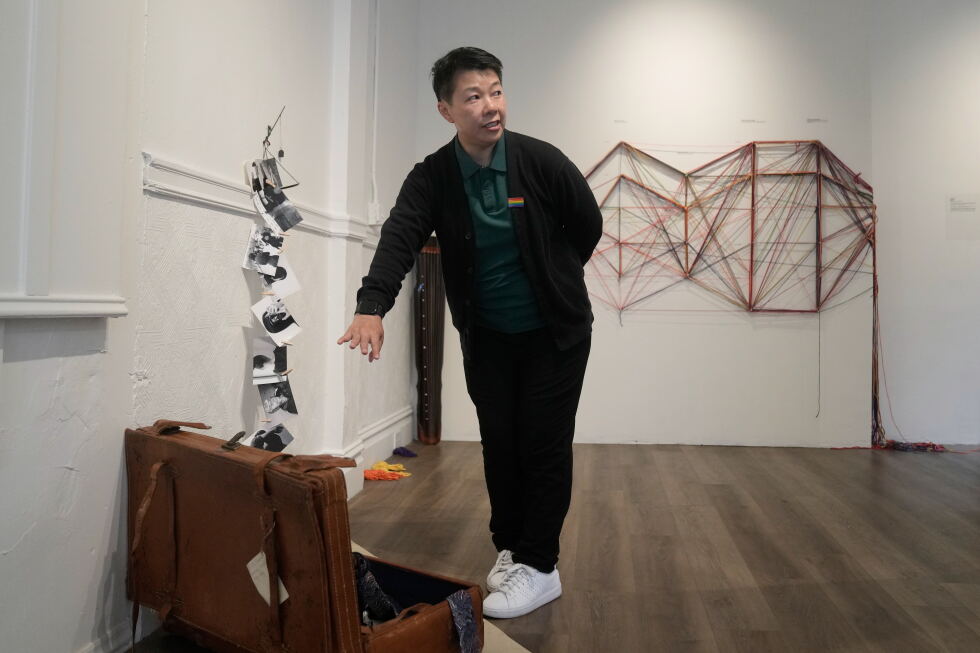
It is carried forward, when it is carried forward, in less admissible forms: fan letters, jokes, marginalia, prompt books, rumors, inscriptions, preserved objects, theatrical habits, social proximity. Names crossed out. Anecdotes softened for public use. Silences that begin to look less like absence than management. Sometimes it persists as a phrase repeated backstage. Sometimes as a collector’s fixation. Sometimes as the wrong person’s devotion to the right piece of paper.
The archive does not always say: here is the truth. Sometimes it says: look again at what scholarly manners taught you to dismiss.