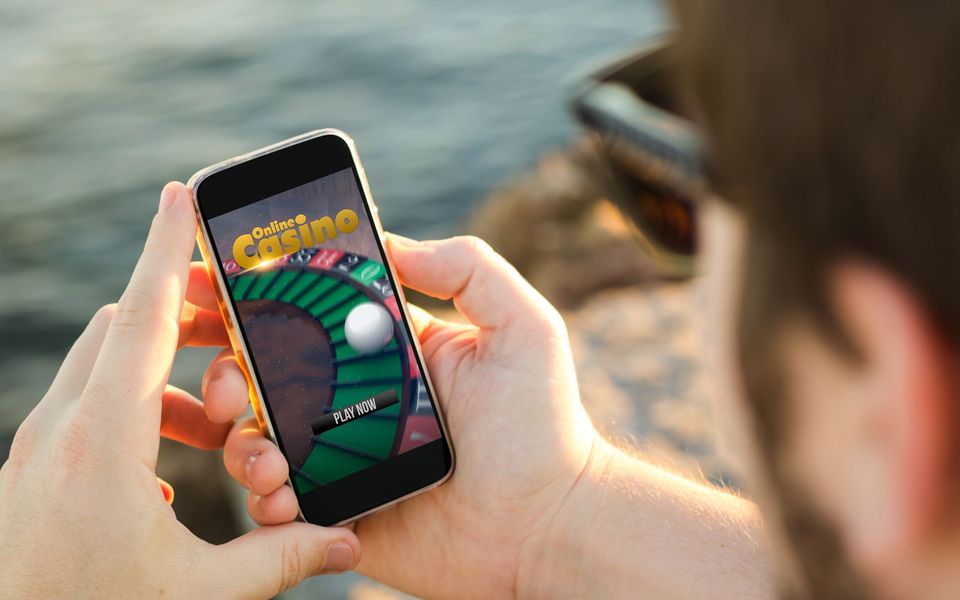
There are dozens of well-known Greek influencers who, between product ads and snapshots of their personal lives on Instagram and other platforms, integrate references to unlicensed gaming websites in a particularly skillful way. Yet now they find themselves in legal trouble.
Their practice usually follows a certain pattern. In a seemingly unrelated short video, the influencer tells a personal story, claiming that he earned several thousand euros in one day, money that he claims helped him pay off debts or financially support a family member. He then refers followers to specific websites, which operate outside the legal and licensed framework.
To attract the public’s attention, influencers use expressions such as “won,” “winnings” or “sure money,” terms that are prohibited in the advertisements of legal gambling operators. The aim is to create the impression of easy and immediate enrichment, to an audience that includes many underage users. According to market information, fees for such posts usually range from €3,000 to €5,000 per publication, sums that explain why the phenomenon continues to appear despite the risks and prohibitions that accompany it.
To date, most of these influencers have remained virtually immune, continuing to promote illegal gaming providers without any real consequences. They even followed the practice of “uploading, downloading and reuploading,” temporarily withdrawing videos when they thought they were at risk of being noticed by the authorities.