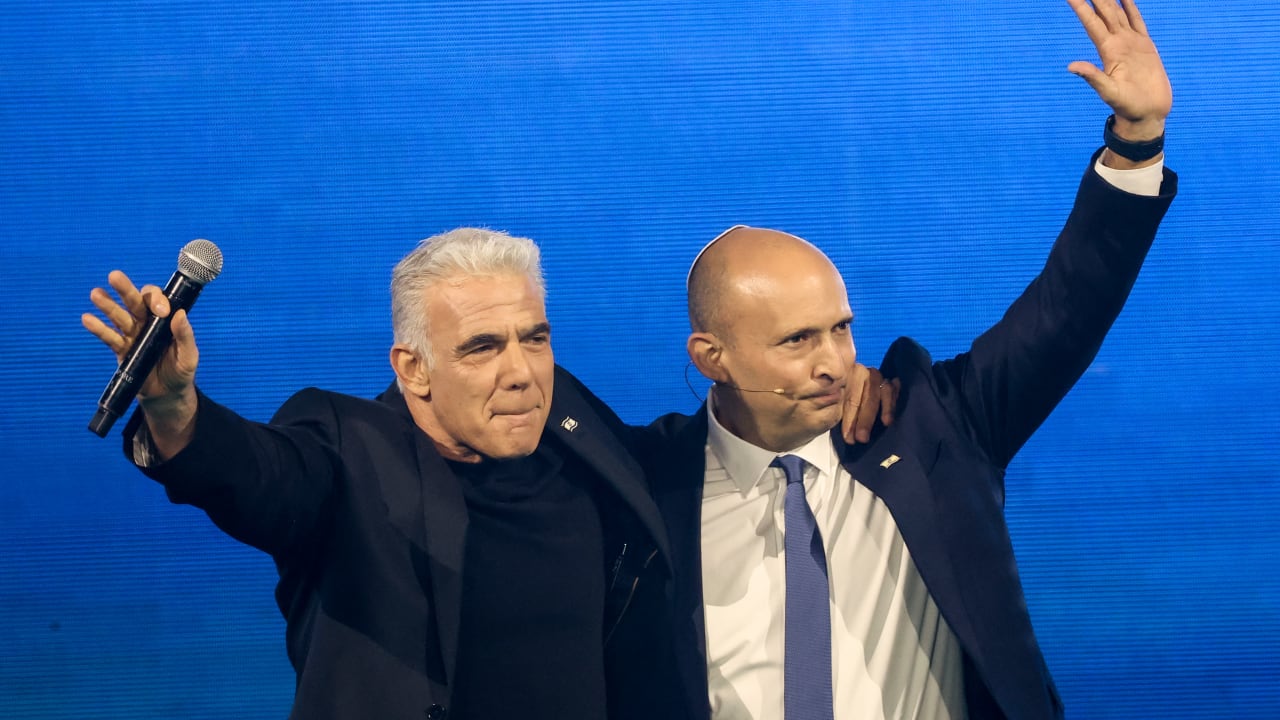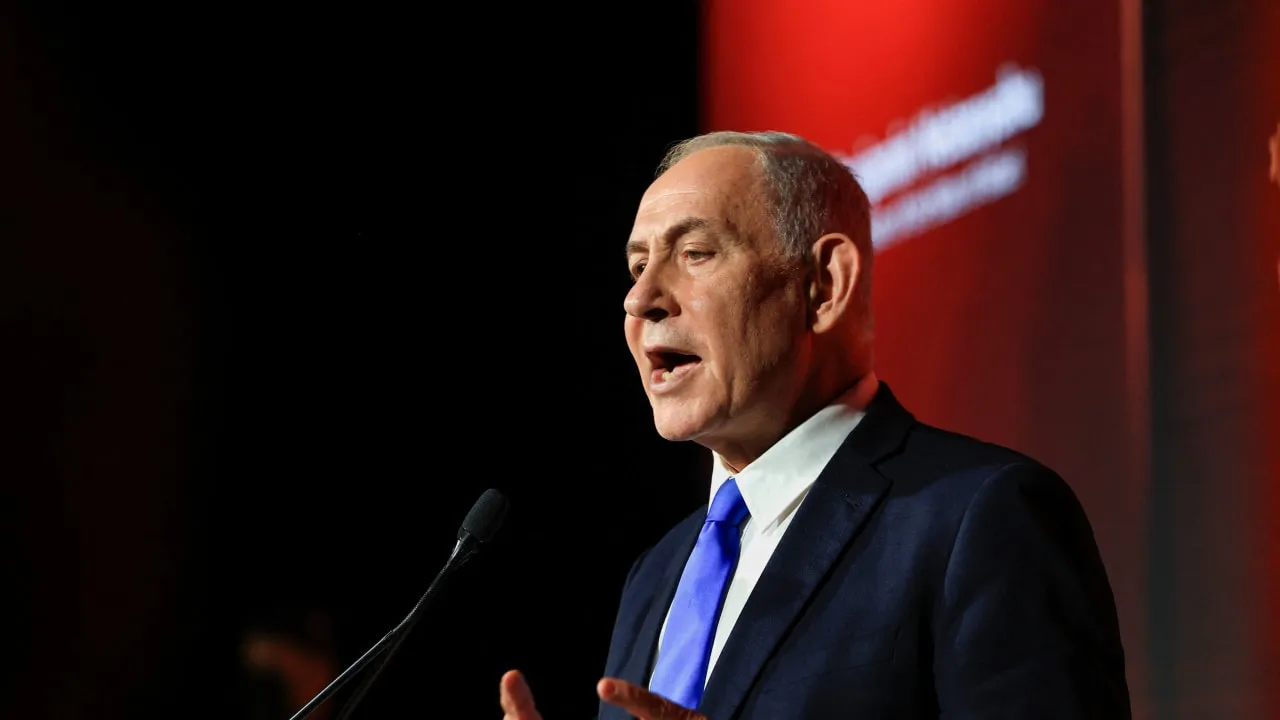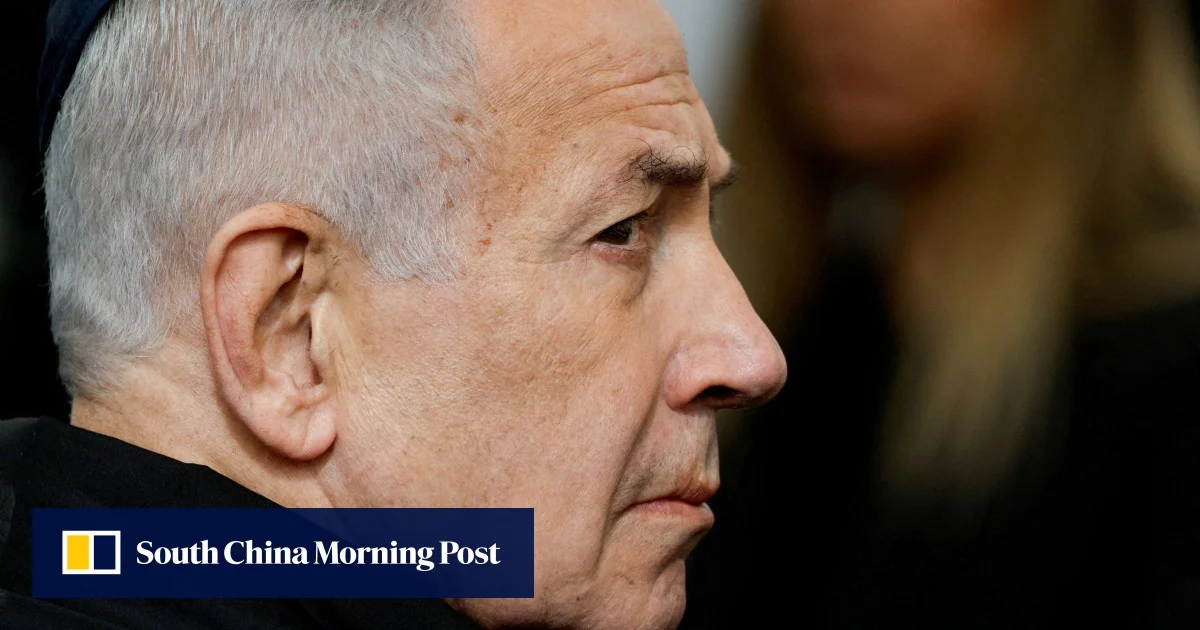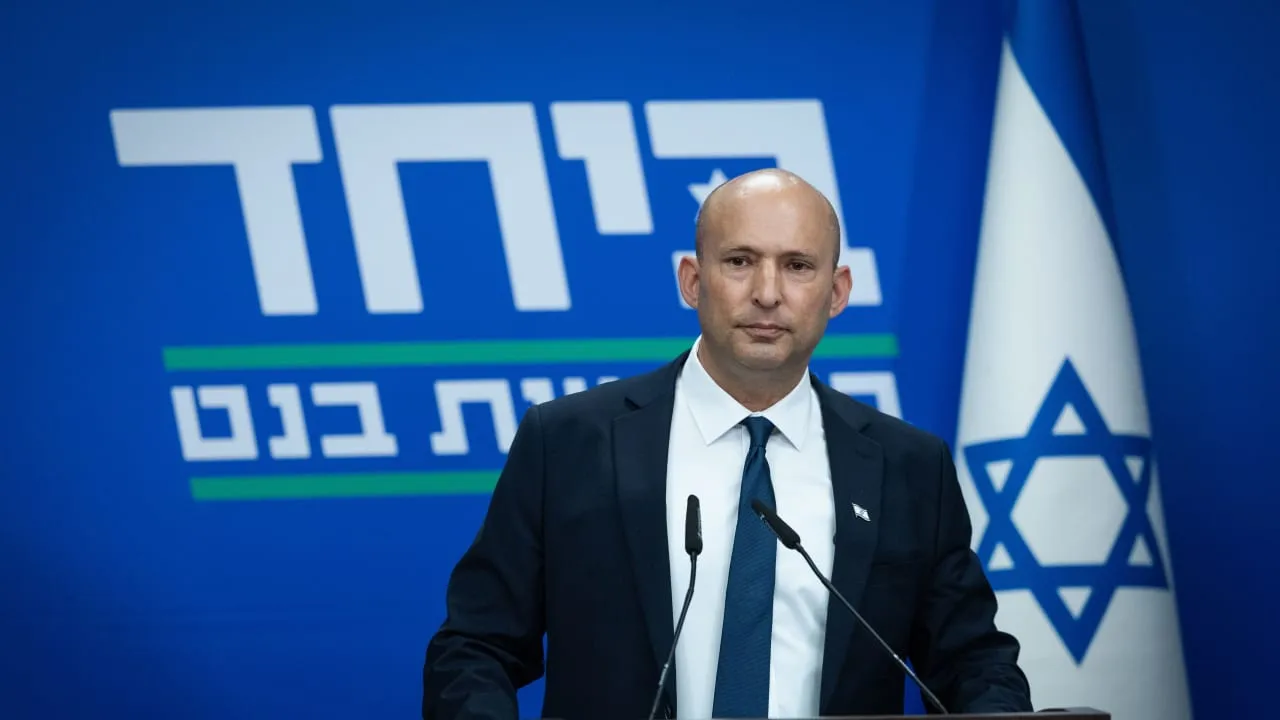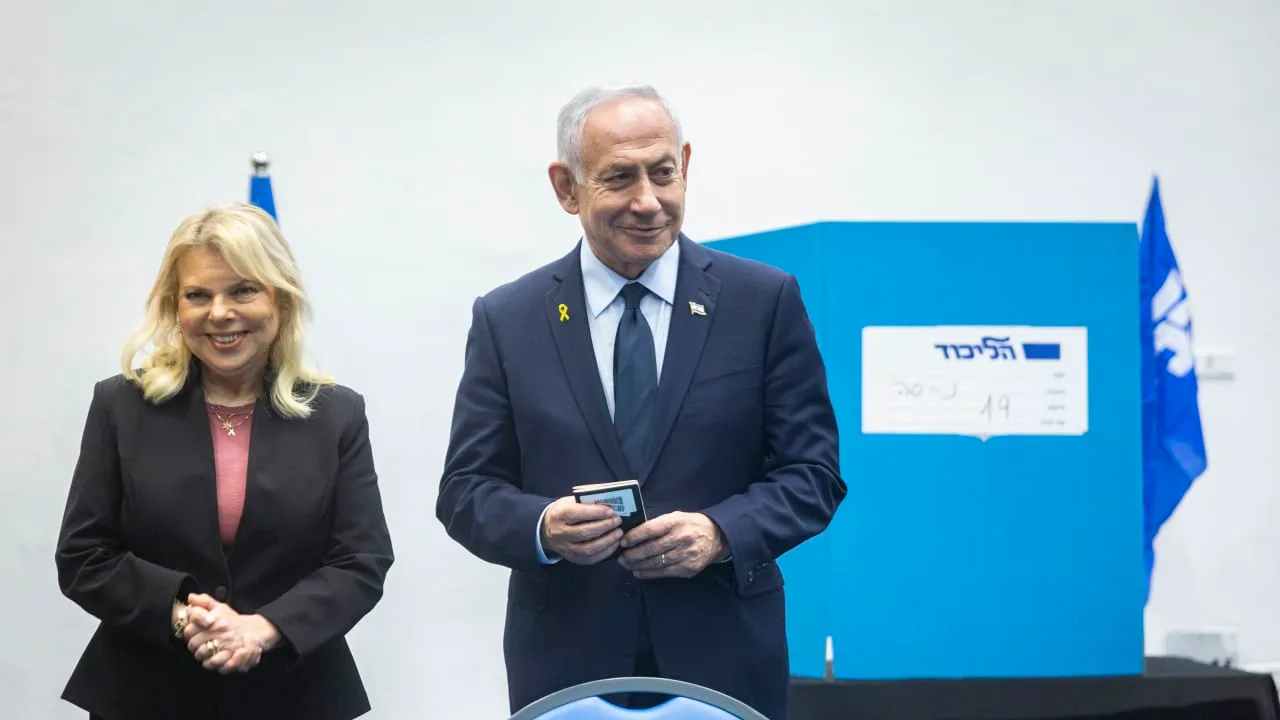
Jerusalem Post/Israel News/Israel PoliticsSince the merger between Naftali Bennett and Yair Lapid, the joint party has lost 10 seats in about two months and has declined this week to just 18 seats.Follow us on GoogleIsraeli Prime Minister Benjamin Netanyahu and his wife Sara cast their vote during the elections for the Likud Central Committee, at the International Convention Center in Jerusalem, November 25, 2025.(photo credit: CHAIM GOLDBERG/FLASH90)ByMOSHE COHENJUNE 26, 2026 08:40Against the backdrop of Prime Minister Benjamin Netanyahu’s declaration that Israel will not withdraw from the security buffer zone in southern Lebanon and the conclusion of his testimony in his trial, Likud, and consequently the coalition, gained one mandate, as the consistent downward trend of the Together party continued, a Maariv poll showed.Since the merger between Naftali Bennett and Yair Lapid, the joint party has lost 10 seats in about two months and has declined this week to just 18 seats.“Yashar!” led by Gadi Eisenkot remained stable this week. However, since the Bennett-Lapid merger, it has surged by 9 seats, reaching 21.During Operation Roaring Lion, Likud stood at 28 seats. Since then it has gradually declined to 21 seats. This week, the trend was halted and it gained one seat, reaching 22.Overall, the opposition bloc of Zionist parties receives 60 seats this week, a decline of one seat compared to the previous poll, while the coalition strengthens by one seat to 50. Arab parties remain stable with 10 seats. Blue and White (1.7 percent), Balad (1.6 percent), and the Reservists party (1.2 percent) do not pass the electoral threshold.Former Prime Minister Naftali Bennett speaks during an election event for the joint list Together ahead of the upcoming elections, in Haifa, June 2, 2026. (credit: Sharon Leibel/Flash90)Together-Yashar! merger weakens opposition blocThe Maariv poll also shows that a merger between Together and Yashar!, led by Bennett, receives 33 seats, one fewer than the previous poll and 8 fewer than when running separately. Such a merger weakens the opposition bloc, which drops to 58 seats compared to 52 for Netanyahu’s coalition. A breakdown of voter movement shows that of Together’s 18 seats, 16 remain with the merged list, while two shift, one to the coalition bloc and one to the undecided camp.Among Yashar! voters, the picture is different. Of the 21 seats held by Yashar! with Eisenkot, only 13 remain with Bennett. The other eight are split as follows: four move to other opposition parties, one to the Reservists party, and three to the undecided camp. Placing Eisenkot at the head of the joint list results in 37 seats, unchanged from the previous poll. In the overall bloc breakdown, the situation remains the same as before the merger, 60 for the Zionist opposition, 50 for the coalition, and 10 for Arab parties.The poll also found that 34% of Israelis believe that in a choice between Eisenkot and Bennett, Eisenkot is more suited to serve as prime minister. Twenty six percent prefer Bennett, while 40% have no preference.Netanyahu should stand for Israeli interests, not Trump'sSixty three percent of Israelis believe Netanyahu should always act according to Israel’s interests, even if this conflicts with requests from US President Donald Trump. Eighteen percent say he should comply with the US president’s requests because the alliance with the United States is more important, while 19% are undecided.In addition, nearly half of Israelis, 46%, say Netanyahu should continue his legal proceedings until a verdict is reached. Thirty six percent prefer a plea deal or pardon even at the cost of leaving politics, while 18% are undecided.The poll, conducted on June 24–25 by Lazar Research led by Dr. Menachem Lazar, in cooperation with Panel4ALL, included 500 respondents, representing a representative sample of Israel’s adult population aged 18 and over, Jews and Arabs. The maximum sampling error is 4.4 percent.Follow us on Google
Netanyahu's party gains one seat, Bennett-Lapid joint party faces decline | The Jerusalem Post
Since the merger between Naftali Bennett and Yair Lapid, the joint party has lost 10 seats in about two months and has declined this week to just 18 seats.
633 words~3 min read