Your error rate just spiked 12%. Three weeks of debugging, $40k in developer hours, and the coffee's cold. The terminal is still red. You've been burning through API credits calling a US-based LLM, and every query that touches proprietary code feels like handing your competitor a roadmap.
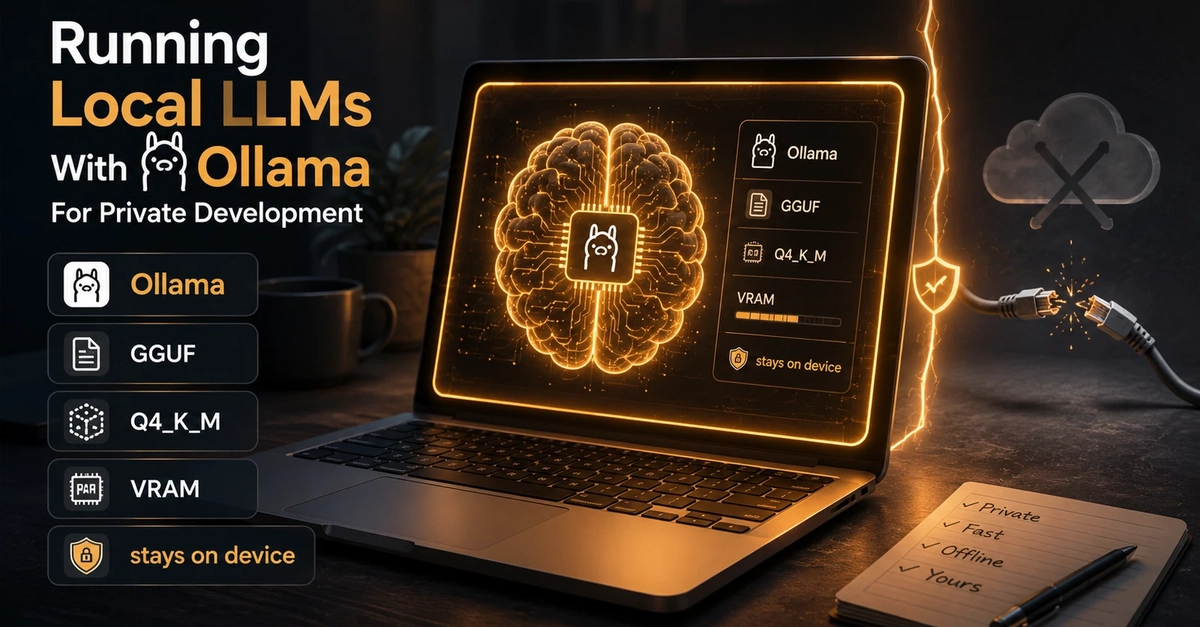
Now imagine you could run that same model locally. On your own GPU. Zero data leaving your infrastructure.
That's the promise behind Ollama's recent expansion to support Chinese AI models — Kimi-K2.5, GLM-5, MiniMax, and DeepSeek. And the V2EX discussion around this is revealing something the Western dev community hasn't fully grasped yet: these models aren't just cheaper alternatives. They're a different paradigm for AI infrastructure — one that comes with trade-offs nobody's talking about.
What V2EX Revealed That HN Missed
The V2EX thread isn't just celebrating model availability. It's a working group's honest assessment of what "local Chinese LLM" actually means in practice. Several patterns emerged from the discussion: