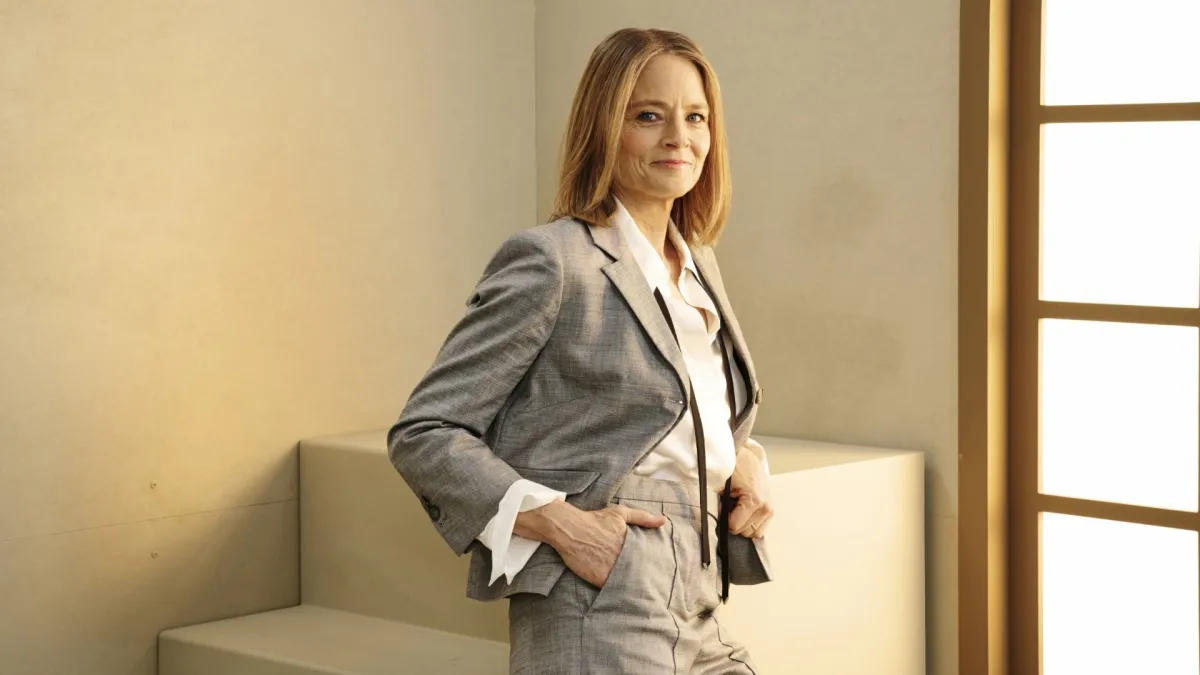
Jodie Foster is trying to decide whether she’s funny. The consensus among critics has generally been no. “Fact,” the film critic Mark Kermode wrote in one particularly harsh review, “Jodie Foster is not funny.”
“I thought True Detective was funny,” offers Foster now. Season four of the crime drama was about a revenge killing in remote Alaska, and Foster played an abrasive police chief. “I mean, she’s such a bitch, so awful…” She shrugs. “I thought it was funny.”
It’s true that Foster’s biggest roles are not exactly what you’d call comedy. Ever since she was 12 years old, playing a precocious sex worker in 1976’s Taxi Driver, she has specialised in playing steely survivors: the victim of a gang rape who takes on her attackers in The Accused (1988); an FBI agent dealing with a cannibalistic psychopath to catch a serial killer in The Silence of the Lambs (1991); a single mother who protects her daughter from a home invasion in Panic Room (2002). Those intense, deeply human performances helped secure her status as one of the greatest actors of her generation, and the recipient of five Oscar nominations. But they weren’t funny.
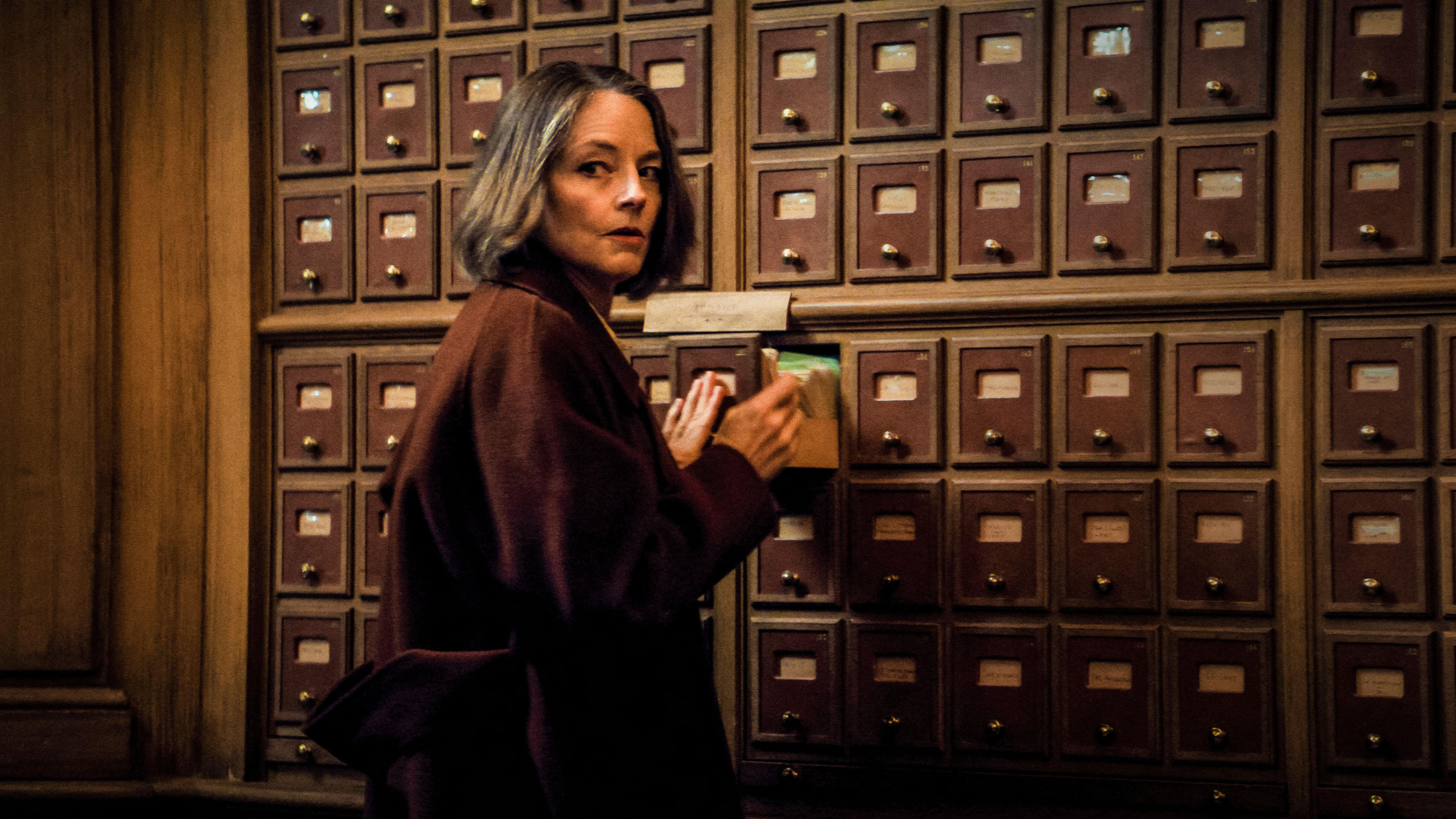
It’s perhaps no surprise, then, that when she met Rebecca Zlotowski, the French director of her new film A Private Life – a twisty psychological thriller about a therapist who becomes obsessed with the death of a patient – the first thing she told Zlotowski was that she isn’t funny. It’s not a comedy, but there’s a sub-plot involving Foster’s character’s ex-husband that veers surprisingly close to rom-com territory. “She was like, ‘The funny thing? Not sure,’” says Zlotowski. “But Jodie IS funny. She’s funny!”