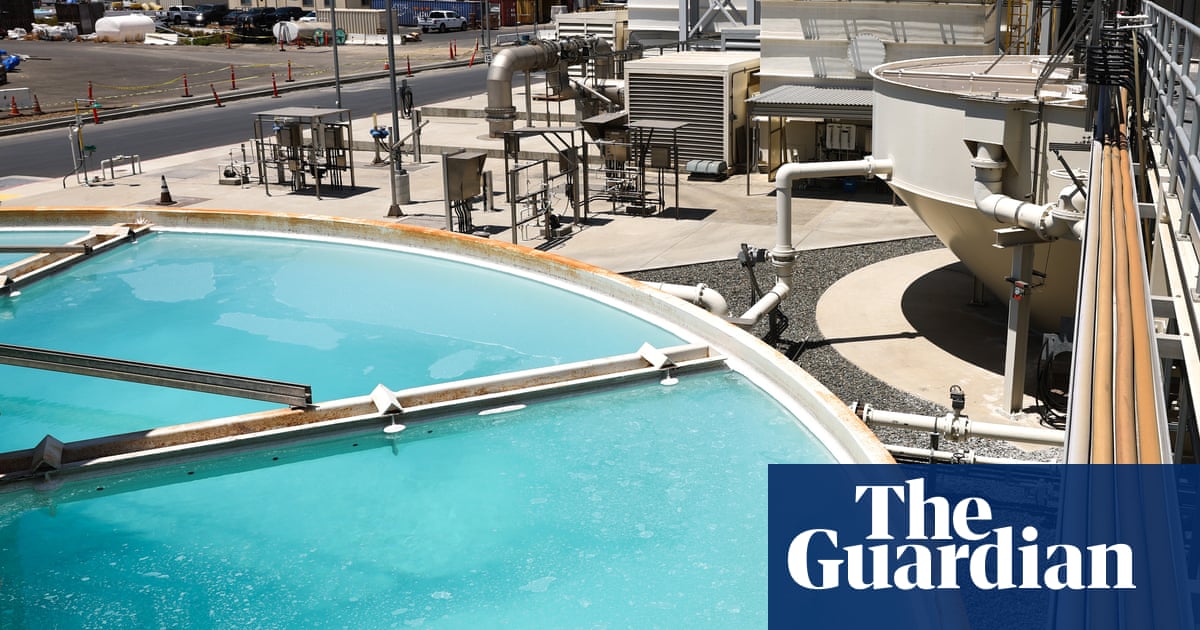
June 26, 2026 — 3:35pmAn Australian-first initiative is set to transform the wastewater flowing beneath city streets into renewable energy, transforming the heat generated by raw sewage into a cheap and reliable source of power.Wastewater from taps, washing machines and toilets maintains a stable thermal temperature of between 10 and 20 degrees, offering a reliable and untapped source of power that has never been utilised in Australia.Sewage could be harvested for a reliable and renewable energy source to power pools and schools within years in Australia.BloombergIn Vancouver, the False Creek Neighbourhood Energy Utility generates 70 per cent of its energy from renewable sources, mostly from sewage heat recovery, while mapping in Christchurch in New Zealand showed wastewater could generate about 80 MW of recoverable heat; enough to heat about 10,000 homes.Barwon Asset Systems (BAS), a wholly owned subsidiary of Barwon Water, is leading a pilot program – the first of its kind in Australia – that would harness the heat from sewage and other wastewater, and use its thermal energy to heat or cool clean water with heat pumps.It says by employing the technology, which it is rolling out with Victorian government support, it could save the running costs of powering one municipal swimming pool alone by up to $300,000 each year.But the technology also has broader scale potential: a 2023 KPMG report for Thames Water, the UK’s largest water authority, found the thermal energy in its network alone could generate enough power to provide heat and hot water for 1 million homes.Closer to home, BAS says Victorian residents generate 1000 million litres of warm wastewater that enters the sewerage system every day.This untapped resource, according to the organisation, represents a huge potential power source and offers the exciting potential to reduce carbon emissions and ease demand on the power grid – with an additional benefit of operational cost savings to the authority.Head of business development Suzanne McConchie said nine projects were currently in planning stage, from a small textiles company seeking to warm a weaving room, to industrial food and beverage companies. They are hopeful the first one will come off the ground next year.She predicted the technology would be increasingly appealing to businesses and councils, as the price of gas continued to rise.“When we’re going out to industry, it’s because of the gas transition that it now makes economical sense.”Barwon Asset Solutions head of business development Suzanne McConchie and Applied Energy director Nick Meeten, pictured with the operational technology on Barwon Asset Solution’s site at Breakwater, in Geelong’s south.The process works by installing specialised heat exchanges, which form a physical separation between dirty wastewater and clean water. The exchanges transfer thermal energy from wastewater to clean water, which is then fed through heat pumps.By powering the heat pumps with renewable energy sources like solar and wind, the technology can operate as a zero emissions systems power source for heating and cooling.Applied Energy director Nick Meeten, who has worked with water authorities worldwide on the technology and is partnering with BAS on its projects, said up to 35 megawatts of sewage-generated thermal capacity was available beneath the streets of Geelong, in the form of “stable temperatures all year round”.“We’re talking about just getting better value out of infrastructure and resources that cities already have,” he said.“We’re not saying you have to dig up the roads and put new pipes down, the pipes are already there, and so cities can get better value out of this infrastructure … it’s kind of low-hanging fruit; it’s just making use of something you’ve already got.”Meeten has created a heat map of the region’s wastewater network, allowing potential customers to assess the feasibility of connecting to the network.Wastewater heat recovery systems are in use in thousands of locations worldwide, but are a new technology in Australia. Meeten is in discussions with a water authority in Tasmania, and hopes the technology will be rolled out across Australia in coming years.The technology also has application for data centres, which rely on large volumes of drinking water to feed their cooling systems, by offering alternatives to traditional water-cooling towers.On a smaller scale, McConchie said municipal pools – which rely on gas and boilers for heating – are a “perfect” use for the technology.“Where [the technology is] the most efficient is where they can use it as hot water, because you’re not having to transition it through different phases [for cooling].”Barwon Water is the largest regional urban water corporation, servicing 320,000 regular customers – growing to 545,000 people during peak holiday periods – in Geelong, Colac, Apollo Bay and surrounding towns.Get to the heart of what’s happening with climate change and the environment. Sign up for our fortnightly Environment newsletter. Bianca Hall is The Age's environment and climate reporter, and has worked in a range of roles including as a senior writer, city editor, and in the federal politics bureau in Canberra.Connect via X, Facebook or email.From our partners
How human waste could one day power your pools and schools
With no shortage of wastewater flowing beneath our streets, this humble source of heat offers a revolutionary alternative to power. And it’s cleaner than you think.
821 words~4 min read