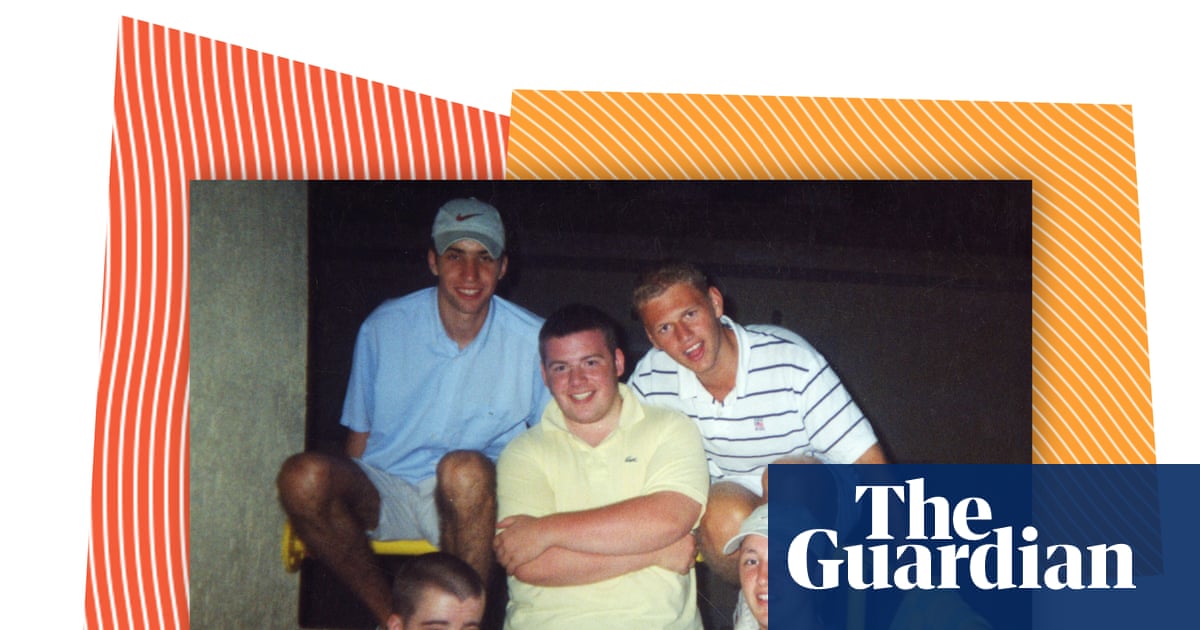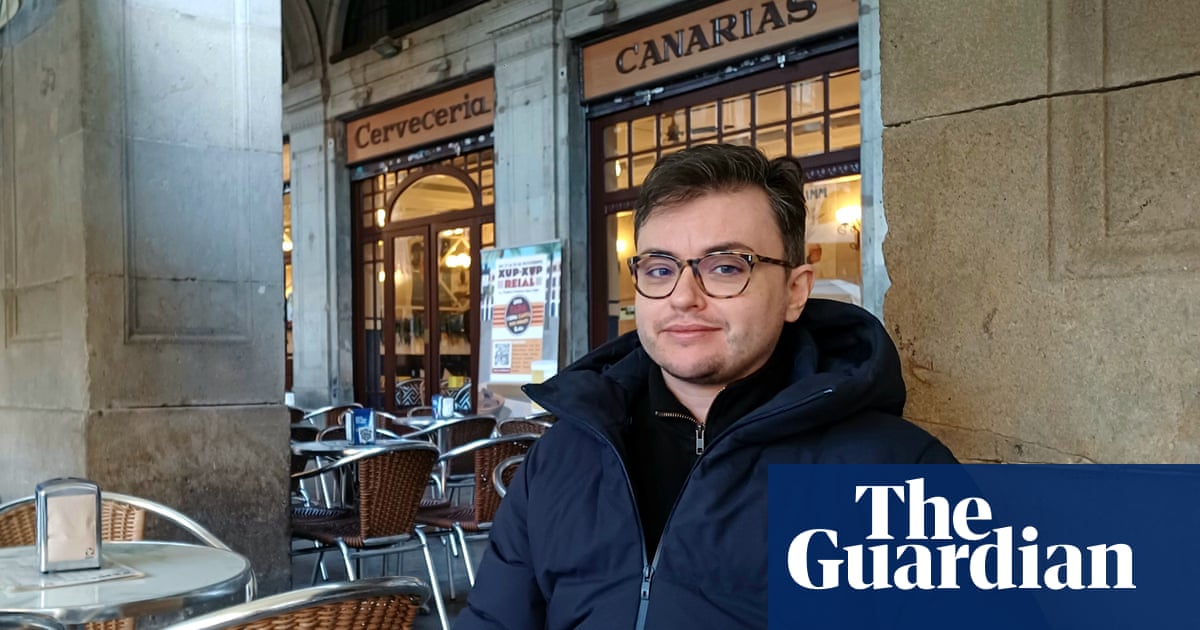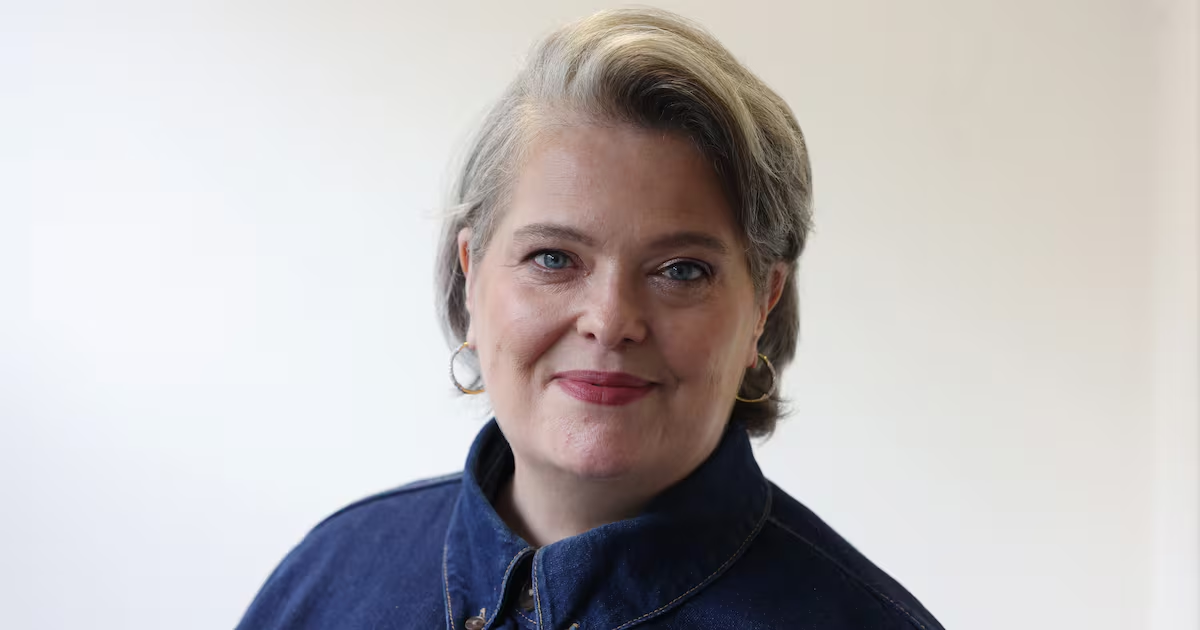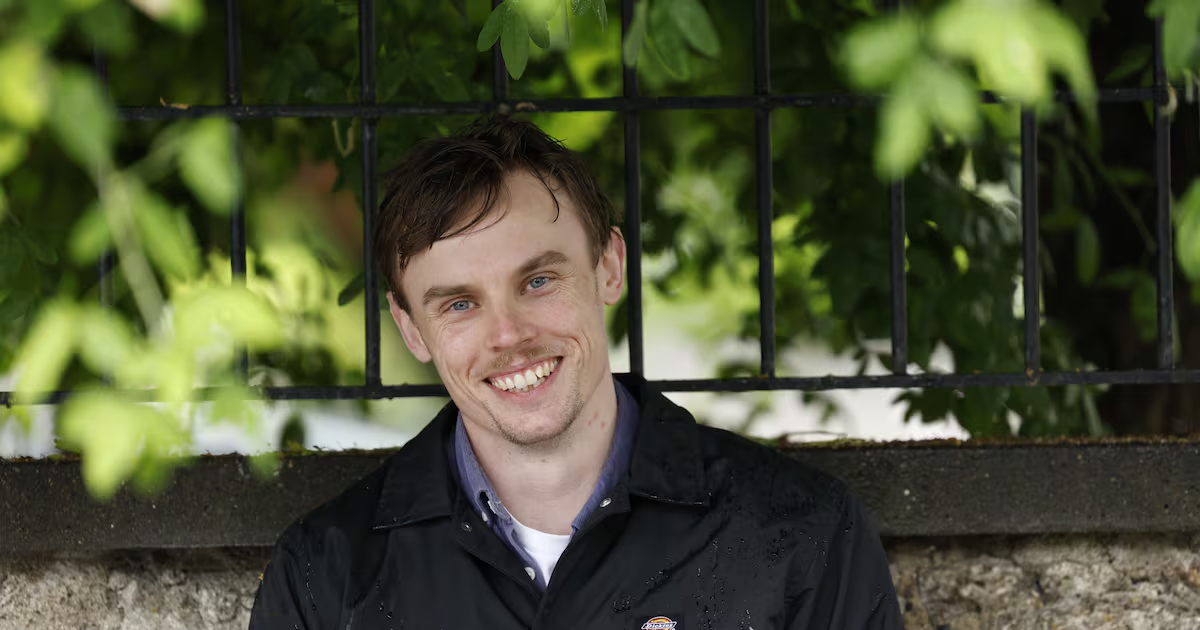
I am a writer who grew up in Cork, initially in Ballinlough in the city, and then we moved out to Glounthane. My brother and I both continued going to school in Cork city, because our grandmother still lived in Ballinlough, so we would have somewhere to go after school when both my parents were working. We had the best of both worlds; we lived in the countryside but grew up in the city. Once I was older I saw the benefit of it, but I remember being four years old and being told we’re moving out to the sticks and thinking my life was over. That’s where the writing started – there was time for slowing down in the country and the quietness. I was seven years old when I started writing poetry, little diary entries and short stories. I always loved English. It was a class that didn’t feel very taxing, especially if we were doing creative writing or poetry, but I stopped writing in that time because I was playing a lot of basketball, going through puberty and other things became important, like hanging out with friends. Cork writer Daragh Fleming reads his poem: National Anthem. Video: Nick Bradshaw When I was 17, my best friend Erbie took his own life. He had been 18 about six or seven months. It was January of 2012 and he was due to sit the Leaving Cert that year. He didn’t love school. I don’t think anyone loves school but I think he really didn’t love school. I think he felt a lot of pressure around academia, but I don’t really know why he did it. I was chatting to him on a Wednesday, and then the next day I got a phone call from my dad, telling me that Erbie was in the hospital because he tried to take his own life, and then he died as a result of complications. It was the most traumatic thing that’s ever happened to me. It changed the course of my life. There is a part of me that thinks I might be writing [if it hadn’t happened], but I don’t think I’d have been as passionate about mental health and have that drive behind the writing. It has been 14 years and I still think about him every day. It was the main reason I did psychology in UCC, because I was so scared that I didn’t know he was struggling, and that anyone around me could be struggling to this degree and I would have no idea. I wanted to be able to see the signs of it, both in other people and in myself, because I thought “this could also happen to me”. It eventually did. I learned I was depressed because we were doing a lecture on depression in second year, and we were going through all the symptoms, and I was like, “Oh, I think a might be dealing with this”. I started Thoughts Too Big, my mental health blog, towards the end of my undergrad.I have always been wary of splitting the room on mental health. On the internet, it invariably becomes an us versus them, men versus women. I don’t think that’s very helpful. But after Erbie died, I realised that none of the men in my life really talk about anything, we just take it on chin and try to deal with it on our own, and that manifests in problematic ways sometimes. [ My brother’s suicide: ‘The almost unbearable guilt of having had a row last time I saw him’Opens in new window ]The reason I’m so strong on emotions is because men are conditioned to only express negative emotions like anger. When I was a kid, beyond anger, I didn’t really see any emotions in men. I remember the first time I saw my father cry, I was genuinely terrified, because I was thought something really bad must be happening if my father’s crying. In reality, it shouldn’t feel that radical. You have – and this is happening in a lot of countries now – a lot of bad actors co-opting what it means to be from any country, and using it to be anti-immigrant. For me, to be Irish is to be an immigrant in a lot of ways. A lot of our history is about emigration and our diaspora abroad – massive communities in the US and Liverpool and Australia. When I’ve been abroad, Irish people have been very warmly received. It’s very rare that anyone has a problem with Irish people. The only the only setback is, because I’m Irish, people always think I am up for partying and drinking. I think we are a beloved nation, and there’s a fear of us taking that for granted, or getting complacent with that. I think with the far right kind of indoctrinating people in Ireland, and people taking on very toxic ideas of what it means to be Irish, “Ireland for the Irish”, and all that kind of rhetoric. I worry that it could morph into something else. I think we need to work hard to keep our wholesome, true, and authentic Irishness, which is the céad míle fáilte. Everyone is welcome; we are all friends here. I think that’s what it really means to be Irish. In conversation with Niamh Browne
‘The first time I saw my father cry, I was genuinely terrified’
The death of his best friend at the age of 18 changed the course of writer, poet and performer Daragh Fleming’s life
892 words~4 min read