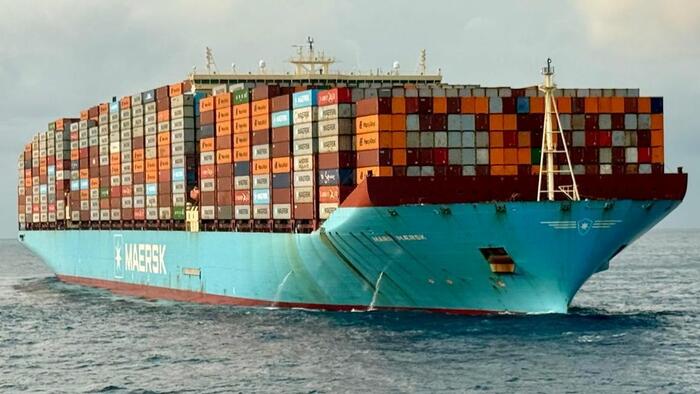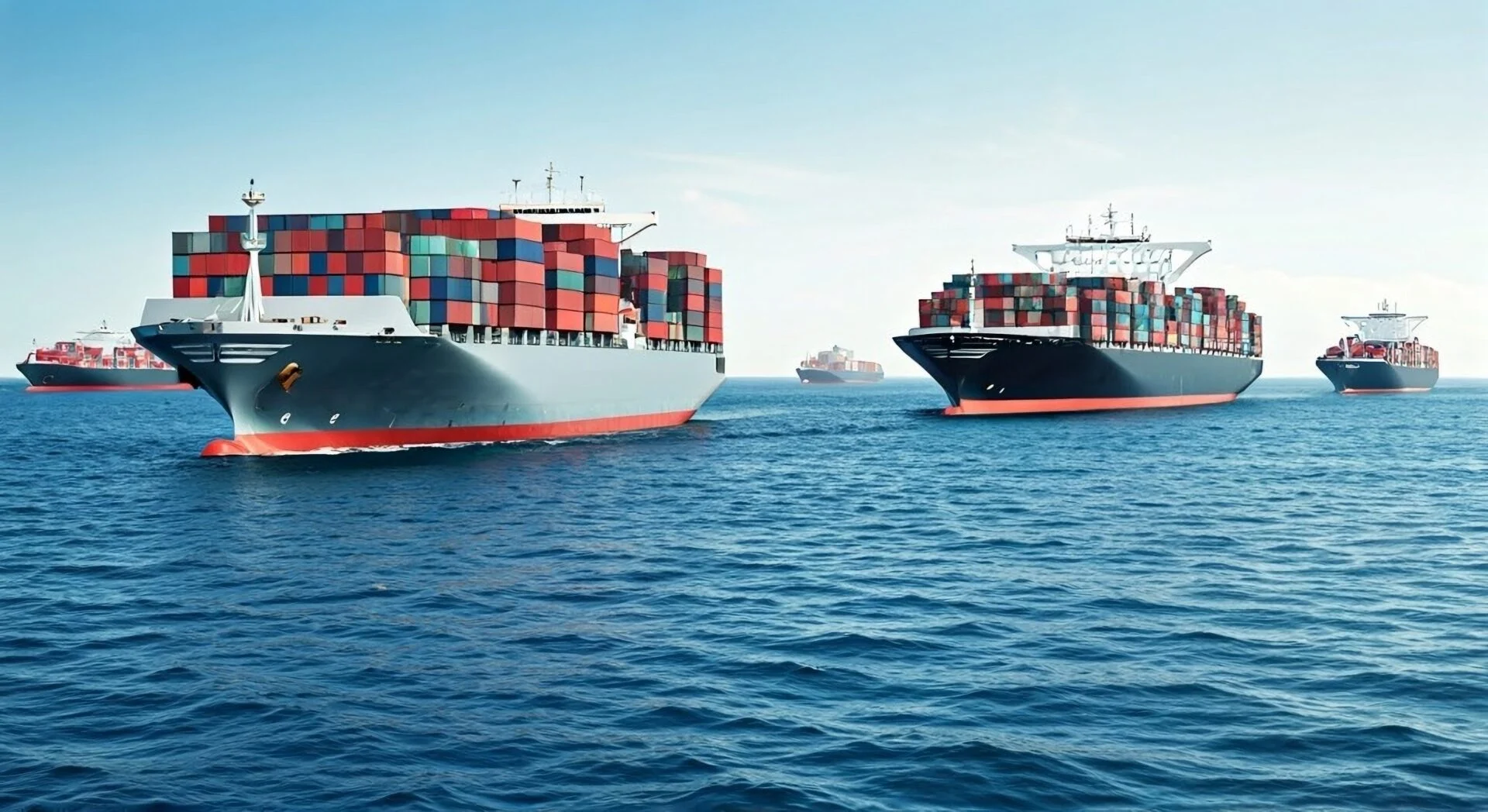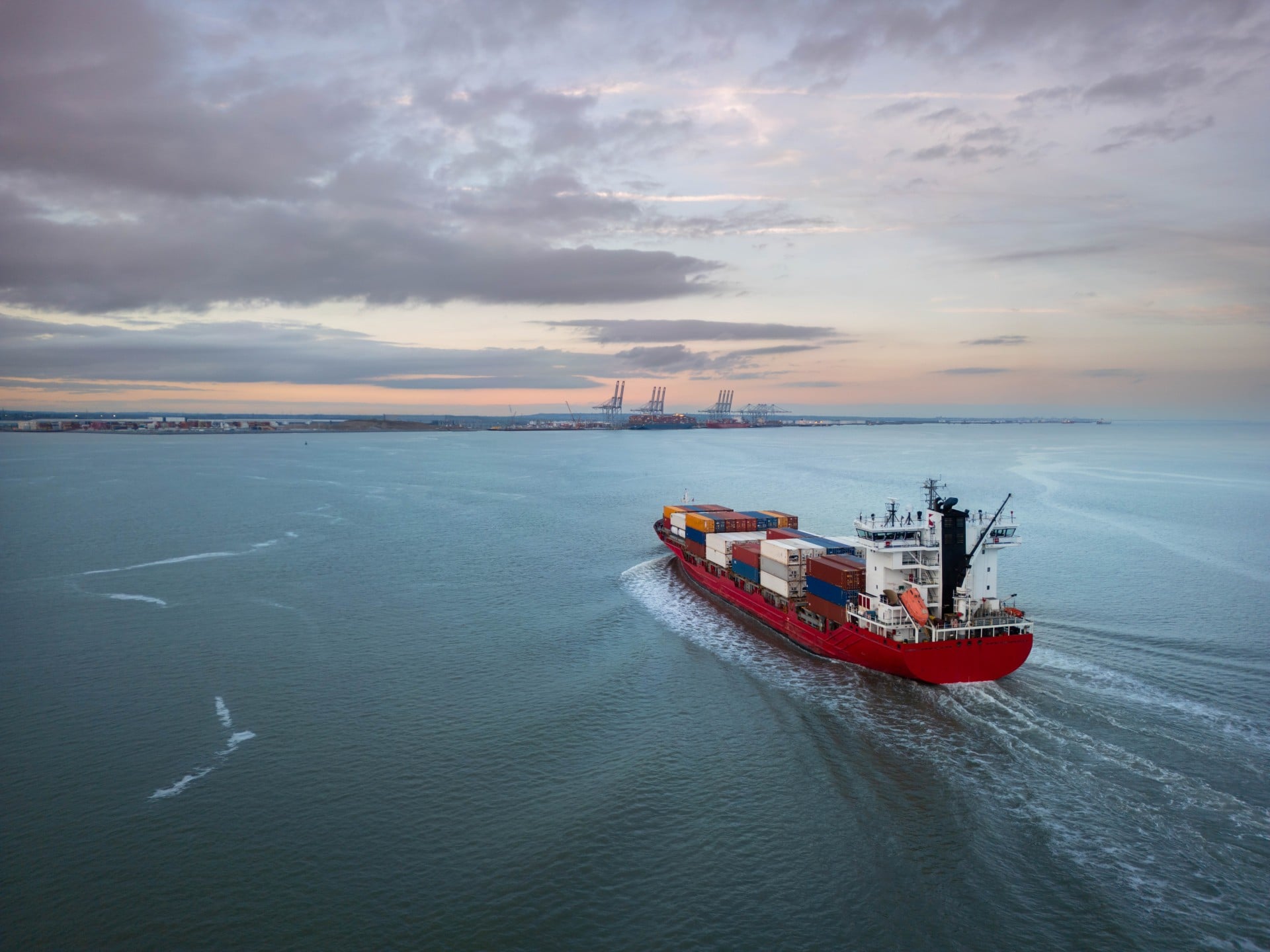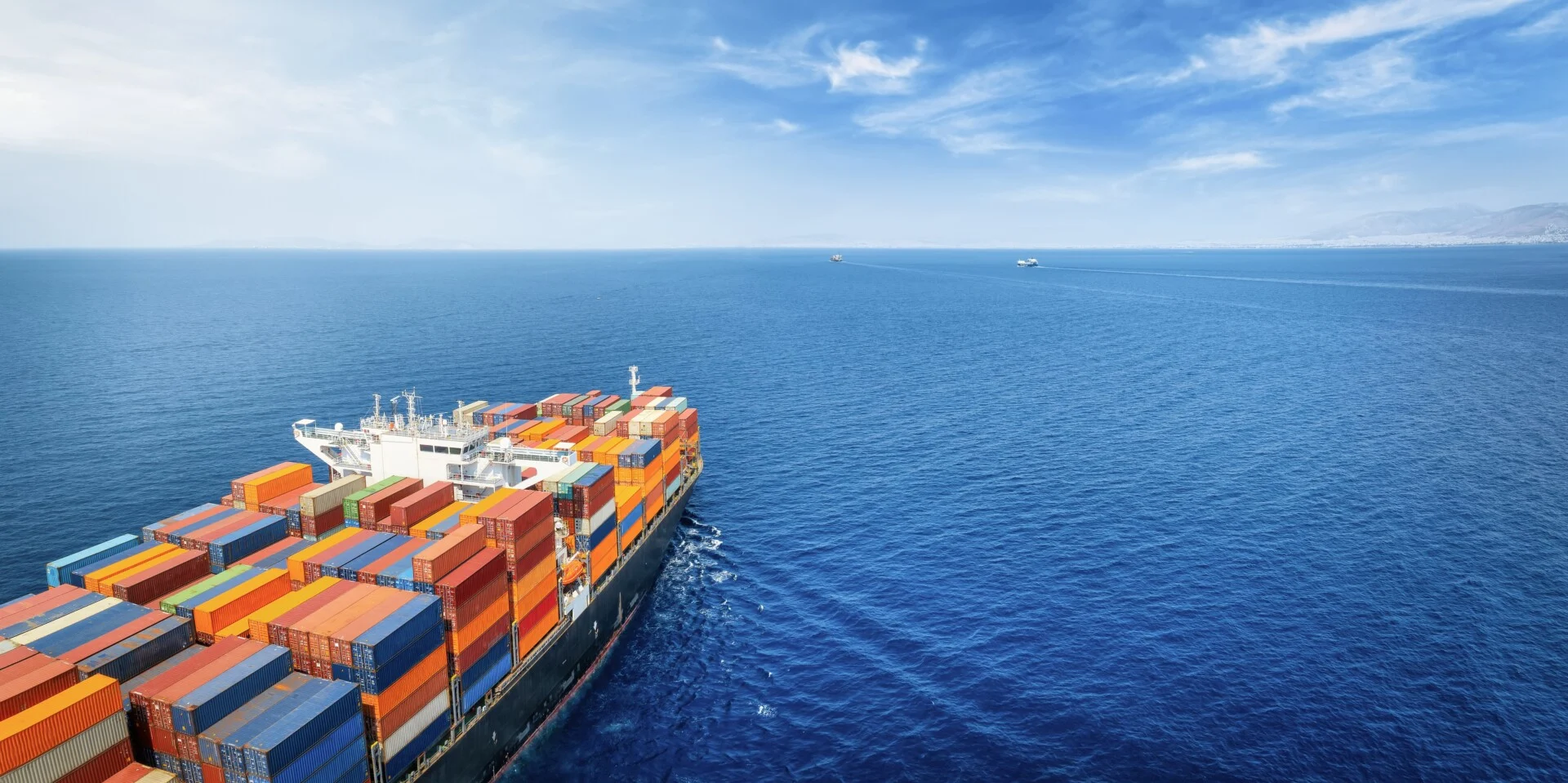
The container shipping market is entering a period of deep structural realignment as global trade gradually shifts away from traditional long-haul routes toward more flexible, regionally driven networks.Changing supply chains, the rise of intra-regional trade flows, the energy transition and artificial intelligence are reshaping the sector’s opportunity set, while Greek investment in smaller vessel segments is gaining increasing momentum. The World Bank, in an analysis, sees the potential for a significantly more dynamic decade from 2030 onwards, provided that key growth drivers are activated, including deeper regional trade integration and AI-driven demand linked to the digital economy.Structural trade shiftFor the container shipping market, regional trade integration is seen as one of the most immediate drivers of change. According to analyses by Braemar and Linerlytica, the number of regional trade agreements has increased from around 300 in 2020 to nearly 400 today, now covering approximately 60% of global trade.The development suggests that globalisation is not disappearing but being reshaped. Rather than a system dominated by Asia-to-West shipping lanes, a more polycentric trade network is emerging. For container lines, this implies that future growth is likely to be driven increasingly by shorter-haul and regional routes, including intra-Asia, Mexico–U.S. and Eastern Europe–EU corridors.Braemar describes this transition as a shift toward a more complex model in which more ports, more regional services and a larger number of smaller vessels will play a greater role in global trade flows.At the same time, the energy transition and artificial intelligence are creating additional sources of demand for smaller container ships.Investment in clean energy is boosting cargo flows of equipment such as solar panels and wind turbines, while emissions regulations are increasing operating costs and driving demand for more efficient vessels. The expansion of data centres and AI-related infrastructure is also supporting higher-value, shorter-haul cargo flows.Greek investment trendAgainst this backdrop, Greek shipowners have been positioning themselves over the past three years to capture emerging opportunities, with the feeder segment — vessels of up to 3,500 TEUs — becoming a key focus of investment amid growing regionalisation of trade networks.The Greek-controlled orderbook continues to expand, vessel deliveries are ongoing, and second-hand acquisitions have also gained momentum.According to data from Xclusiv Shipbrokers, the Greek container ship orderbook has risen to 194 vessels, representing around 12% of the global orderbook, with a strong focus on feeder, handy and neo-Panamax segments and no exposure to very large container vessels (VLCS/ULCS).In total, Greek interests have 103 smaller vessels on order, designed for regional trade operations.This includes 48 ships in the 1,500–2,000 TEU range, 22 vessels between 2,000–2,800 TEU, and 33 units of 3,000–3,500 TEU capacity. The latter category has only recently been reclassified by shipyards as feeder vessels, whereas decades earlier ships of similar size were considered mainline tonnage.Global orderbookAcross the global orderbook, out of 1,604 container ships on order, 810 are feeders and handy-size vessels of up to 6,000 TEUs.The data suggests that shipowners and liner operators are not solely betting on ever-larger megaships, but also on more flexible tonnage capable of serving regional and inter-regional trade networks.
Greek shipowners expand container ship orders, led by feeders
Changing supply chains, the rise of intra-regional trade flows, the energy transition and artificial intelligence are reshaping the sector’s opportunity set,
538 words~2 min read