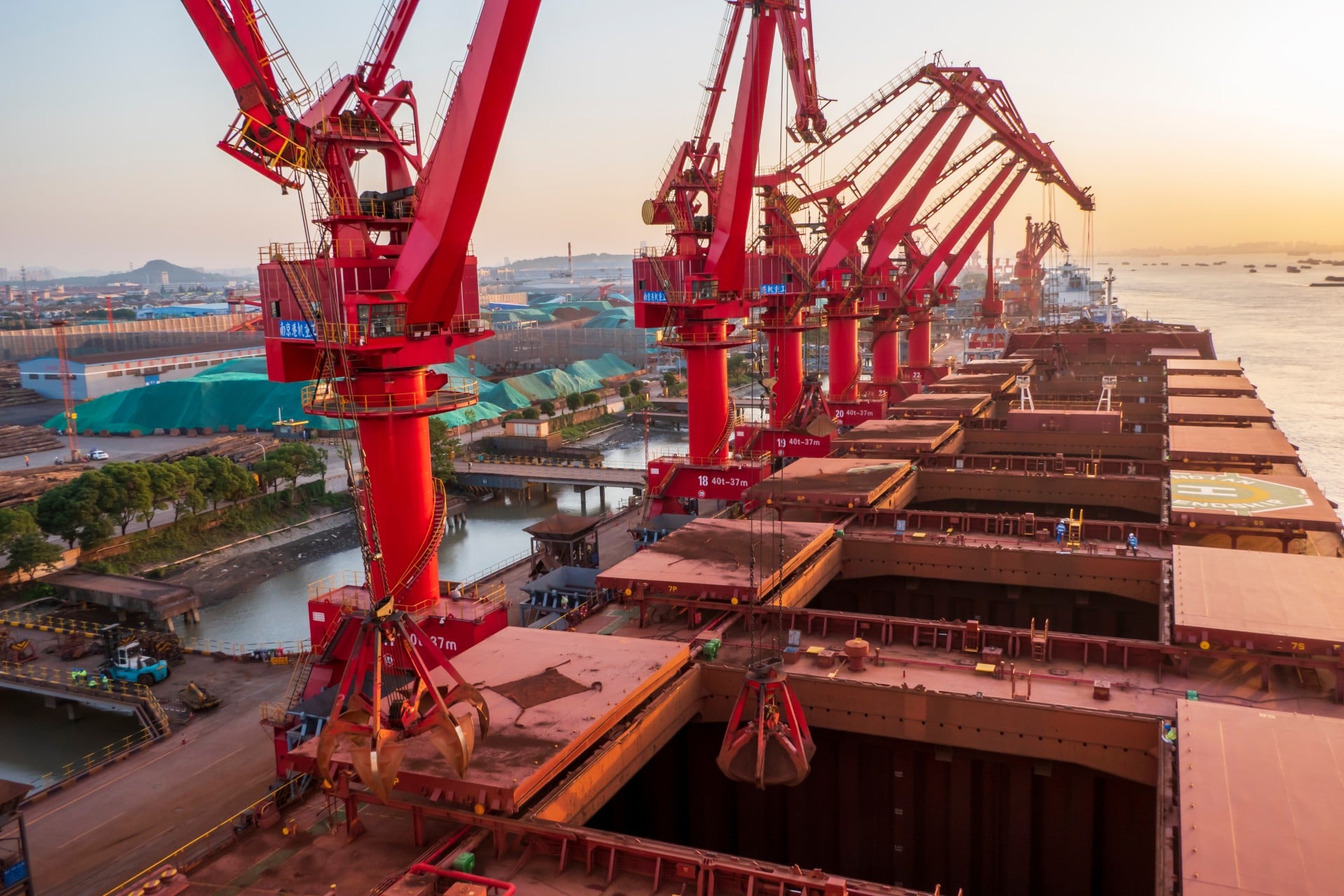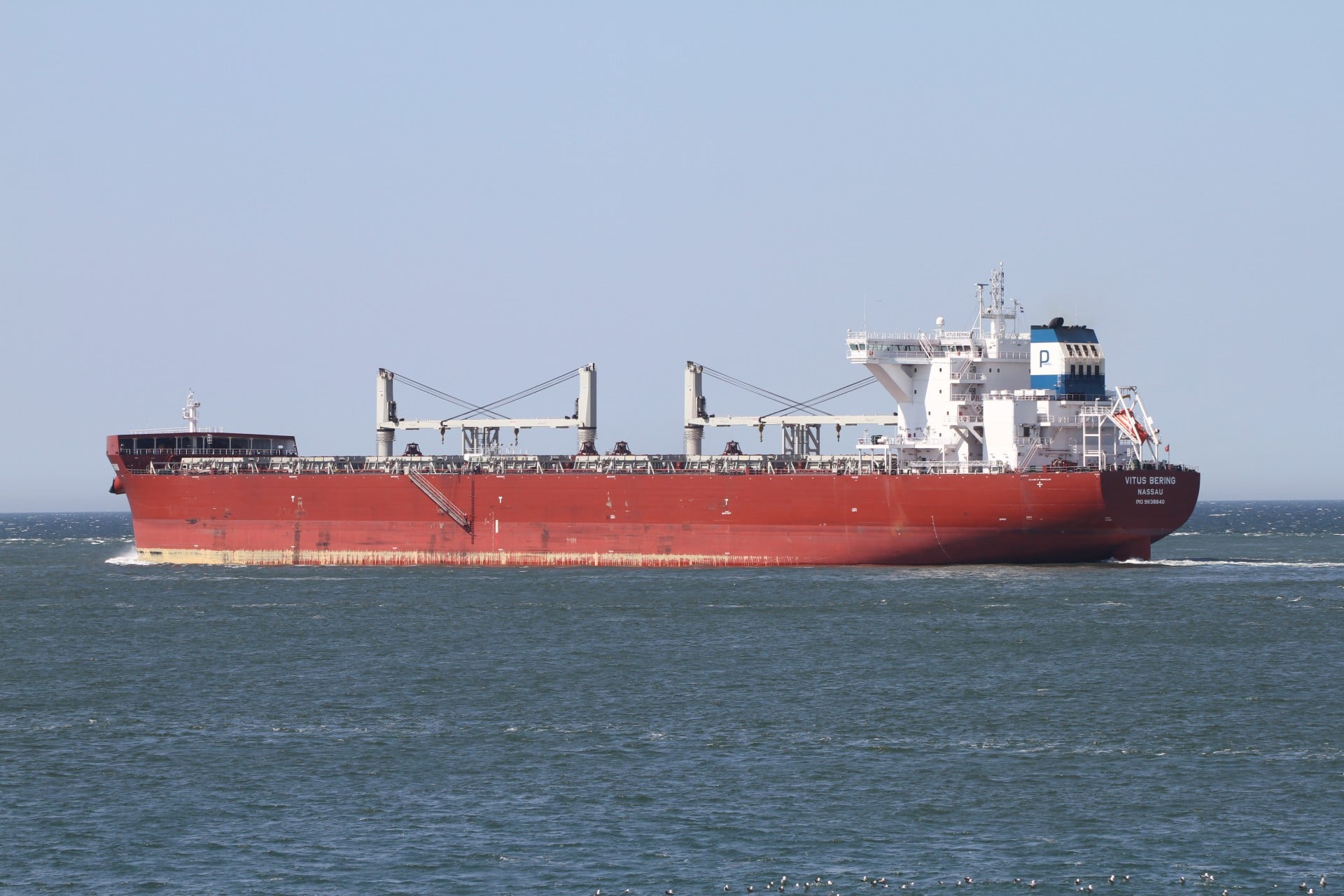
Greek shipowners are continuing a broad renewal of their dry bulk fleets, with newbuilding orders remaining largely focused on conventionally fuelled vessels, according to a report by shipbroker BRS.The dry bulk segment continues to account for a significant share of Greek owners’ global orderbook, with the number of vessels on order rising 14% year-on-year to 176 ships, the report said.Fleet renewal remains the industry’s main priority, with investment concentrated in Kamsarmax (84 vessels), Capesize (42), Ultramax (42) and Handysize (6) bulk carriers.Orders for dual-fuel bulk carriers remain limited, with only five vessels, or 2.8% of the total orderbook, currently on order.Although Greek shipowners remain committed to decarbonisation targets and compliance with the FuelEU Maritime regulation, investment in alternative-fuel vessels continues to be driven primarily by commercial issues, including long-term charter opportunities and expected investment returns, BRS said.The report noted that uncertainty over the future fuel mix, combined with the gradual development of global bunkering infrastructure, remains a key factor influencing investment decisions.Despite the gradual adoption of dual-fuel technology, the development of the required bunkering infrastructure and alternative fuel supply chains has yet to keep pace with the deployment of new vessels, according to BRS.The availability of alternative marine fuels remains limited to a relatively small number of ports and, in many cases, supply is still insufficient to support wider adoption.
Greek shipowners expand dry bulk fleet with focus on conventionally fuelled vessels
The dry bulk segment continues to account for a significant share of Greek owners' global orderbook, with the number of vessels on order rising 14%
252 words~1 min read