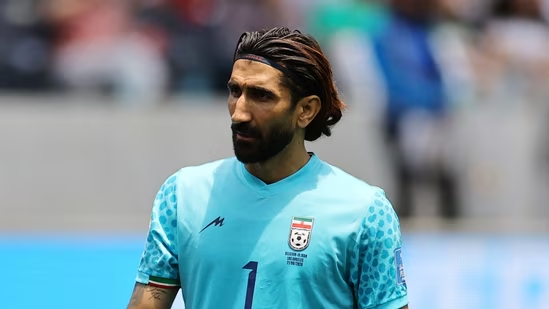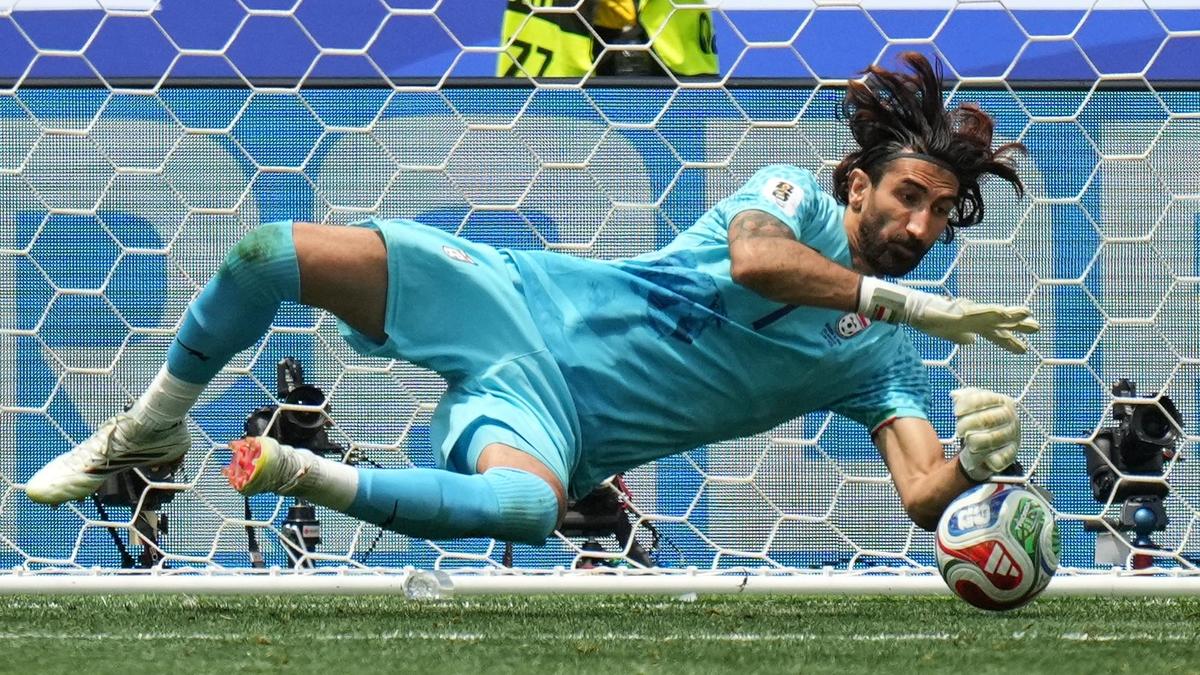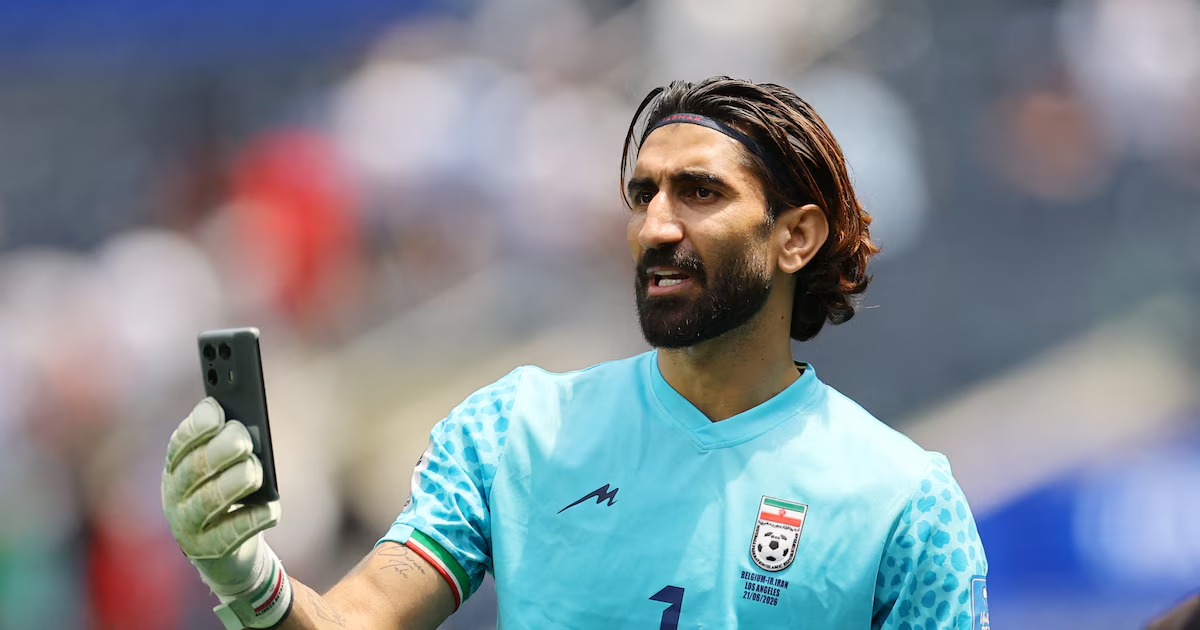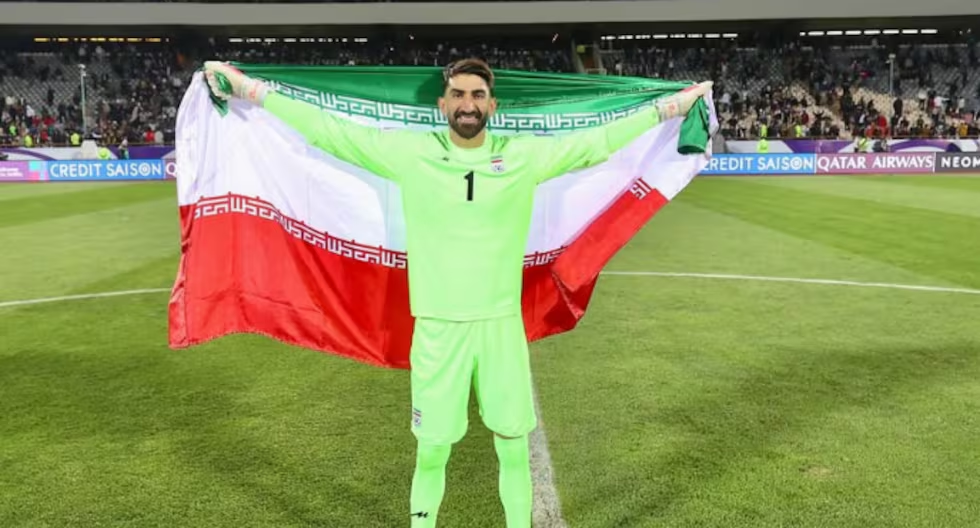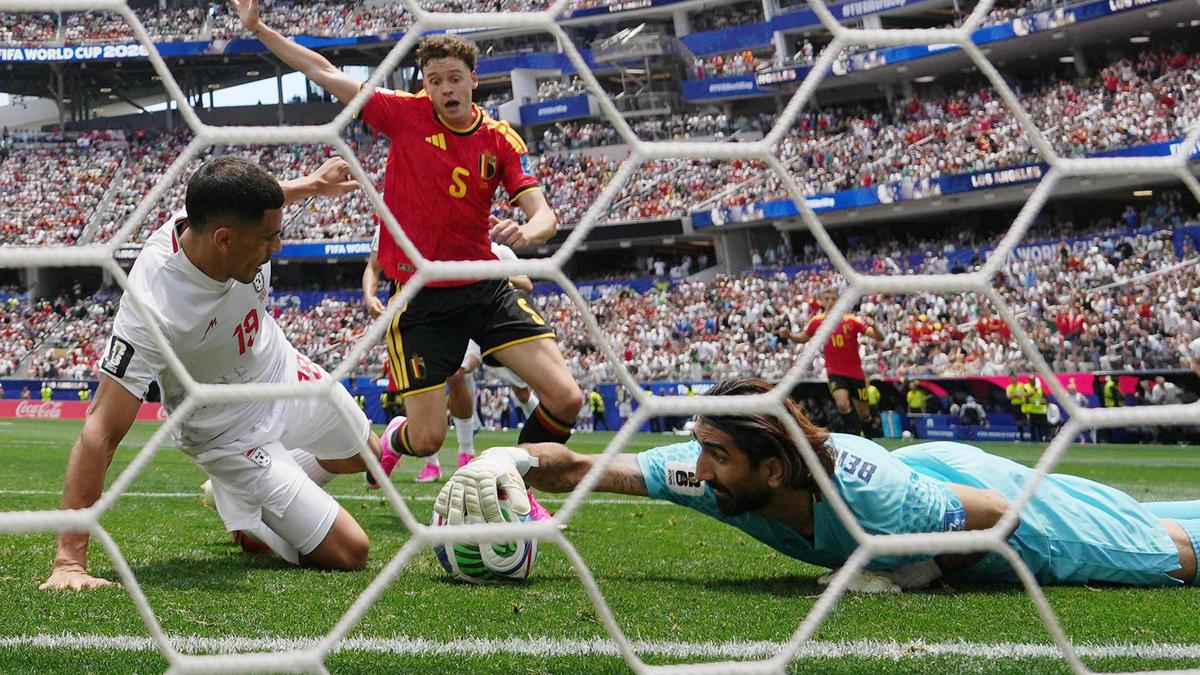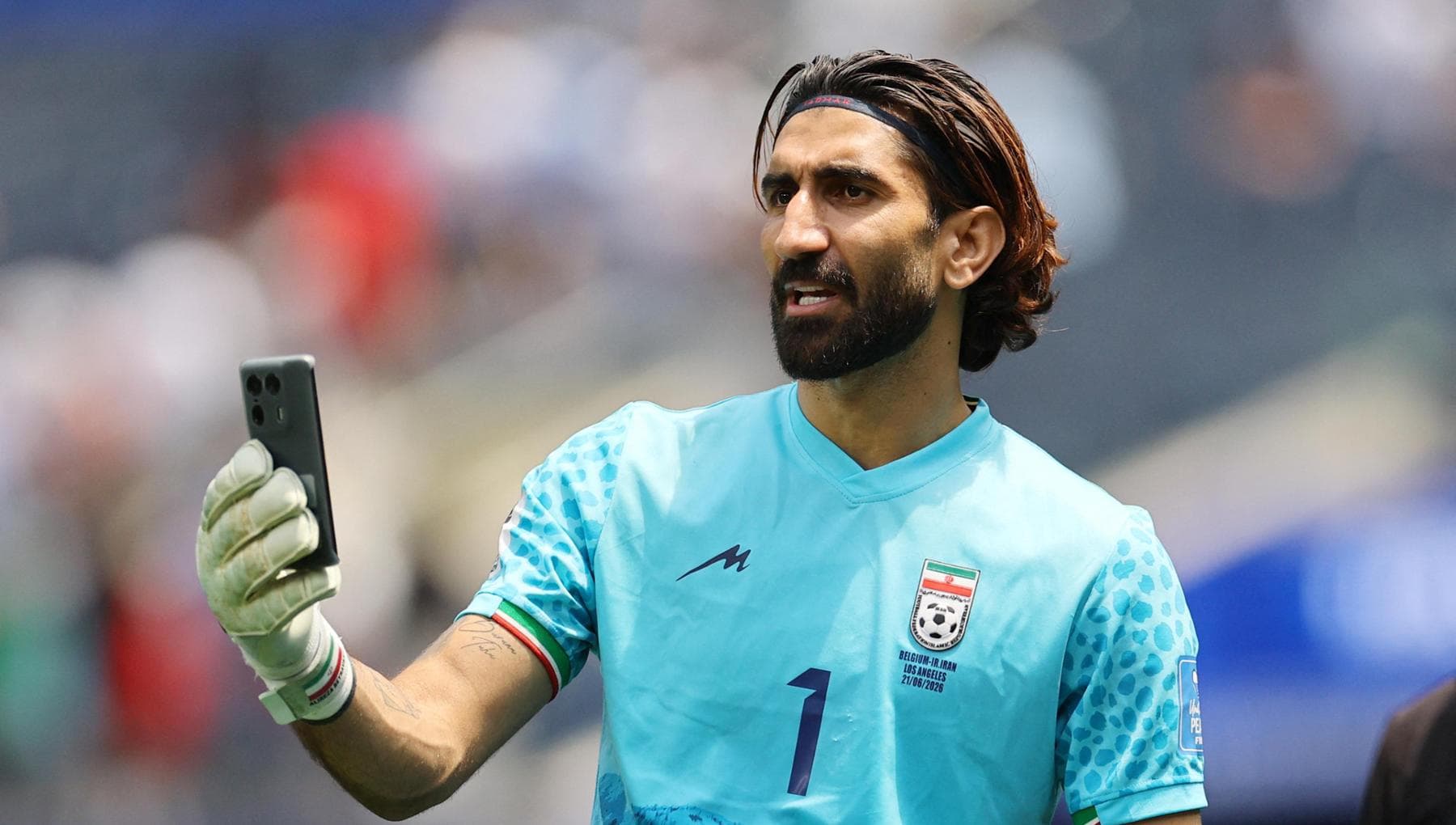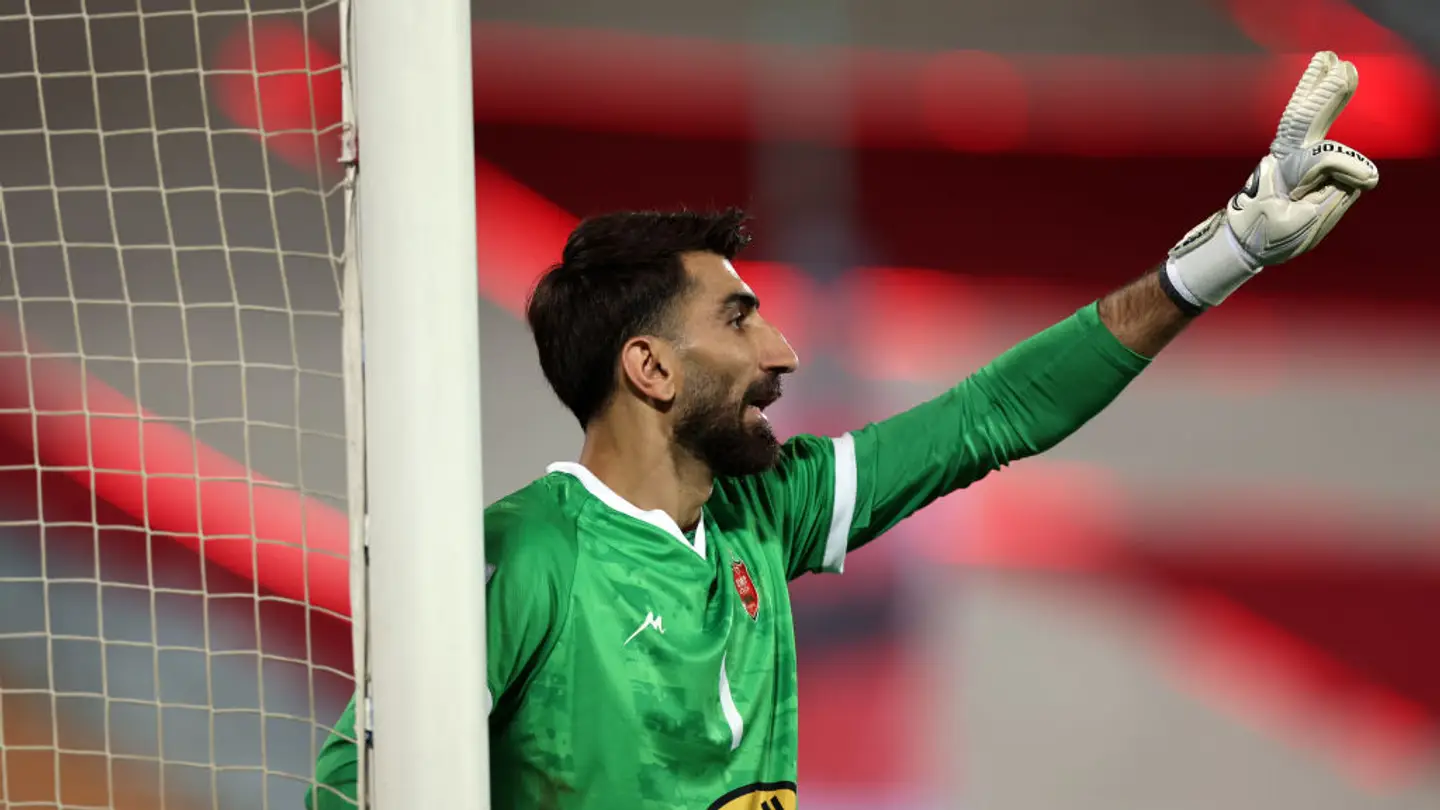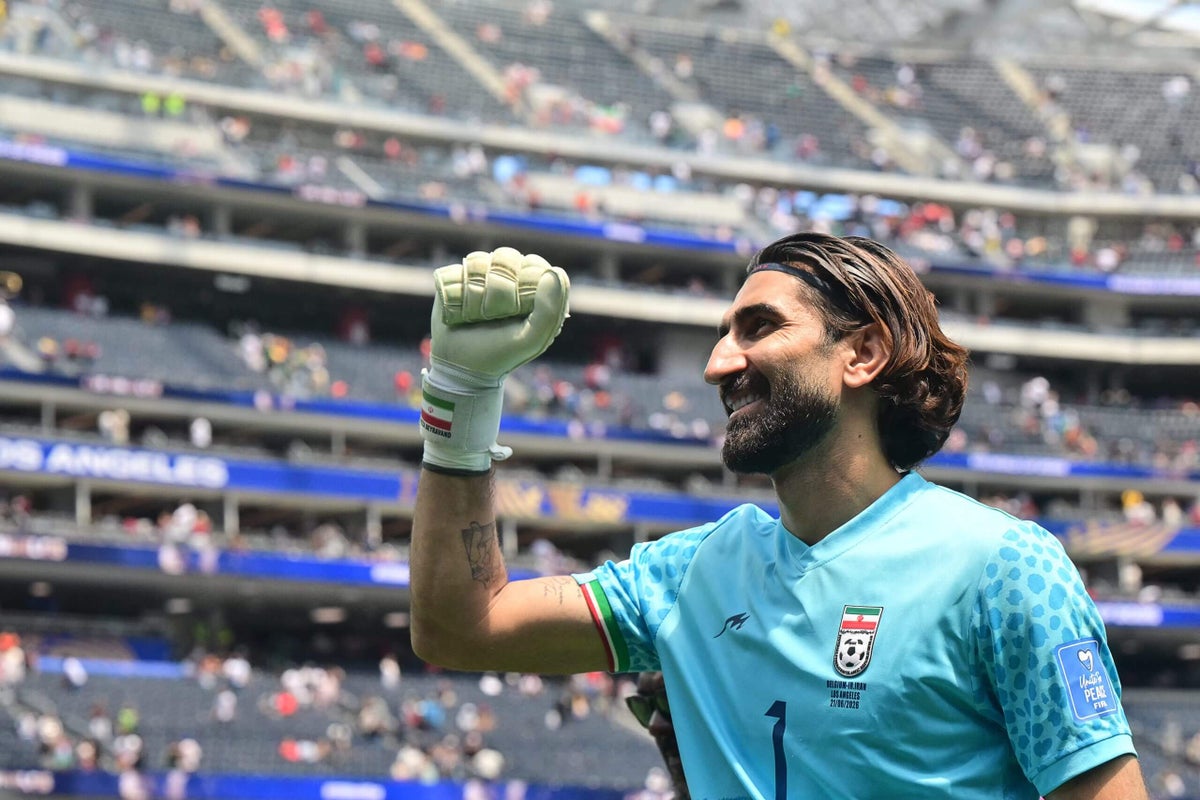
Alireza Beiranvand was 12 when everything changed.The young boy decided to run away from home, giving up on his family, his school, the life he knew. His breaking point came when his father, Mortaza, told him that football was no job; it was a game. Worse still, football detracted from work.To ram home his point, the father threw out Alireza’s training top and his new gloves, which Alireza had bought after his local side’s goalkeeper was injured and he volunteered to step in, desperate to play.The young Beiranvand, like all children, loved games. One of his favourites was dal paran — a traditional folk competition which involves hurling stones off the side of a mountain. He had instinctive hand-eye co-ordination, and the game gave him upper-body strength. He made a natural goalkeeper.He was the eldest child in a Kurdish nomad family from western Iran’s Zagros mountains, moving around Iran’s countryside to find grassland for their sheep. Aged three, Alireza began shepherding.It was the tiny village of Sarab-e Yas — home to 2,500 residents and 300 miles south-west of Iran’s capital Tehran — where Alireza’s family settled, and where he could finally start playing with a football team. But then Alireza’s father denied him that opportunity, so the young boy asked a relative for money, took the next six-hour bus to Tehran, and never looked back.Two decades later, Alireza Beiranvand is playing in his third World Cup for Iran, won the Man of the Match award in Sunday’s 0-0 draw against Belgium, and has secured two Guinness World Records.Alireza Beiranvand in action against Belgium (Harry How/Getty Images)Beiranvand’s rise to stardom was not a fairytale and the remainder of his childhood years were tough. He spoke Laki, a Kurdish dialect with distinct differences from the predominant Persian language in Iran’s capital. But the young boy had more pressing concerns; he had neither money nor a place to sleep.The future goalkeeper had, however, been conditioned by his nomadic family upbringing. He was used to moving from village to village and a life of constant work. He slept outside the training grounds of local football clubs and sought to earn trials, hoping for his big break.
The Iran goalkeeper who ran away from home and is now a World Cup hero
Alireza Beiranvand is playing in his third tournament and, against Belgium, has already mustered one of the saves of the summer to date
1,086 words~5 min read