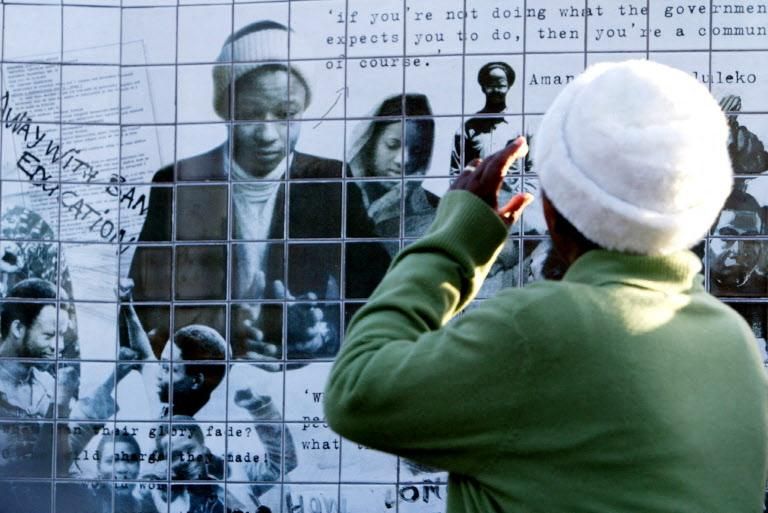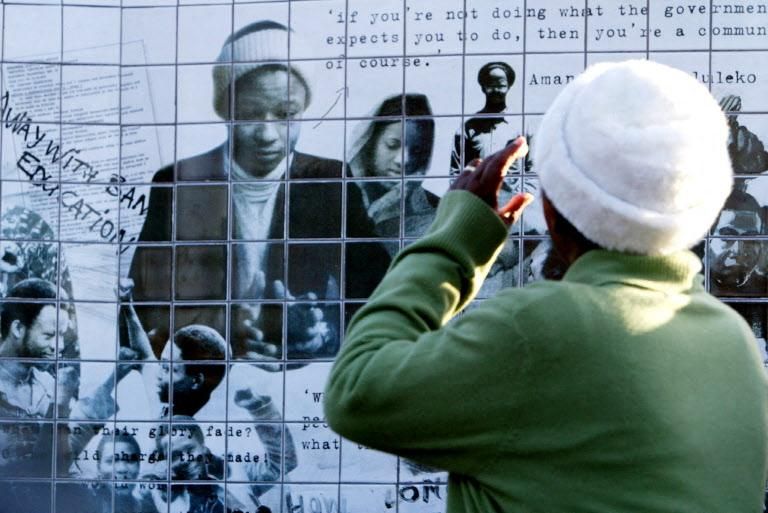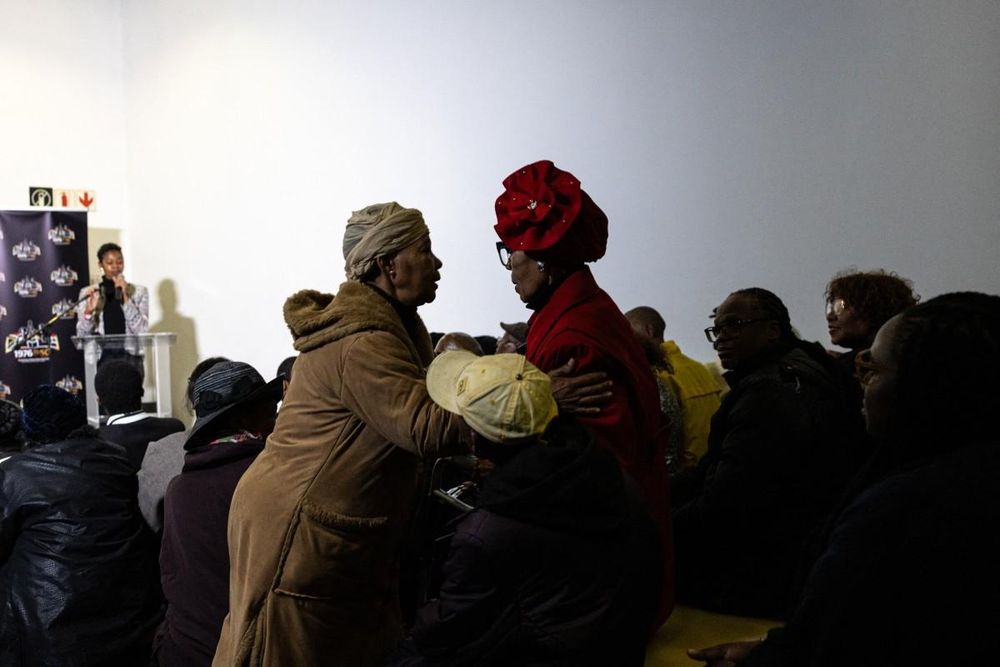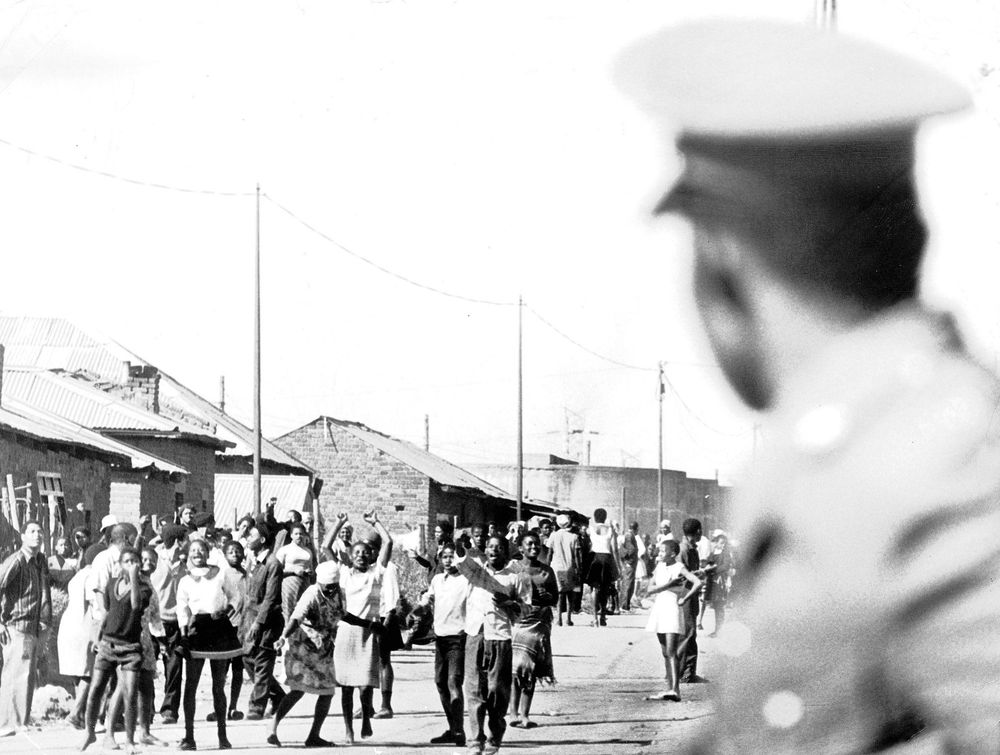
Veteran activists gathered at Avalon cemetery in Soweto on June 16 to pay tribute to the victims of the 1976 Soweto uprising. Our youth can be a powerful catalyst for change if we listen, review and act, says the writer.
Prof. Saths Cooper
Now that we’ve appropriately celebrated the 50th anniversary of the June 16 uprisings, it’s time to start to take stock of our youth, defined by the National Youth Development Agency Act in South Africa (SA) as between 14 and 35 years of age, while the United Nations posits that the period of 15 to 24 transitions one from childhood to the independence of young adulthood.
We live in a fast-changing, instantly globally connected era, where might is displayed in a variety of forms, including crass wealth, ever-present and all-consuming technological advancement, deadly forms of death and destruction, and overwhelming dependence, and brave, visionary, and competent leadership is in short supply.
In this era, it can be exhilarating but also terrifying to be young. Youth has generally been regarded as a problem that often seems incapable of being solved. It’s easy to be seduced into being dismissive and reactive to what many adults wish to forget or simply ignore. Yet we can’t escape what stares us in the face daily. Our children, our youth, are the majority, and increasingly dominate the statistics, which we ignore at our collective peril, damning SA’s future.