Story audio is generated using AI
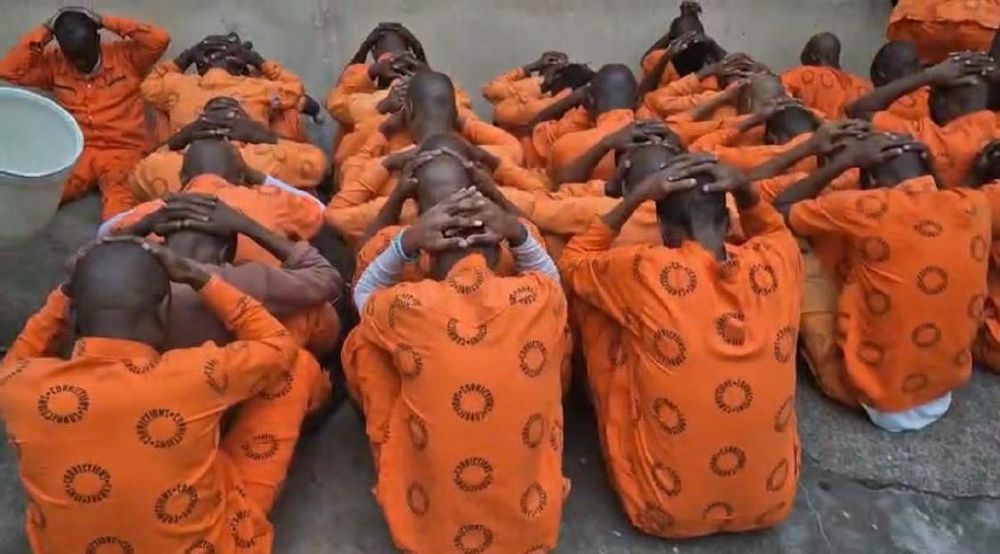
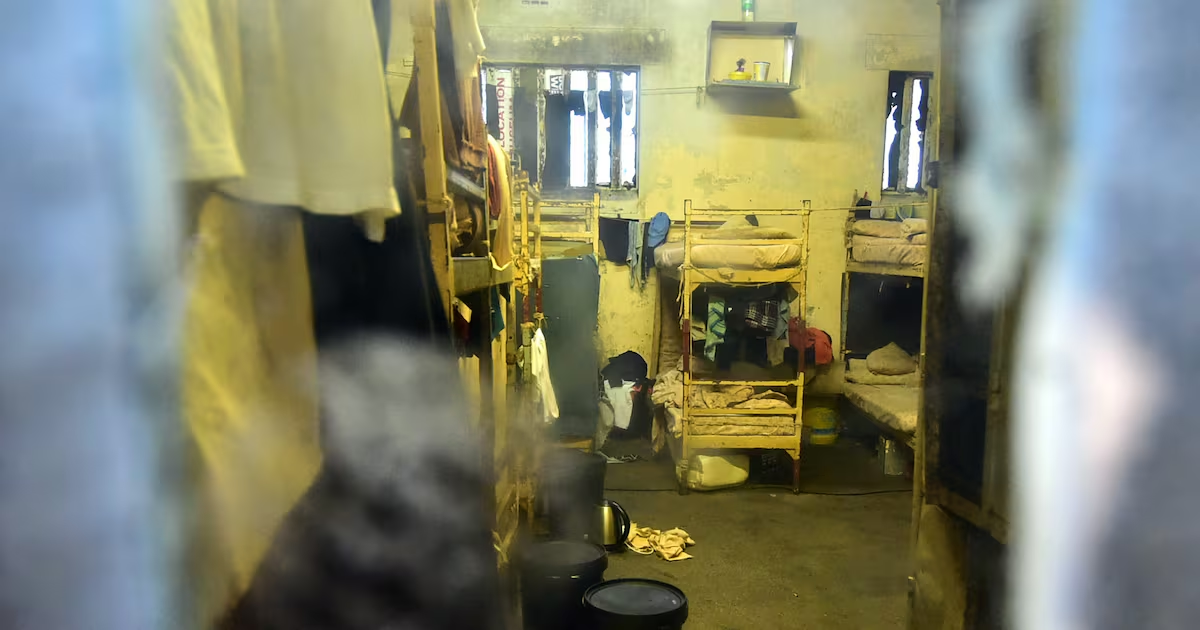
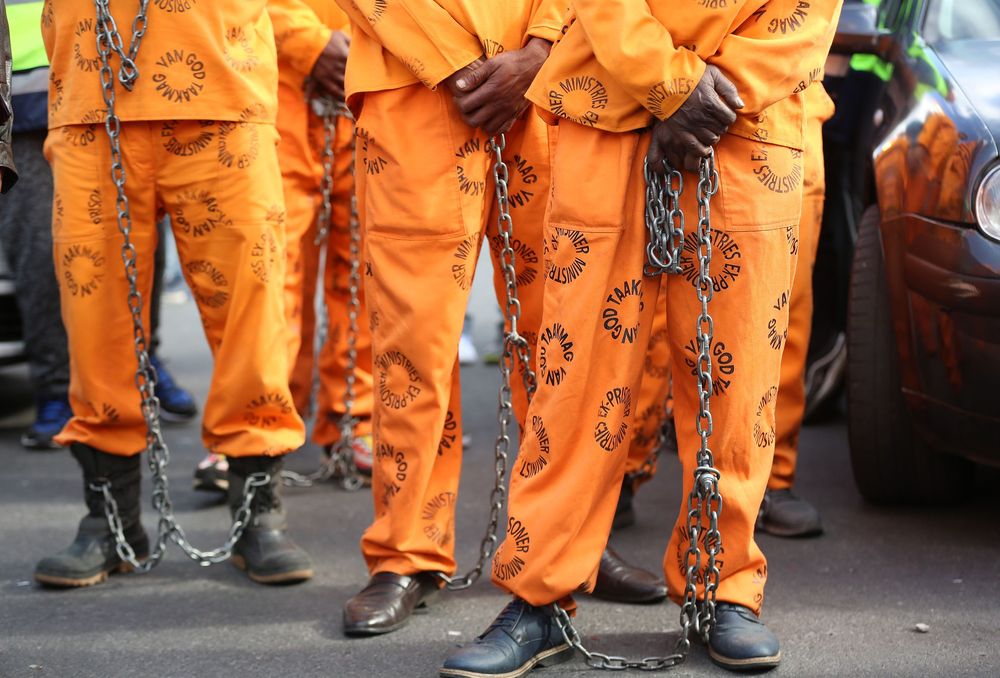
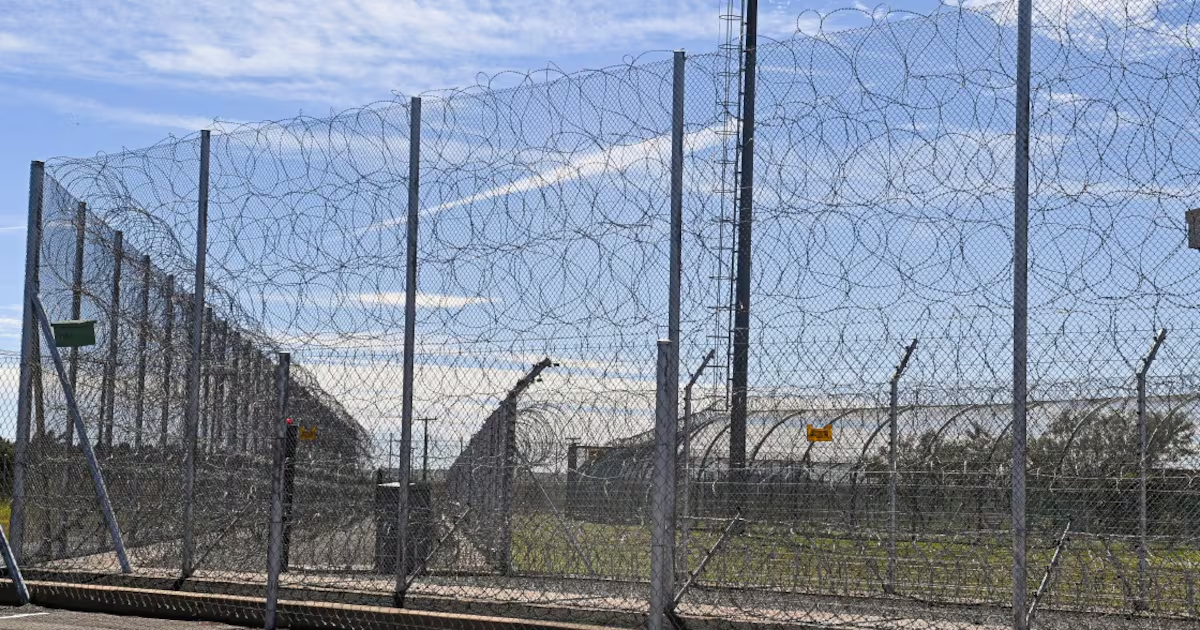
Parliament’s peace and security committees have called for closer co-ordination between the departments of correctional services and home affairs to determine the number of foreign nationals in South African prisons and speed up the deportation of those eligible once they have served their sentences.Kgomotso Ramolobeng, chair of the portfolio committee on correctional services, said improved integration between correctional services and immigration systems would enable authorities to identify inmates eligible for lawful deportation earlier, speed up the processing of immigration matters and help ease pressure on the country’s overcrowded prisons.“The department must bring home affairs on board,” Ramolobeng said in a joint media briefing by parliament’s peace and security cluster committees on Thursday.Department of correctional services figures show South Africa’s prisons hold 27,880 foreign nationals, comprising 14,614 awaiting-trial detainees and 13,266 sentenced offenders. Overall, 12.4% of sentenced inmates are foreign nationals. The total inmate population stands at 170,518 against an approved bed capacity of 107,054.Correctional services minister Pieter Groenewald. Picture: (Freddy Mavunda) Earlier this month, correctional services minister Pieter Groenewald told parliament it costs the state R463 a day to incarcerate each foreign national, amounting to about R11.7-million a day. Groenewald said the government was exploring prisoner transfer agreements and other measures to reduce the financial burden on taxpayers and ease prison overcrowding.Ramolobeng said prison overcrowding remains one of the correctional system’s biggest challenges, with legal and administrative delays often resulting in foreign nationals remaining in custody after completing their sentences. She said this places additional pressure on correctional facilities, budgets and human resources, noting that employee compensation accounts for about 70% of the department’s expenditure.Ramolobeng welcomed a new prisoner transfer agreement between South Africa and Botswana, saying similar agreements should be concluded with other Southern African Development Community countries to allow offenders to serve their sentences in their home countries.The committee recommended stronger data sharing between correctional services and home affairs, faster processing of deportations once sentences had been completed and better integration of immigration and offender management systems.It also raised concern over the department’s 29,320 parolees and probationers recorded as absconders from community corrections supervision, recommending stronger tracing systems, closer co-operation with the police and an assessment of whether electronic monitoring could play a greater role in tracking offenders.Ramolobeng said parliament also remains concerned about the department of correctional services’ readiness to take over Mangaung Correctional Centre on July 1 following the expiry of a 25-year public-private partnership agreement.Vacant posts, litigationWhile welcoming progress, she said the committee remains concerned about the recruitment and vetting of 668 vacant posts, litigation involving the possible absorption of about 500 G4S employees, delays in bulk supplies and outstanding infrastructure repairs, particularly to kitchen facilities. Parliament will conduct an oversight visit in the second week of July to assess operational readiness.This forms part of a broader parliamentary focus on tightening immigration enforcement and strengthening border security.Mosa Chabane, chair of the portfolio committee on home affairs, said parliament supports the government’s efforts to strengthen border management but warned that additional immigration inspectors and resources are needed to improve enforcement.He said the Border Management Authority (BMA) has deported and repatriated more than 8,000 undocumented Malawian nationals and that parliament will continue monitoring efforts to reduce the asylum appeals backlog.Corruption investigationChabane also welcomed progress made after Special Investigating Unit investigations into corruption in the department of home affairs, saying arrests, disciplinary action and dismissals linked to fraudulent identity and immigration documents have increased.He said parliament will continue overseeing reforms to modernise border management, including the One Stop Border Post Bill, which aims to improve co-ordination with neighbouring countries through jointly managed border posts and integrated border management, while urging the department of public works & infrastructure to accelerate upgrades to South Africa’s border fencing.Chabane urged South Africans not to take immigration enforcement into their own hands, saying enforcement of immigration laws remains the responsibility of law enforcement agencies acting within the constitution and the rule of law.Jane Mananiso, chair of the select committee on security and justice, said the BMA plans to conduct 158 risk-based law enforcement operations in the 2026/27 financial year targeting organised crime, illegal migration, human trafficking and cross-border smuggling.She said the authority will expand the use of drones, body-worn cameras, biometric systems and other technology at ports of entry while maintaining a target of detecting, refusing and deporting inadmissible and unlawful persons. Illegal migration pressure Mananiso said illegal migration places significant pressure on public services, law enforcement and the criminal justice system while creating opportunities for organised crime, human trafficking, document fraud and cross-border smuggling.She said the committee remains concerned about the BMA’s capacity constraints and has recommended additional funding, the filling of vacancies, stronger anticorruption measures and closer co-operation between the BMA, pollice, municipalities and traditional leaders.She added that parliament will continue monitoring implementation of the Madlanga commission’s recommendations on the SAPS while also pressing police to strengthen their response to gender-based violence, improve specialist investigative units and eliminate shortages of rape kits and forensic backlogs, particularly in the Western Cape.