Story audio is generated using AI
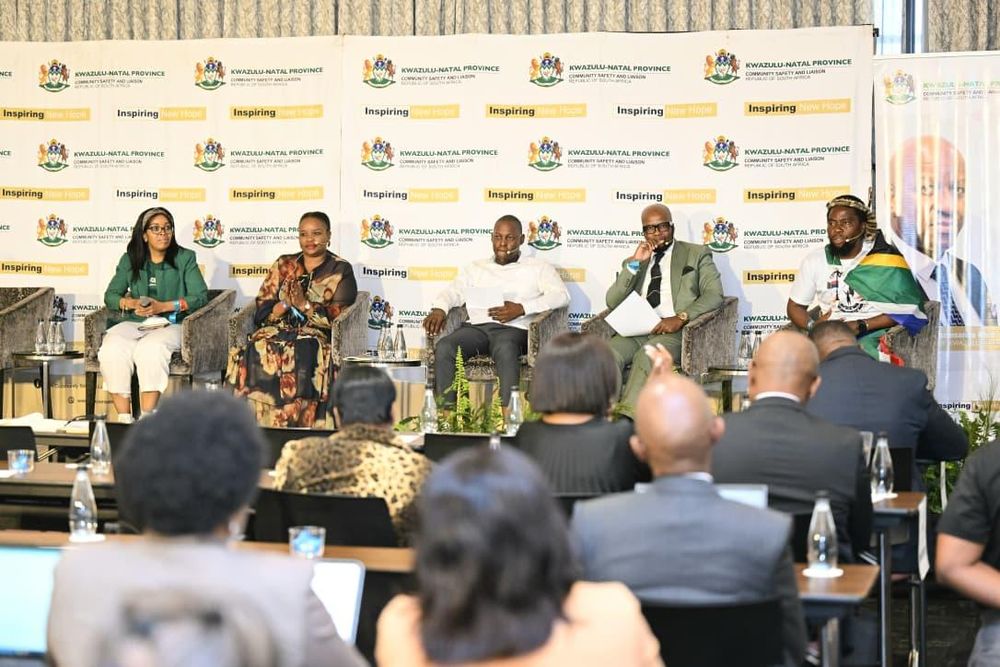
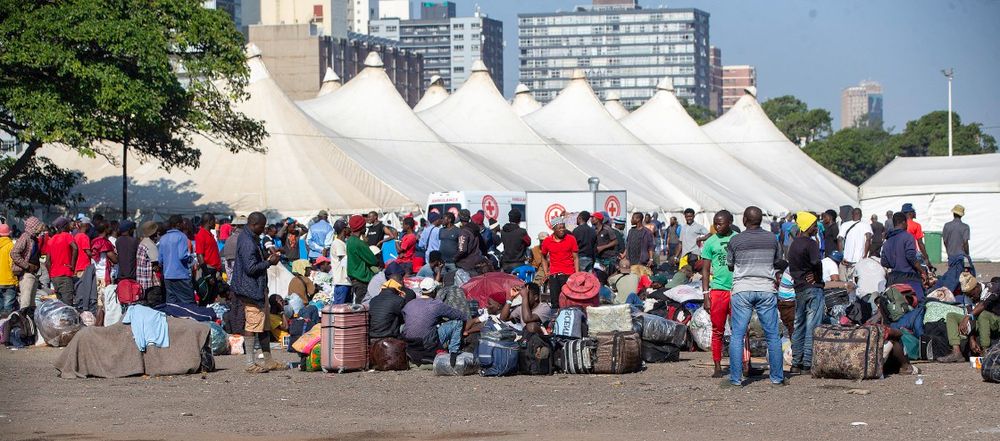
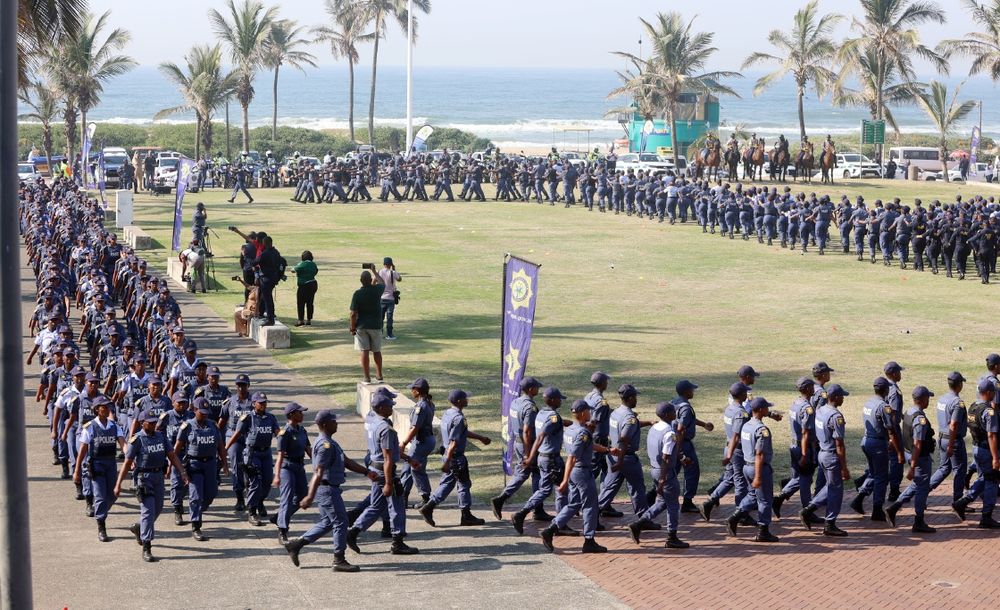
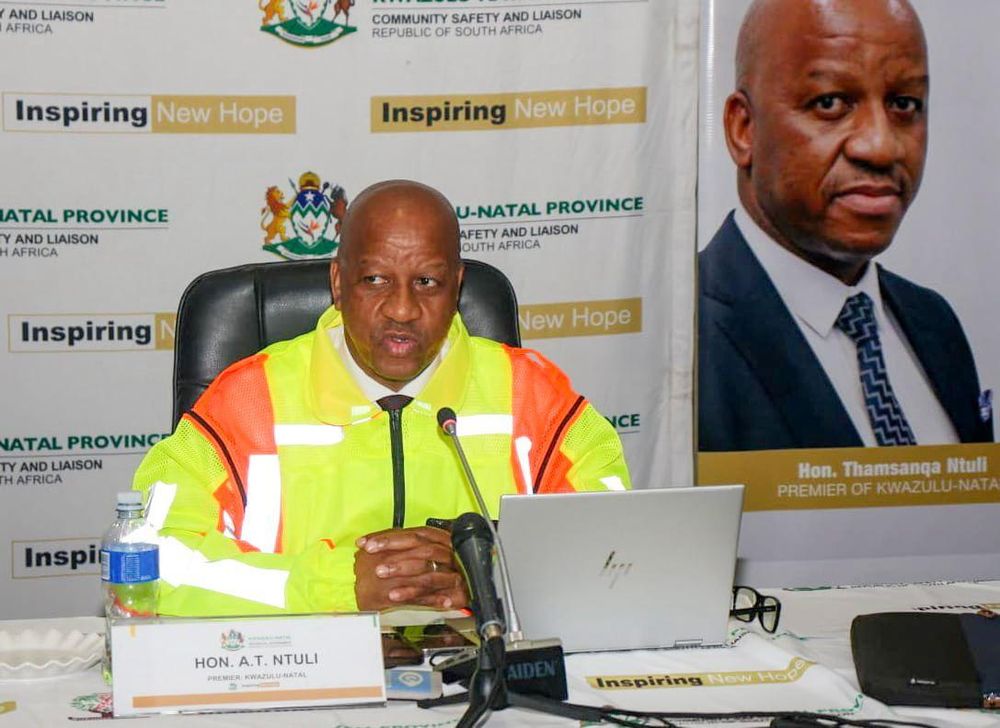
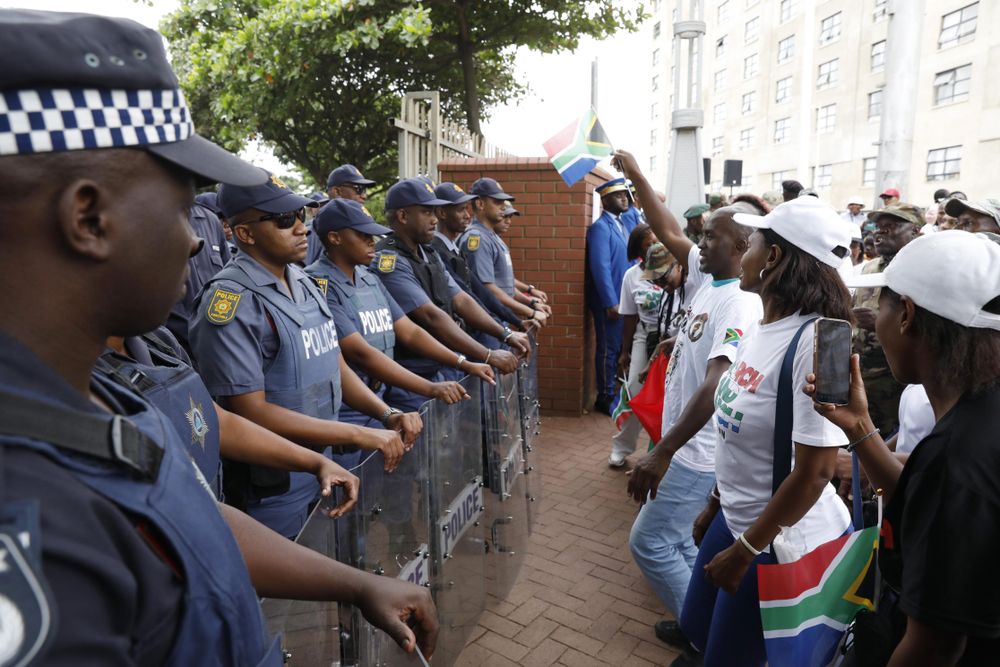
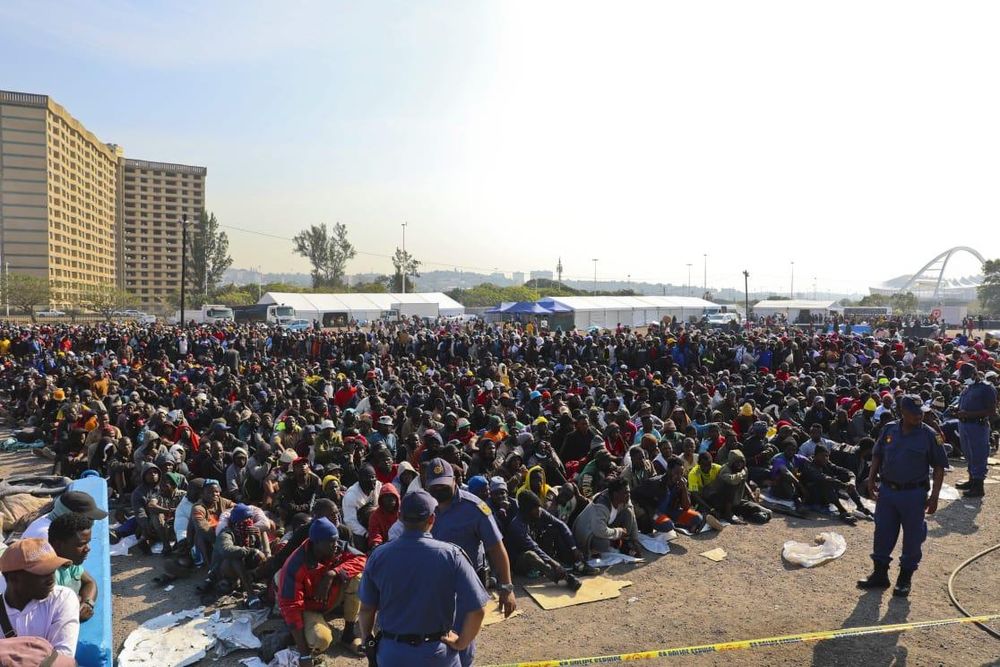
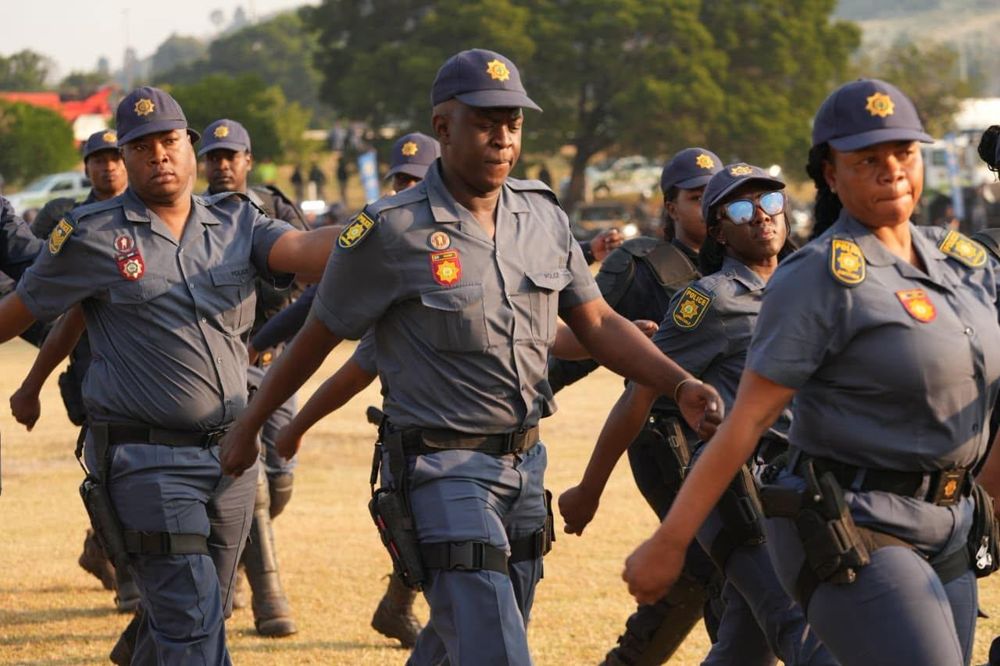
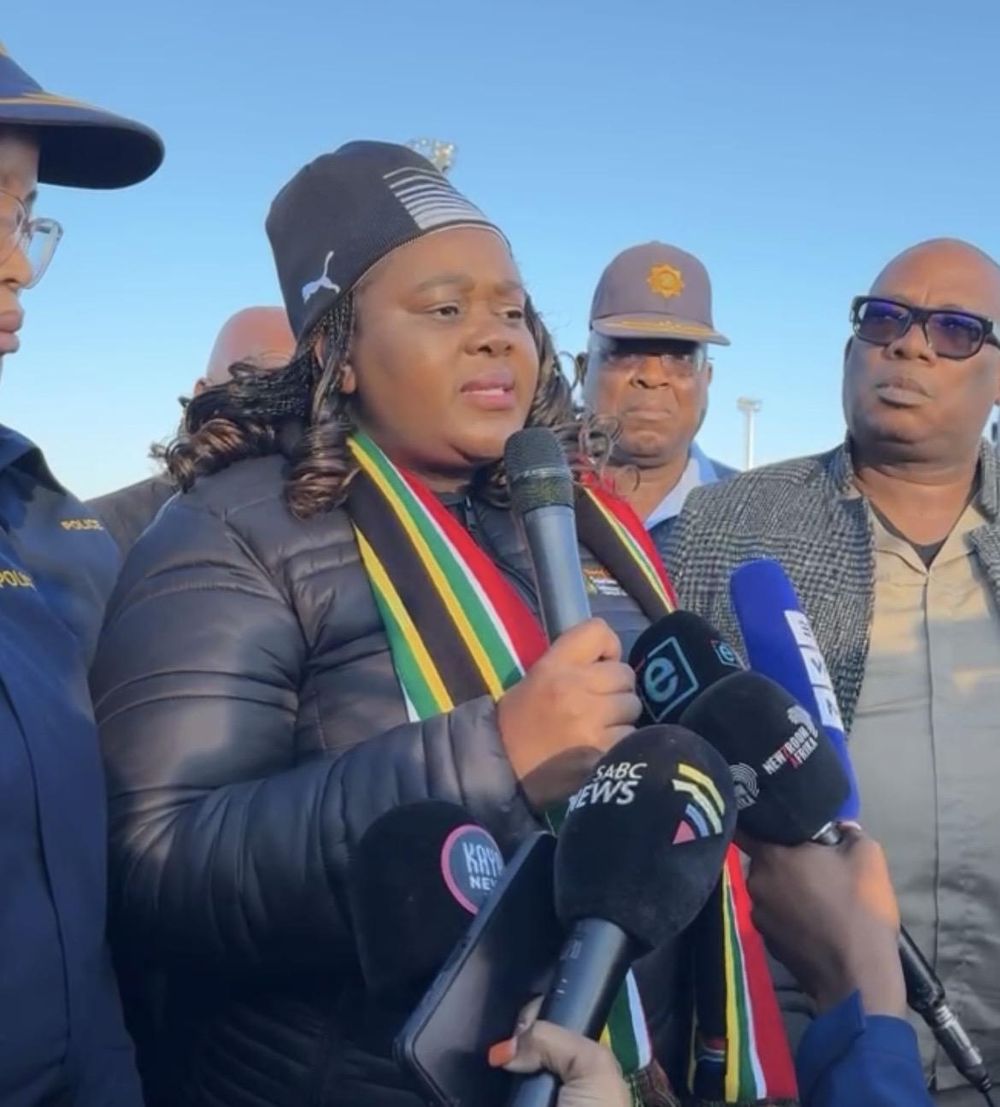
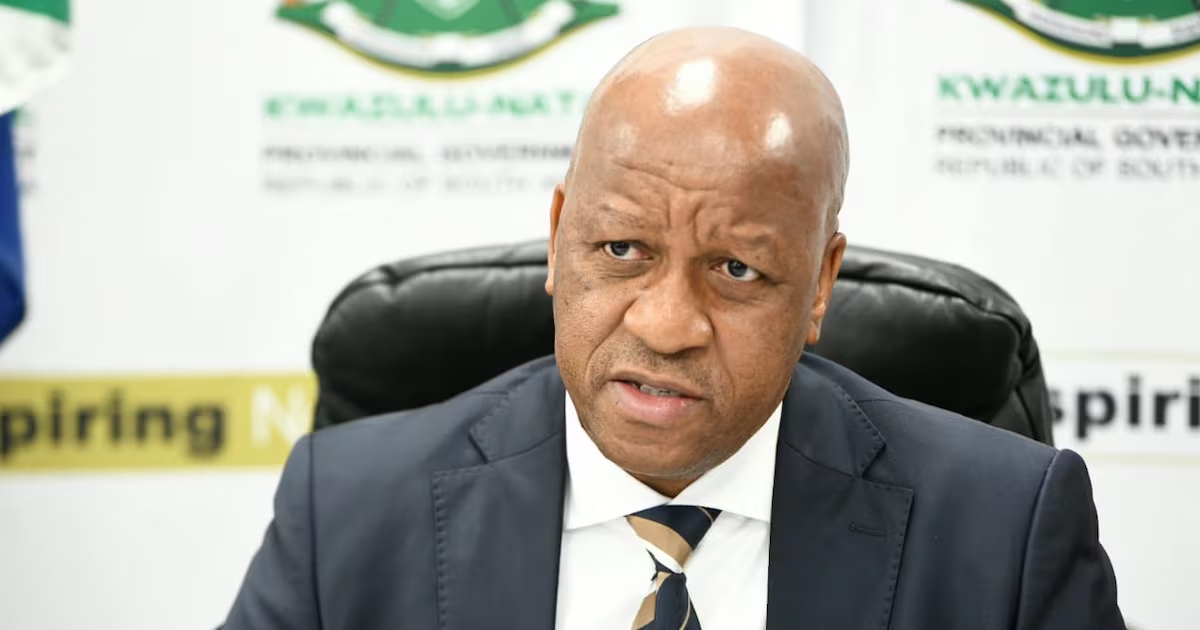
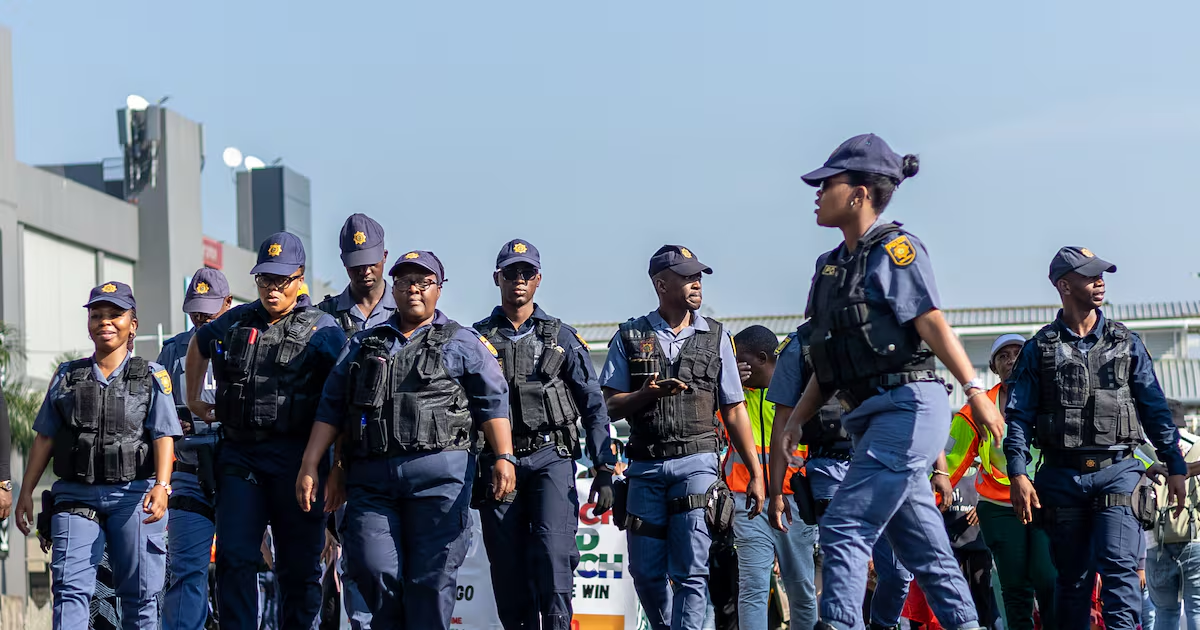
KwaZulu-Natal premier Thami Ntuli has warned that authorities will act decisively against anyone who breaks the law ahead of the anti-immigration protests on the self-imposed “June 30 deadline” being promoted by some anti-immigrant groups. Referring to the widespread unrest and looting that followed the imprisonment of Jacob Zuma in 2021, Ntuli said the province cannot afford a repeat of that violence and instability. More than R50bn was lost to the economy in a violent protest that left 354 people dead.He said law enforcement agencies are prepared to arrest anyone involved in intimidation, incitement, violence or attacks on foreign nationals. KwaZulu-Natal is home to the Port of Durban — the largest and busiest shipping terminal in Sub-Saharan Africa, handling up to 31.4-million tonnes of cargo annually. The province serves as a vital trade gateway to southern and central Africa.The province’s economy is South Africa’s second-largest regionally, valued at about R1.18-trillion. It contributes about 16% to the national GDP. Read: Sixty60, ASAP and Dash are possible targets in June 30 protestsThe July 2021 riots caused huge damage to shops, malls and supply chains while South Africa was already struggling to recover from the economic harm caused by the Covid-19 pandemic and lockdowns. The chaos started as protests after Zuma was jailed but quickly turned into widespread looting and destruction, moving inland to Gauteng and parts of Mpumalanga.Private security firms and law enforcement have identified KwaZulu-Natal as one of two provinces seen as hotspots for possible violence up to the June 30 deadline for foreigners to leave the country. The June 30 deadline has no legal standing and has not been endorsed by the government. The eThekwini Municipality has refused March and March permission to hold its planned protest in Durban, telling the group’s representatives verbally that the gathering poses a national security threat. The movement’s leader, Jacinta Ngobese-Zuma, has demanded written reasons for the refusal. Ntuli spoke in Durban on Thursday on the issue of undocumented migrants in the province. Attendees included members of the diplomatic community, business leaders and civil society. Leaders of the anti-immigrant March and March also attended the meeting. “We are signatories to a range of international instruments that recognise the dignity and rights of all human beings, including migrants and refugees,” he said.“Our challenge is how to manage migration where it is lawful, orderly and sustainable.”The warning comes amid growing tensions around planned anti-immigration demonstrations, which have fuelled fears of xenophobic violence. Thousands of immigrants, mostly from Malawi, have fled the province’s townships in fear of possible attacks and are being repatriated to their countries of origin.Government leaders, police and community organisations have urged residents to remain peaceful and obey the law, while security agencies have increased preparations for the end-June protests. Authorities across political parties maintain that immigration enforcement is the state’s responsibility and that no individual or group may take the law into their own hands. The burden carried by receiving countries is real, and the continent must confront it honestly: that burden cannot rest on South Africa’s shoulders alone.— Thami Ntuli, KwaZulu-Natal premier The Zuma-led MK party, the official opposition, earlier in June confirmed that it would participate in the protests on June 30, but warned that demonstrators should adhere to the law. In a post-ANC national working committee (NWC) media briefing on Thursday, the party’s secretary-general, Fikile Mbalula, warned that calls for violence and disorder should be viewed through the lens of the July 2021 unrest. “There are formations in our politics that have embraced an open ethnonationalism and that have sought to hijack the proud heritage of the amabutho [Zulu warriors] and the sacred symbols of our people’s history, bending them to a reckless and destructive agenda,” he said. “The anxieties of South Africans for work, for shelter, and for the dignity and safety of their communities are real and they are legitimate, and they must be answered. The burden carried by receiving countries is real, and the continent must confront it honestly: that burden cannot rest on South Africa’s shoulders alone.”