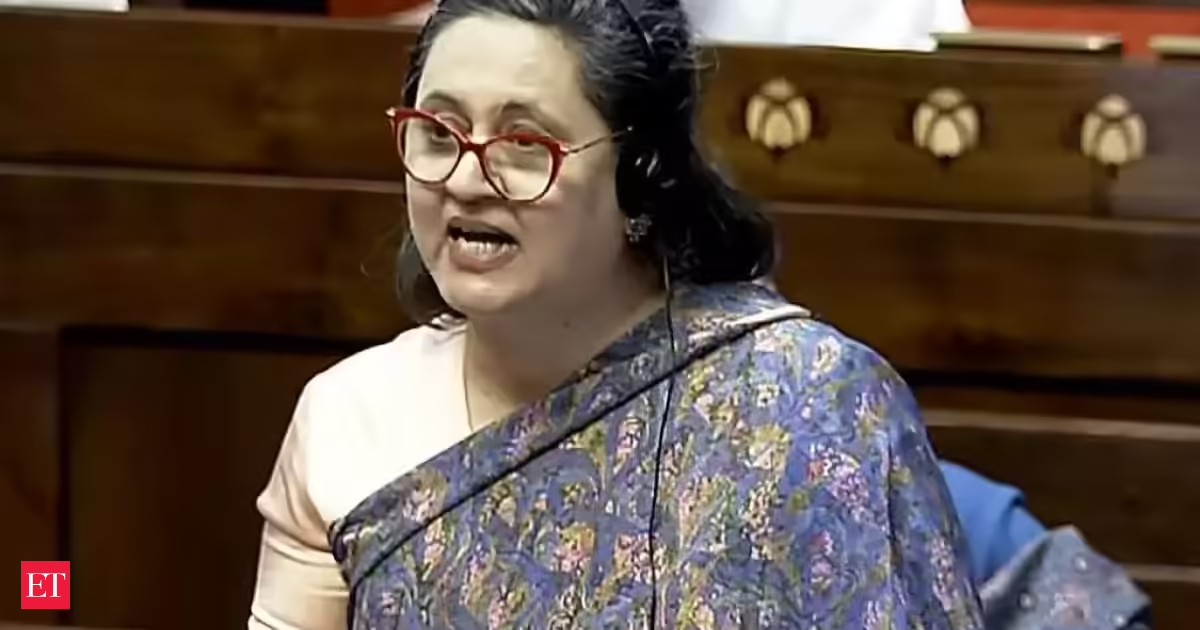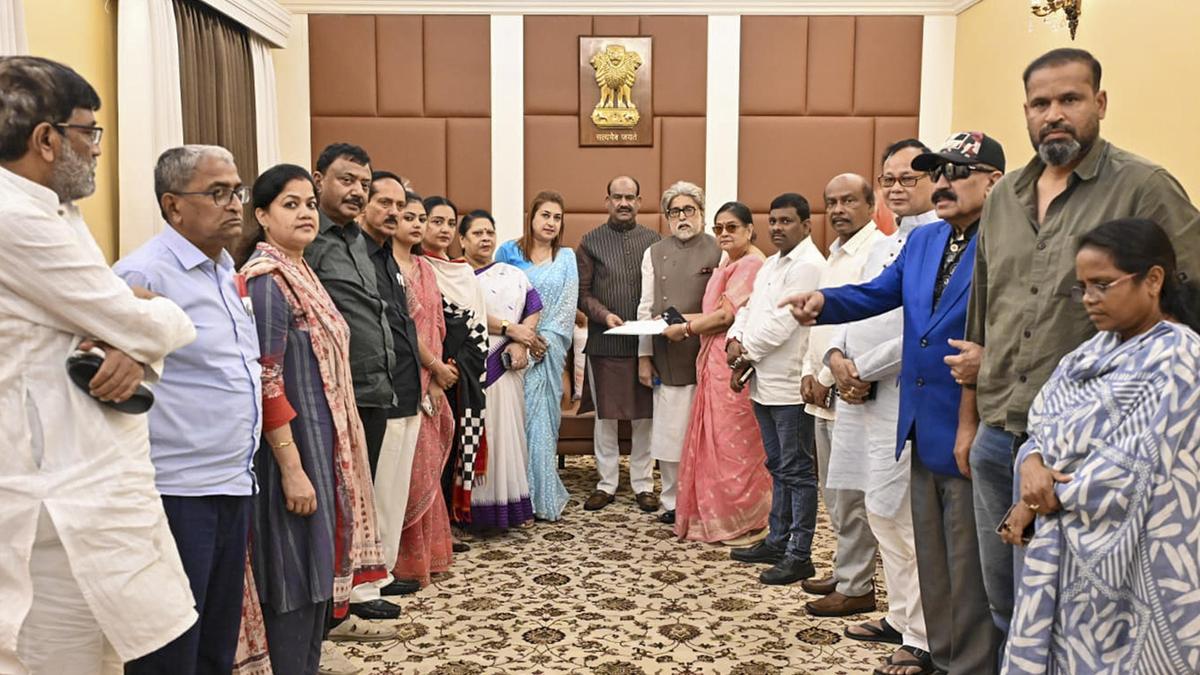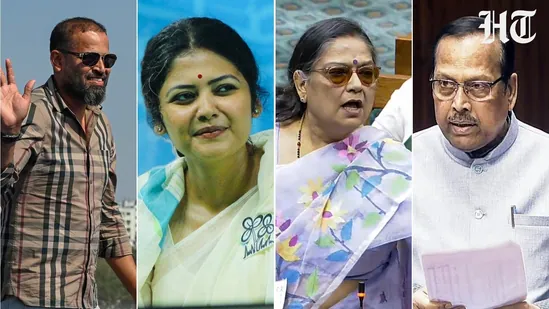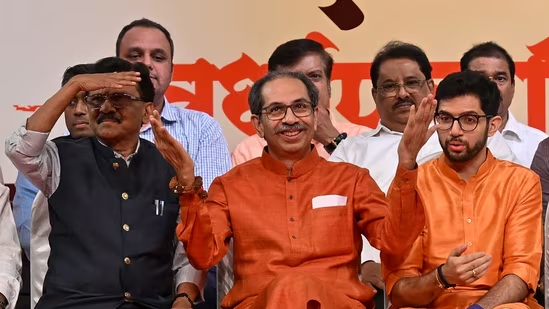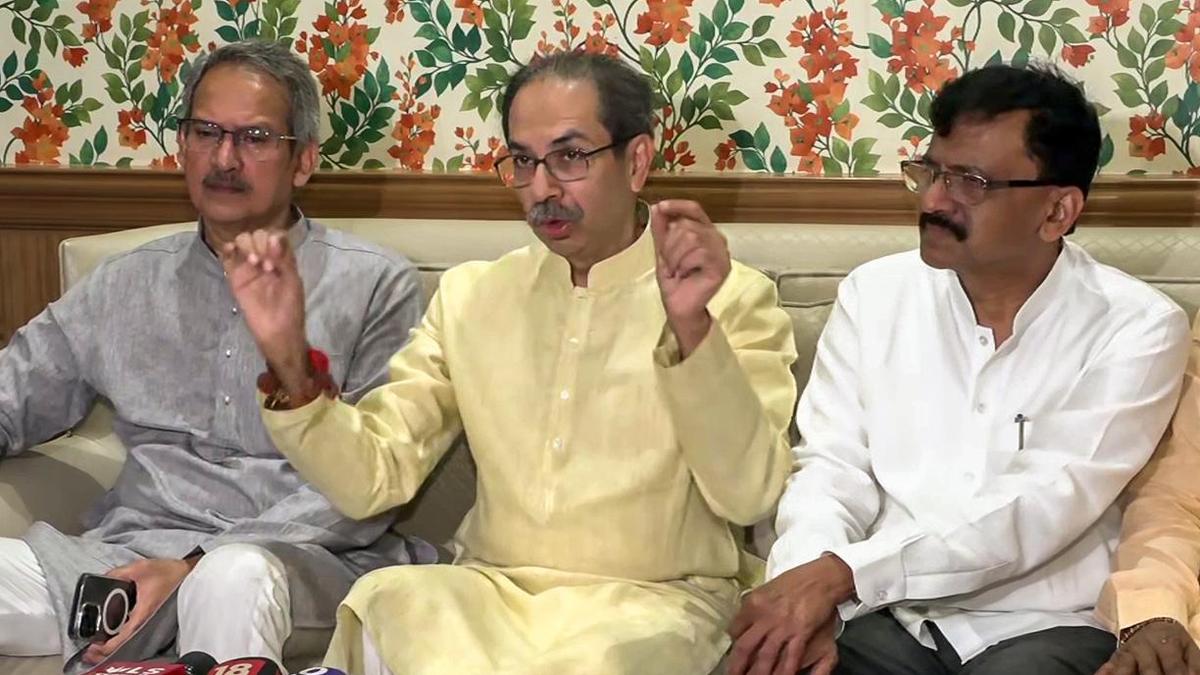
Recent discussion surrounding MPs from the Trinamool Congress and Shiv Sena leaving their parties appears one-sided — as though these MPs are ipso facto committing a wrong. It is useful to see the issue from the other end, too: Why, of all citizens, is an MP barred from freedom of thought and choice?
Even more so because that freedom was fully available to MPs under the original Constitution. The same freedom is available to Western parliamentarians. No questions asked. So, it is time to assess the consequences of this freedom being taken away from Indian MPs through the 52nd Amendment in 1985.That amendment put the interest of political parties, or rather their leaders, above the dignity of Parliament, even though the framers of the Constitution did not even mention political parties in the Constitution. They regarded an MP’s party affiliation as a matter of individual choice and judgement. Parliament was supreme, above everything else. Such a crucial point cannot be brushed aside by frivolous, impromptu arguments.
Even in British India, elected representatives in legislative and administrative bodies were free to remain in or leave their parties. This right remained uninterrupted for more than six decades. Simply because the members of an elected body are the people’s representatives, not the parties’.That is why major Western parliamentary democracies such as Britain, Canada, Australia and the United States do not disqualify legislators merely for changing parties. This approach is consistent with a fundamental value of democracy: liberty. Party affiliation concerns an individual’s freedom of thought and action. The same right existed under the original Indian Constitution. It was taken away in 1985. It has given rise to various distortions in the political process. It proved to be more of a trick than a good law. The most glaring example is that the top custodians of the Legislature and the Executive help engineer defections.On the other hand, even if a Chief Minister is repeatedly acting wrongly, an MLA from his party may remain silent and avoid leaving the party for fear of losing his position. Thus, in practice, he is forced to function only as a party representative, not as a representative of the people. It is a travesty of the Constitution and contrary to the spirit of democracy. Poor fellows, nominally called ‘people’s representatives’, cannot speak their own minds, let alone represent the views of the people.