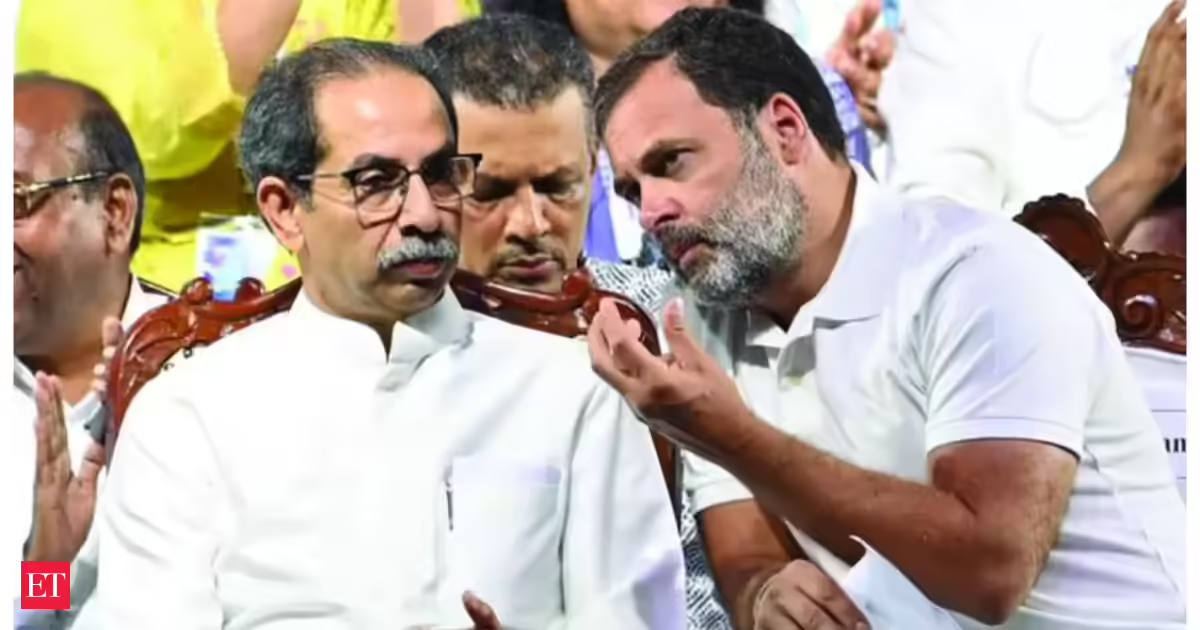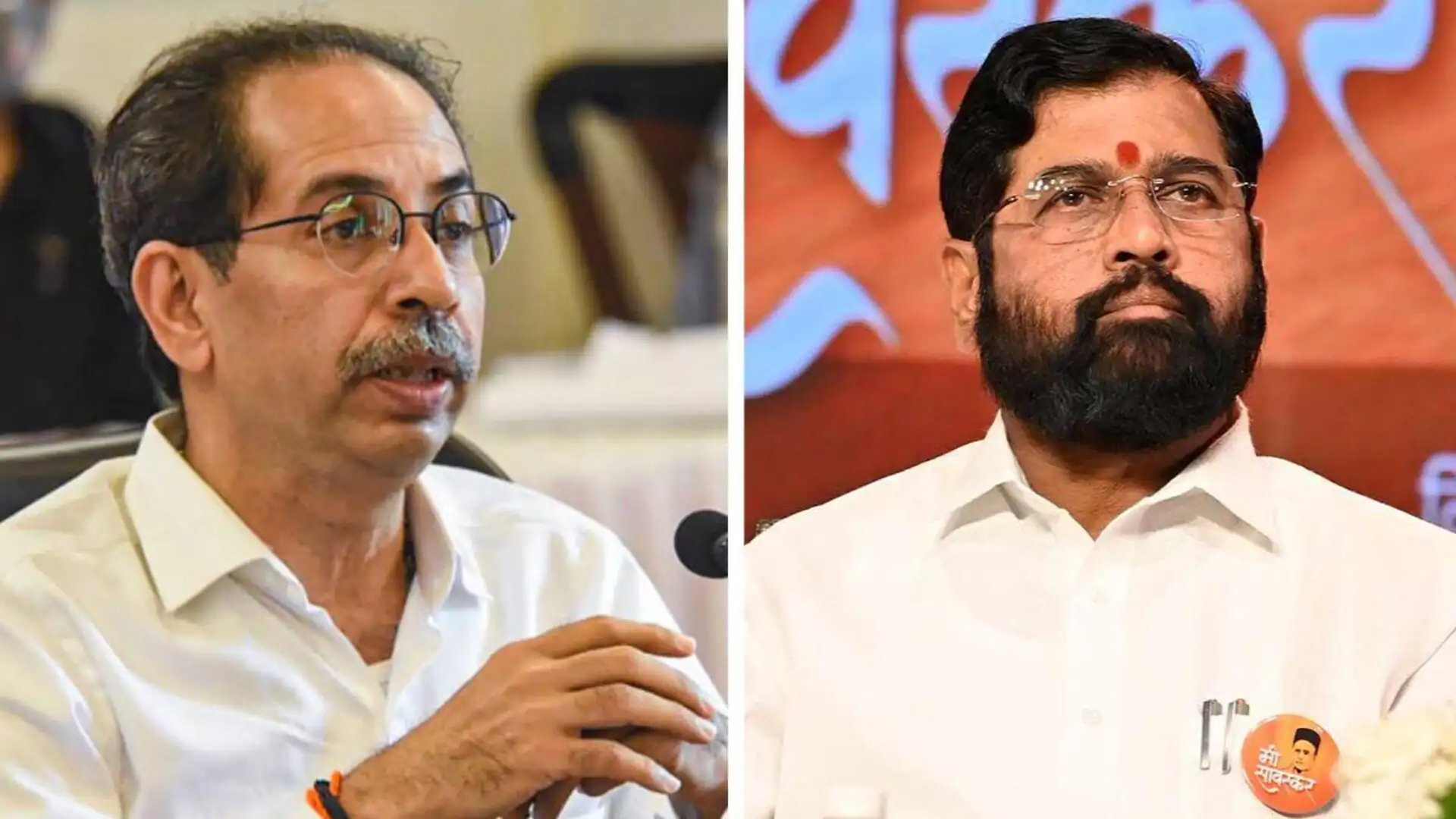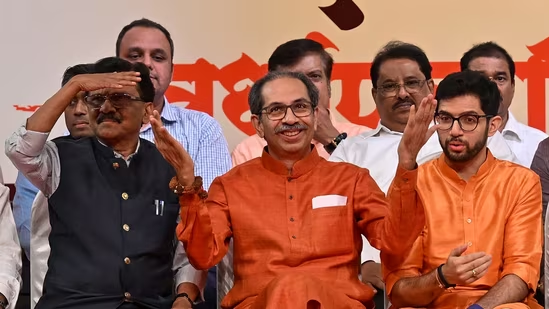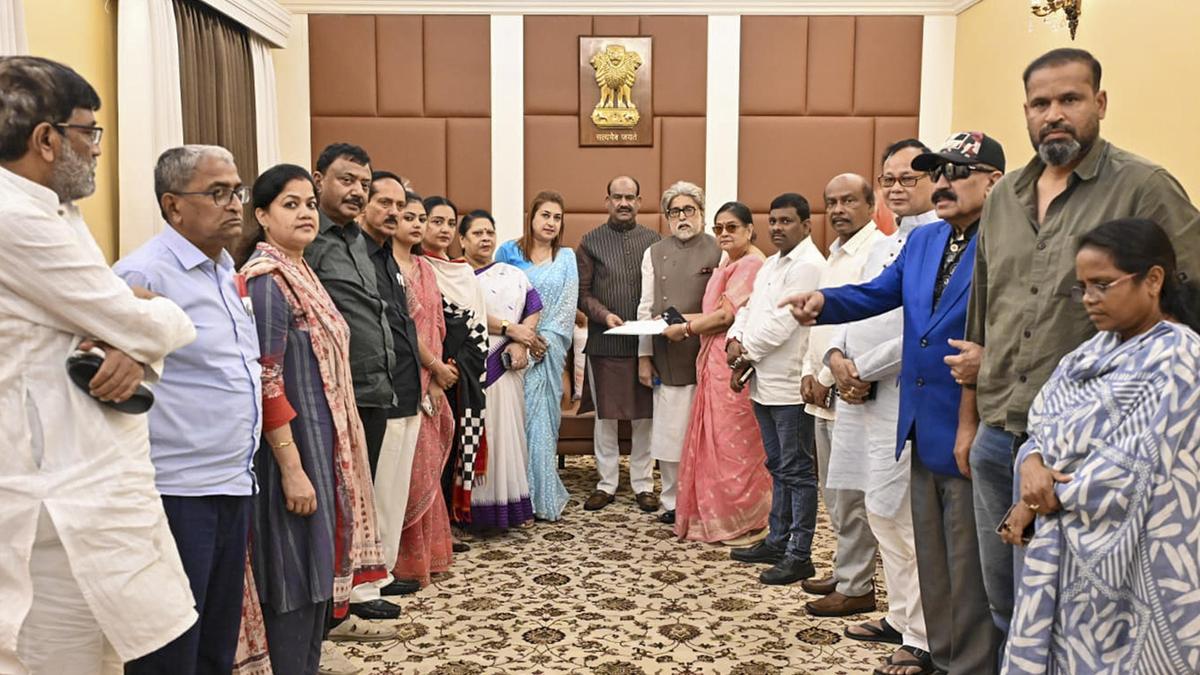
There is something deeply troubling about the wave of defections sweeping India’s elected representatives, Members of Parliament chief among them. In the latest episode, six Shiv Sena (UBT) MPs are seeking to join the Eknath Shinde faction of the Sena, which emerged after an earlier split in the parent party. This group constitutes exactly two-thirds of the party’s Lok Sabha strength, giving them the escape route that their crossover will constitute a merger under the Tenth Schedule of the Constitution, or the anti-defection law. Under the Tenth Schedule, a member can be disqualified if they voluntarily resign from their party or defy a party whip during a division of votes in the House. In 2003, the law was strengthened by an amendment that removed the earlier “split” provision — which had allowed one-third of a party’s members to defect without penalty — and retained only the “merger” exception, under which disqualification does not apply if two-thirds of a party’s legislators agree to merge with another party. Engineered splits are now dressed up as mergers, letting groups defect without inviting disqualification. The legal validity of such claims is itself contested, as the Supreme Court of India has, in a past judgment, made clear that a merger cannot be of the legislature party alone, and must involve the parent party as well.With the Court holding back judgments on several constitutional questions related to this, presiding officers keep waving through such stretched claims — and the practice keeps gathering pace. The Sena splintering follows close on the heels of the TMC rebellion. A rebel group claiming the support of 20 of the TMC’s 28 Lok Sabha MPs — led by four-time MP Kakoli Ghosh Dastidar — has aligned itself with the BJP-led NDA, seeking a merger with another party. In April, AAP MPs in the Rajya Sabha had joined the BJP, reducing AAP’s Rajya Sabha strength from 10 to three. Now, three TMC members of the Rajya Sabha, Sukhendu Sekhar Ray, Sushmita Dev and Prakash Chik Baraik, have resigned. For all practical purposes, the Tenth Schedule has become redundant and irrelevant, as the Court keeps key decisions pending. The surge in these crossovers, which has the cumulative effect of increasing the strength of the ruling NDA in the Lok Sabha and the Rajya Sabha, raises questions beyond technicalities. At present, the NDA does not have the two-thirds majority in Parliament needed to pass constitutional amendments. The threshold of two-thirds for constitutional amendments is kept high to ensure a wide political consensus. Bypassing that intent through defections — whatever name they go by — is an affront to representative democracy and the spirit of the Constitution. Published - June 20, 2026 12:20 am IST
Defection as merger: On politics, the wave of defections
Engineered splits are now dressed up as mergers, letting groups defect without inviting disqualification
450 words~2 min read