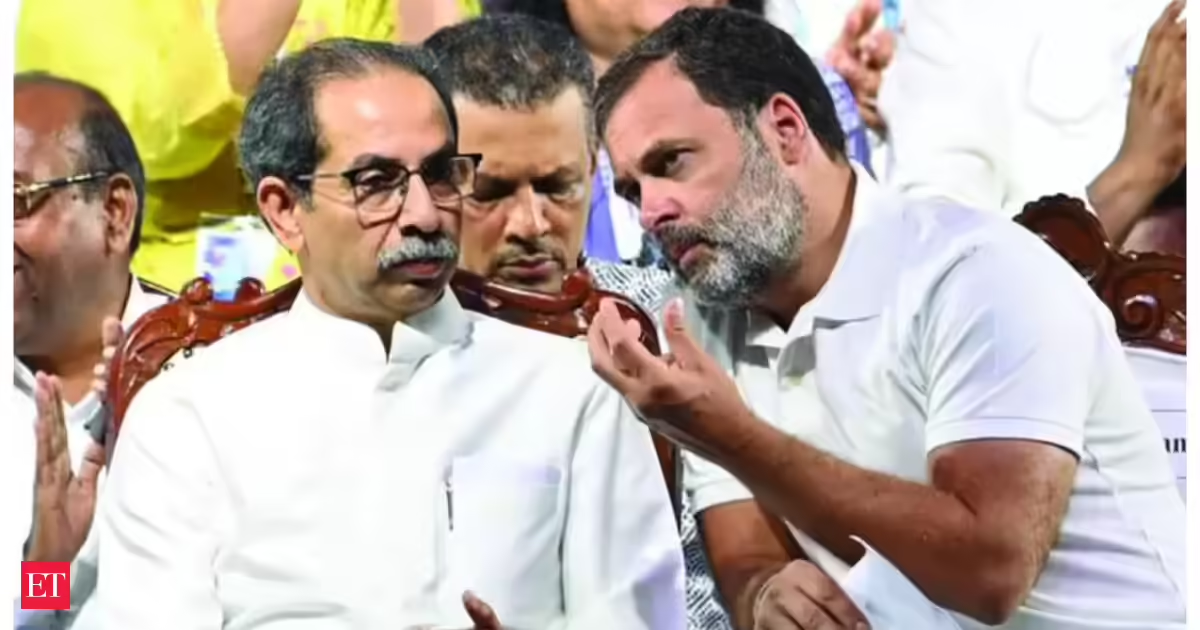
New Delhi: A letter submitted by the six rebel Shiv Sena (UBT) MPs to the Lok Sabha Secretariat is learnt to have alleged that the party strayed from its original ideology and that the leadership was moving towards a merger with Congress, sources said.They said a letter was submitted to the secretariat, informing that the rebels were joining Eknath Shinde-led Shiv Sena. The six MPs have requested changes in seating arrangements in the Lok Sabha to sit with the Shinde faction.Read more: Shiv Sena (UBT) MPs Sanjay Raut, Anil Desai & Arvind Sawant meet Om Birla amid defection buzz, submit letterThe MPs have claimed that the party has deviated from the ideology espoused by its founder Balasaheb Thackeray and was planning a merger with Congress. According to the sources, the rebels cited these among reasons for jumping the ship.The development came even as Sena (UBT) issued show-cause notices to the six MPs for remaining absent from a parliamentary party meeting convened through a whip. Signed by chief whip Anil Desai, the notices termed the absence an "anti-party activity" and sought written explanations within seven days.Also read: Shiv Sena (UBT) split row deepens as Sanjay Raut alleges Maharashtra MPs offered Rs 50 crore each to switch sidesHowever, sources from Shinde-led Shiv Sena claimed that legal precedents suggest that the anti-defection law under the Tenth Schedule primarily governs conduct inside the House. Under Paragraph 2(1)(b), disqualification is attracted when a member votes or abstains from voting contrary to a party whip and not for failing to attend internal party meetings.They also said that in the Kihoto Hollohan vs Zachillhu (1992) case, the Supreme Court held that the operation of the anti-defection law is linked to legislative conduct.Absence from such meetings may invite party disciplinary action, including suspension or expulsion, but by itself does not attract disqualification under the Tenth Schedule. The move by the six MPs sets the stage for a fresh political and legal battle over their status, with the Speaker likely to hear rival claims before taking a call on recognition and related matters.
Six rebel Shiv Sena (UBT) MPs allege party was looking to merge with Congress
Six Shiv Sena (UBT) MPs have written to the Lok Sabha Secretariat. They claim the party has moved away from its founder's ideology. The MPs allege a planned merger with Congress. They are seeking to join the Eknath Shinde-led Shiv Sena faction. This move sets the stage for a new political and legal contest.
344 words~2 min read