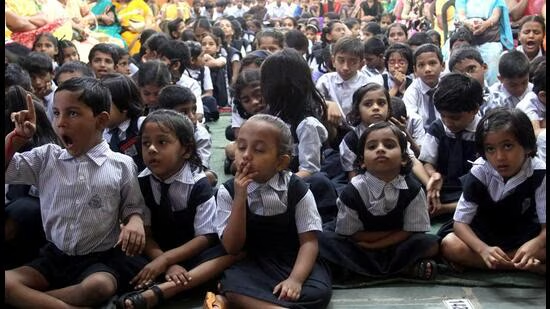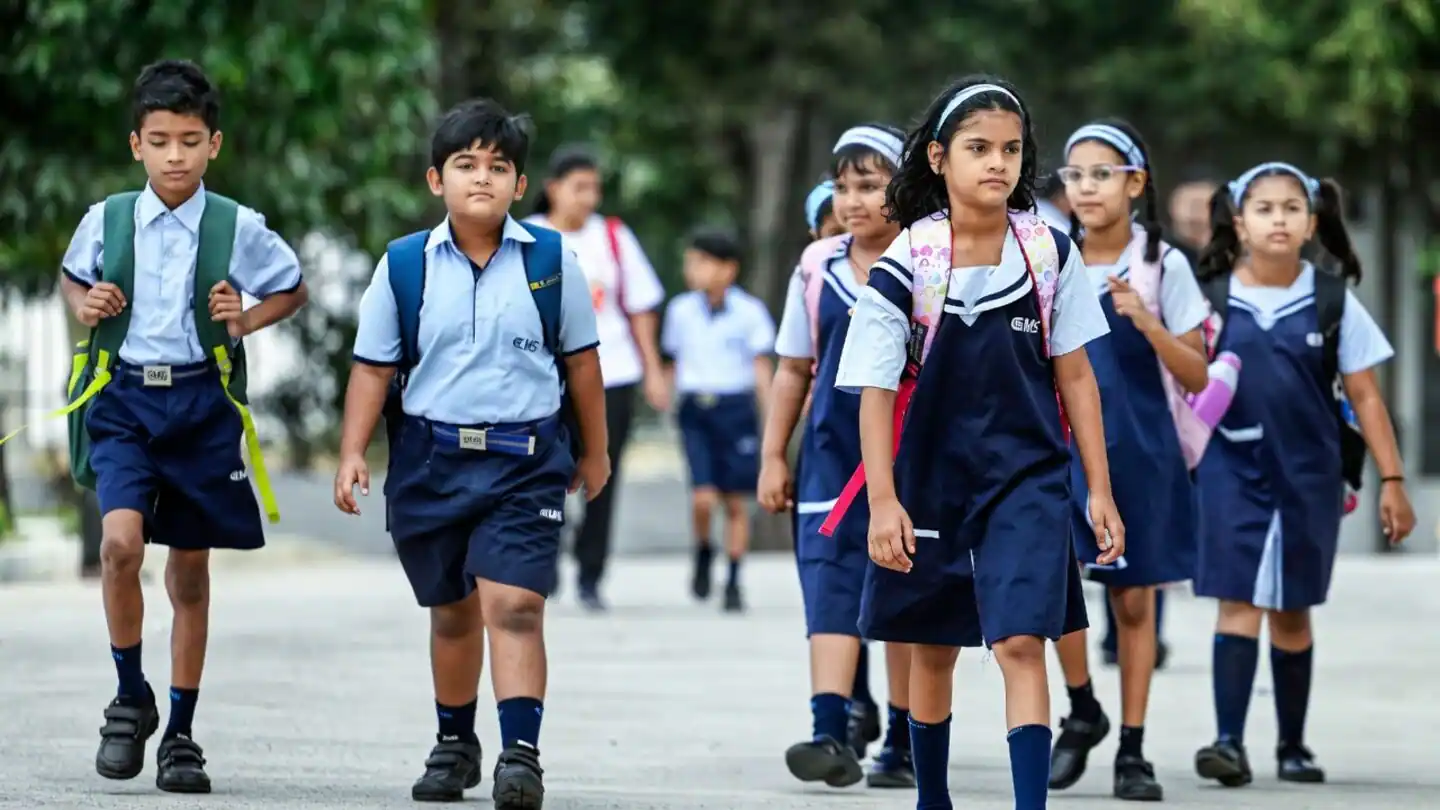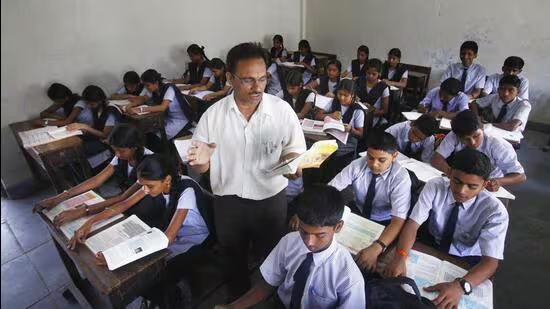
MUMBAI: A report by the government policy body NITI Aayog has suggested the creation of school clusters, where nearby schools can work together and share teachers, libraries, laboratories and other facilities. Around 14,500 schools in Maharashtra have fewer than 10 students each, and education officials say it is becoming difficult for such schools to provide quality education.IImage for representationThe NITI Aayog report, published on Wednesday, says that India has around 1.47 million schools and more than 246.9 million students. While most children now have access to primary education, a large number leave school before completing their higher secondary education.The report points out that though there are many primary schools, the number of schools reduces at higher levels. Many children, especially in rural areas, thus eventually end up leaving school.Another concern is the quality of learning. Although learning levels have improved after the Covid-19 pandemic, many students still struggle to understand concepts and use their knowledge in daily life. Teacher shortages and professional training also remain major challenges. In rural areas, access to mentoring and professional development remains limited.While school infrastructure has improved, many schools still lack good libraries, laboratories, digital learning facilities and resources for children with special needs. These problems are more visible in smaller and remote schools.To address all these issues, NITI Aayog has suggested forming school clusters so that schools in an area can share resources. Students from small schools can get access to better teachers, laboratories, sports facilities and digital learning tools. Education experts believe this is a better utilisation of government resources and can improve learning.However, the proposal has raised concerns among parents. Many fear that if schools are merged, children may have to travel longer distances. Teachers’ groups believe that any changes should be made carefully so that children do not lose easy access to education. In 2023, the Maharashtra government came up with the cluster school policy, which remained on hold after opposition from various stakeholders.The NITI Aayog report also highlighted that government schools are still the primary providers of education, though their share has declined from 54.3% in 2014-15 to 49.25% in 2024-25. Government-aided schools account for about one-tenth of total enrolment. In contrast, private unaided institutions have expanded their enrolment share considerably from 31.7% in 2014-15 to 38.8% in 2024-25. The share of the ‘Others’ category, including Madrasas, unrecognised institutions, and alternative schools, has declined marginally from 2.4% to 1.9%.
NITI Aayog suggests ‘school clusters’ for better learning and use of resources
The NITI Aayog report, published on Wednesday, says that India has around 1.47 million schools and more than 246.9 million students. While most children now have access to primary education, a large number leave school before completing their higher secondary education | Mumbai news
399 words~2 min read